
Last updated September 20, 2026
Level 1 sweep and inspection to the NFPA 211 annual standard - flue, crown, cap, and flashing checked and photographed
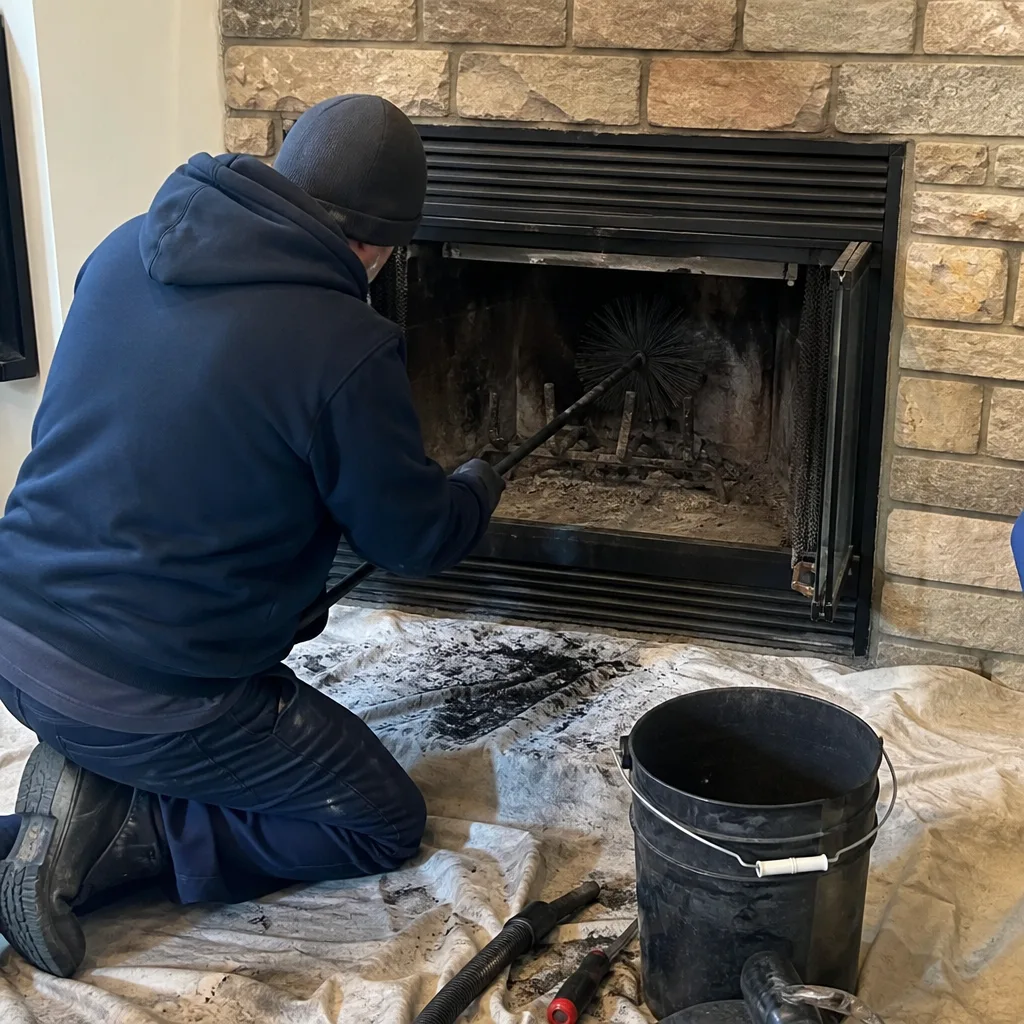
Chimney sweep logs do not sweep chimneys. They loosen some creosote - which then falls where a brush and vacuum still have to collect it.
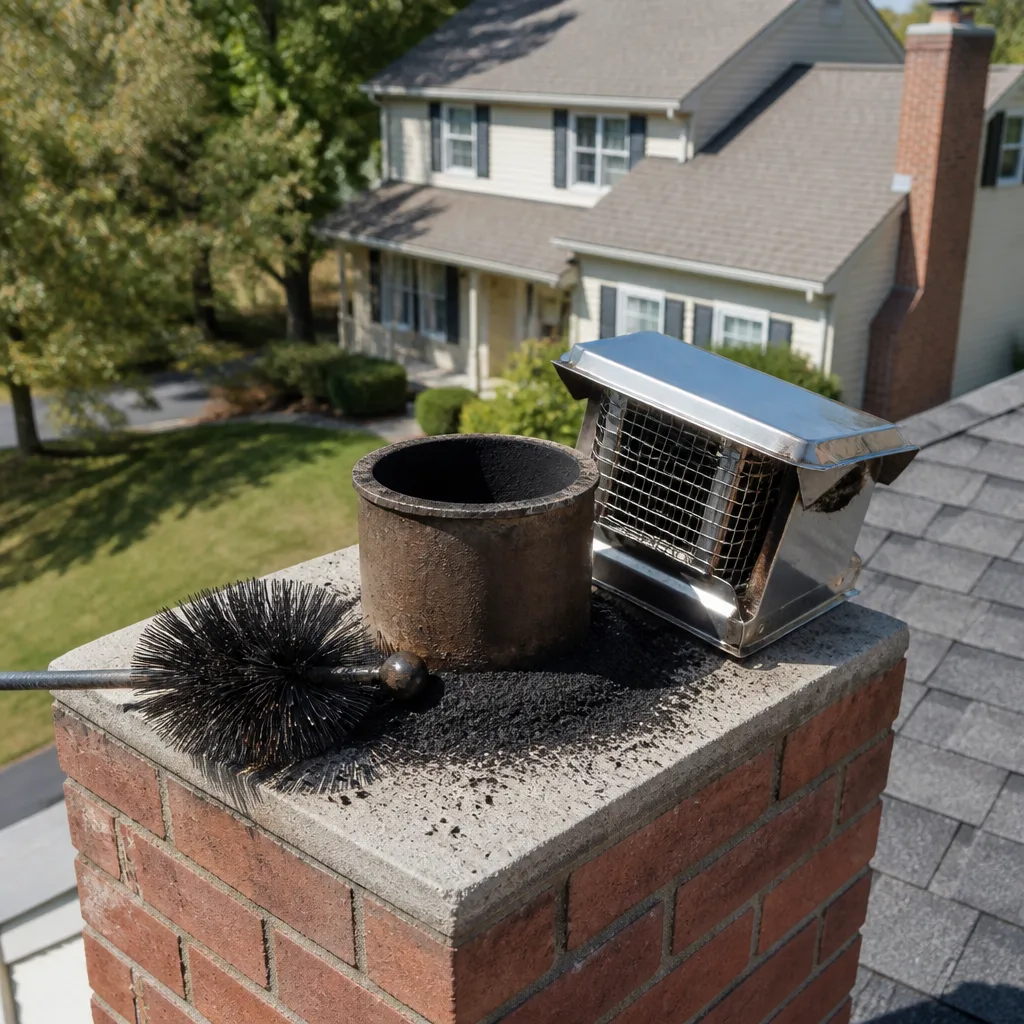
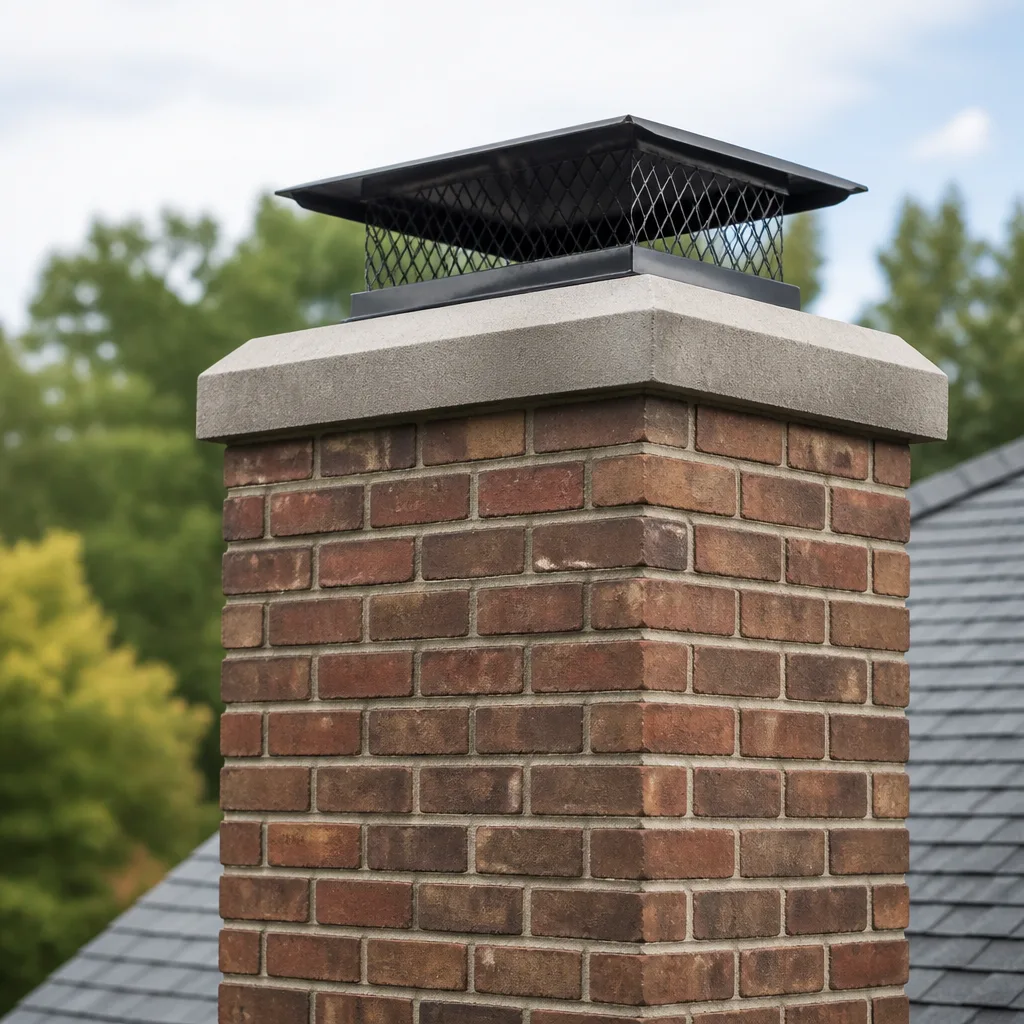
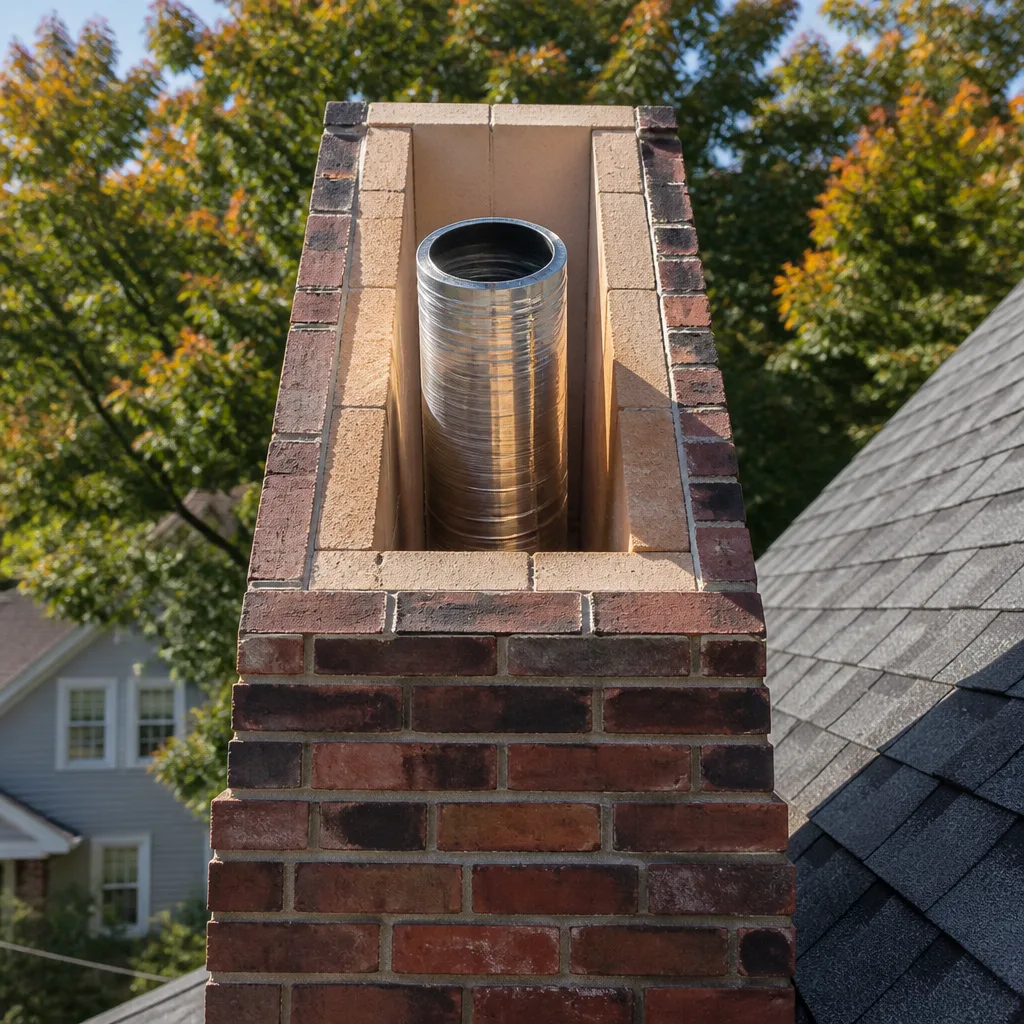
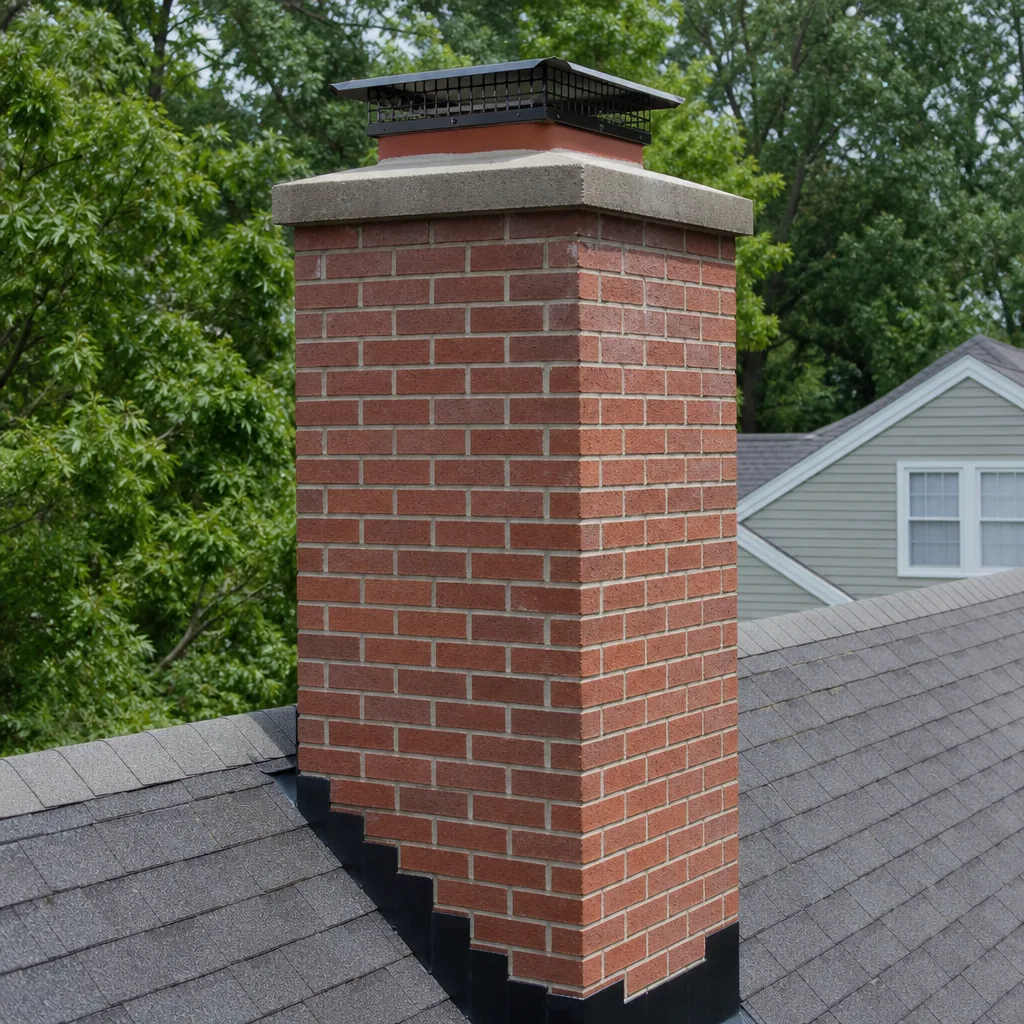
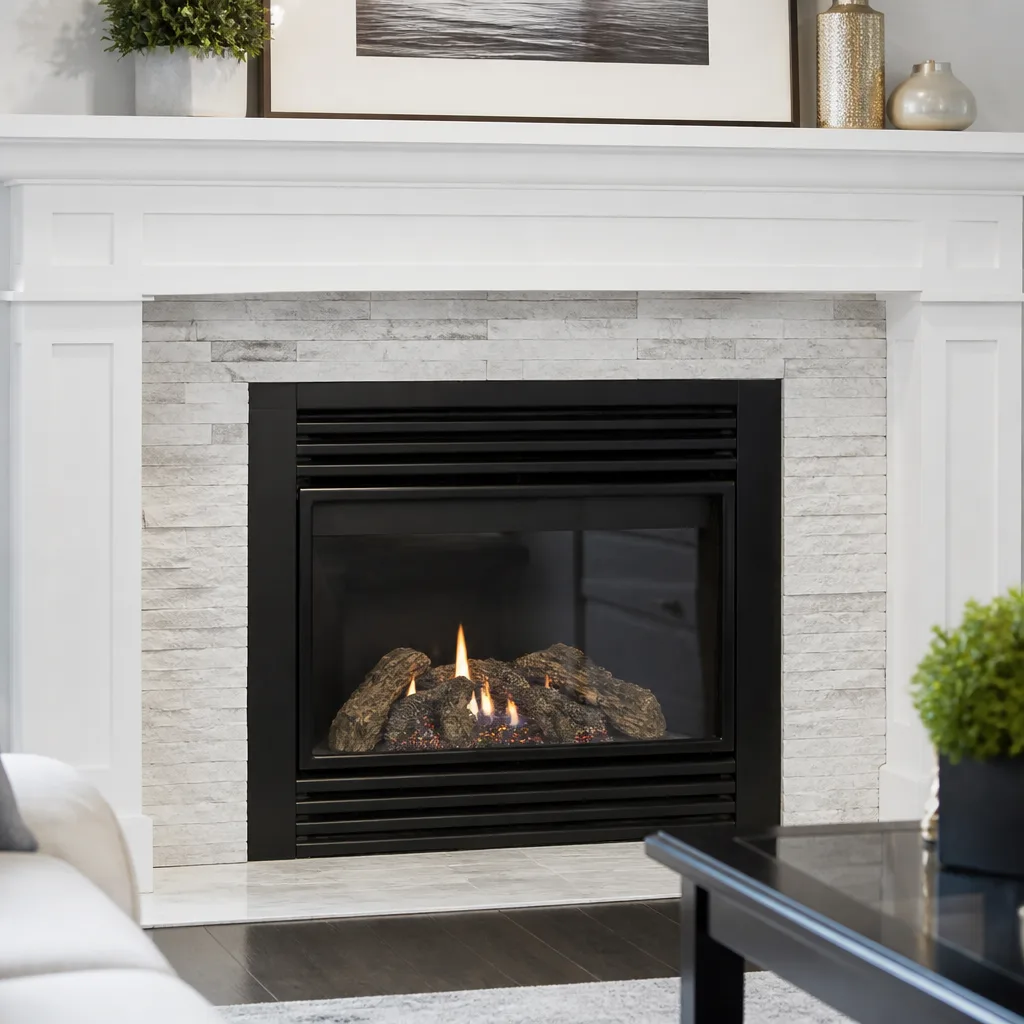
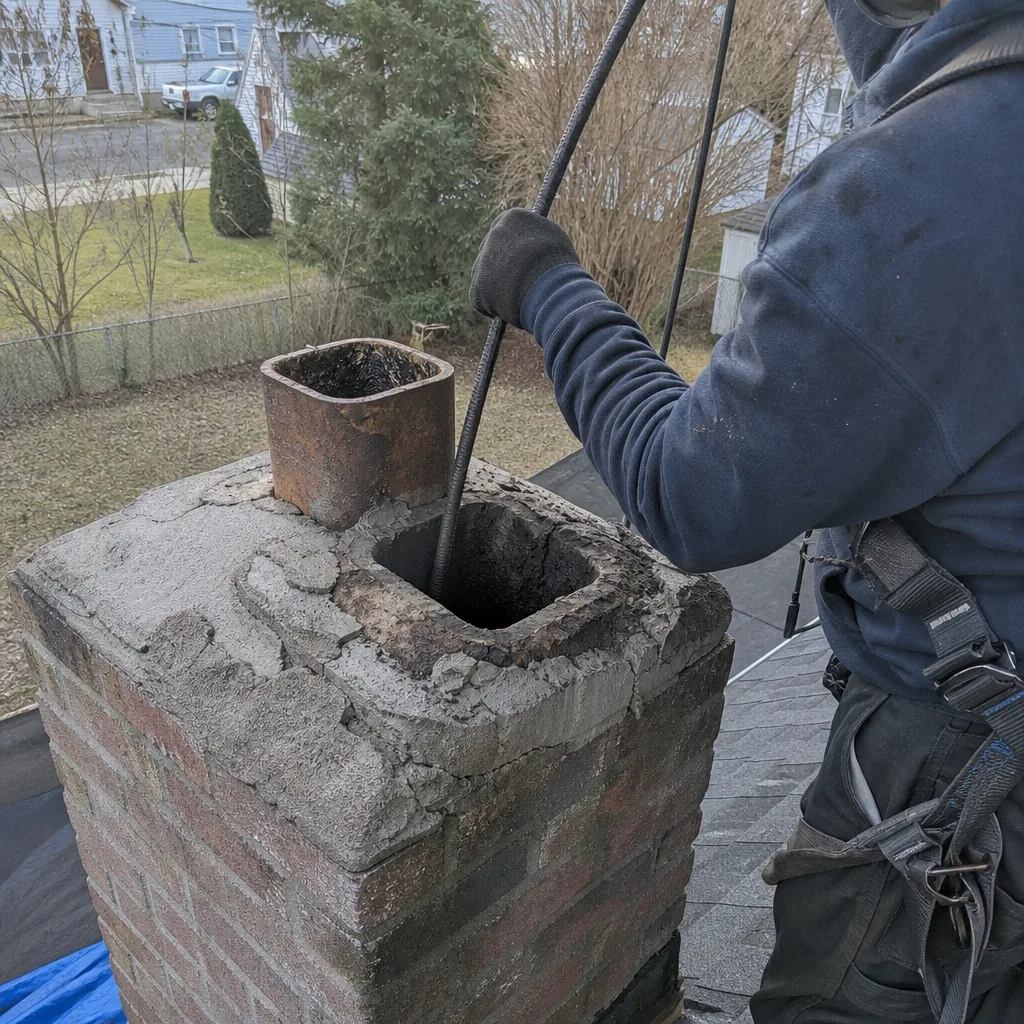 Before
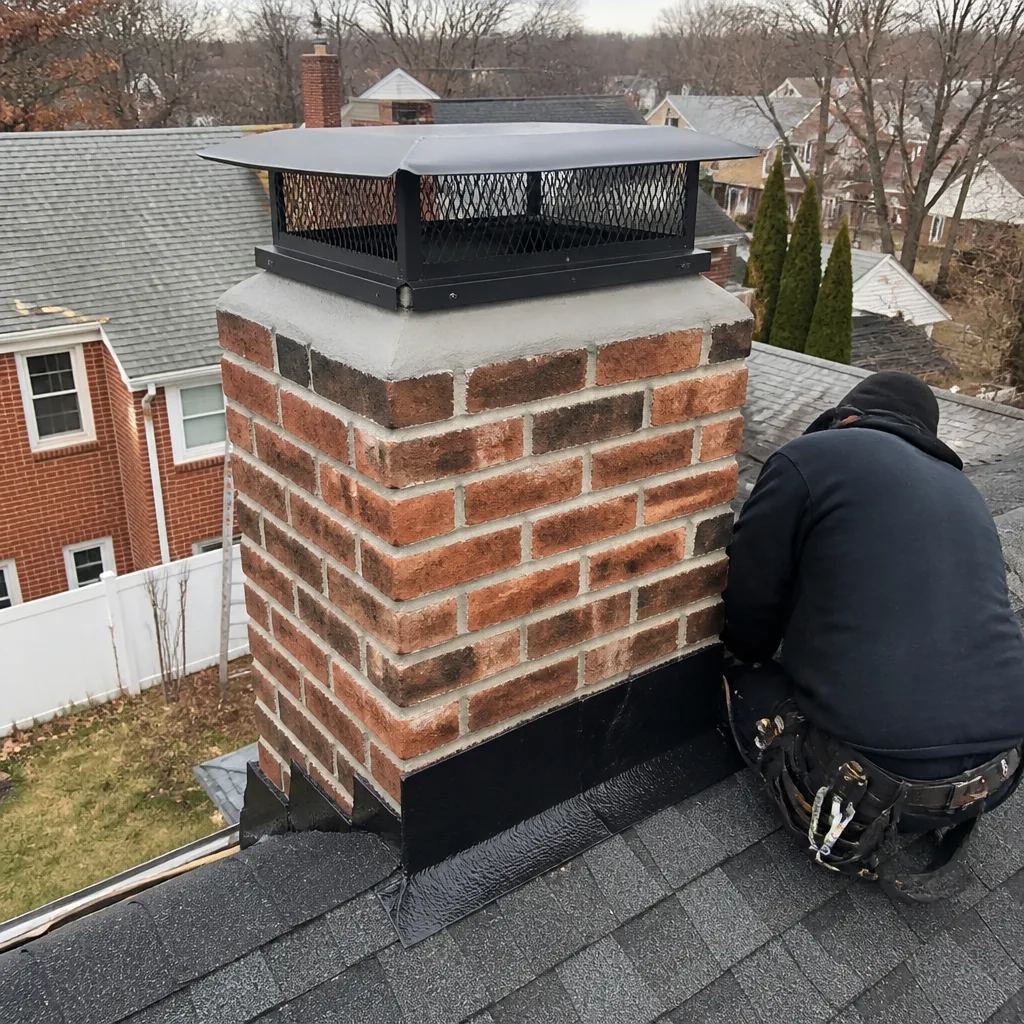 After
After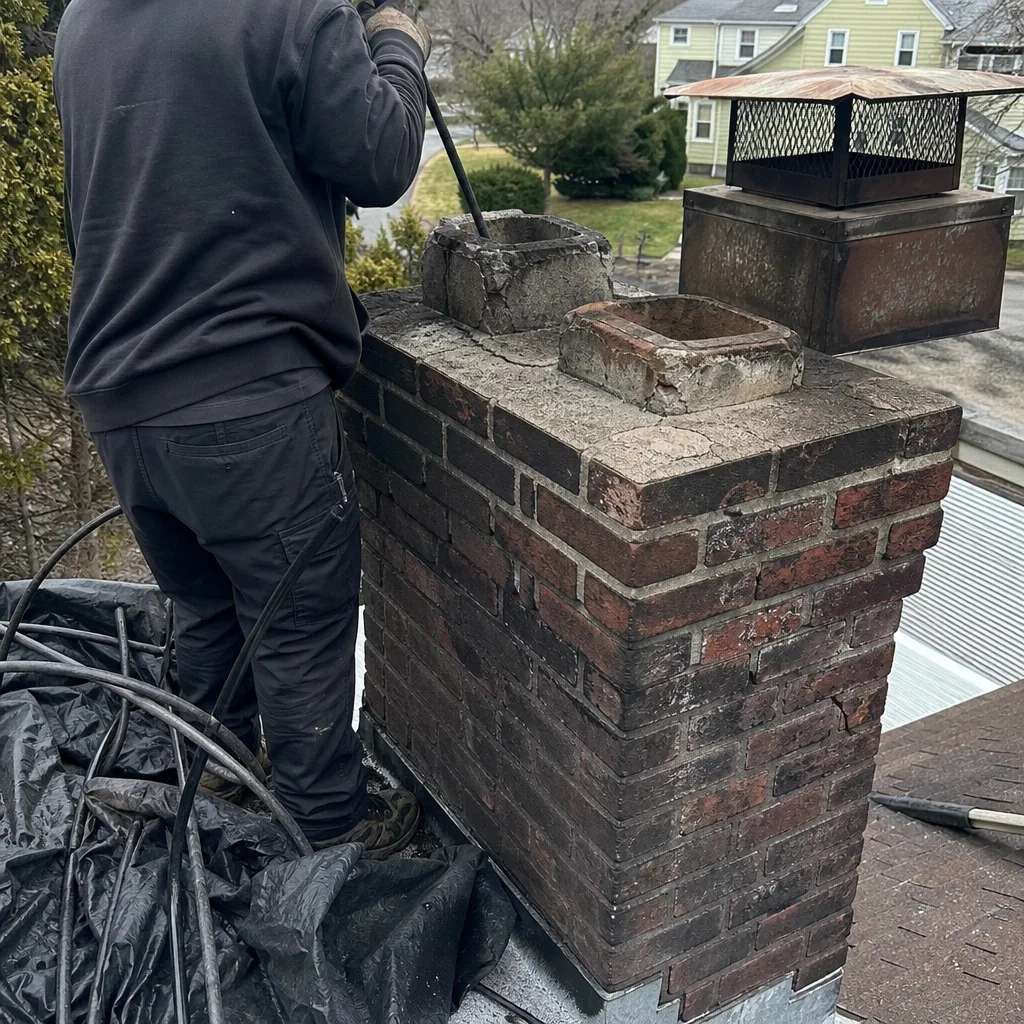 Before
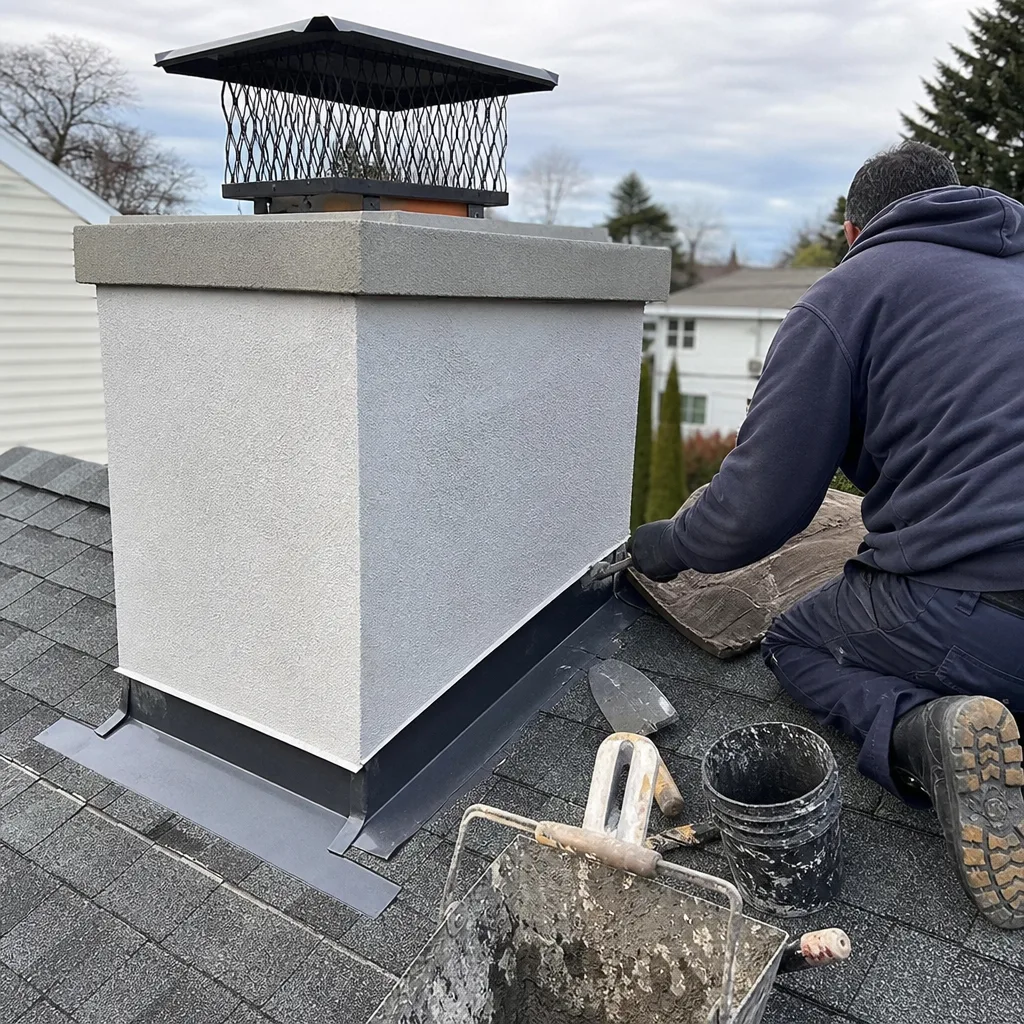 After
After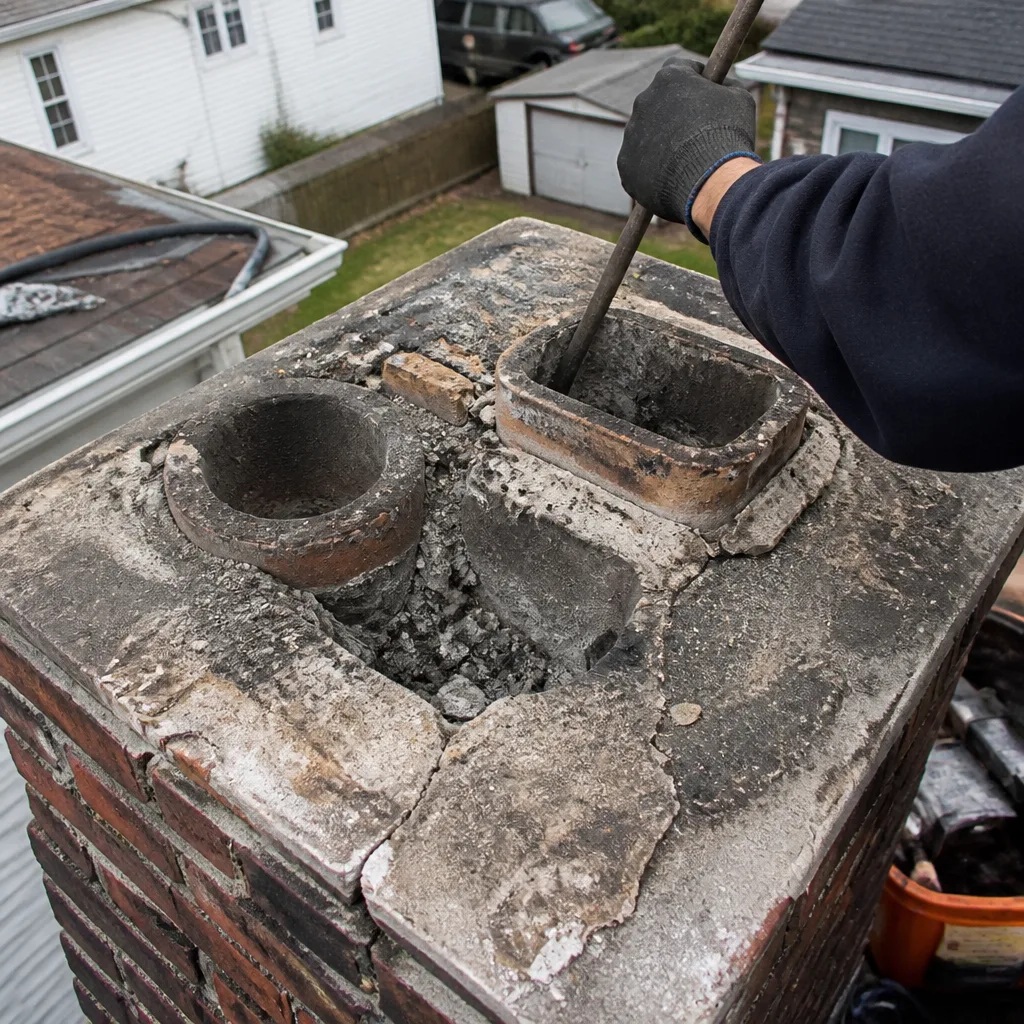 Before
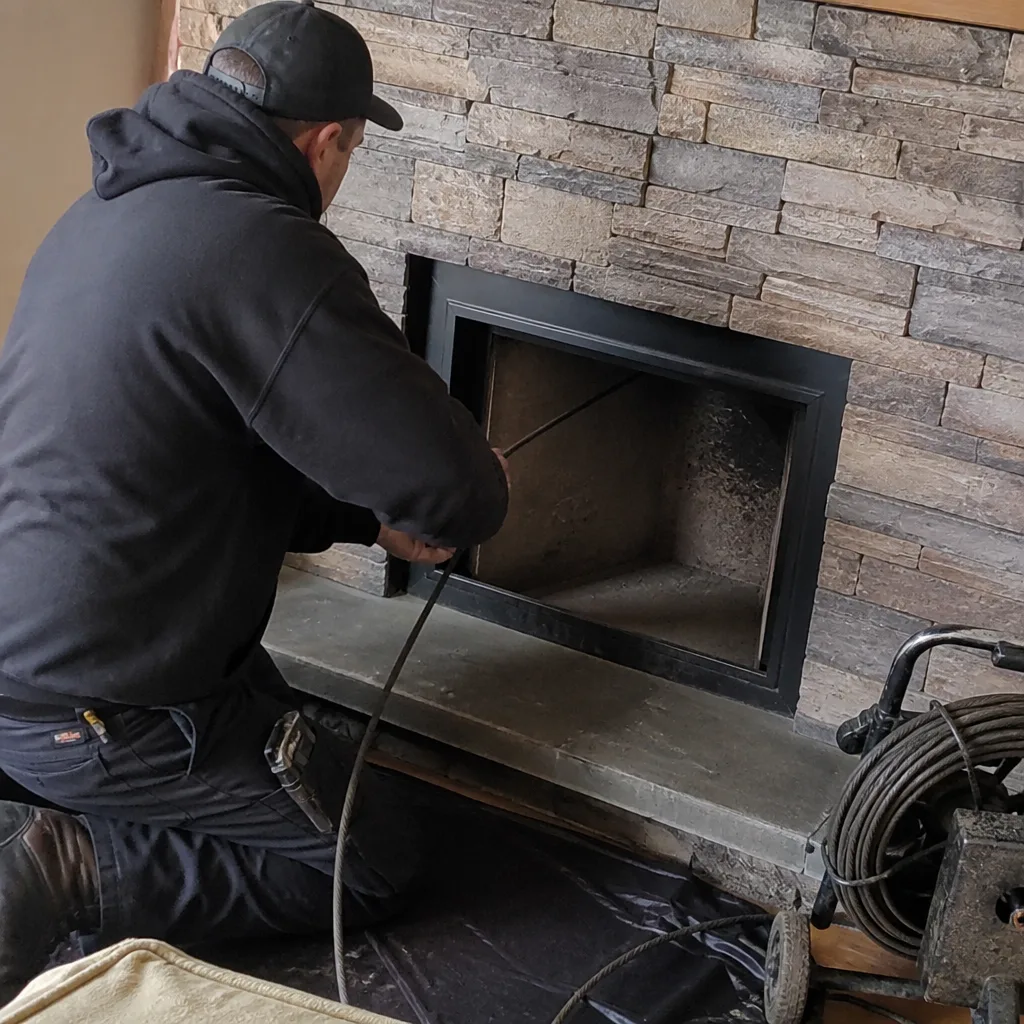 After
AfterDIY vs Professional Chimney Cleaning: The Newark Homeowner’s Decision Guide
You can legally brush your own flue in New Jersey, and for a straight, single-story wood-burning insert with no liner history, a homeowner with the right brushes can remove Stage 1 creosote competently. But that’s a narrower scenario than most DIY guides admit. What most homeowners in Newark don’t realize until it matters is that a chimney cleaning is rarely just about the soot. It’s about the record that says the flue was actually safe on a specific date. This guide will walk you through the real math, the real risk, and the documentation gap that changes the entire calculus. For more guides & resources, see our blog.
Quick Answer
DIY chimney cleaning is genuinely viable for a narrow set of Newark homes: single-story, straight flue, wood-burning only, with a liner in known good condition and a homeowner willing to invest roughly $150-$300 in proper tools. What DIY cannot produce, regardless of skill, is a camera record, a signed inspection report, and a documented liner condition that satisfies an insurer or a buyer’s attorney. In Newark’s attached housing stock, that documentation gap is a liability that follows a property through its next sale and into any future insurance claim.
Table of Contents
- What a Capable DIYer Can Actually Handle
- What DIY Cannot Produce: The Documentation Gap
- The Break-Even Math: Tools vs. a Professional Sweep
- Newark-Specific Risk Factors That End DIY Eligibility
- The Hybrid Approach: DIY Maintenance Between Professional Inspections
- Records That Matter: What to Keep and Why
- Common Mistakes to Avoid
- When to Call a Professional
- Frequently Asked Questions
- The Bottom Line
BeforeAfterWhat a Capable DIYer Can Actually Handle
Let’s be precise about the technical scope. A homeowner with the right equipment, working on the right kind of chimney, can competently remove what the trade calls Stage 1 creosote: the loose, flaky, brownish-black soot that brushes off with moderate pressure. This is the deposit that forms from a season or two of ordinary wood burning. The task requires a brush sized exactly to the flue (measured by the inner diameter of the liner, not the outside of the chimney), fiberglass or polypropylene rods, a tarp, a shop vacuum with a HEPA filter, and a helper. It is physically demanding, dirty work performed on a roof or ladder, and it takes most first-timers a full Saturday.
The chimney that fits the DIY profile in Newark looks like this: a single-story home, typically in the Ironbound or Forest Hill, with a straight vertical flue, no offsets, no bends, a wood-burning fireplace or insert, and a stainless steel liner installed after 1987 with paperwork showing the installation. No oil or gas appliance venting into the same flue. No shared flue with an adjoining row house. No visible spalling on the exterior brick. That is the complete list. Every condition removed from that list moves the job closer to professional territory.
We say this as a company that has performed more than 38,000 chimney inspections and cleanings since 2009. We have seen competent DIYers do a perfectly adequate brush-and-vacuum cleaning on exactly the chimney described above. We have also seen the result when a homeowner with good intentions and a rotary brush kit from a big-box store tackled a 1939 masonry chimney in the North Ward with an unlined flue and a 15-degree offset. The brush lodged in the offset. The rods separated. The extraction required a professional call and cost more than the cleaning ever would have.
What the trade means by Stage 2 creosote (black, shiny, tar-like flakes, often hardened) and Stage 3 creosote (dense, glossy, can resemble melted plastic, sometimes an inch thick) is that the deposit has bonded to the flue wall. Brushing will not remove it. It requires mechanical removal with rotary chains, chemical treatment, or both. Stage 3 creosote is a fuel load. It ignites at roughly 2,000 degrees and burns hot enough to crack flue tiles and spread into the structure. Newark’s older housing stock produces a lot of Stage 3 because the flues are often unlined, undersized for modern appliances, or simply went decades between cleanings.
What DIY Cannot Produce: The Documentation Gap
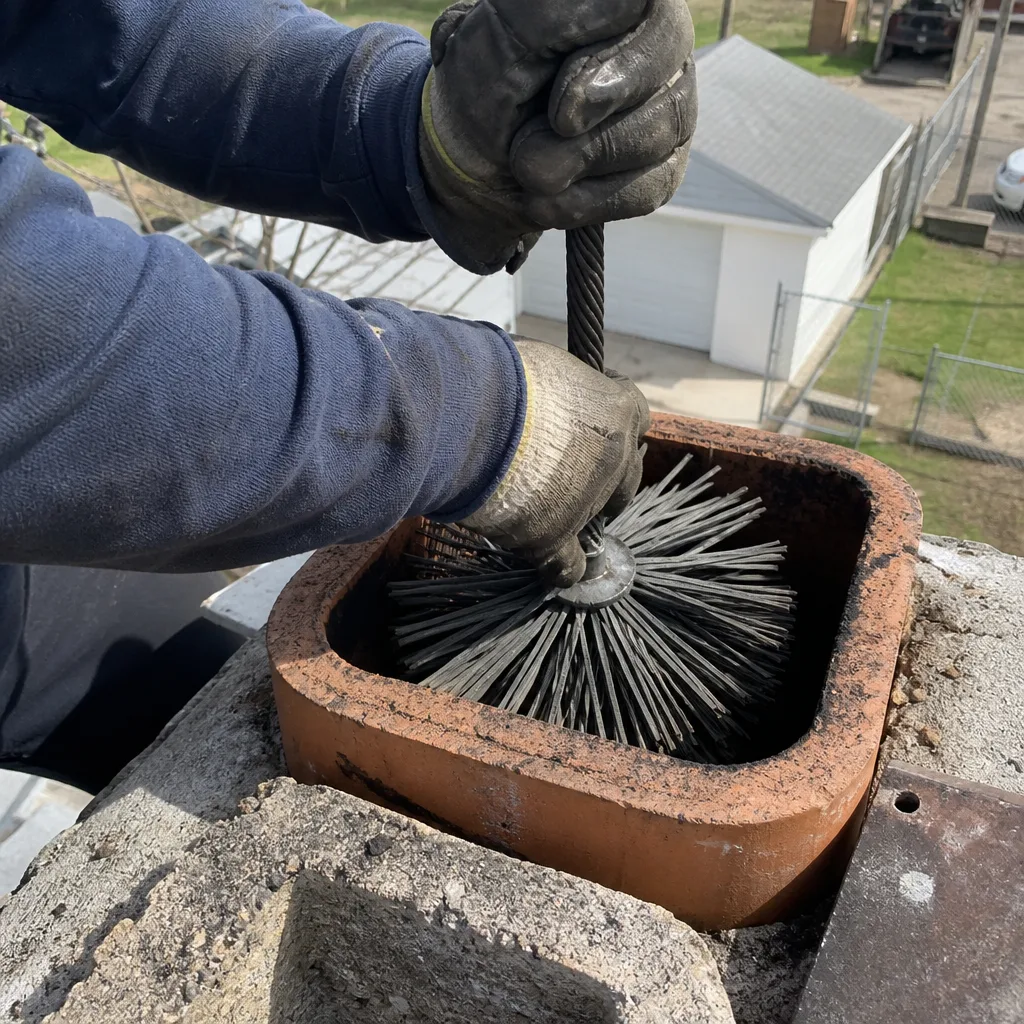
The DIY chimney cleaning debate is usually framed as cost vs. safety. The real variable is documentation. A self-cleaned chimney with no inspection record creates liability exposure that follows a property through its next sale and into any future insurance claim. This is particularly acute in Newark, where attached housing and multi-unit conversions are the norm, not the exception. If you clean your own flue and a chimney fire occurs, you have no signed inspection report, no camera footage of the liner before and after, no documented evidence that the flue was structurally sound when you used it. The insurance adjuster will ask for exactly that.
A professional sweep, when done to the NFPA 211 Level 2 standard, produces a record. The technician runs a camera down the flue. The footage is archived. The customer receives photos and a written inspection report that noted the liner condition, the creosote classification, the crown integrity, and any deficiencies that need monitoring or repair. That document is time-stamped. It carries a company name and license number. It is exactly what an insurance company, a buyer’s attorney, or a township inspector requests when something goes wrong.
Corrine Halstead, Owner at Level Two Chimney Newark, puts it plainly: “The cleaning is the smallest part of what a professional visit produces. The record is the asset. Nobody calls us excited about soot removal. They call because they need documented proof that their flue was safe on a specific date. That’s what we’ve been building since 2009.”
What a DIY cleaning cannot produce, regardless of skill or investment:
- A camera record of the full flue length - showing liner condition, cracks, missing mortar joints, or hidden offsets.
- A signed inspection report - the piece of paper an insurance claim or real estate transaction depends on.
- A documented creosote classification - the factual basis for recommending cleaning frequency and identifying fire risk.
- Evidence of code compliance - particularly for Newark’s older attached-row homes where flue conditions affect neighbors.
- A documented cleaning history - the chain of records that proves maintenance was performed consistently, not just claimed.
Clause 4 of the Haven Standard requires a photo record on every job. We built our entire Level Two Chimney Newark home practice around this because we saw early on that insurance adjusters and real estate attorneys don’t accept anecdotes. They accept files.
The Break-Even Math: Tools vs. a Professional Sweep
Most DIY guides skip the actual math. Let’s do it properly, in Newark dollars, because the break-even point is less favorable than most people assume once the equipment list is honest. For a detailed look at pricing, see our Chimney Cleaning Cost Breakdown: The Newark Homeowner’s Reference for 2026.
A proper DIY setup, not a cheap kit, looks like this:
- SootEater-style rotary brush kit: $75-$110
- Fiberglass or polypropylene rods (full set for a 25-foot flue): $50-$90
- HEPA shop vacuum (most homes don’t own one): $100-$180
- Drop cloths, tarps, painter’s tape, dust masks, gloves, goggles: $40-$70
- Ladder rated for roof access, if not already owned: $150-$300
- Chimney cap removal tool and new cap (the cap is usually worn): $60-$140
Total upfront: $475-$890 for a first-timer with no existing equipment. The per-year amortized cost depends on how often you clean, but the professional benchmark matters here. A standard chimney cleaning and sweep in Newark, done to the Level 2 standard with camera documentation and a written report, typically runs $200-$350 depending on flue height, creosote classification, and access difficulty. The professional visit includes the camera scan, the report, the photo record, and the warranty. The DIY visit includes none of those.
The honest break-even math: if you already own a ladder, a HEPA vacuum, and you clean twice a year for five years, the tools pay for themselves. But you still don’t own a camera record. You still don’t have a signed report. The tools are not the product. The documentation is the product. And documentation is not something a brush kit produces.
What most homeowners are actually paying for with a professional sweep is the verified condition of the flue. The soot removal is almost incidental. If your only goal is removing loose Stage 1 creosote from a straight, accessible, well-lined flue, and you’ve verified the condition by professional camera scan within the past 24 months, DIY maintenance makes sense. If you haven’t had that camera scan, you’re cleaning a flue whose condition you cannot see and cannot prove.
Newark-Specific Risk Factors That End DIY Eligibility
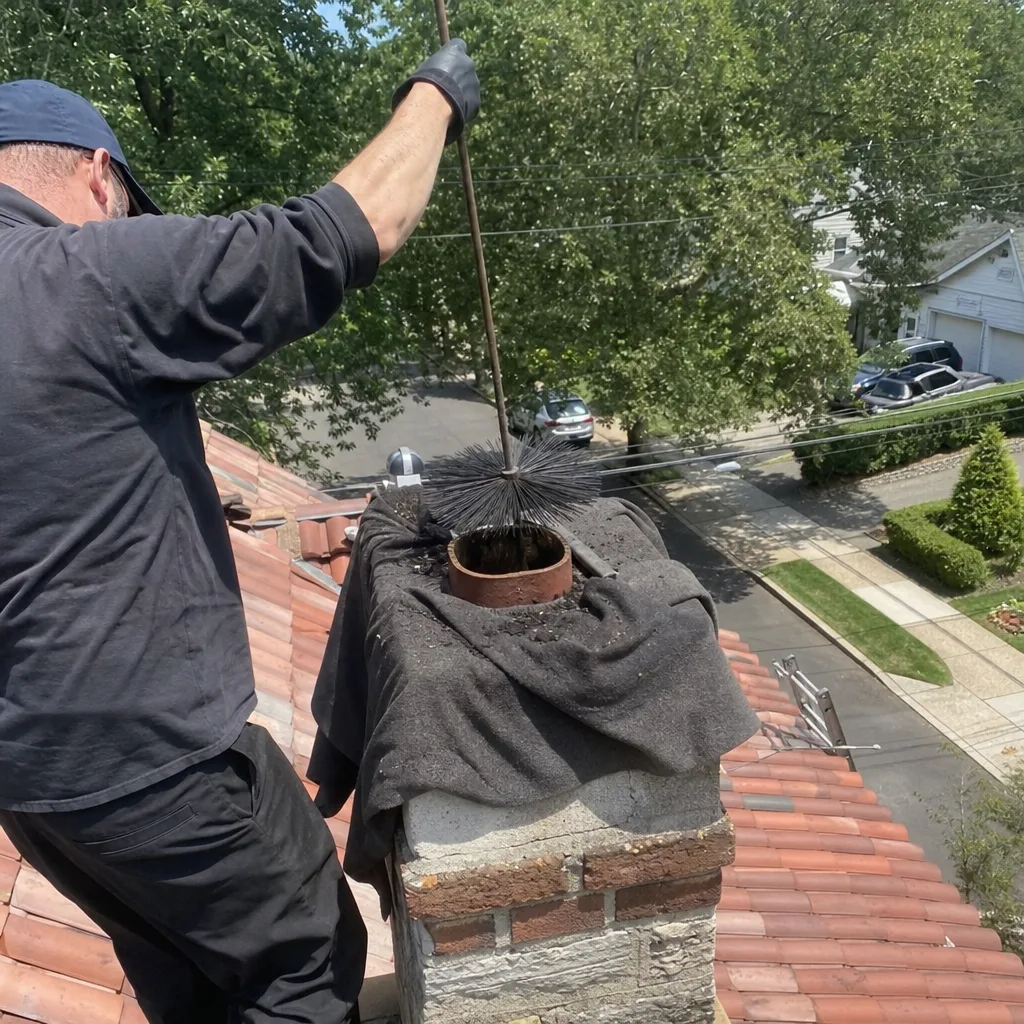
Newark’s building stock moves the needle on DIY eligibility more than almost any city in New Jersey. The age, density, and conversion history of the housing create specific conditions that most generic DIY guides never mention. Here’s what we’ve encountered repeatedly in Newark homes.
Shared flues in attached row houses. Much of the Ironbound, Forest Hill, the North Ward, and Weequahic consists of attached housing built between 1880 and 1940. Many of these structures originally had a single chimney serving multiple fireplaces across two or three floors. If you share a flue with another unit, you cannot legally or safely clean only your portion. A DIY cleaning on a shared flue can push creosote into a neighbor’s cleanout, block their venting, or miss the portions you cannot reach. Shared flue = professional required, every time.
Converted appliances. Newark has a long history of coal-to-oil-to-gas conversions. Many flues originally built for coal, then lined for oil, are now venting gas furnaces. A gas flue is a different animal from a wood flue. It requires inspection for proper sizing, condensation damage, and carbon monoxide backdraft risk. Cleaning a gas-vent flue with wood-burning brushes is a mismatch. If your flue vents anything other than a wood fire, you need a professional with the right equipment and the training to spot backdraft indicators.
Post-1987 liner installations. Homes with stainless steel liners installed after 1987 are a mixed bag. Some are in excellent shape. Many were installed by general contractors rather than chimney specialists, with improper sizing, missing insulation, or incompatible connections at the appliance. A liner is not a permanent fix. It’s a component with a service life. Only a camera scan can verify that a liner is still intact at the seams and properly connected. If you have a liner, you need a camera before you brush.
Pre-1940 masonry. Newark’s pre-1940 brick chimneys were built with lime mortar, not Portland cement. Lime mortar is designed to breathe and flex. It is also, by 2025, around a century old. The flue tiles inside these chimneys are frequently cracked, missing, or completely absent. Brushing an unlined 1920s flue can dislodge loose brick, collapse a section, or open a passage through which heat and gases move into the wall cavity. If your exterior brick shows spalling (the face of the brick popping off in flakes), stop and call a professional. Do not brush that chimney.
Newark’s climate. The freeze-thaw cycles in Newark are brutal on chimney crowns and caps. Water enters the crown, freezes, expands, and cracks the masonry. That water then runs down the flue and accelerates creosote buildup by cooling the flue gases faster. A DIYer cleaning a chimney with a damaged crown is solving the wrong problem. The creosote will return within months because the water entry hasn’t been addressed. Part of any professional visit is identifying whether the soot is the problem or a symptom of a crown, cap, or flashing failure.
The Hybrid Approach: DIY Maintenance Between Professional Inspections
The smartest structure for most Newark homeowners isn’t either/or. It’s a sequence. Professional inspection and cleaning establishes the baseline. DIY maintenance extends the interval. Professional inspection verifies again. This is the model most of our customers in the Weequahic and Vailsburg areas settle into once they understand what documentation actually does for them. For year-round maintenance timing, see our Seasonal Chimney Cleaning Care for Newark: Year-Round Homeowner’s Guide.
Here’s the hybrid structure, step by step:
- Year 1: Professional Level 2 inspection and cleaning. Camera down the flue. Written report. Photo record. You now know the liner condition, creosote classification, crown integrity, and any deficiencies. This establishes the baseline. Expect $200-$350 in Newark.
- Review the report with the technician. Ask directly: is this flue safe for DIY maintenance cleaning? If the answer is yes, ask what tools and brush size to use. A good technician will tell you honestly, because a safe customer with good records is a customer who calls back.
- Perform DIY maintenance cleaning as recommended. Use the brush size specified for your flue. Clean from the top or bottom according to your setup. Keep a simple log: date, what you did, what you saw.
- Keep the log. Not just in a drawer. A photograph of your log on your phone, plus the receipt for your brushes, plus notes on any blockages, animal nesting, or unusual deposits. This log is not a substitute for a professional report, but it shows maintenance continuity.
- Year 2 or 3: Professional inspection again. The camera scan verifies that your maintenance cleaning is working and catches anything you cannot see from the roof or firebox. If the report is clean, extend the interval. If it’s not, treat accordingly.
This structure gives you the cost advantage of DIY (fewer paid cleanings) while preserving the documentation chain that protects your insurance claim and your resale position. The professional baseline is the asset. The DIY maintenance is the maintenance.
For Newark homeowners who have never had a camera scan, the first professional visit is not optional. It’s the diagnostic that tells you whether DIY is even on the table. Attempting DIY maintenance without a baseline camera scan is flying blind. You might remove the creosote. You will definitely not know what you didn’t see.
Our Chimney Cleaning & Sweep in Newark page covers exactly what a standard visit includes and what the report documents.
Records That Matter: What to Keep and Why
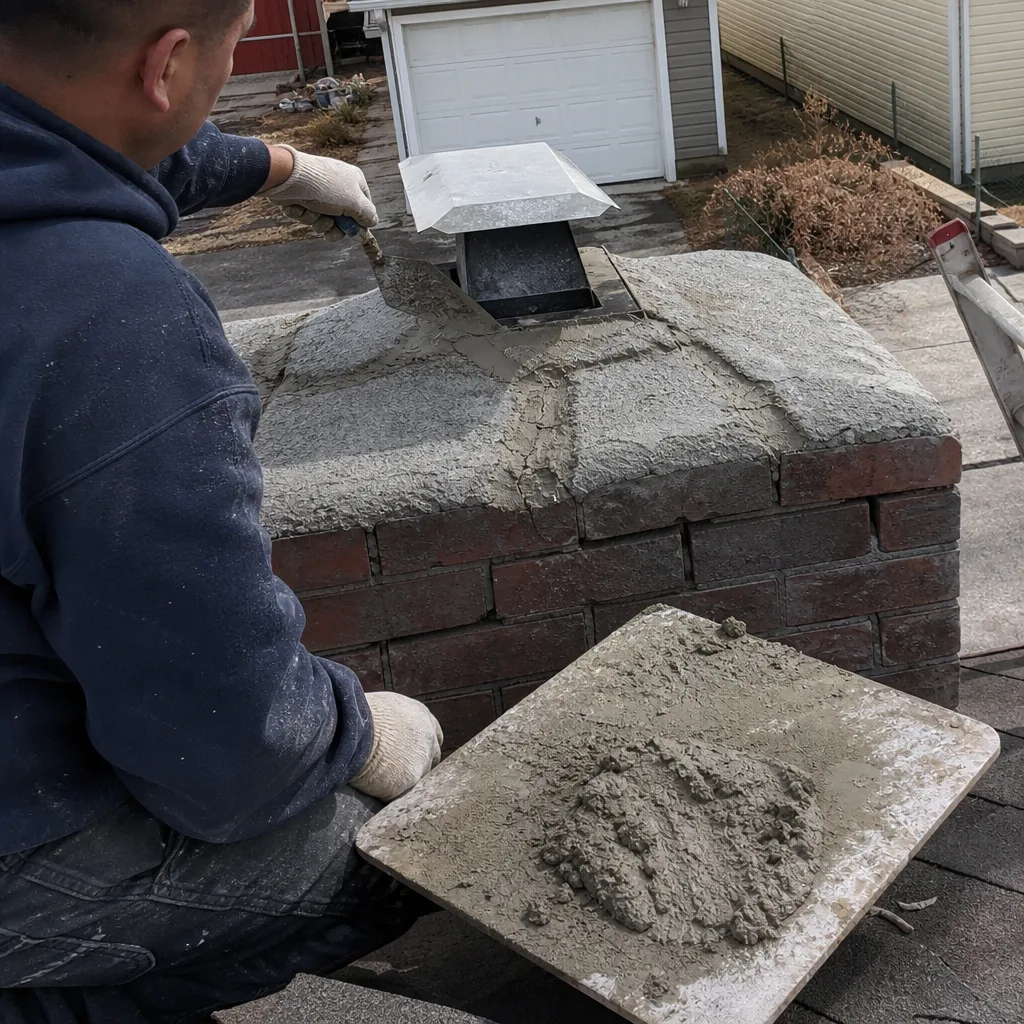
If you take one practical thing from this guide, take this: the documentation chain is not optional in Newark’s real estate and insurance environment. Here’s what to keep, in what form, and why each piece matters.
The professional inspection report. This is the primary document. It should include the date, the company name and license number, the technician’s name, the scope of work, the creosote classification, the liner condition, and any recommended repairs. Keep the original. Also keep a digital copy. When a buyer’s attorney asks for the chimney history, this is what you send.
The photo or video record. Any professional working to the Level 2 standard will provide before-and-after images or camera footage. Save these files. They are evidence of actual condition at a specific time. When an insurance adjuster questions whether damage was pre-existing, the photo record answers that question.
Your DIY maintenance log. A simple notebook entry with the date, what you did, what you observed, and any brush size or product used. It proves continuity between professional visits. It will not satisfy an insurer as a standalone record, but it strengthens a claim when paired with professional reports.
Repair receipts. If you’ve had a liner installed, a crown rebuilt, a cap replaced, or any masonry work done, keep the receipt and the warranty. Newark homes change hands, and the next owner will want the history. We source materials from DuraFlex, HeatShield, and Copperfield specifically to keep customer prices honest, and those warranties run with the materials themselves.
Correspondence with insurance. If your insurer has asked about the chimney, save the email or letter. If they’ve required a cleaning, keep that requirement with the report that fulfilled it. This is the documentation that protects you when a claim is contested.
The pattern here is that documentation only matters when something goes wrong. By the time something goes wrong, it’s too late to create it. The 38,000-plus inspections we’ve completed since 2009 all produced these records. That’s the point. The record is not a nice-to-have supplement to the cleaning. It is the reason the cleaning has value.
Common Mistakes to Avoid
- Buying a brush kit without measuring the flue first. A brush that’s too small doesn’t clean effectively. A brush that’s too large can lodge in the flue, and extracting it costs more than a professional cleaning would have cost in the first place. Measure the inner diameter, not the outside of the chimney.
- Attempting a cleaning on an unlined or pre-1940 masonry chimney. Newark is full of these. Brushing a century-old unlined flue can dislodge brick, collapse a section, or open a pathway into the wall. If you don’t know the liner status, don’t brush.
- Skipping the camera scan before starting DIY maintenance. Cleaning a flue whose condition you’ve never seen is the definition of flying blind. A camera scan is a $200-$350 baseline that tells you whether DIY is safe at all.
- Cleaning a flue that vents a gas or oil appliance with wood-burning tools. Different fuels produce different deposits and require different inspection priorities. Mismatched equipment produces a false sense of safety.
- Treating creosote removal as the whole job. The creosote is often a symptom. A cracked crown, a missing cap, a damaged liner, or water entry are the causes. Remove the creosote without fixing the cause, and it returns within months.
- Assuming attached housing flues are separate. In much of Newark’s row-house stock, they aren’t. Shared flues require professional handling at every stage, from cleaning to repair.
- Discarding inspection reports after buying the home. The previous owner’s records are the baseline for your chain. They prove prior condition, prior repairs, and prior maintenance. Rebuilding that chain from scratch is expensive when a sale or claim depends on it.
When to Call a Professional
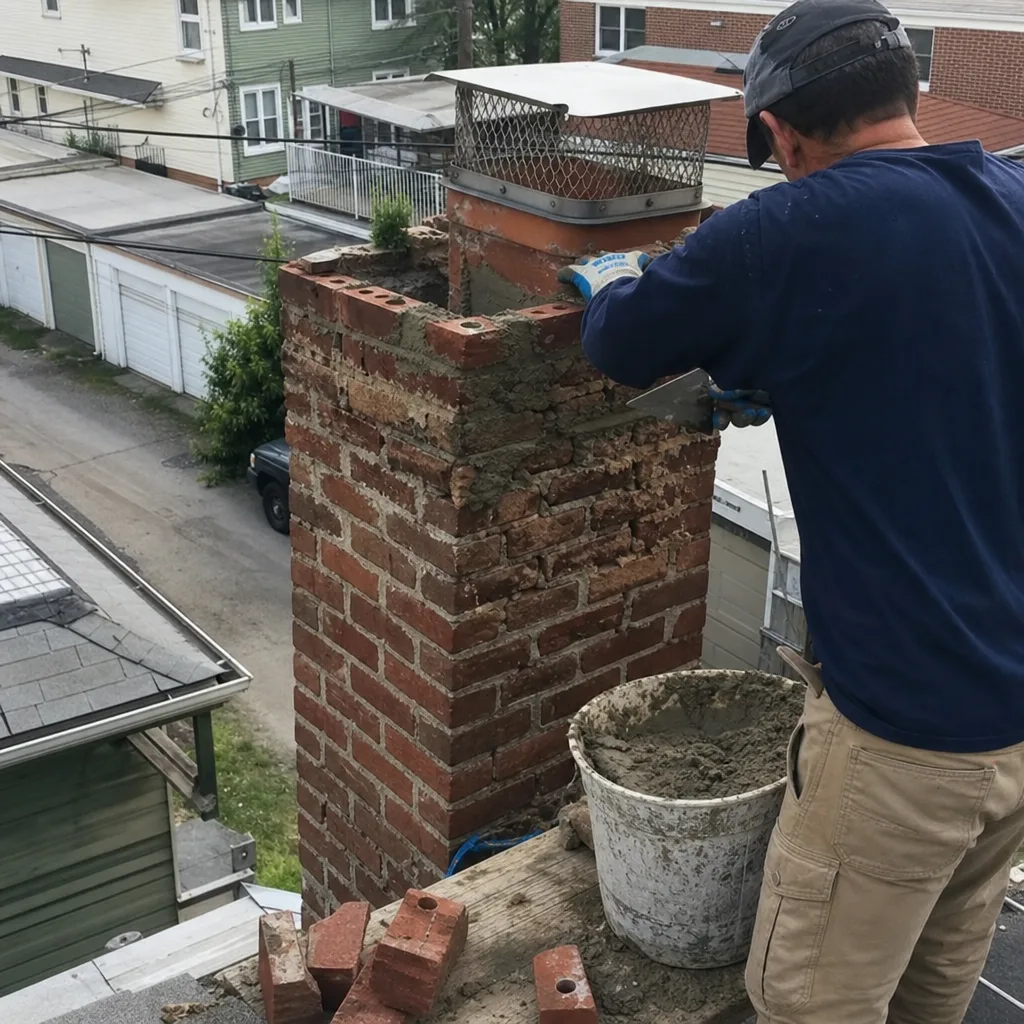
Call a professional if your Newark home has any of the following: a shared flue in an attached row house, an oil or gas appliance venting into the flue, a pre-1940 masonry chimney with unknown liner status, a stainless steel liner installed more than 15 years ago, visible spalling on exterior brick, a chimney cap that’s missing or damaged, a history of chimney fire, or an insurance company that has requested a documented inspection. Also call if you’ve never had a camera scan and genuinely don’t know what’s inside your flue. That single scan is the difference between informed maintenance and guesswork. Level Two Chimney Newark offers free estimates in Newark - call (862) 245-4309. Our Chimney Repair in Newark team handles repairs identified during any inspection, and our Fireplace Services in Newark cover the full range from liner work to full rebuilds.
Frequently Asked Questions
A standard chimney cleaning and sweep in Newark typically costs $200-$350, depending on flue height, creosote classification, and access difficulty. That price includes a camera scan to NFPA 211 Level 2 standards, a written inspection report, and a documented photo record. If your chimney has Stage 3 creosote, a heavy glaze that requires mechanical removal, the price may run higher. Call (862) 245-4309 for an exact quote - estimates are free.
Yes, DIY chimney cleaning is legal in New Jersey. There is no state law requiring a licensed professional to clean a residential chimney. However, legality is not the same as advisability. Newark’s older housing stock, shared flues, and insurance documentation requirements make professional inspection the baseline for most homes, with DIY maintenance filling the intervals.
The National Fire Protection Association recommends cleaning when creosote buildup reaches 1/8 inch, and an annual inspection regardless. In practice, Newark homeowners who burn wood regularly typically need a professional cleaning every one to two years, with more frequent attention for older masonry chimneys or high-efficiency inserts that produce cooler flue gases and faster creosote accumulation. Call (862) 245-4309 to schedule a camera-scan inspection and get a specific recommendation for your flue.
You need a camera inspection. A visual look from the firebox or the roof shows only the top and bottom few feet of the flue. The middle 80 percent, where cracks, separations, and hidden blockages occur, is invisible without a camera. Clause 4 of the Haven Standard requires a photo record on every job for exactly this reason. If a company offers a “flashlight inspection” and calls it sufficient, you are not getting a real inspection.
Maybe, but only after a professional camera scan confirms the liner is intact, properly sized, and correctly connected at both ends. Many stainless liners in Newark homes were installed by general contractors who made sizing or connection errors. Brushing a damaged or poorly connected liner can worsen the problem. Get the baseline scan first, then ask the technician directly whether your specific chimney is safe for DIY maintenance.
Creosote builds in stages. Stage 1 is loose and brushable. Stage 2 is darkened and hardened. Stage 3 is a dense, glossy glaze that requires mechanical removal and burns hot enough to crack flue tiles at roughly 2,000 degrees. A chimney fire in Stage 3 creosote can spread into the structure through cracks, and because Newark’s older homes often have unlined or under-sized flues, the risk accelerates faster than in newer construction. The records you don’t have make the insurance claim you can’t file. Call (862) 245-4309 for a free estimate and a documented baseline.
The Bottom Line
DIY chimney cleaning works for a narrow, specific scenario in Newark: straight flue, wood-burning only, liner verified by camera scan within the last two years, single-story access, and a homeowner who understands the limits. What no DIY approach can produce is the documentation that protects a Newark homeowner when a chimney fire, an insurance claim, or a resale inspection happens. The camera record, the signed report, the documented liner condition, the written warranty: these are the assets a professional visit creates. The cleaning is almost incidental. Get the baseline inspection. Then decide whether DIY maintenance fits your flue.
Written by Corrine Halstead, Owner at Level Two Chimney Newark, serving Newark since 2009.