
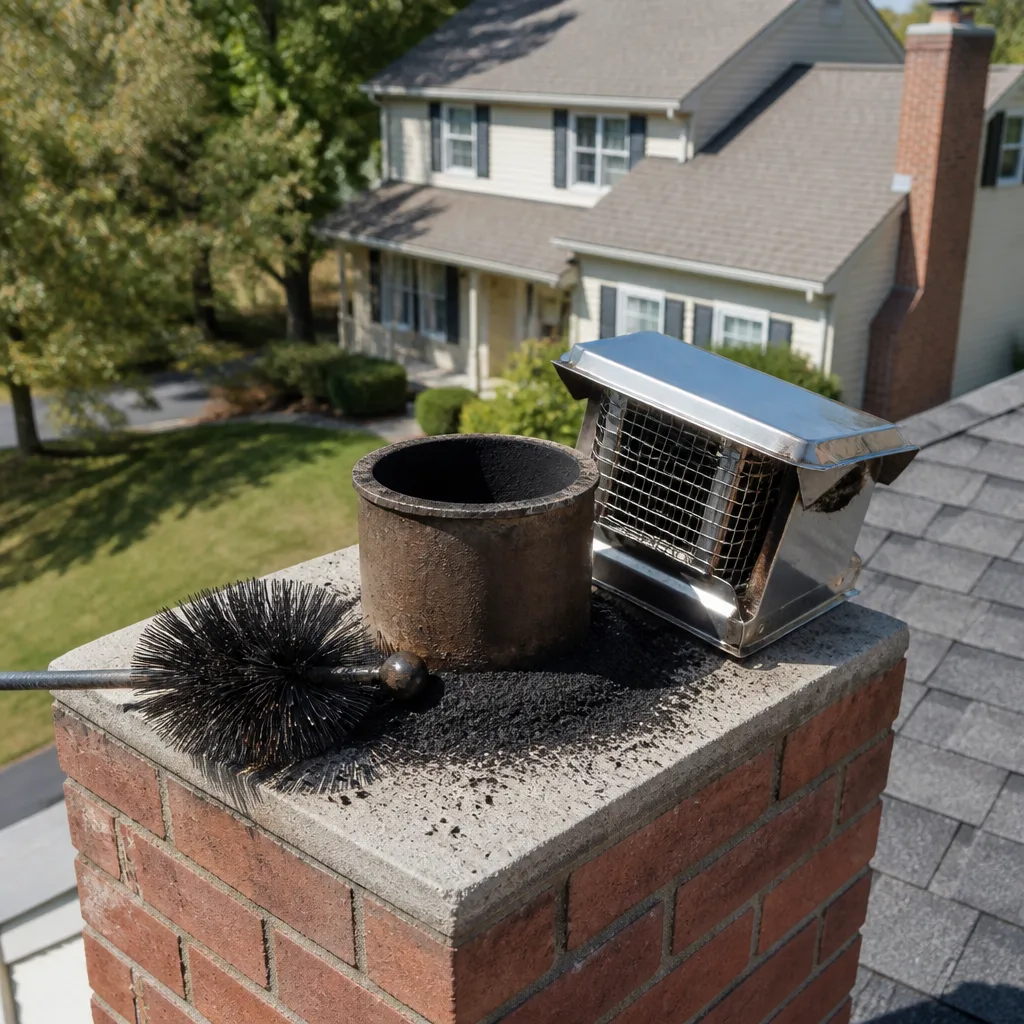
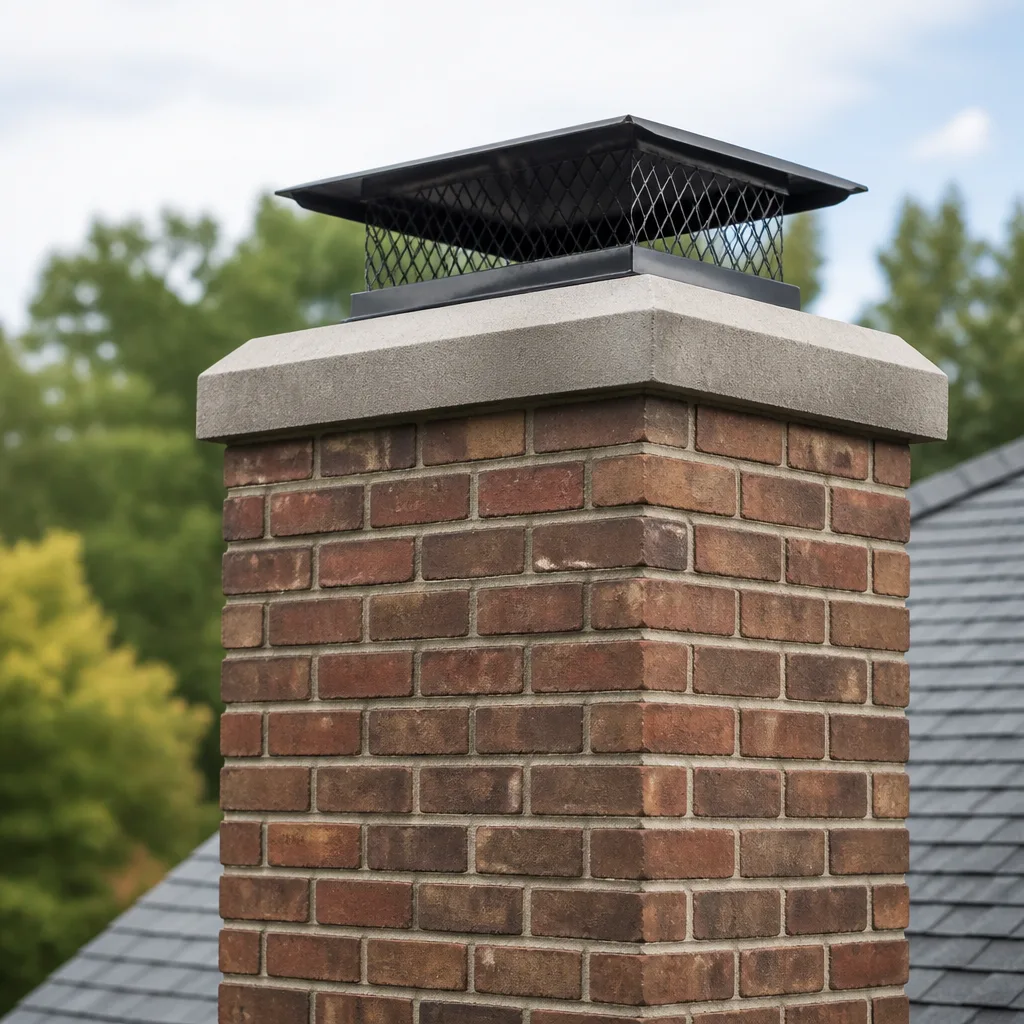
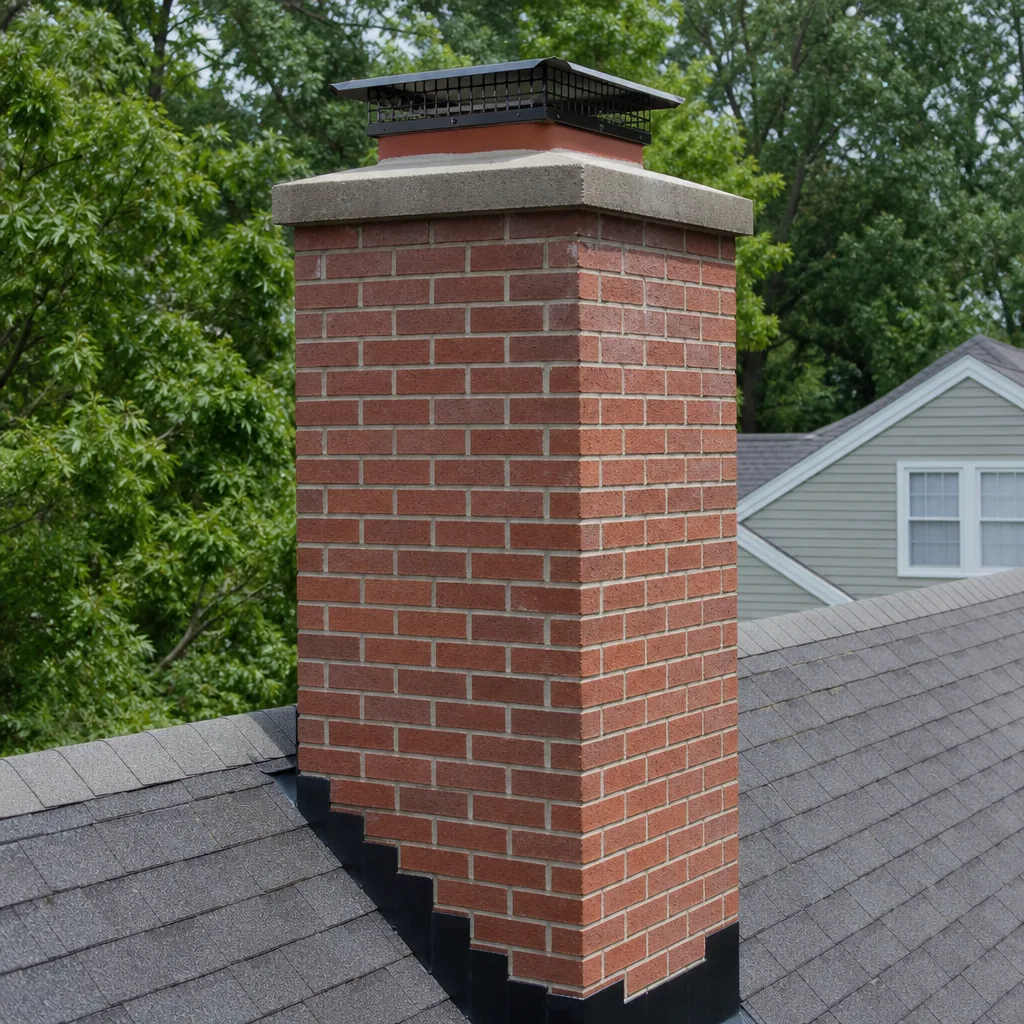
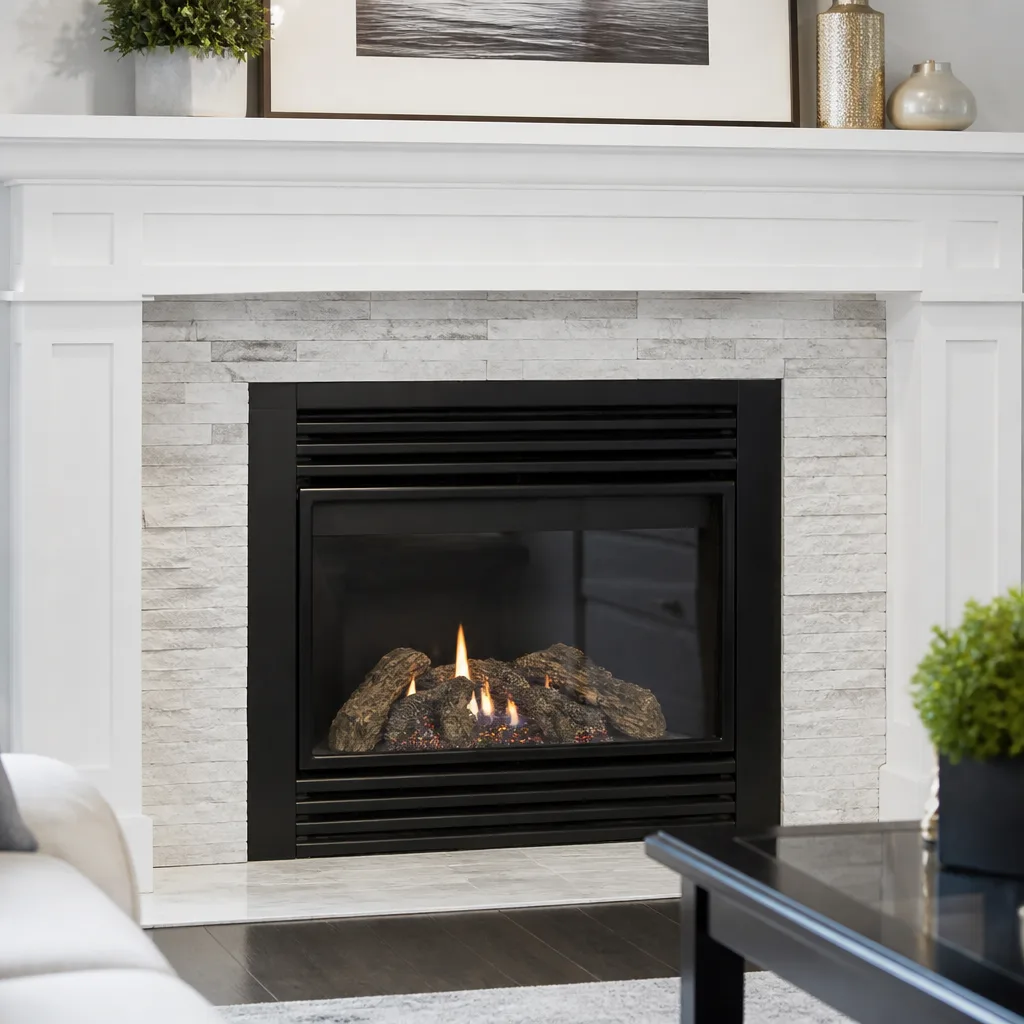
Level 1 sweep and inspection to the NFPA 211 annual standard - flue, crown, cap, and flashing checked and photographed
Chimney sweep logs do not sweep chimneys. They loosen some creosote - which then falls where a brush and vacuum still have to collect it.
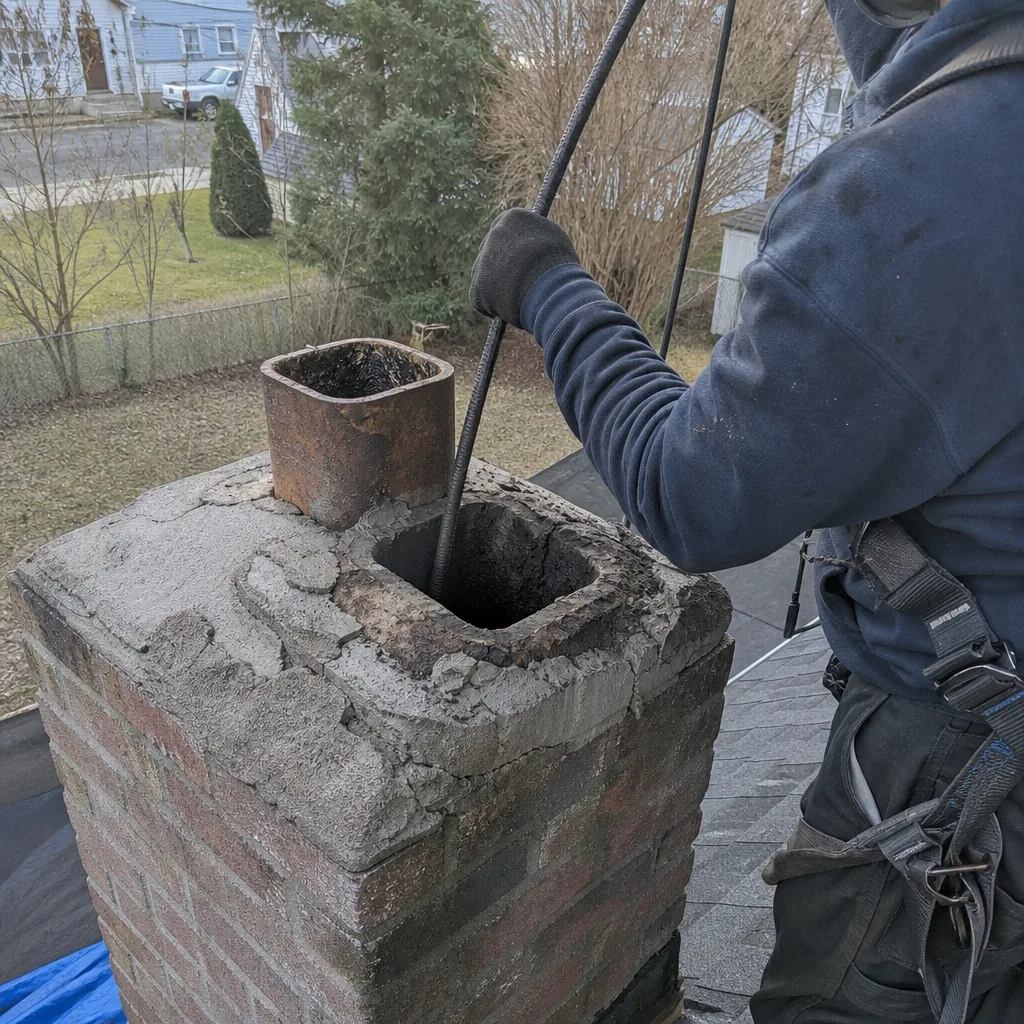 Before
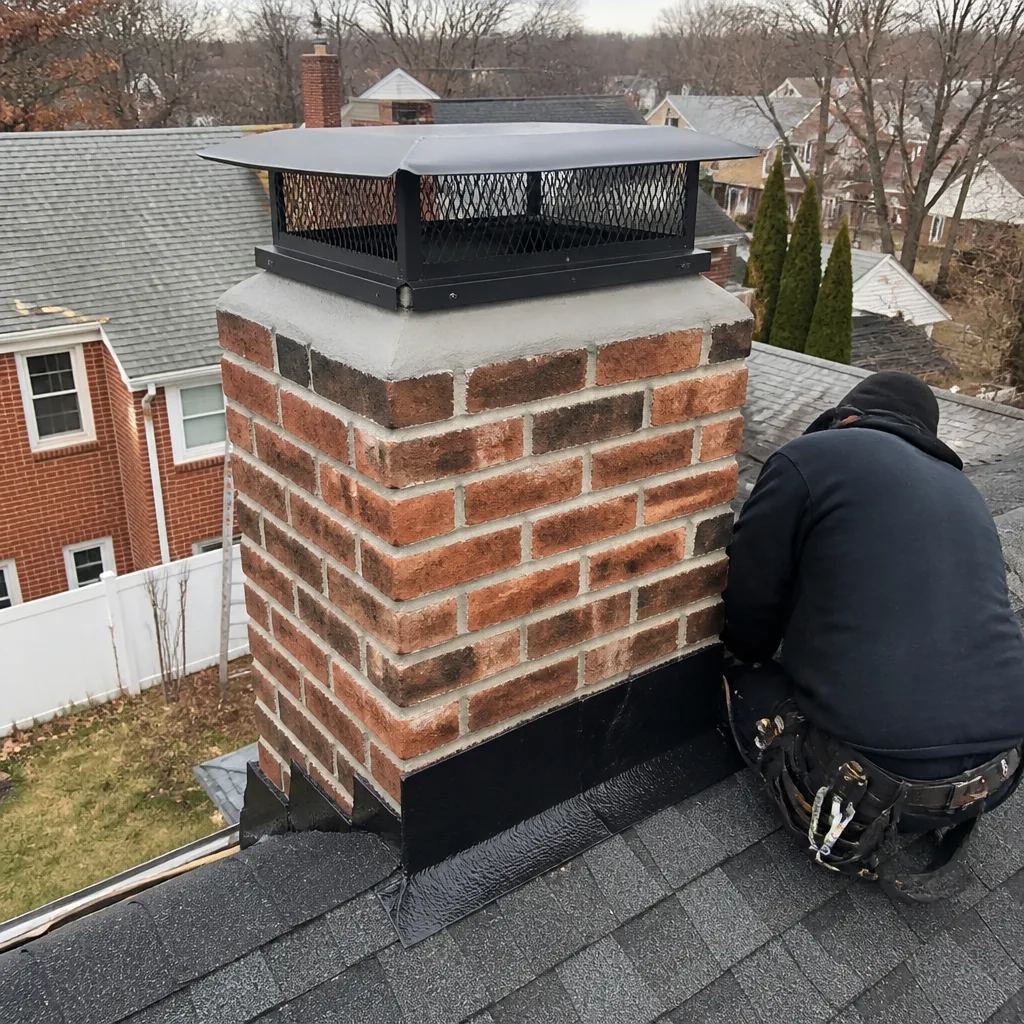 After
After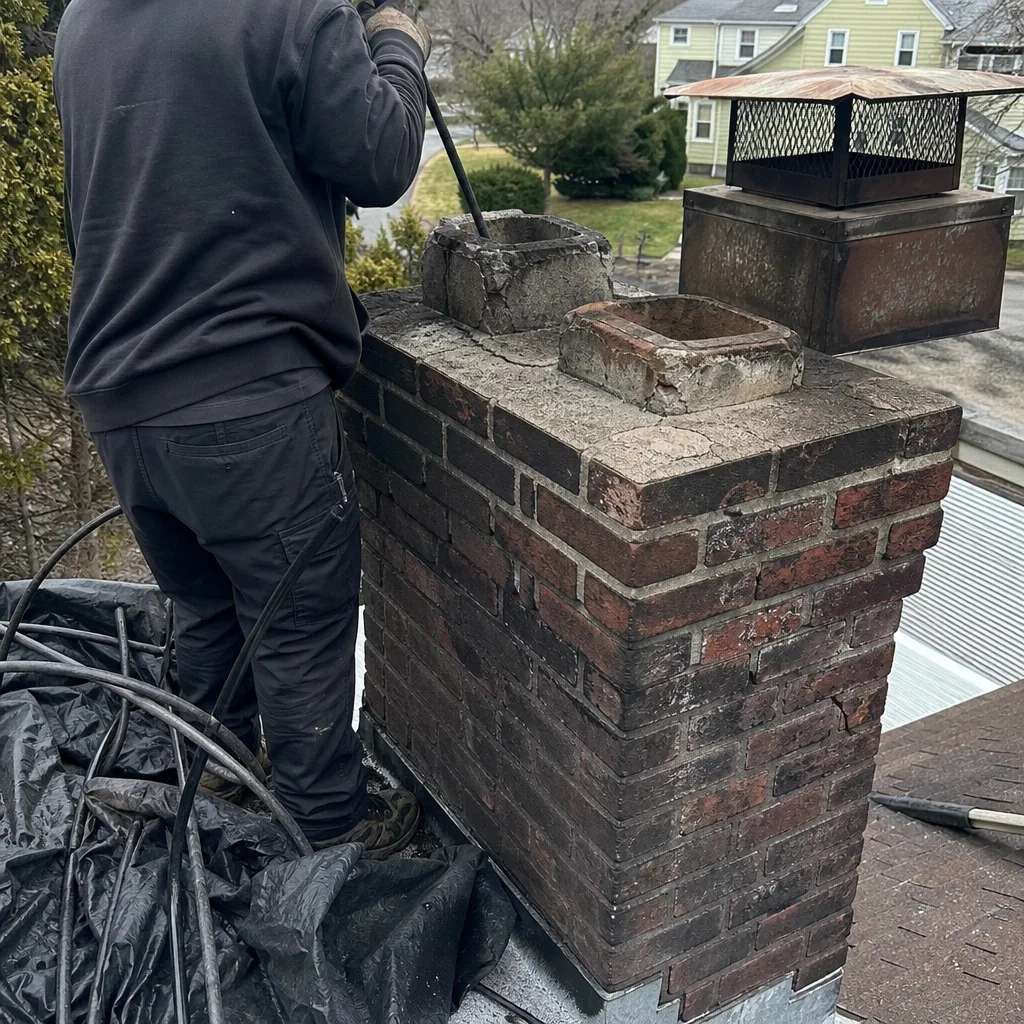 Before
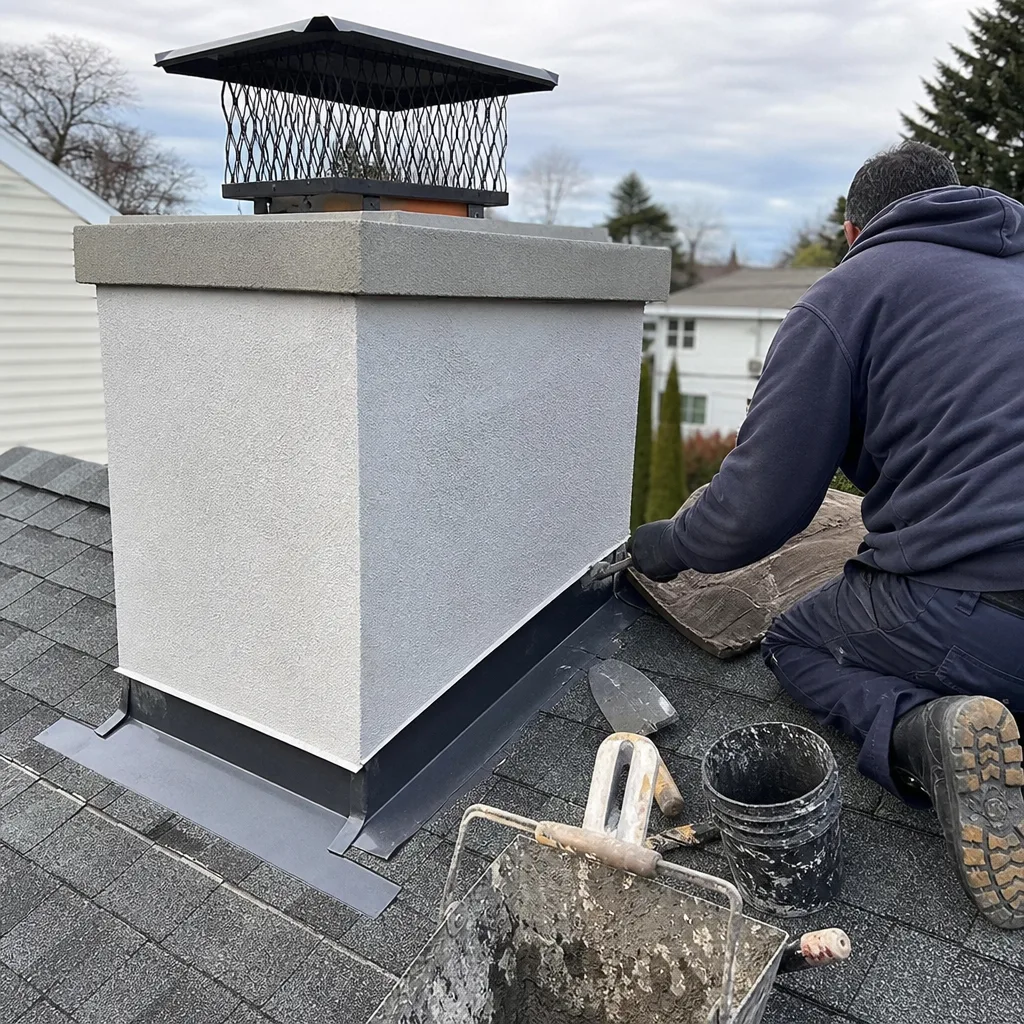 After
After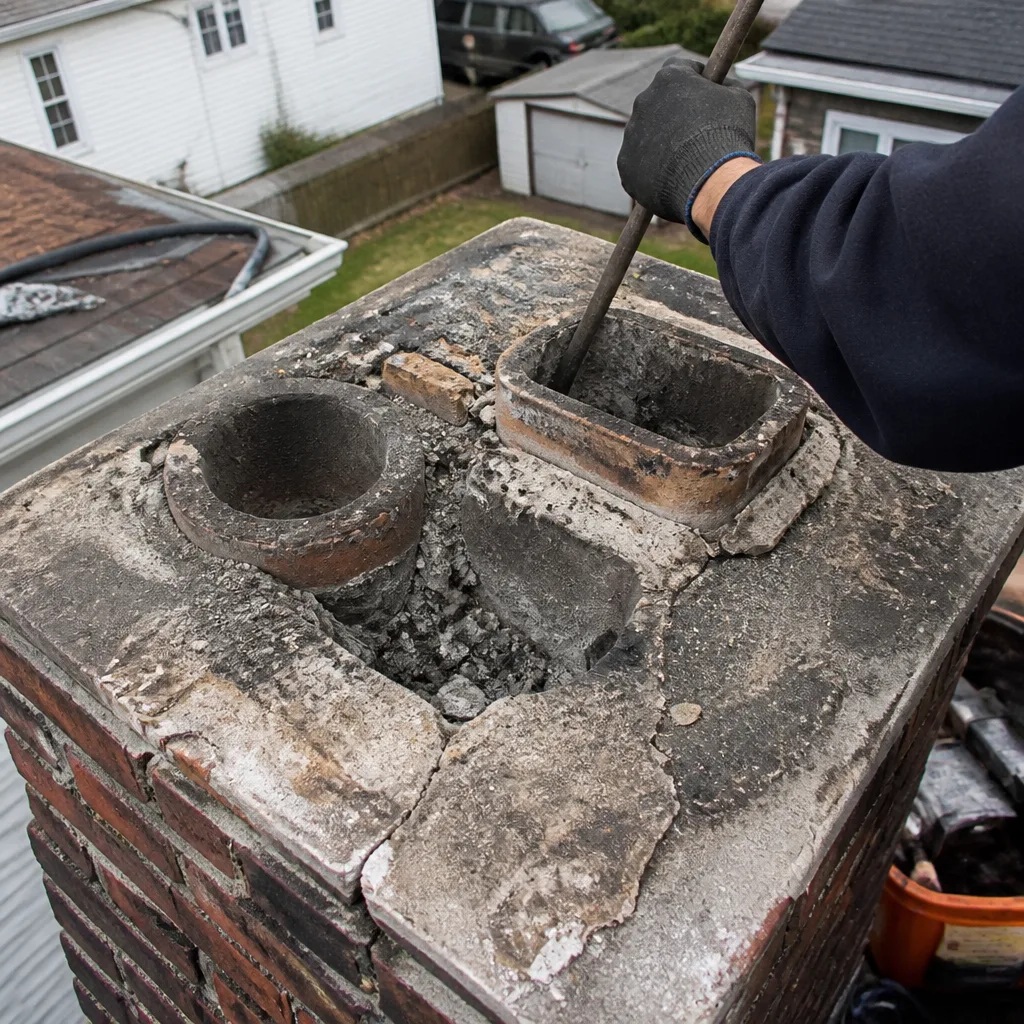 Before
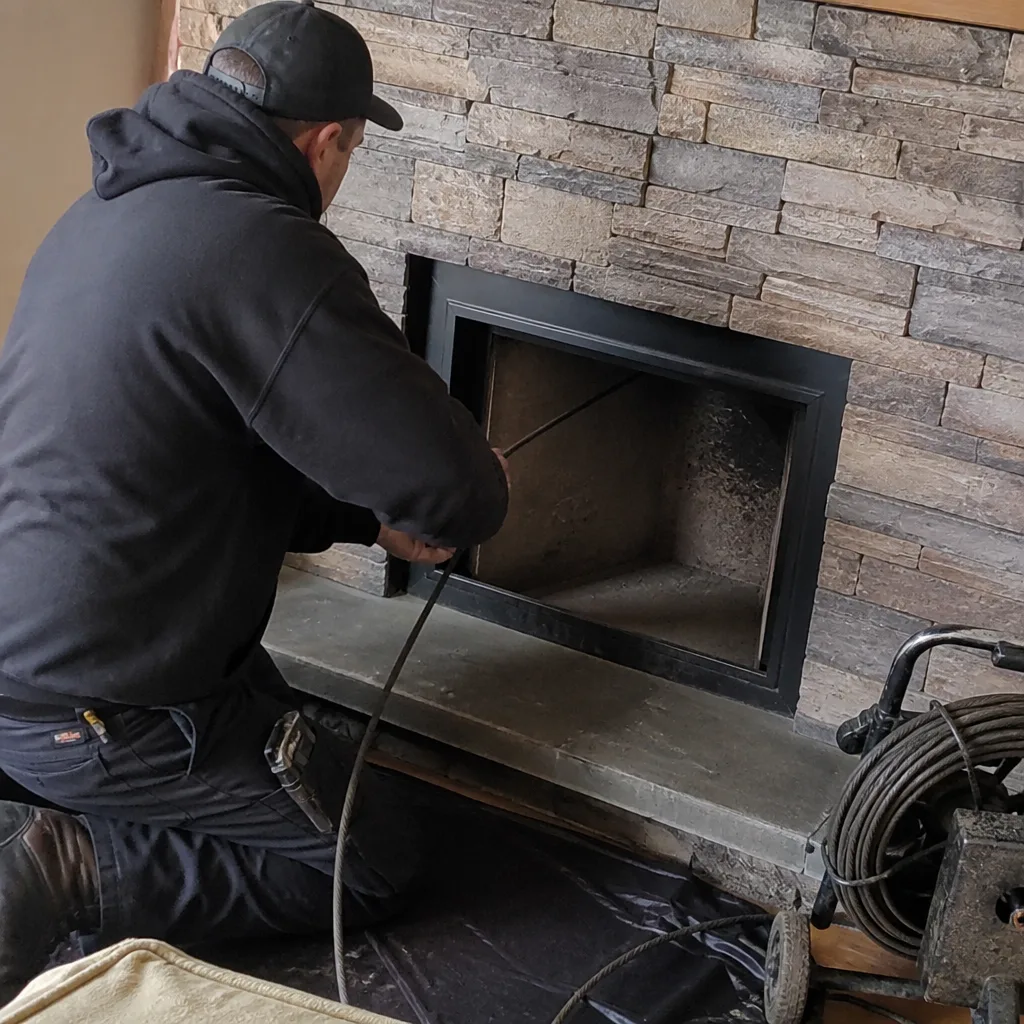 After
AfterHeatShield Chimney Cleaning & Sweep in Newark: What to Know First
HeatShield chimney cleaning and sweep in Newark typically costs $189 to $389 for a standard cleaning with the camera-scan inspection included at no additional charge, and most visits are completed in about an hour and a half. We are an independent HeatShield service provider, not a manufacturer-authorized dealer, which means we will tell you when a HeatShield liner is doing its job and when it is not, and we’ll show you the photos either way. If you own a HeatShield liner or resurfacing system, this page is for you. Call (862) 245-4309 for a written estimate before we book a single appointment.
Quick version: HeatShield is a cerfractory foam sealant that gets pumped through your flue and troweled into smoke chamber joints. It works well when the install is clean and the surrounding masonry is sound. It works poorly when the original clay liner behind it is spalling, when water keeps getting in through the crown, or when the installer skipped proper prep. We see all three in Newark, especially in older row houses near Branch Brook Park where the chimneys date back before indoor plumbing. You need a sweep and a camera inspection once a year, same as any other liner. The difference with HeatShield is that the camera work tells you whether the liner itself is holding up or hiding a problem behind it.
Key Takeaways:
- HeatShield cleaning in Newark runs $189 to $389 with the NFPA 211 Level 2 camera inspection included.
- We are an independent HeatShield service provider. We do not sell the product. We inspect, clean, and repair it.
- HeatShield failures are usually a prep problem (the clay liner behind the foam), a water problem, or install gaps at the top or bottom of the flue. The camera finds all three.
- You get a written price, written scope, and photo record on every job. Clause 4 of the Haven Standard has required the photo record since 2009.
How HeatShield Products Fail - and How We Fix Them
HeatShield is a product line we understand because we have pulled cameras through hundreds of feet of it in Newark. Here’s what actually goes wrong, and what we do when it does.
- Gaps at the flue top and thimble (common with HeatShield’s original Cerfractory Flue Sealant and Joint Repair System). The foam is pumped from the bottom up or top down, and if the pumping pressure drops before the material sets, you get voids at the top three feet of the flue. We see this on about a third of the HeatShield liners we camera in older Newark homes. The symptom is a cold spot on the flue wall during your burn season and accelerated creosote in that section. Our fix is to document the void on camera, measure its depth with a draft gauge reading before and after a top-down re-application where needed, and clean the affected section so it stops trapping soot.
- Creosote buildup locked into the aggregate texture (HeatShield’s Cerfractory Resurfacing Compound). A refreshed HeatShield surface is not glass-smooth like stainless. The aggregate finish grips creosote harder than a clay tile would. In Newark, with shorter shoulder seasons and a lot of oak burned in older open fireplaces, we see Class II and occasional Class III creosote forming a season faster than on a steel liner. The fix is mechanical: a poly brush run through slowly to break the glazed surface, then a second pass to pull the loosened material down. Chemical logs do not remove Class II or III creosote from a HeatShield surface. If you burn heavily, plan for a clean at the end of every season, not every other one.
- Moisture migration behind the resurfacing layer due to a failing crown (seen on HeatShield’s Smoke Chamber Repair System installs). The smoke chamber gets a troweled HeatShield parge over the existing brickwork. If the crown above is cracked, water moves down through the brick and eats at the bond between the parge and the original masonry. You’ll see a widening seam with a whitish bloom. The camera lens shows the parge pulling away in sheets. Our fix is not to patch the parge and call it done. It’s to address the crown first, then re-bond the smoke chamber surface. A one-year Ohio winter with a drifting snowfall will separate a bad parge in two seasons, and we would rather tell you before the flue tiles start moving.
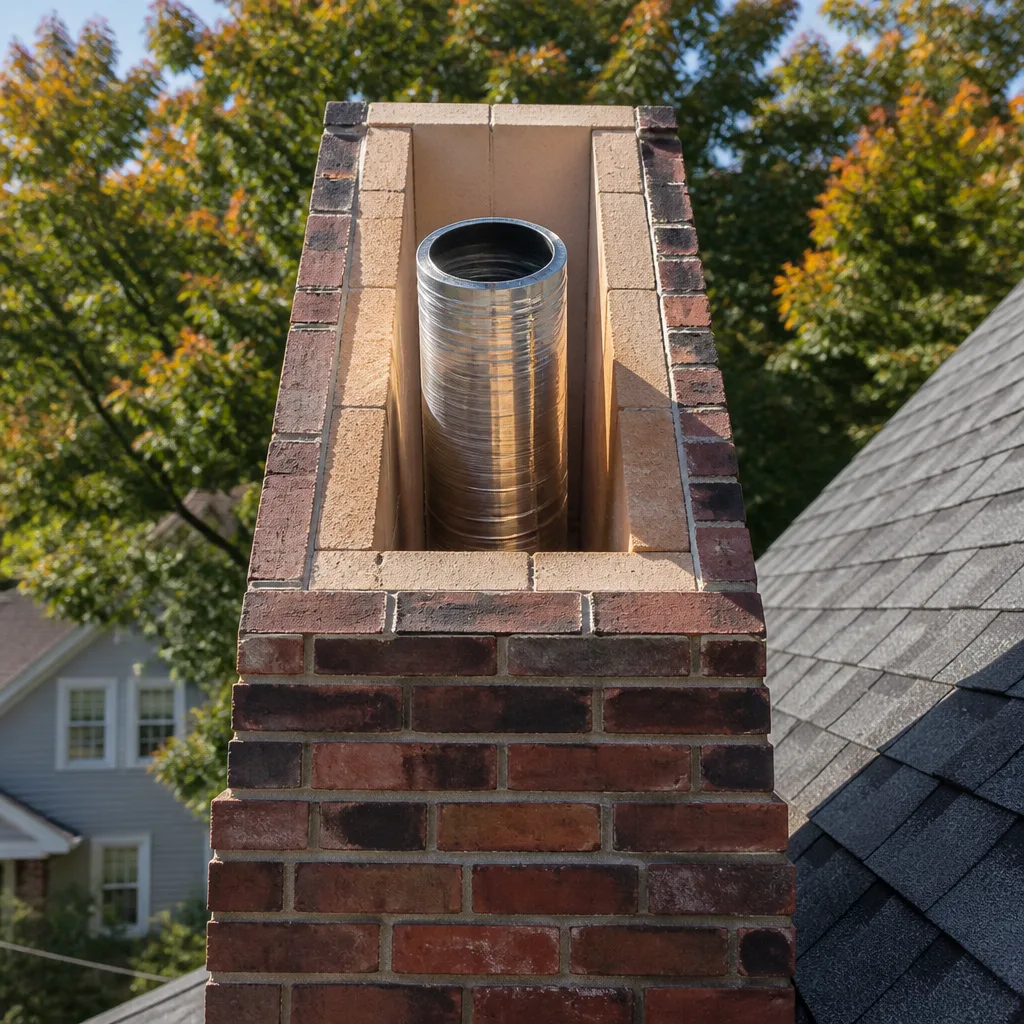
- Spalling clay tile behind the HeatShield barrier (legacy liners in pre-1950 Newark row houses). The product can coat over a damaged clay tile, but it cannot hold a crumbling tile in place. The camera shows flat gray walls, then a section where the underlying tile has shifted, leaving the HeatShield coating cracked and bulging. The fix is not to add more HeatShield. It’s to shore up the tile or sleeve a stainless liner behind the HeatShield. We will show you the screen shot and we will say it plainly: this liner is done. You then make a decision based on a written quote, not a verbal warning.
- Overly thick single-pass application from a rushed install (any HeatShield system). We can spot a heavy-handed install on camera before we brush anything. The wall thickness varies from quarter-inch to over an inch, and thick sections hold heat longer and cool faster, causing micro-cracks that collect soot. We will note the uneven profile in your photo record and measure the thinnest section. If the structural integrity is still sound, our cleaning process is gentler: a lighter brush pass and a hand-scrape at the anomalies, never a rotary head run at full speed, which could break off chunks of a too-thick liner.
Our HeatShield Chimney Cleaning & Sweep Process
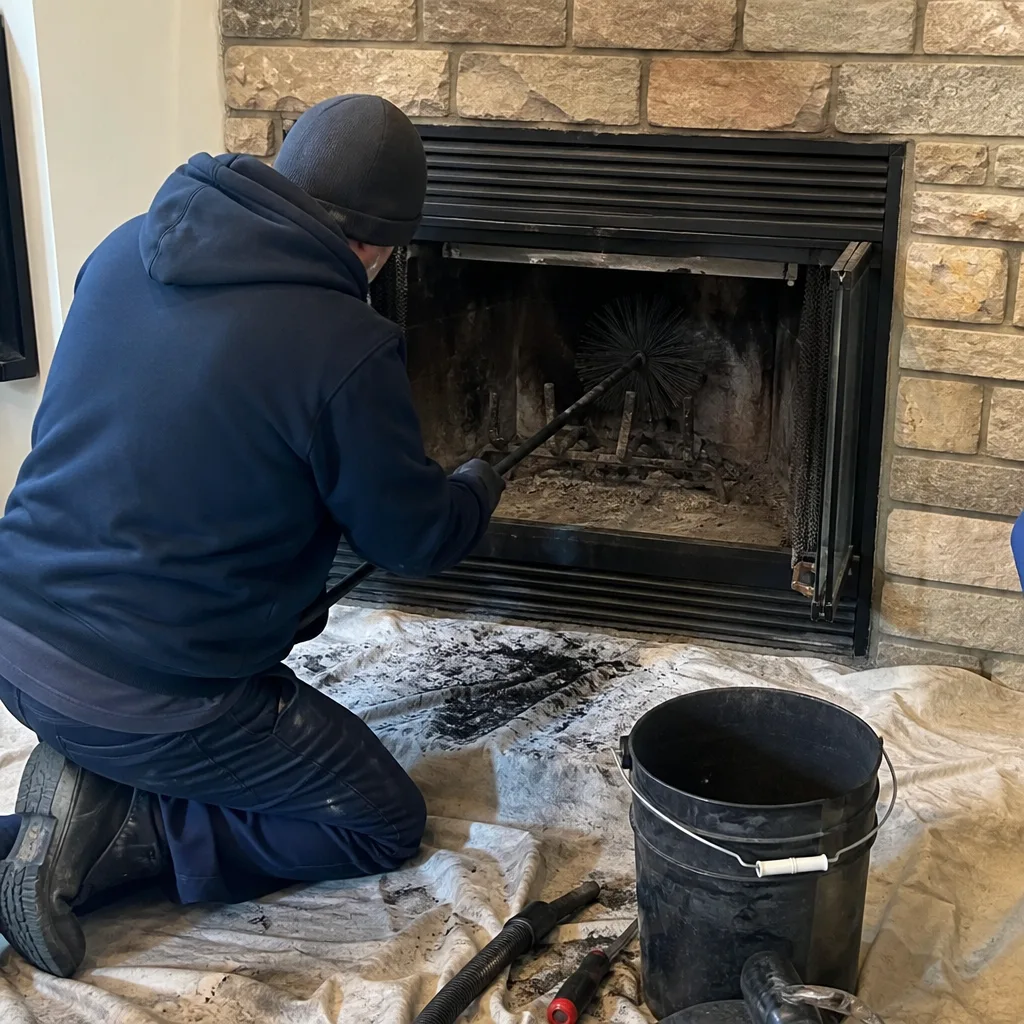
Here’s how a HeatShield job runs from the first call to the last sweep on our Newark route.
- 1
You call, a person answers. Not a voicemail, not a callback form. We take your details, your address, and your chimney’s history, and we text you the tech’s name and a two-hour arrival window when we schedule it.
- 2
The tech arrives and covers the work area. Uniformed, background-checked, and licensed. We lay drop cloths, set up the HEPA vac, and start the draft gauge reading before touching the flue.
- 3
Camera down the flue, first pass. NFPA 211 Level 2 as our standard. We record the whole run, note the HeatShield’s condition, measure any cracks or voids, and flag any water staining at the breach or the smoke shelf.
- 4
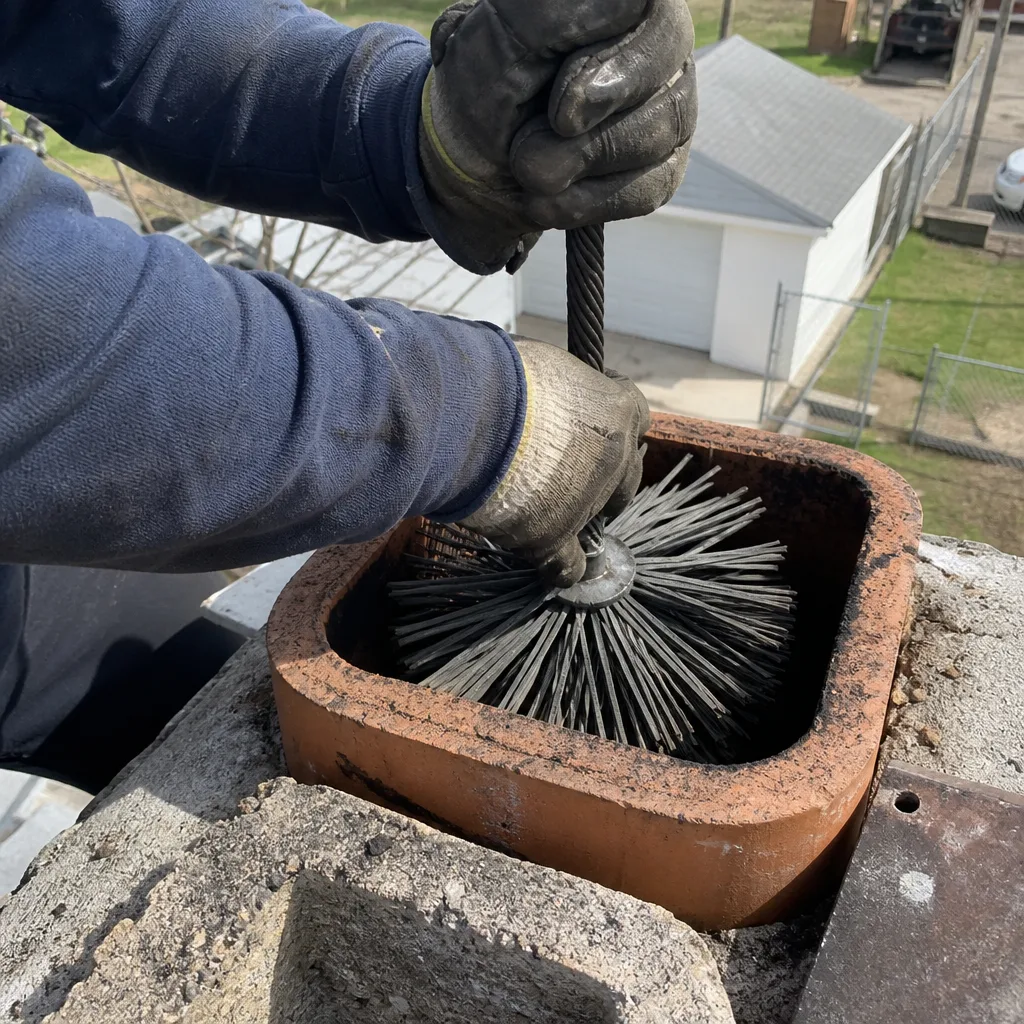
The cleaning itself. We brush to the liner’s condition, not to a fixed schedule. Poly brush at a steady speed most of the time. Hand scraping where the HeatShield shows uneven thickness. HEPA vacuum runs continuously and we keep a second vacuum sealed at the fireplace opening.
- 5
Camera back down, second pass, then the written record. We show you the before and after on the spot. The same screen, the same camera. What we found, what we did about it, what still needs watching. Then the written price if any repair is needed. Nothing verbal-only.
- 6
Documentation and the 365-Day Done Right Promise. You receive the photo record, the draft gauge notes, the written scope, and the written warranty. If we miss something, we make it right within 365 days. That’s stamped on the paperwork.
The camera doesn’t negotiate - it just shows what’s there. That’s the standard Corrine Halstead set when she started on this route, and it holds for every HeatShield flue we touch in Newark.
BeforeAfterWhat HeatShield Chimney Cleaning & Sweep Costs in Newark
Here’s the honest pricing. We quote a written range before any appointment is booked, and every job gets a line-item price before work starts. No surprises, no upsell after we’re on your roof.
| Service | Price Range in Newark | Notes |
|---|---|---|
| Standard HeatShield sweep with camera scan | $189 - $289 | Covers open fireplace and most gas log setups. Level 2 camera scan included. |
| Heavy creosote removal (Class II to III) | $289 - $389 | Second brush pass, hand scrape on glazed areas, added vac time. |
| HeatShield smoke chamber parge repair (spot) | $450 - $900 | Only where the underlying masonry is sound. We will not parge over spalled brick without flagging it. |
| Full HeatShield liner replacement or significant repair | $2,900 - $5,800 | Written line items, photo documented. We pull permits where needed and give you the option of a stainless sleeve over re-application. |
What moves the price: two-story height and roof pitch, the creosote class we find on the first camera pass, and whether the flue takes one hour to brush or three. Water damage inside the smoke chamber runs the bill up fast, and we will show you why on screen before you spend anything. Call (862) 245-4309 for an exact quote. Estimates are free, and they’re delivered in writing.
Why Newark Homeowners Call Level Two Chimney Newark for HeatShield Work
We’ve serviced homes across Newark for the past several years, and we know the building stock. The older row houses near Branch Brook Park were built with clay flue liners that are now eighty to a hundred years old. When a homeowner puts HeatShield over that clay, the result depends on what the original tile looked like. We can tell you, because we’ve seen the inside of enough of them to read the patterns.
Our techs understand HeatShield, but we’re not limited to it. When a liner is past saving and needs a stainless replacement, we can source from DuraFlex or Gelco through Haven’s buying network, which keeps your material pricing honest. One truck, multiple options, and no obligation to push one brand over another because we don’t sell the products themselves. We quote the work. We do the work. We document it.
Every job includes: a written price before anything starts, a documented photo record when it’s done, and the 365-Day Done Right Promise. That’s Clause 1 and Clause 4 of the Haven Standard, and it’s been our baseline since 2009, when Level Two made camera-scan documentation the default on every single visit.
FAQs
Yes. HeatShield surfaces are more textured than stainless steel liners, so they hold creosote harder and need gentler brushing with a poly brush, not an aggressive rotary head. A standard chimney sweep that treats a HeatShield liner like a steel liner can crack or tear the surface. Call (862) 245-4309 and we’ll send a tech who works on HeatShield liners regularly.
Not if it’s done correctly. The risk is a technician using a metal brush or a high-speed rotary head on a liner that’s already uneven or compromised. That will chip away at the HeatShield surface. We inspect on camera before we choose a brush, and we adjust the pass speed to the liner’s condition. If the liner is already failing, we stop and show you why before proceeding.
Once a year if you burn wood regularly, more often if you’re in an older Newark row house where the clay tile behind the HeatShield was already aged. Those chimneys draft harder and collect creosote faster. If you only run a gas log set, every other year is usually fine, but we still recommend an annual camera check. The camera spots a small crack a year before you’ll smell it. Call (862) 245-4309 to schedule.
The HeatShield warranty is between you and the manufacturer or the installer, not with us. We are an independent service provider. What we can tell you is that a DIY cleaning with chemical logs and a store-bought brush almost always leaves material in the flue that compounds the problem. If you want the warranty to hold, keep records of professional cleanings and camera inspections. That documentation is what the manufacturer will ask for if you ever file a claim.
Sometimes. If the substrate behind the HeatShield is still sound, we can re-bond the affected area and get you more seasons out of the liner. If the clay tile behind it is spalling or shifting, no amount of re-application will hold. You get a written quote for the repair or the replacement, with the camera images that justify it. The decision is yours, and the evidence is in front of you. Call (862) 245-4309 for a free estimate.
Written by Corrine Halstead, Owner, Level Two Chimney Newark at Level Two Chimney Newark, serving Newark and nearby areas.