
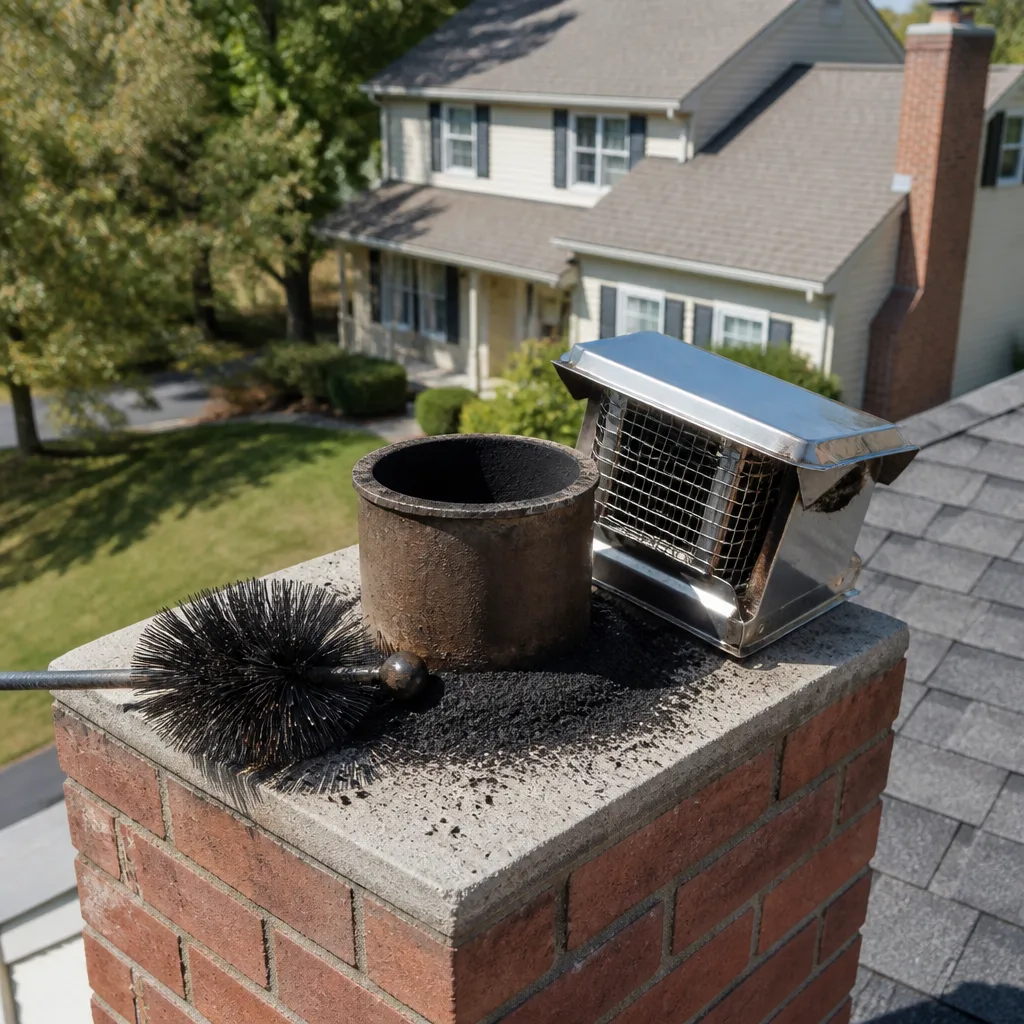
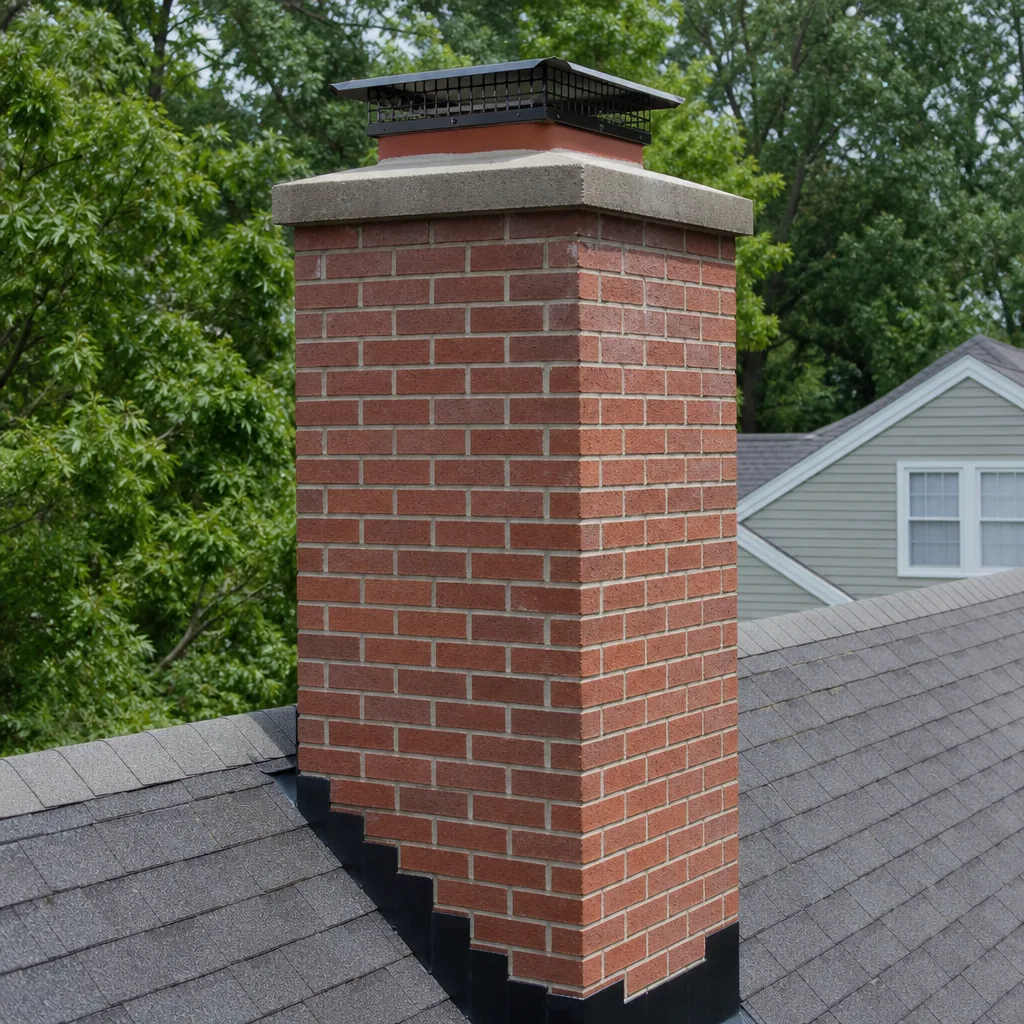
Level 1 sweep and inspection to the NFPA 211 annual standard - flue, crown, cap, and flashing checked and photographed
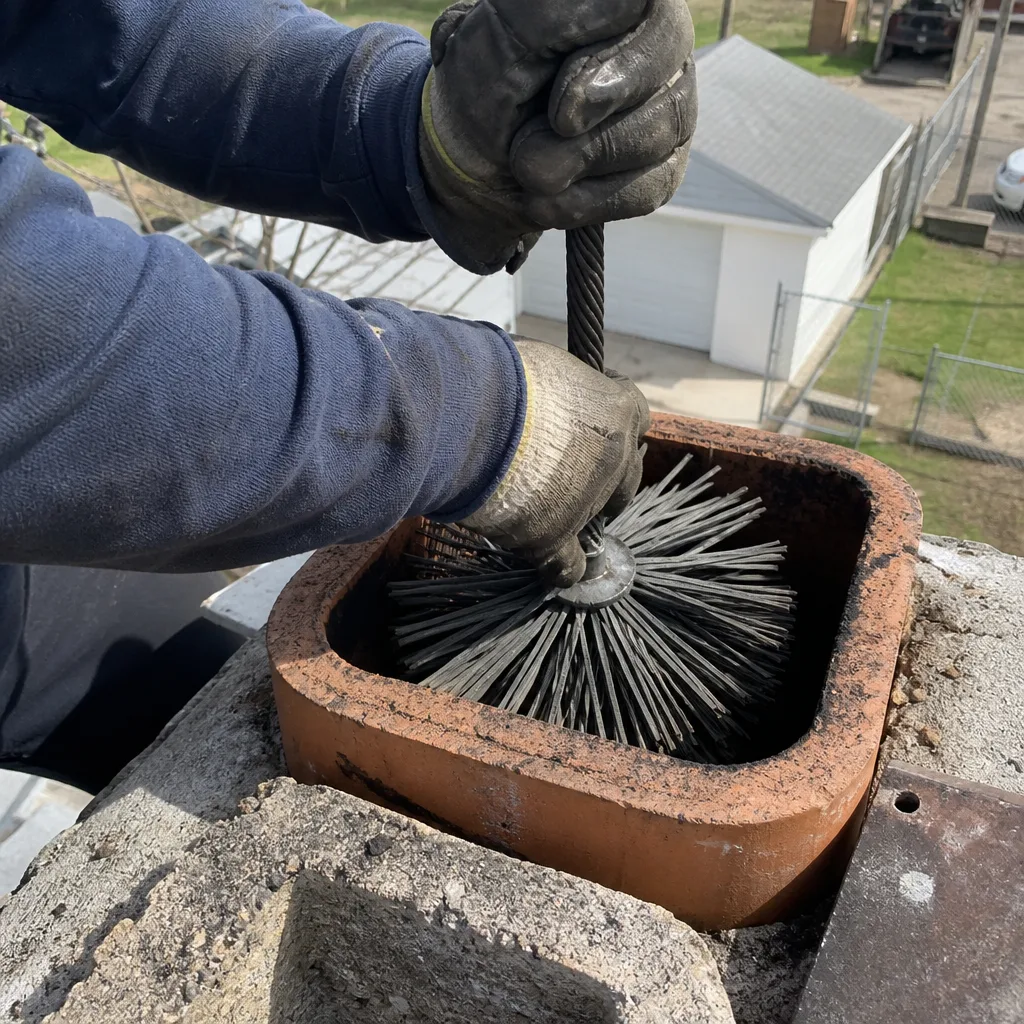
Chimney sweep logs do not sweep chimneys. They loosen some creosote - which then falls where a brush and vacuum still have to collect it.
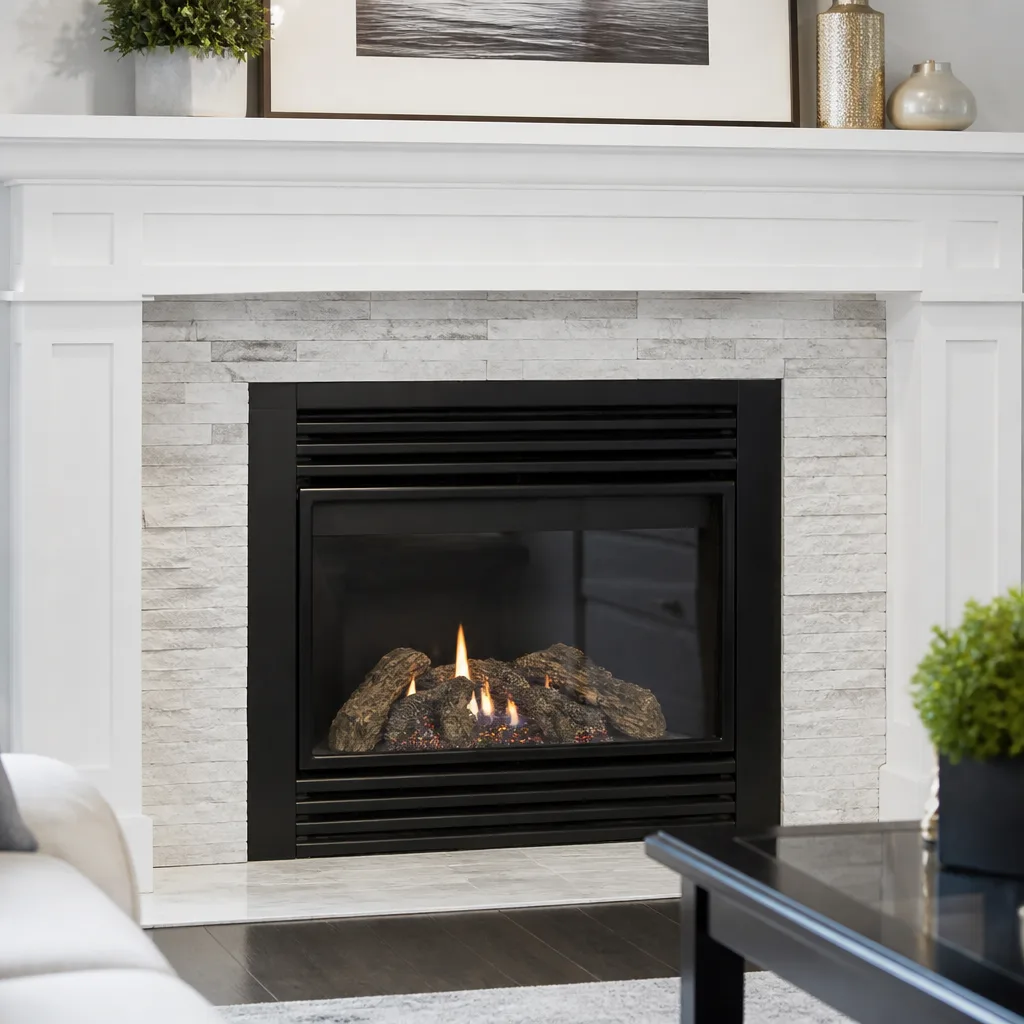
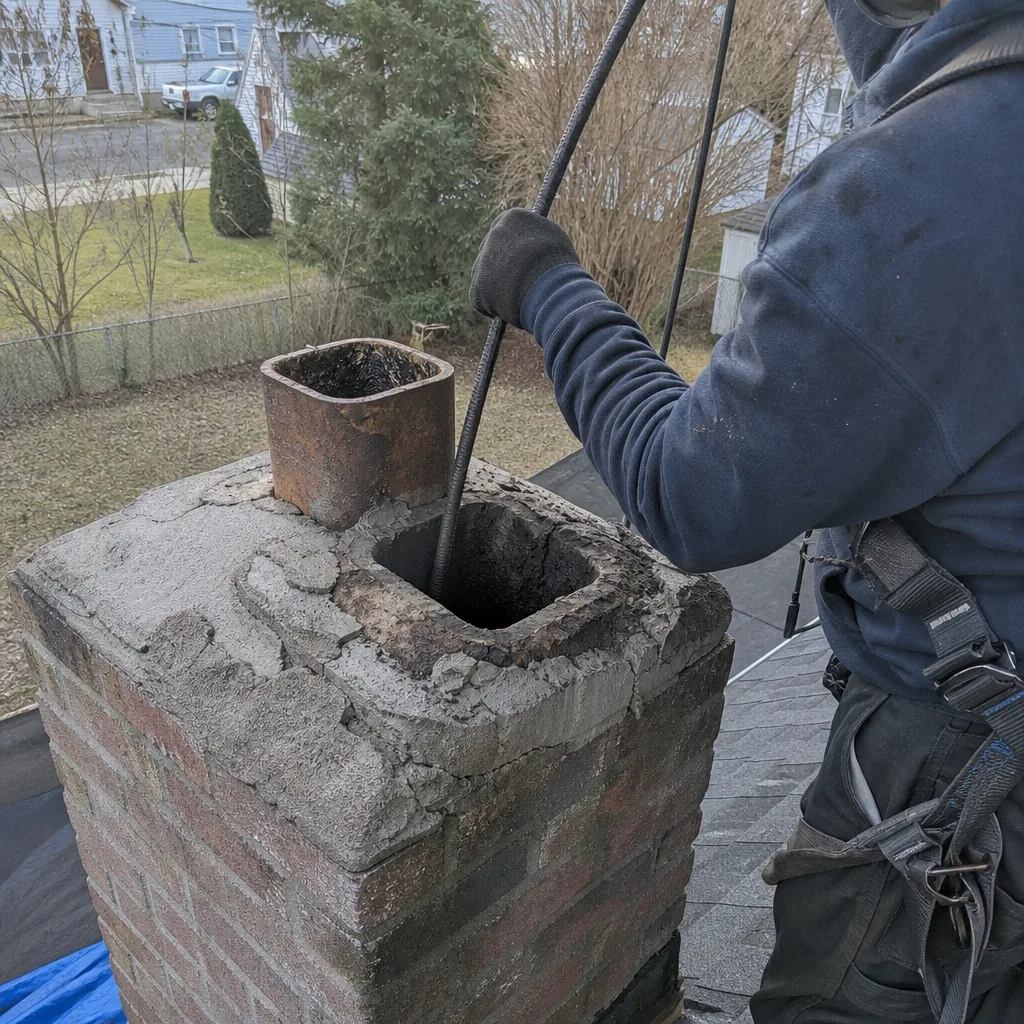 Before
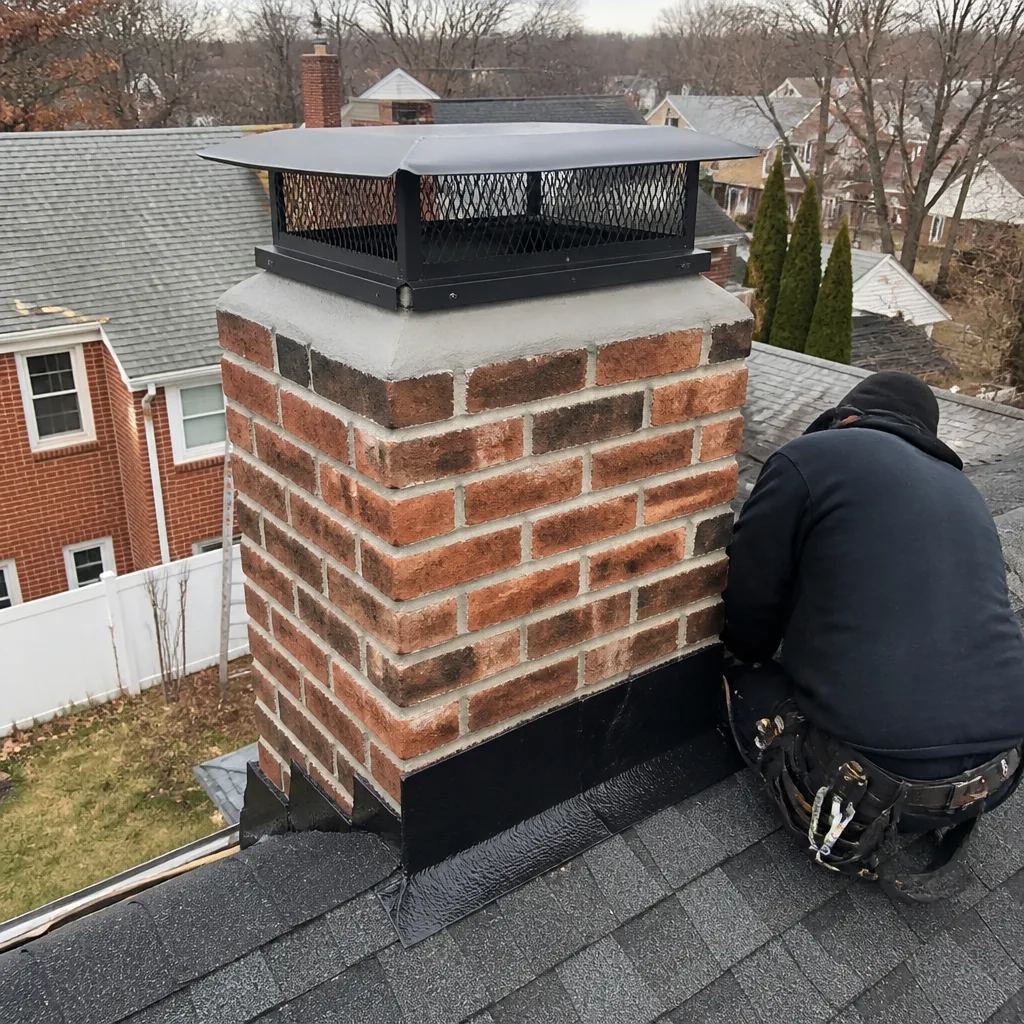 After
After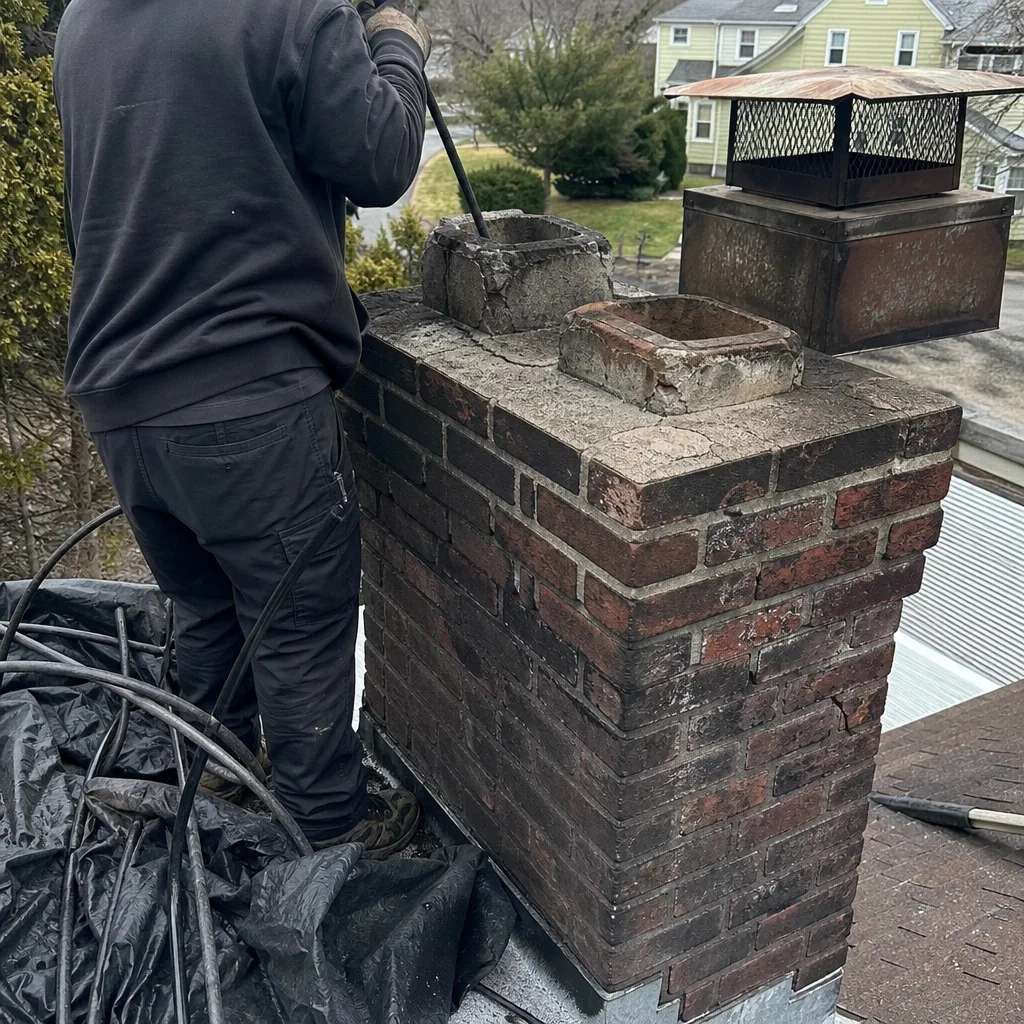 Before
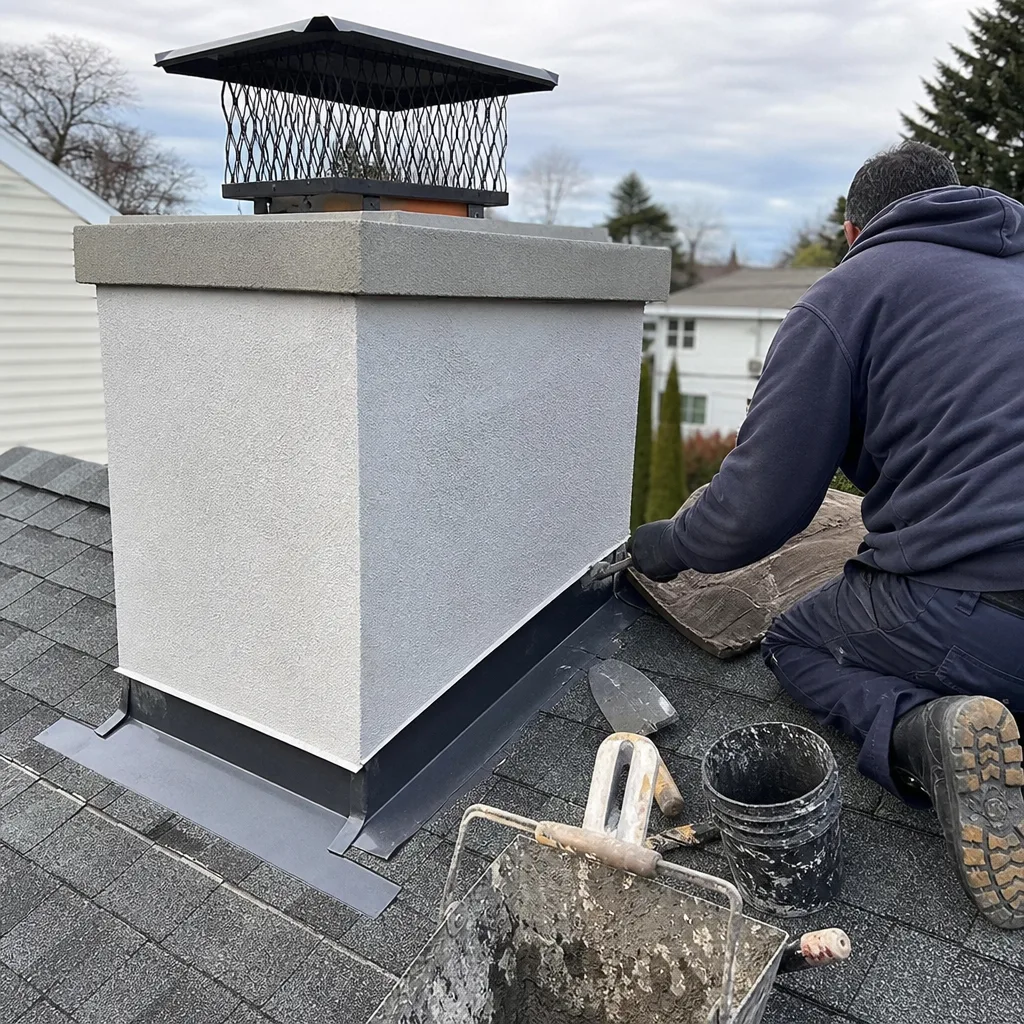 After
After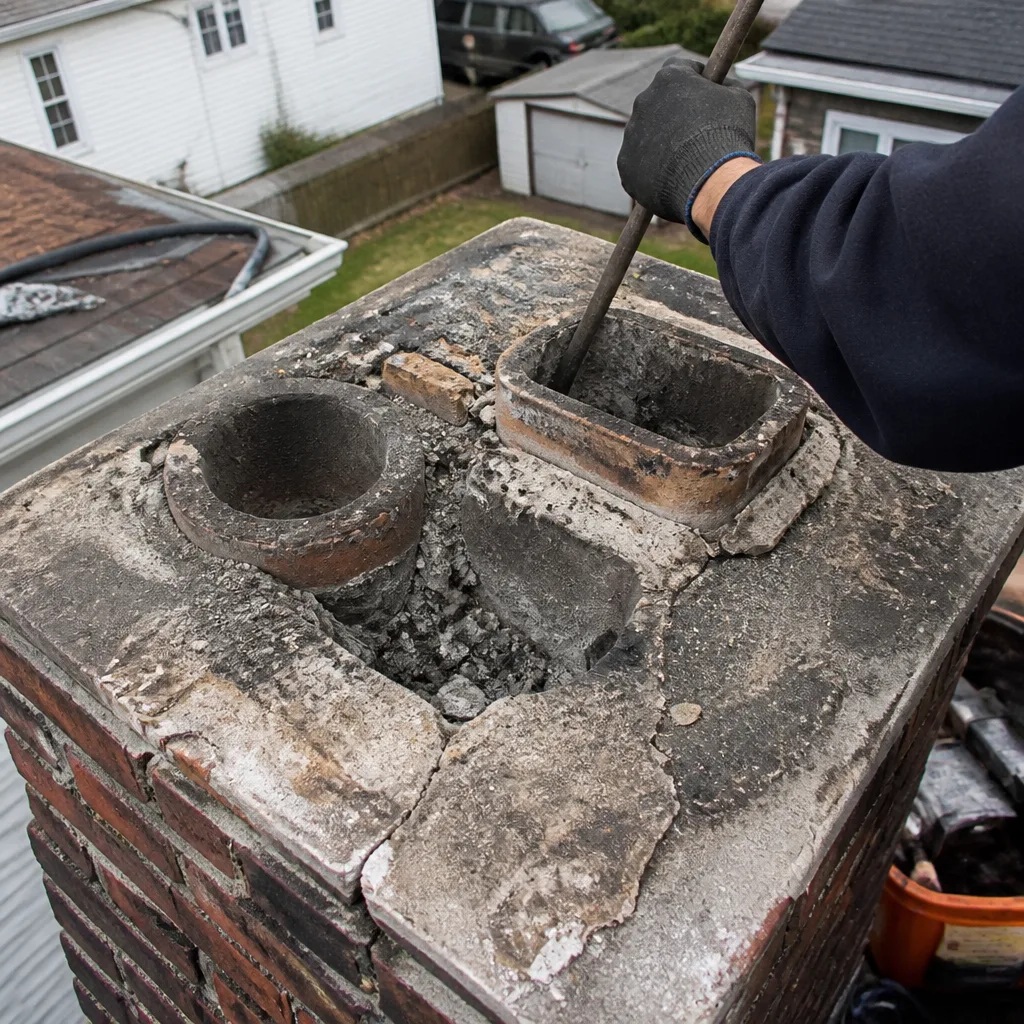 Before
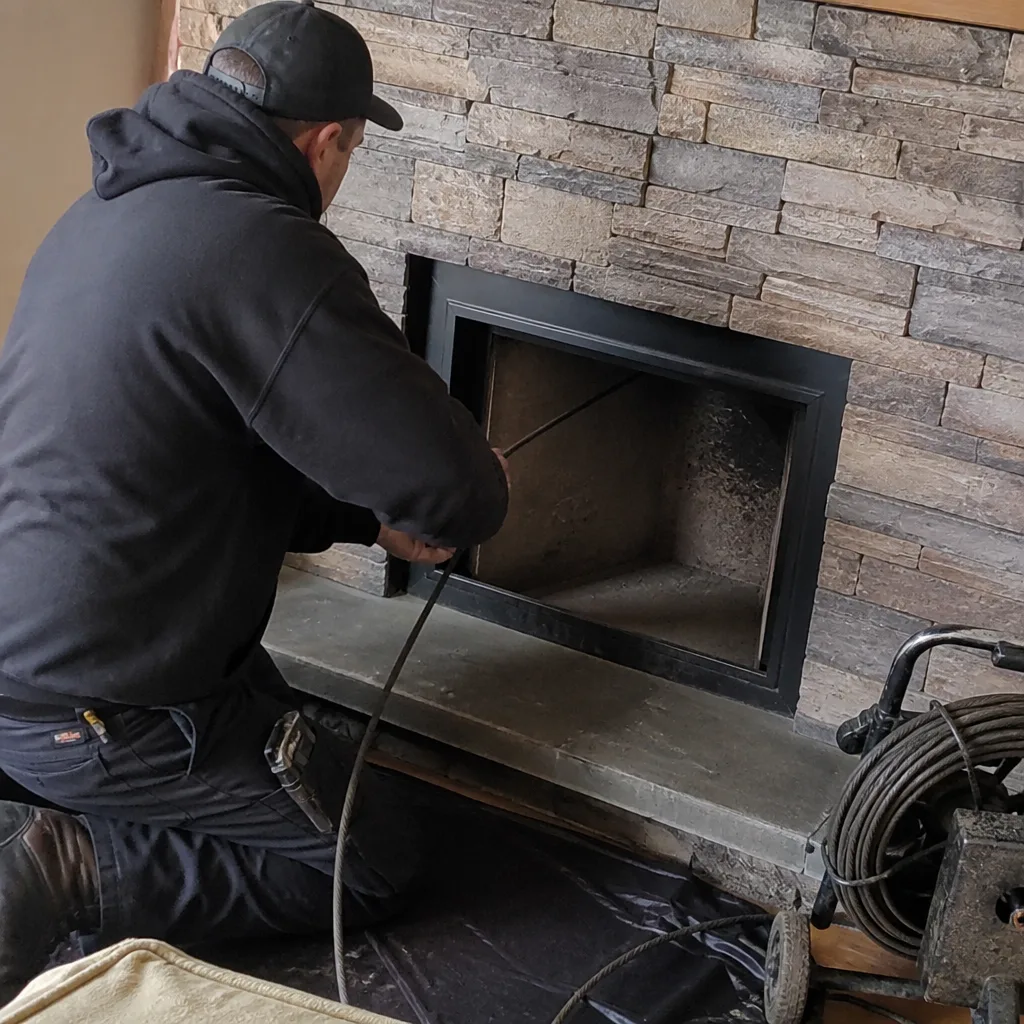 After
AfterGelco Chimney Liner & Rebuild in Newark: What to Know First
We provide independent Gelco chimney liner installation, replacement, and full or partial rebuilds in Newark, NJ as an independent Gelco service provider. Most liner jobs run one to two days on site; full rebuilds typically take three to five working days depending on the extent of the masonry. Pricing is written and delivered before any work starts - a typical Gelco stainless liner replacement in Newark lands between $2,400 and $4,800, and we’ll show you the camera images that justify every dollar of it before you decide.
This page is for Newark homeowners with a Gelco liner or Gelco-installed chimney system who want to know whether their liner is safe, what a rebuild actually involves, and what the whole thing costs. If you’ve already got a written estimate from someone else, bring it in and we’ll give you a free second opinion. Call (862) 245-4309 and you’ll reach a live person, not a voicemail.
How Gelco Products Fail - and How We Fix Them
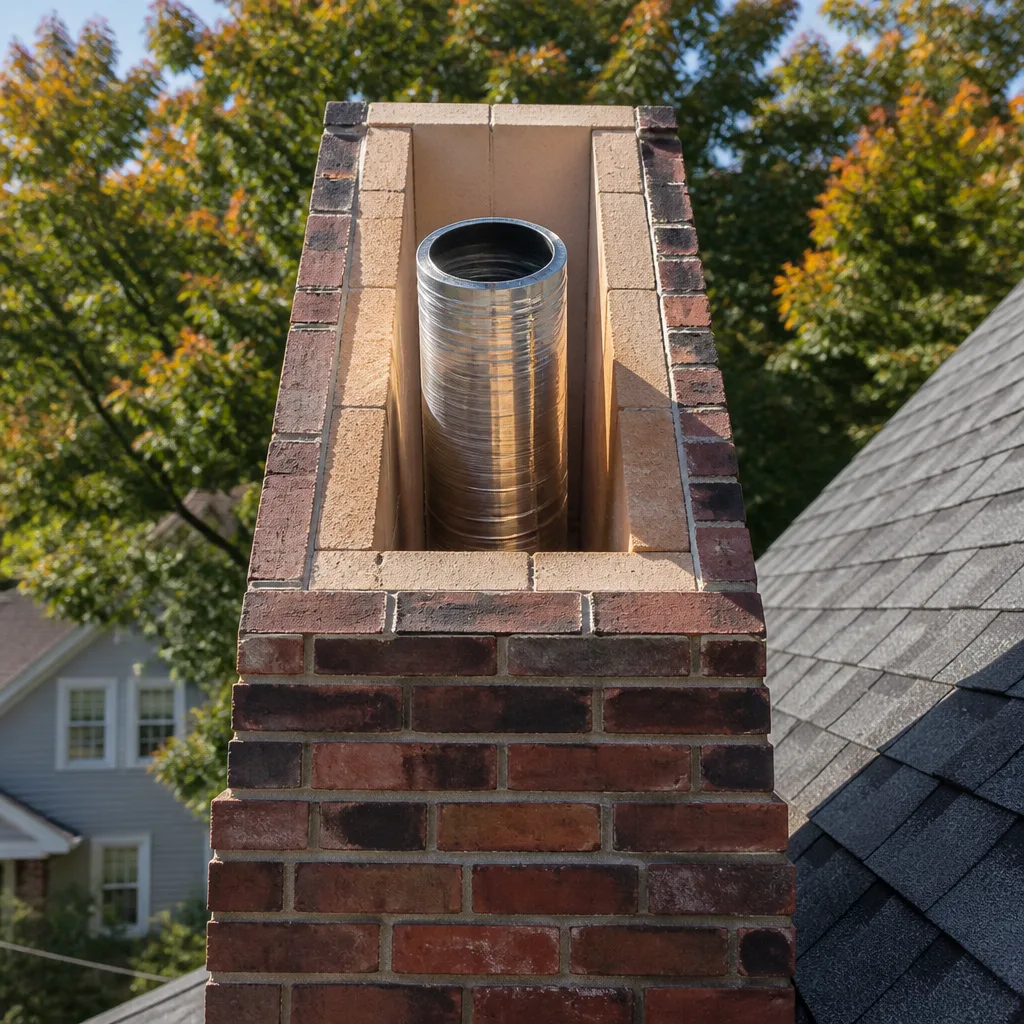
- Gelco Flex-All stainless liners sagging at the first offset near the smoke shelf. We see this most often in Newark row houses and pre-1940 colonials where the flue takes a sharp angle just above the firebox. The liner wasn’t oversized; the original clay tile offset was tighter than the install specs assumed. When the flexible liner kinks at that bend, exhaust slows and creosote condenses in the low spot. Our fix is to pull the liner, correct the offset transition with a rigid Gelco connector section, and re-pull the flex with a pulling cone rated for the actual bend radius, not the hoped-for one.
- Gelco rigid oval liners with cracked weld seams at the tee-body connection. In Newark’s freeze-thaw cycles, a rigid liner expands and contracts against the tee body. If the original install used a mastic instead of a mechanical band clamp at that joint, the seam cracks within five to eight winters. The crack lets flue gas bypass into the chase. We replace the section and clamp it the way the connection was engineered: band clamp first, high-temp sealant second, never the other way around.
- Gelco Terra-Cotta re-line systems where the mortar joints bloom in under a year. These are installed as an alternative to full clay tile replacement, but the refractory mortar Gelco specs is sensitive to acid condensate from gas appliances. In Newark, where many homes run a gas boiler plus a gas water heater into the same flue, the moisture load is higher than the mortar was designed for. We don’t patch these. We remove the compromised Terra-Cotta section and switch to a compatible stainless section, because the failure re-forms at the same joints within two heating seasons.
- Gelco liner insulation jackets pulling away from the flue wall after a chimney fire or near-miss. After a chimney fire, the ceramic blanket sleeve often separates from the stainless inner wall where the firebox heat was most intense. The liner might look fine from the top, but a camera inspection shows the jacket has slumped four feet below the crown. That gap is where the next chimney fire gets oxygen. We strip the damaged jacket and re-wrap with a ceramic sleeve rated to the same temperature class, then document the repair with post-install camera footage.
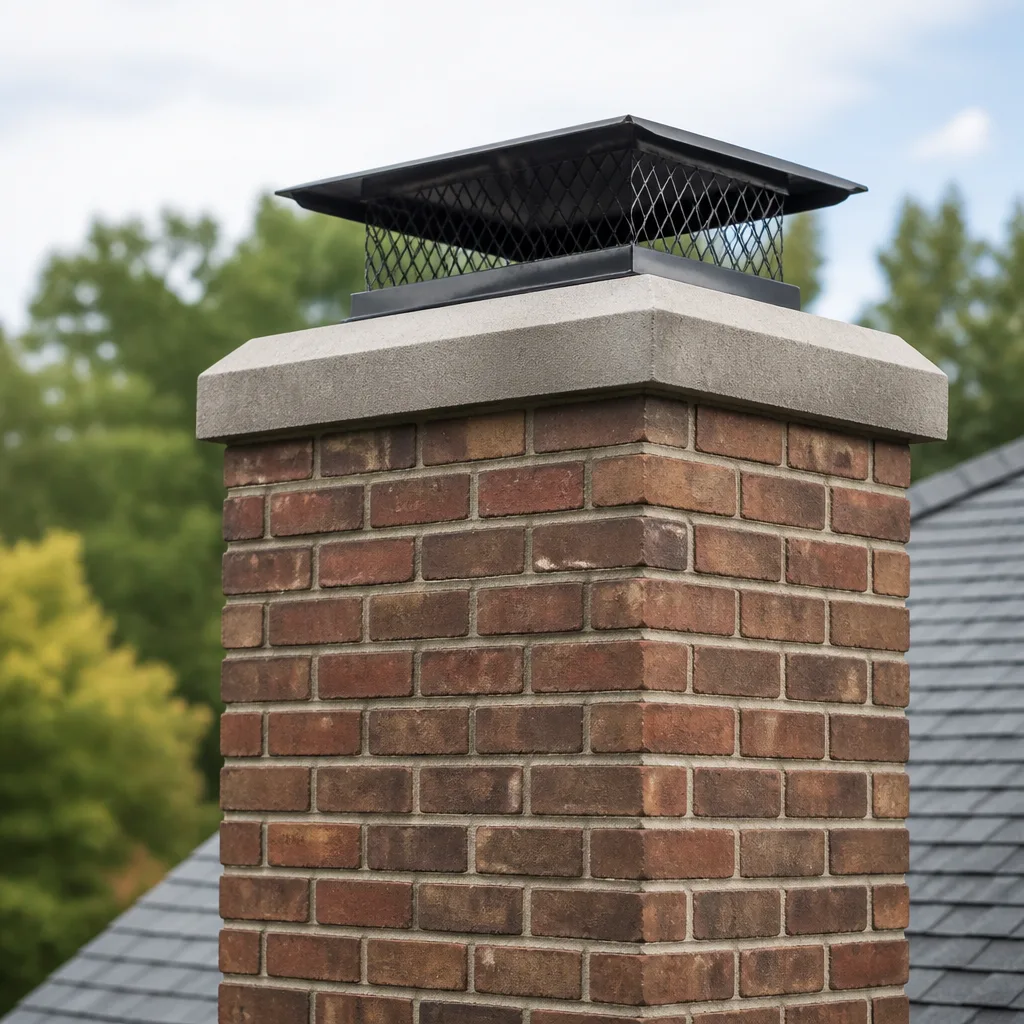
- Gelco caps and chase covers rusting through at the cross-break seams. Gelco’s galvanized covers are respectable steel, but in Newark the combination of salt air from the Passaic River corridor and the acid-laden flue gas eats the seams where the metal was pressed thin. We replace them with a stainless cover and a screen size that matches the flue’s square-inch ratio, not whatever was sitting on the truck. A chase cover that’s too small starves the draft; too large and the cap becomes a rain collector.
Our Gelco Chimney Liner & Rebuild Process
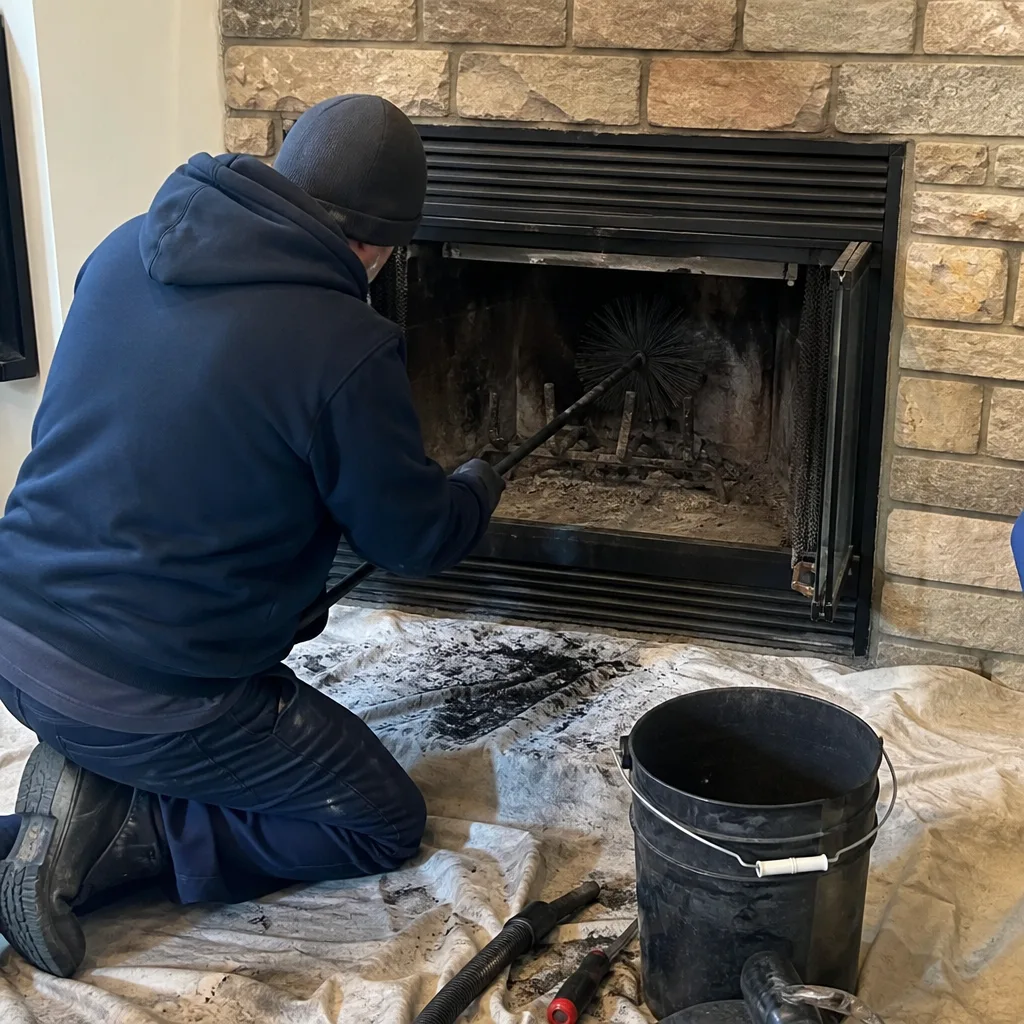
- 1
Camera inspection first, always. We run a Level 2 camera down the full flue height and record everything. You see the footage. If there’s no camera evidence of a problem, there’s no recommendation. Clause 4 of the Haven Standard requires this photo record on every job, and we’ve done it that way since 2009.
- 2
Written findings and written price before anything starts. Corrine Halstead reviews the footage with you, names the condition in plain terms, and writes down the measurements, the finding, and the price on the same page. Nothing is verbal-only. You get a written scope, written price, and written warranty before we touch a single brick.
- 3
Parts decision: OEM Gelco vs quality aftermarket. Where Gelco warranty coverage is active and the part is available, we order OEM. Where the OEM part is backordered, discontinued, or where an aftermarket part from DuraFlex matches the spec and carries a longer warranty, we say so in writing and let you decide. We never install a part whose tolerance stack exceeds the flue’s allowed annular space.
- 4
Install, fix, or rebuild. Liner work: we pull the old liner, prep the flue, connect at the appliance and the cap, and test the draft before we call it done. Rebuilds: we strip to the smoke shelf or to the footing, depending on the damage, and rebuild with the original Gelco-compatible dimensions. We photograph the work at every milestone.
- 5
Draft test and camera verification. We don’t just run a smoke test. We take a draft reading in inches of water column and compare it against the appliance’s rating plate. Then we run the camera once more and hand you the comparison images: before, during, after.
- 6
Cleanup, photos, warranty, done. We leave a written record with dated photos and the warranty paperwork. If it’s not done right in the first 365 days, we make it right under the 365-Day Done Right Promise. That’s stamped on the record.
BeforeAfterWhat Gelco Chimney Liner & Rebuild Costs in Newark
Here’s what you can expect to pay for Gelco work in Newark, written out so there’s no mystery:
- Gelco stainless flex liner replacement (25 to 35 feet, uninsulated): $2,400 to $3,600
- Same job with ceramic insulation sleeve: $3,400 to $4,800
- Partial rebuild above the roofline (crown and top 10 to 15 courses): $2,800 to $5,500
- Full rebuild from the smoke shelf up, including new Gelco-compatible liner: $7,000 to $14,000, depending on access, height, and whether scaffolding or a lift is required
- Full rebuild from the footing with footing repair: starts around $12,000 and goes up from there
What moves the price in Newark: roofline access (a row house with a flat roof and a parapet wall costs more than a detached home with a walkable roof), the condition of the original clay tile liner underneath, whether the flue runs through a chase or an exterior wall, and whether we’re working around a steep pitch that needs a lift. The estimate is free and it’s written. Call (862) 245-4309 for your number, not a range.
Why Newark Homeowners Call Level Two Chimney Newark for Gelco Work
We’ve serviced homes across Newark for several years, including older row houses near Branch Brook Park where the clay flue liners are original and the creosote builds faster than most homeowners expect. When we show up, the technician’s license number is on the page, the tech is named before they arrive, and you get a text when the van’s on the way. We’re background-checked and uniformed. More to the point: we know what a Gelco flex liner looks like when it’s kinked at the smoke shelf, and we’ll show you the camera image before we tell you what it costs. The camera doesn’t negotiate - it just shows what’s there.
If the right fix for your chimney isn’t a Gelco part at all, we’ll say so. We stock and install DuraFlex and HeatShield products as well, and we choose on spec and warranty, not on habit. Our 365-Day Done Right Promise applies to every job, every brand, every time. And if you already have a written quote from a competitor, bring it in. We’ll give you a free second opinion and match what’s written, not what was promised over the phone.
FAQs
No, not if the work is done by a qualified independent contractor using parts that meet Gelco’s published specifications and the installation follows the original flue dimensions. We document every measurement and every part number in your written record. If your Gelco liner or component is still under warranty, we’ll help you pursue the claim directly with Gelco. As an independent Gelco service provider, we’re not tied to Gelco’s warranty decisions, but we keep the paperwork clean enough that the claim stands on its own.
Some are. Rigid oval sections in non-standard diameters, Terra-Cotta re-line mortar kits, and certain chase covers have lead times of two to six weeks depending on the distributor. We source through Haven’s buying network, which carries Gelco, DuraFlex, HeatShield, Olympia Chimney, Famco, and Copperfield. If your part is backordered, we’ll give you a written timeline and, where appropriate, a written alternative with a longer warranty. Call (862) 245-4309 and we’ll check current stock while you’re on the phone.
That depends on what the camera shows. If the stainless wall is intact and the failure is at a single joint or connector, a repair usually costs $600 to $1,800. If the liner is kinked, cracked at the seam welds, or the insulation jacket has slumped, you’re better off replacing the section or the full run. Our rule: repair when the remaining liner has at least five years of structural life left and the failure is isolated. Replace when the repair would leave two adjacent weak points. We’ll show you the footage and let you decide with the numbers in front of you.
Most standard liner replacements in Newark are done in one day. If the job includes insulation, chase cover replacement, or a crown repair, plan on two. Full rebuilds take three to five working days, weather permitting. We don’t leave a flue open overnight. We tarp, cap, and secure the job before we leave, and we send photos of the temporary close.
If the liner is cracked or separated, exhaust gas and creosote are escaping into the spaces around the flue, usually the chase or the masonry. That’s where chimney fires start and where carbon monoxide can enter living spaces through gaps in the surrounding structure. If there’s no crack and the liner is just dirty, you can wait. If there is a crack, don’t. We’ll show you the crack in the camera footage. If it can safely wait, we’ll tell you that in writing. If it can’t, you’ll see why.
Written by Corrine Halstead, Owner, Level Two Chimney Newark at Level Two Chimney Newark, serving Newark and nearby areas.