
Level 1 sweep and inspection to the NFPA 211 annual standard - flue, crown, cap, and flashing checked and photographed
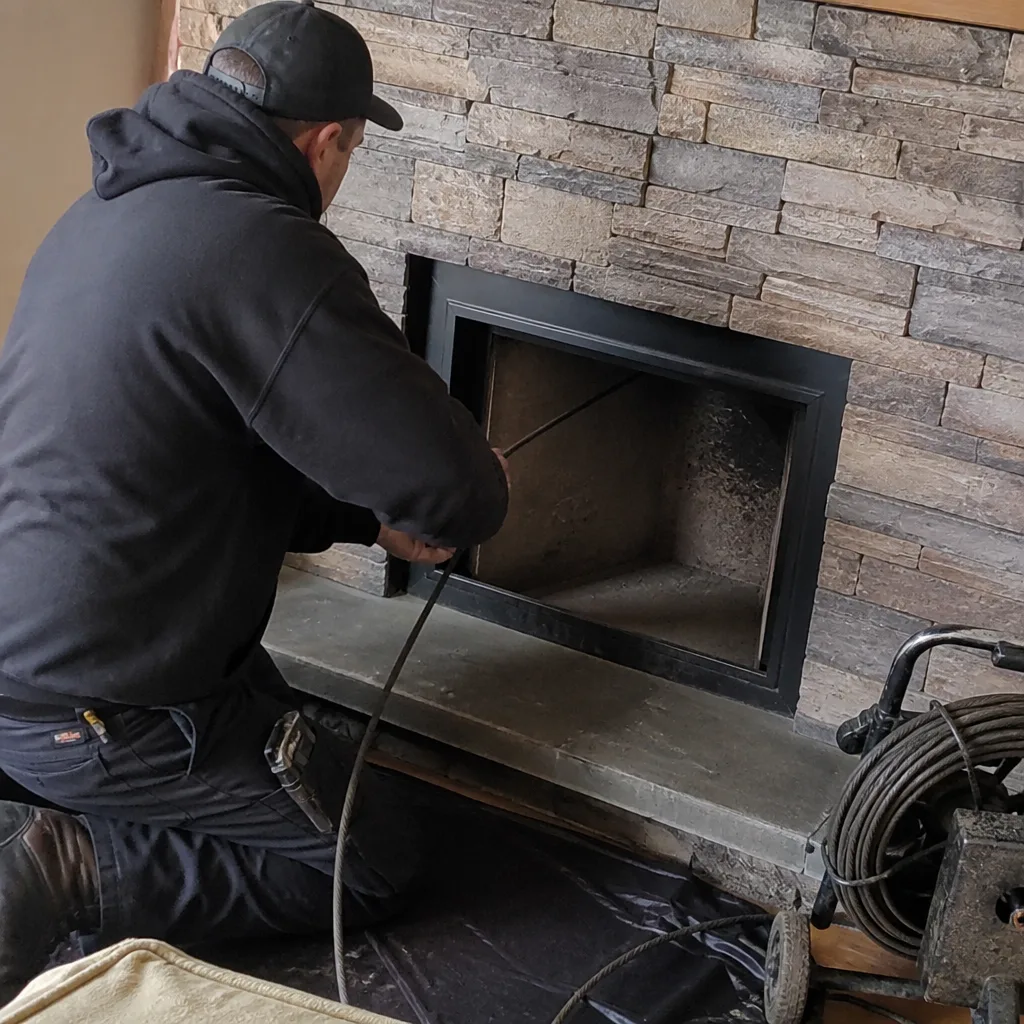
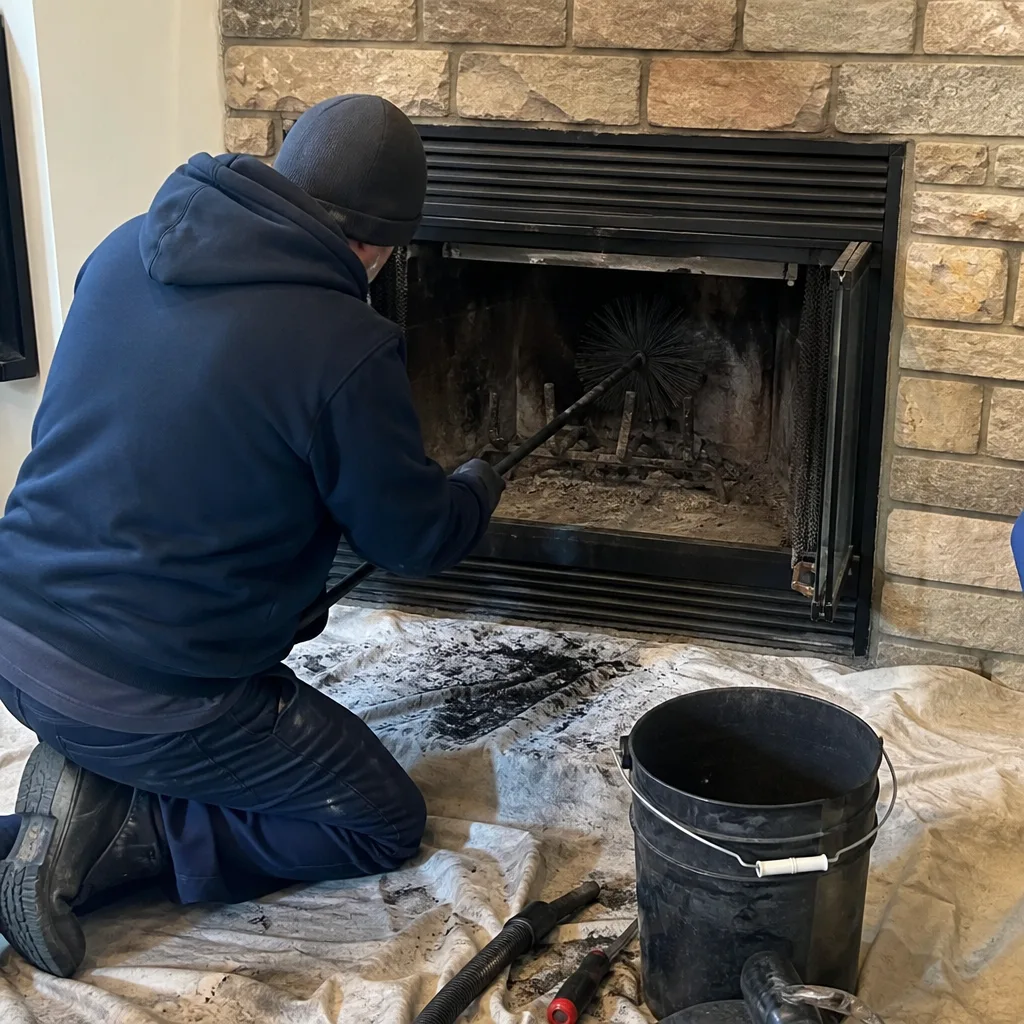
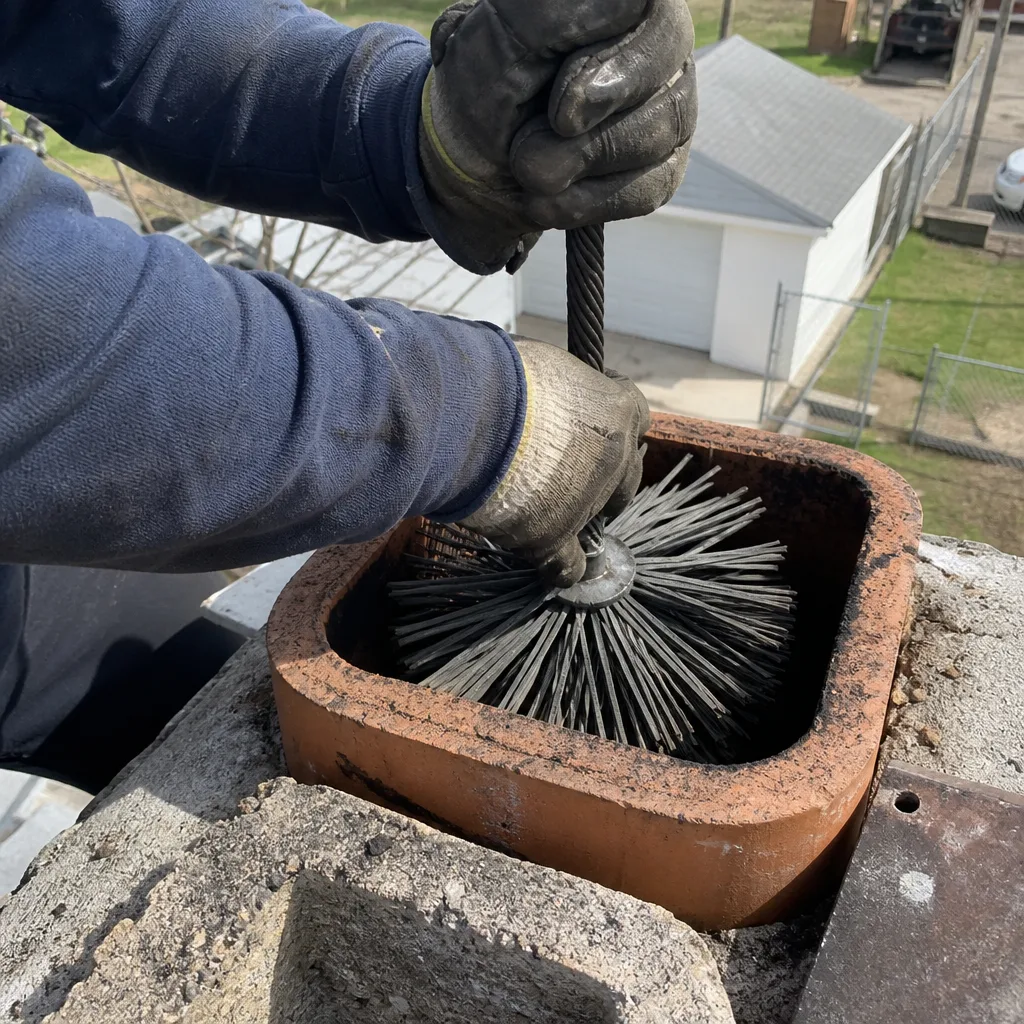
Chimney sweep logs do not sweep chimneys. They loosen some creosote - which then falls where a brush and vacuum still have to collect it.
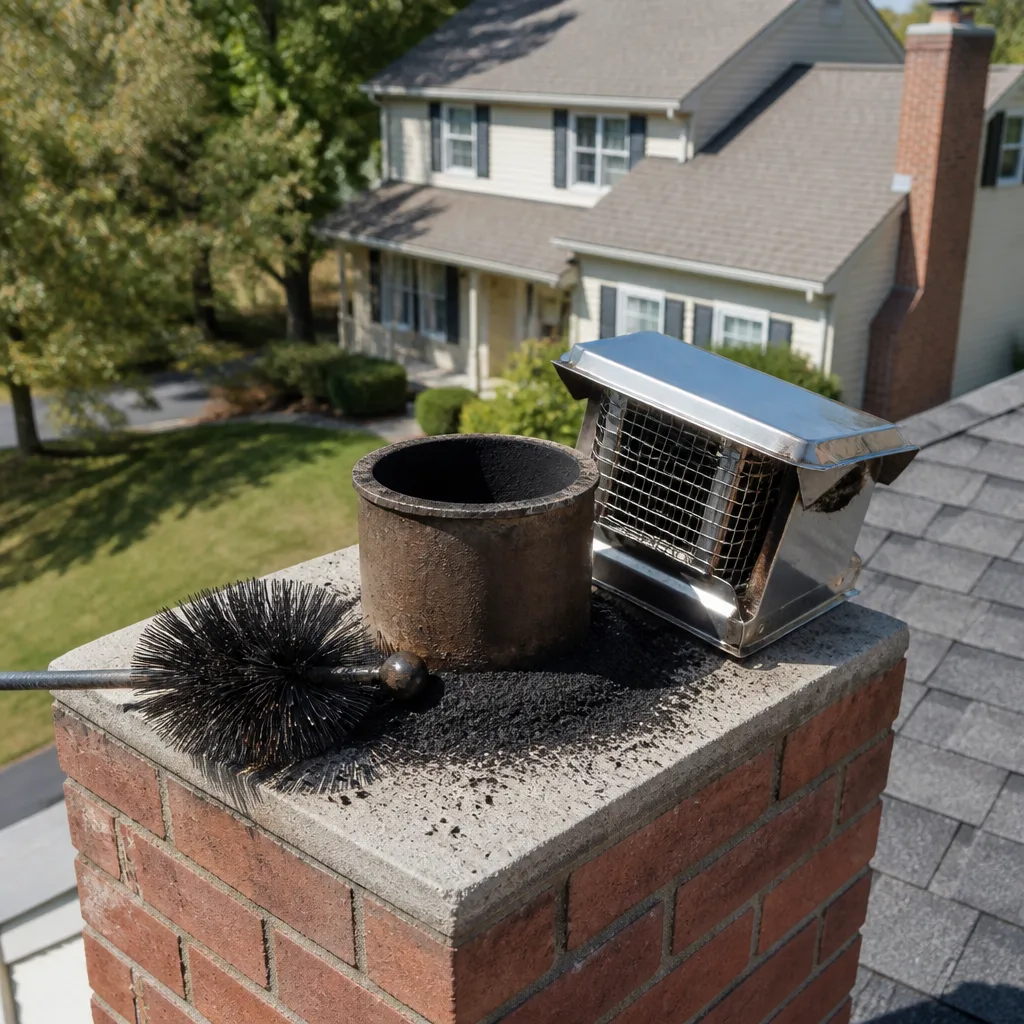
 Before
 After
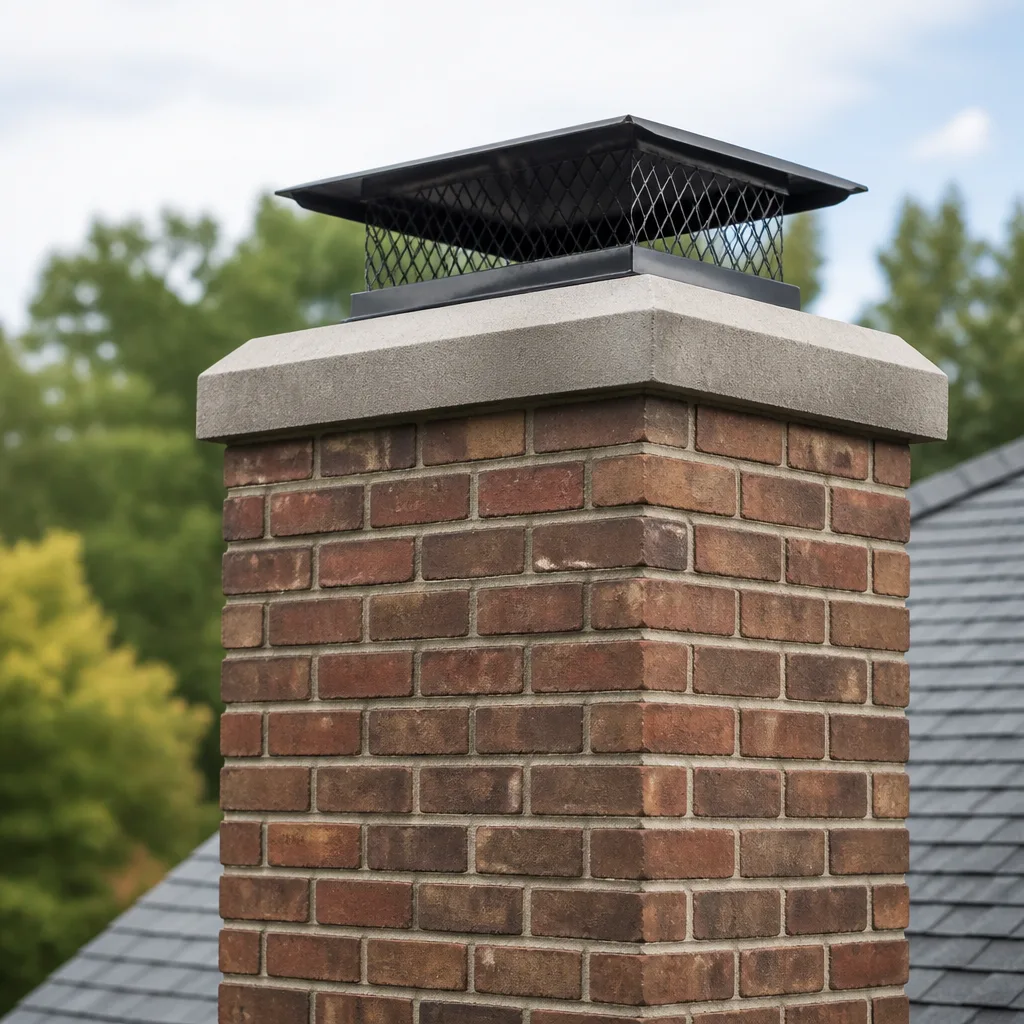
After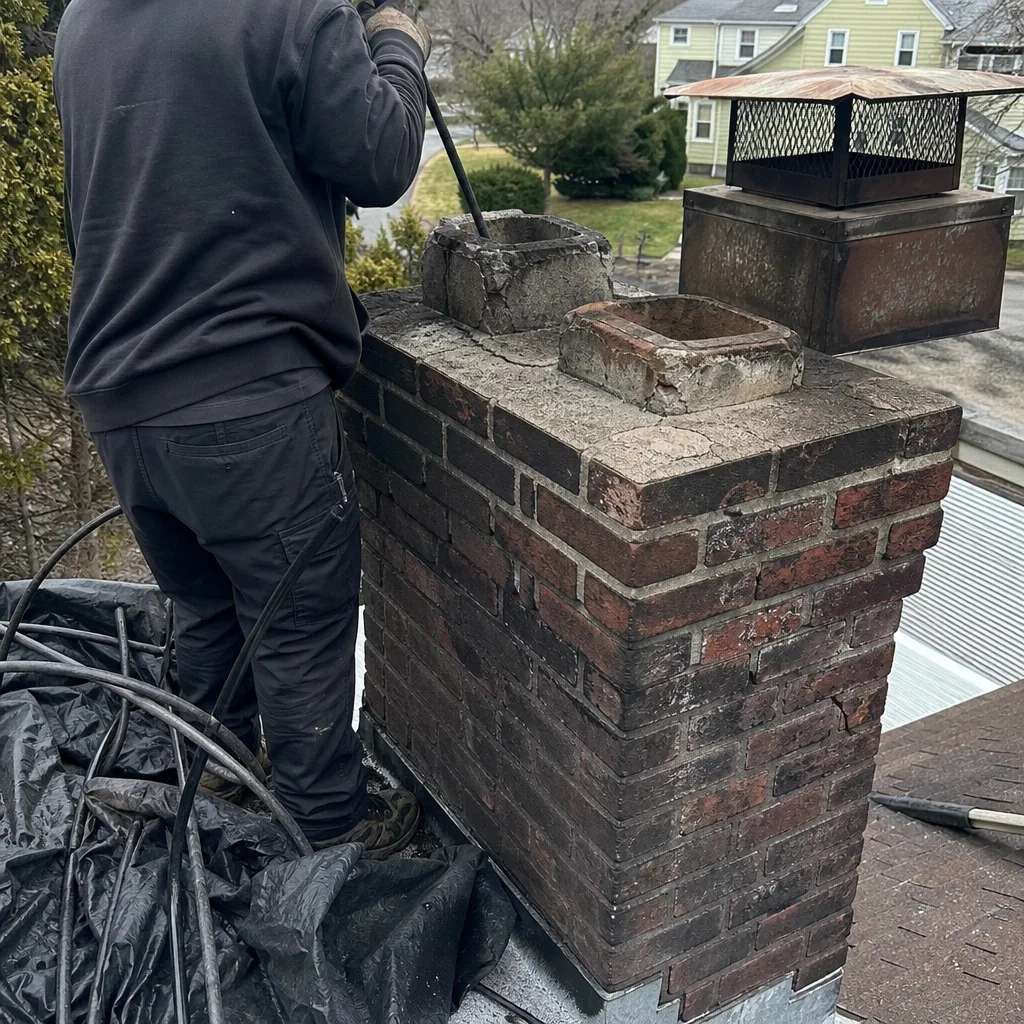 Before
 After
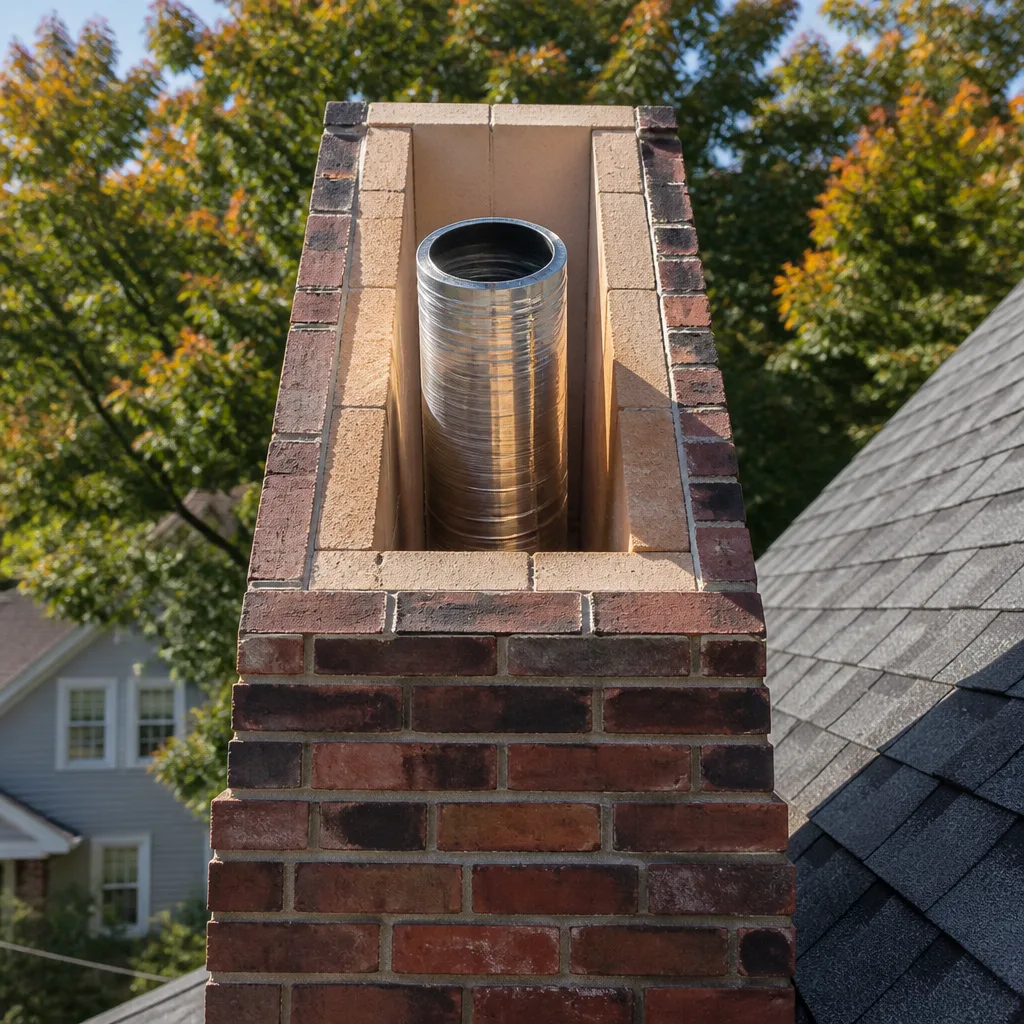
After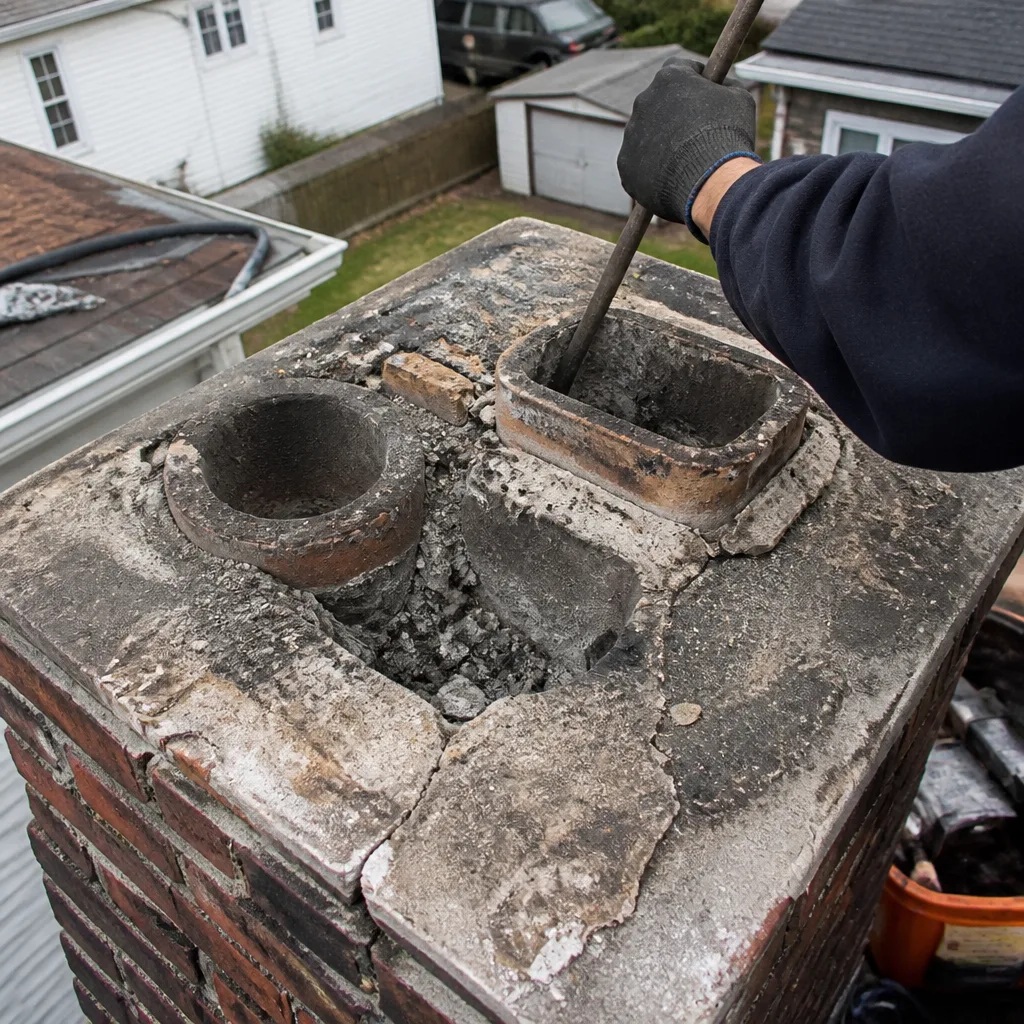 Before
 After
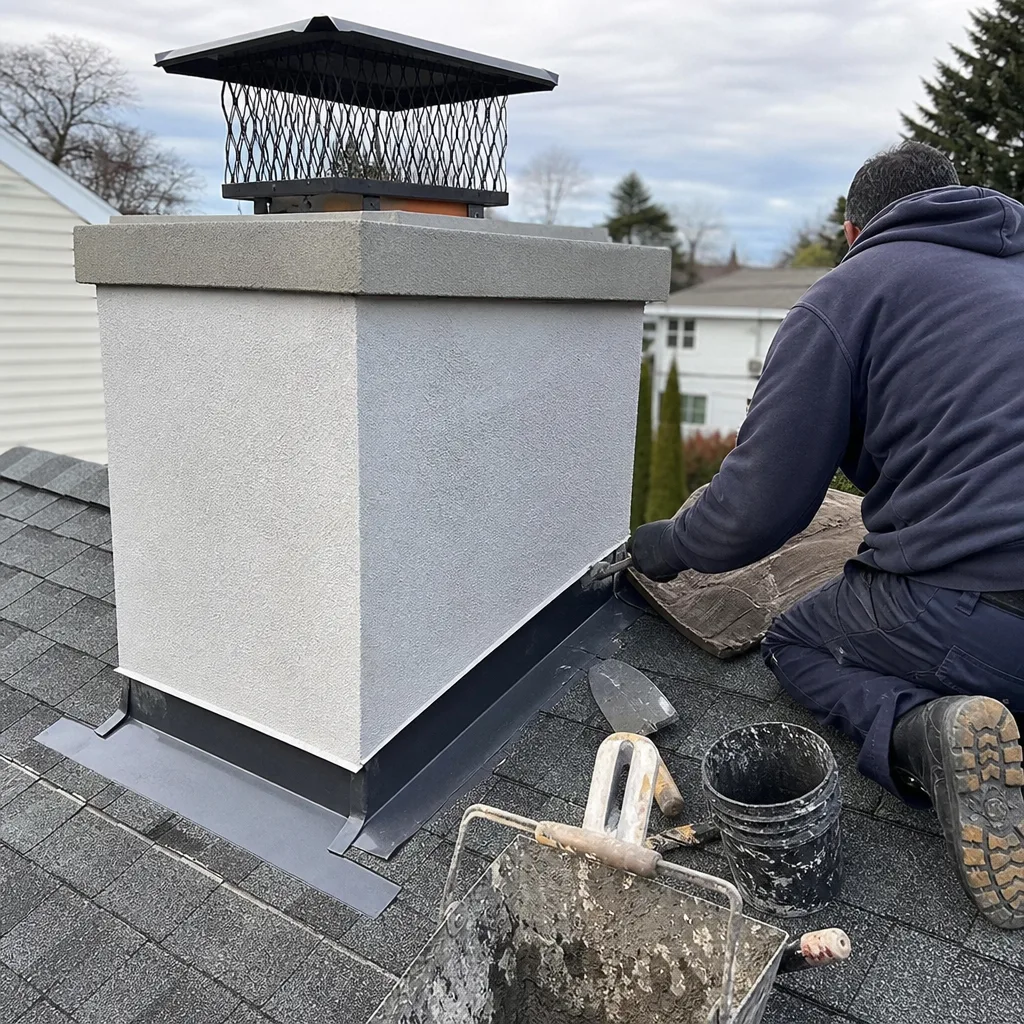
AfterCopperfield Chimney Cap Installation: The Newark Owner’s Guide
A Copperfield chimney cap installation in Newark typically costs $285 to $640, including the cap, fastening hardware, and labor. Most swaps on a standard single-flue cap take 45 to 90 minutes once we’re on the roof. The most common way Newark owners discover theirs has failed is water staining on the ceiling near the fireplace or a cap that’s visibly tilted, rusted through at the seams, or missing entirely after a nor’easter came through.
Copperfield caps are built with stainless steel mesh and a one-piece hood, but the mounting brackets and fasteners take the real punishment in this climate. Snow sitting on a flat roof or a third-floor row house cap catching full wind off the Passaic will eventually work the bolts loose. We see it every fall, especially in the Forest Hill and Weequahic neighborhoods where chimneys run taller than average.
Which Copperfield Models This Applies To
This page covers installation for the full Copperfield chimney cap line: the standard single-flue caps, multi-flue caps, and the larger outside-mount caps that sit over the full crown. Copperfield doesn’t stamp model numbers on the cap itself in most cases, so identification is done by measuring the flue tile – the inside dimension, not the outside – and matching it to the cap’s base plate. A cap that’s too tight won’t seat; one that’s too loose lets embers out the gap and gets lifted by wind.
Here’s the compatibility gotcha that most Newark owners don’t realize until we’re on the roof: Copperfield’s single-flue caps are designed for a square or rectangular clay tile, and they don’t fit round or oval liners without an adapter. If you have a gas furnace sharing the flue with a fireplace, or a liner that was replaced with a round stainless pipe within the last decade, the standard Copperfield base won’t seat properly. We carry adapter plates and transition hardware on the truck for most of these situations. In our experience, the Copperfield caps themselves hold up well in Newark conditions. What fails is the fastening system. The OEM expansion bolt and wedge setup works fine when installed correctly, but on older brick crown surfaces that have spalled – chipped and flaked from freeze-thaw cycles – the wedge has nothing solid to bite. We see this constantly on 1920s-era row houses near Branch Brook Park, where the crowns were built with softer mortar than modern mixes.
Signs Your Copperfield Chimney Cap Installation Is Failing
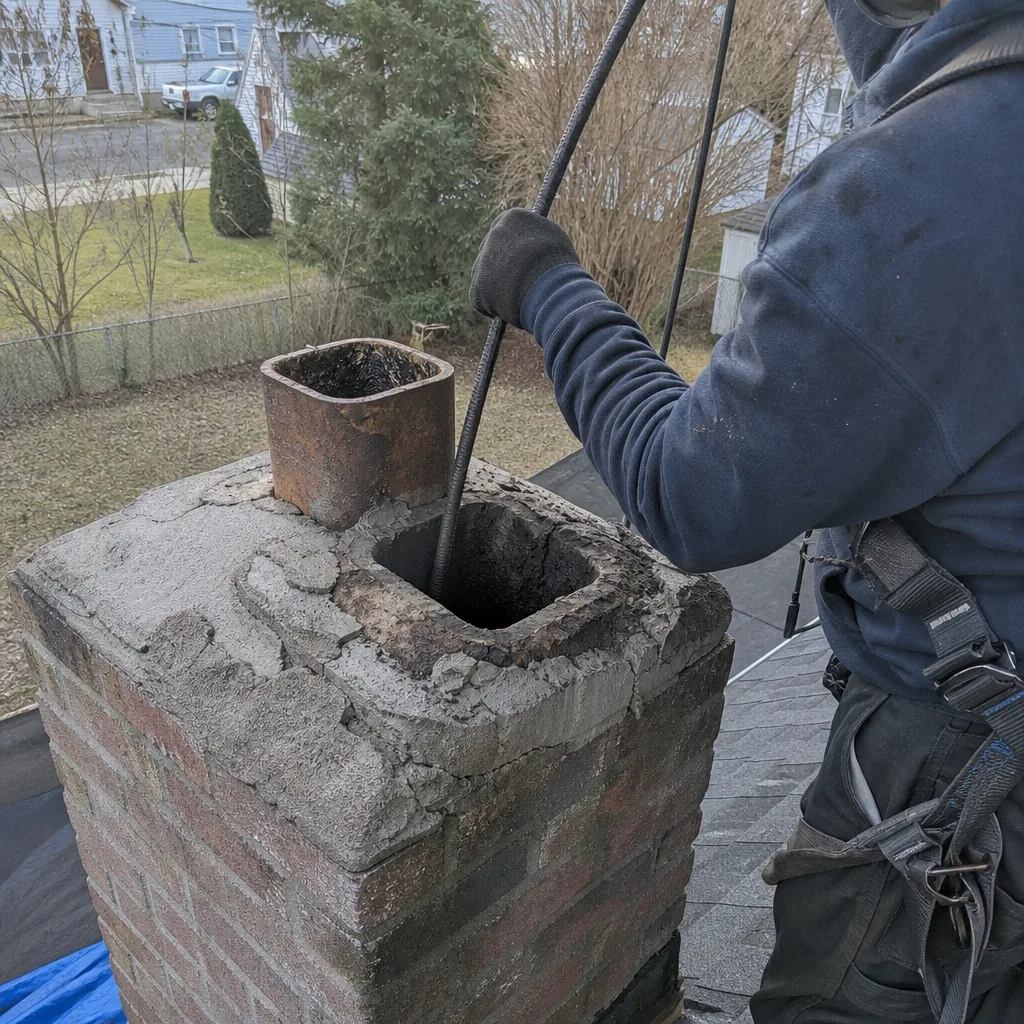
- Water staining on the firebox wall or ceiling below. The cap’s hood has a seam that can split after years of thermal cycling. Once water gets past the hood, it runs down the flue wall and shows up inside the house. This is the cap failing, not the flashing.
- Rust trails running down the flue liner or cap base. Copperfield uses stainless steel, but the hardware including bolts and brackets is a lesser grade in some production runs. Rust means the fastener is degrading and the cap is working loose.
- The cap is tilted or shifted when you look up from the ground. Newark wind loads on three-story and four-story chimneys apply constant lateral force. A tilted cap means the base bolts are failing or the crown material underneath has crumbled.
- Birds, leaves, or acorn debris inside the firebox or on the smoke shelf. The mesh screen has separated from the cap frame at the edges, which is the most common point of failure on Copperfield caps after five to seven years in our service area. Squirrels figure this out fast.
- You found pieces of the cap in the yard or on a lower roof. This happens after high wind events. If the cap was installed with the wrong-size base or into a deteriorating crown, the whole assembly comes off. We’ve retrieved caps from flat roofs in the North Ward more times than we can count.
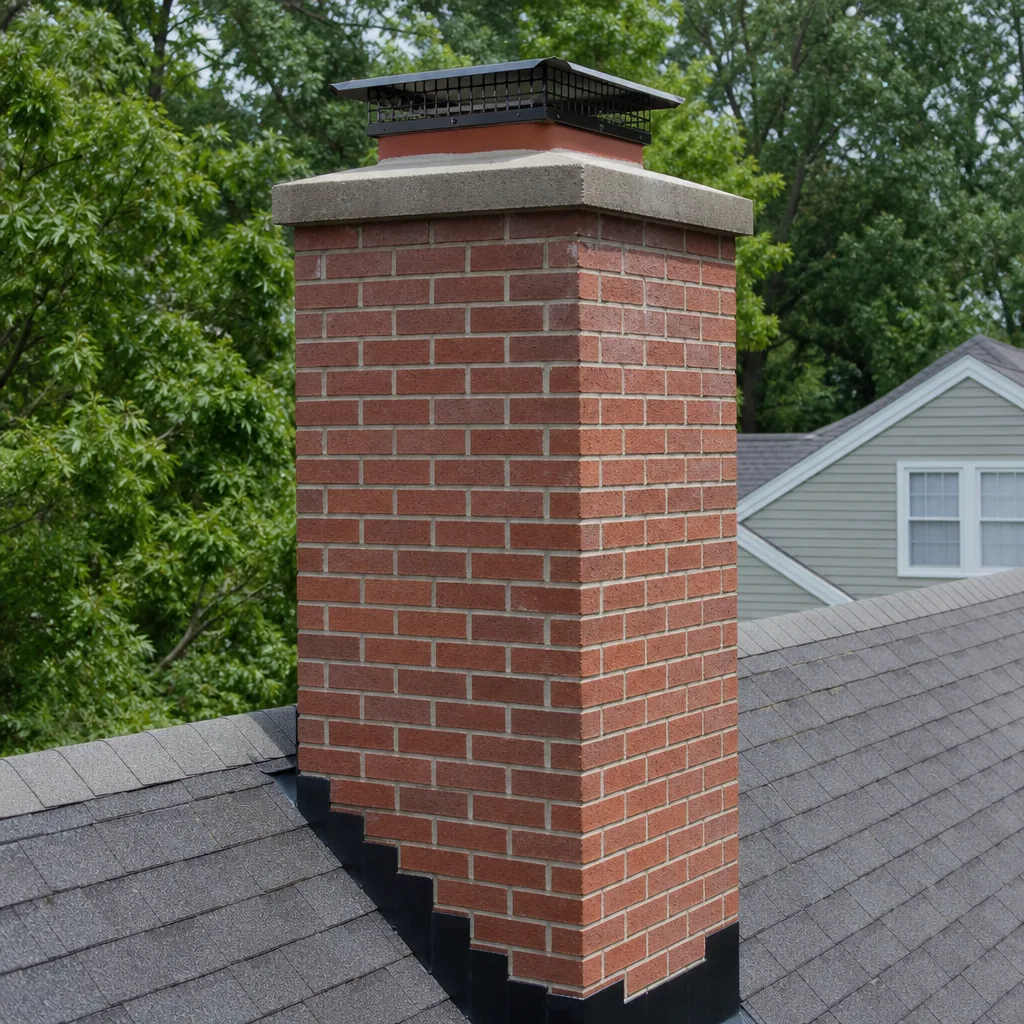
BeforeAfterReplacement Cost & What’s Included
For Newark, our installed Copperfield chimney cap replacement runs:
- Standard single-flue cap (up to 13″ x 13″ flue): $285 to $400 installed
- Larger or custom-size single-flue cap (13″ x 13″ to 17″ x 17″): $360 to $520 installed
- Multi-flue or outside-mount cap (covers the entire crown): $480 to $640 installed
- Adapter plate or custom bracket (for oversized or irregular flues): $40 to $110 added
- Minor crown repair before mounting (spalled surface patching): $60 to $180 added
The price includes the Copperfield cap or a compatible equivalent from the brands we stock (DuraFlex and Olympia Chimney round out the options when a Copperfield-specific fit doesn’t work), the mounting hardware suited to your crown condition, the labor, and the photo documentation.
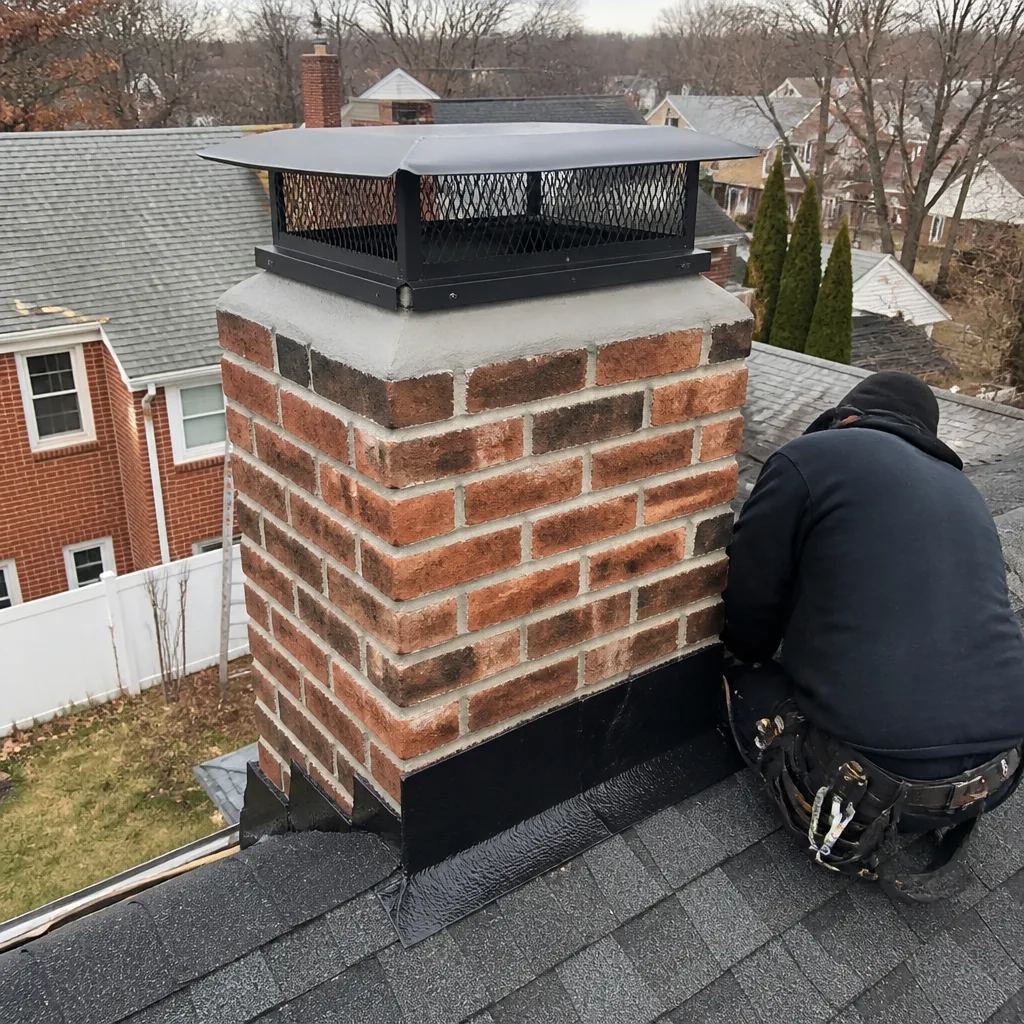
Every installation gets the same written treatment we’ve delivered since 2009: a written price before any work starts, a written scope describing exactly what’s being mounted and why, and a documented photo record of the finished job. That’s Clause 4 of the Haven Standard, and in Newark it matters because you can’t see your own cap from the street half the time. We show you what we did, with photos.
DIY or Call Us?
We’re honest about this: some homeowners can do this job themselves, and we respect that. If you have a one-story ranch, a low-pitch roof you can safely walk, and a standard square flue, installing a Copperfield cap is mechanically simple: remove the old hardware, seat the base, tighten the bolts, check that the mesh is intact.
But here’s where DIY goes wrong in Newark specifically. The chimneys on most of our service calls are three to four stories up, on slate or steep asphalt roofs, and the cap you’re replacing was installed on a crown that’s now older than your mortgage. Getting to the cap safely requires a ladder setup most homeowners don’t own, and working on a deteriorated crown while balancing on a roof ridge is not a weekend project. It’s a fall hazard.
If you can reach your cap from a flat roof, check this: is the crown underneath crumbling when you tap it? If yes, any new cap will fail the same way the old one did. The mounting surface matters as much as the cap itself.
Call us at (862) 245-4309 and we’ll give you a written estimate based on the actual flue measurement and crown condition. You don’t have to hire us. You’ll walk away knowing exactly what your chimney needs, in writing.
FAQs
In our experience across Newark’s climate, a properly installed Copperfield cap lasts 8 to 12 years before the mesh or fasteners begin to fail. The limiting factor is rarely the stainless hood; it’s the bracket hardware and the condition of the crown it’s mounted to. Homes near the Passaic River or within a mile of the bay get more wind-driven corrosion than inland neighborhoods.
Most of the time, no. If the mesh has pulled away from the frame or a seam has split, the cap is done. We won’t patch a cap that’s already rusted through at the fastening points; you’ll be back on the roof within two years. The exception is a cap that’s simply loose but otherwise sound, which we can often re-secure with new hardware for under $100. Call us at (862) 245-4309 and we’ll tell you which situation you have, based on photos or an on-site look.
For a standard single-flue cap on a walkable roof, the job runs 45 to 90 minutes from setup to cleanup. If the crown needs patching first or the chimney is tall enough to require staging, it can run two to three hours. We include the time on the written estimate so you know before we start.
We stock the most common Copperfield single-flue sizes on the truck: the 8″ x 8″, 12″ x 12″, and 13″ x 13″ base configurations. If your flue is a different size, we can have the exact cap within a few business days, or we may recommend a DuraFlex or Olympia Chimney cap that meets the same spec. The camera doesn’t negotiate – it just shows what’s there. When you call (862) 245-4309, we’ll ask for the flue measurement or schedule a time to get it right, the first time.
Written by Corrine Halstead, Owner, Level Two Chimney Newark at Level Two Chimney Newark, serving Newark and nearby areas.