
Level 1 sweep and inspection to the NFPA 211 annual standard - flue, crown, cap, and flashing checked and photographed
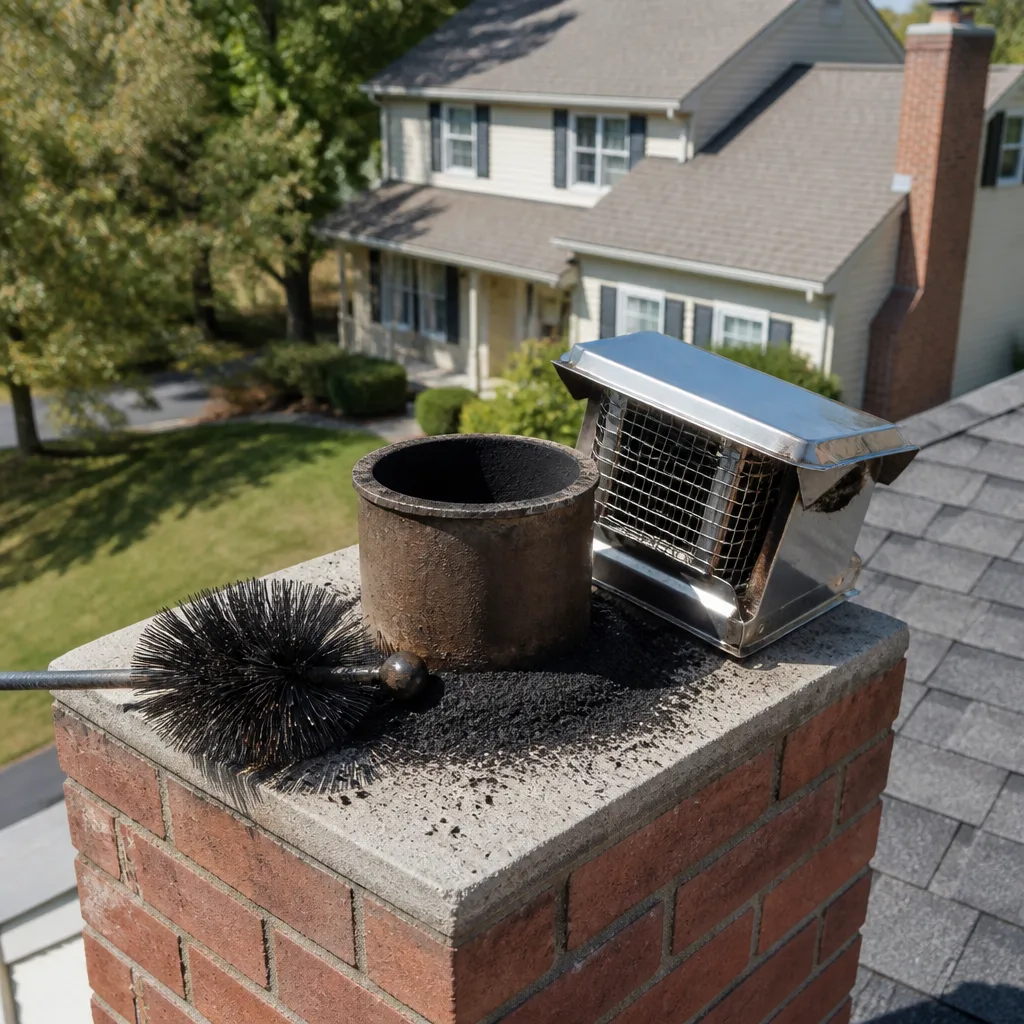
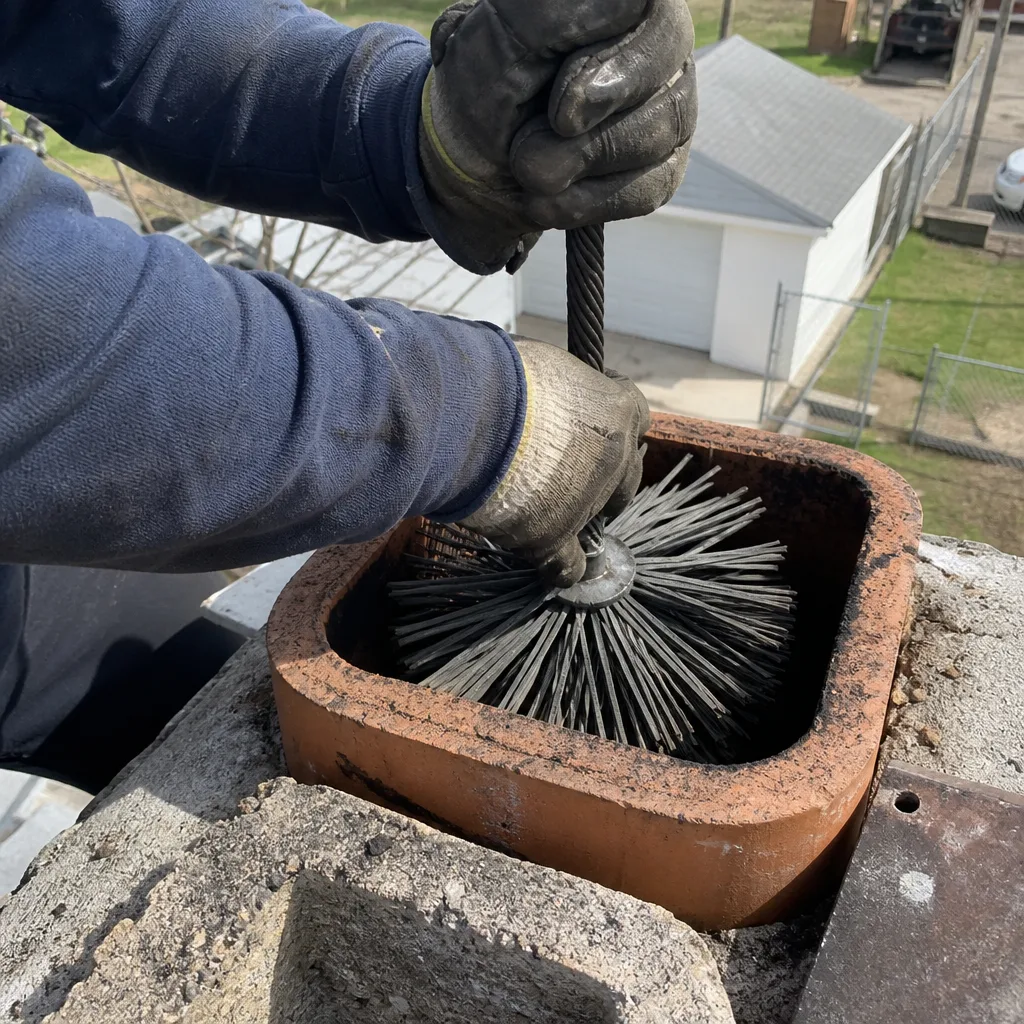
Chimney sweep logs do not sweep chimneys. They loosen some creosote - which then falls where a brush and vacuum still have to collect it.
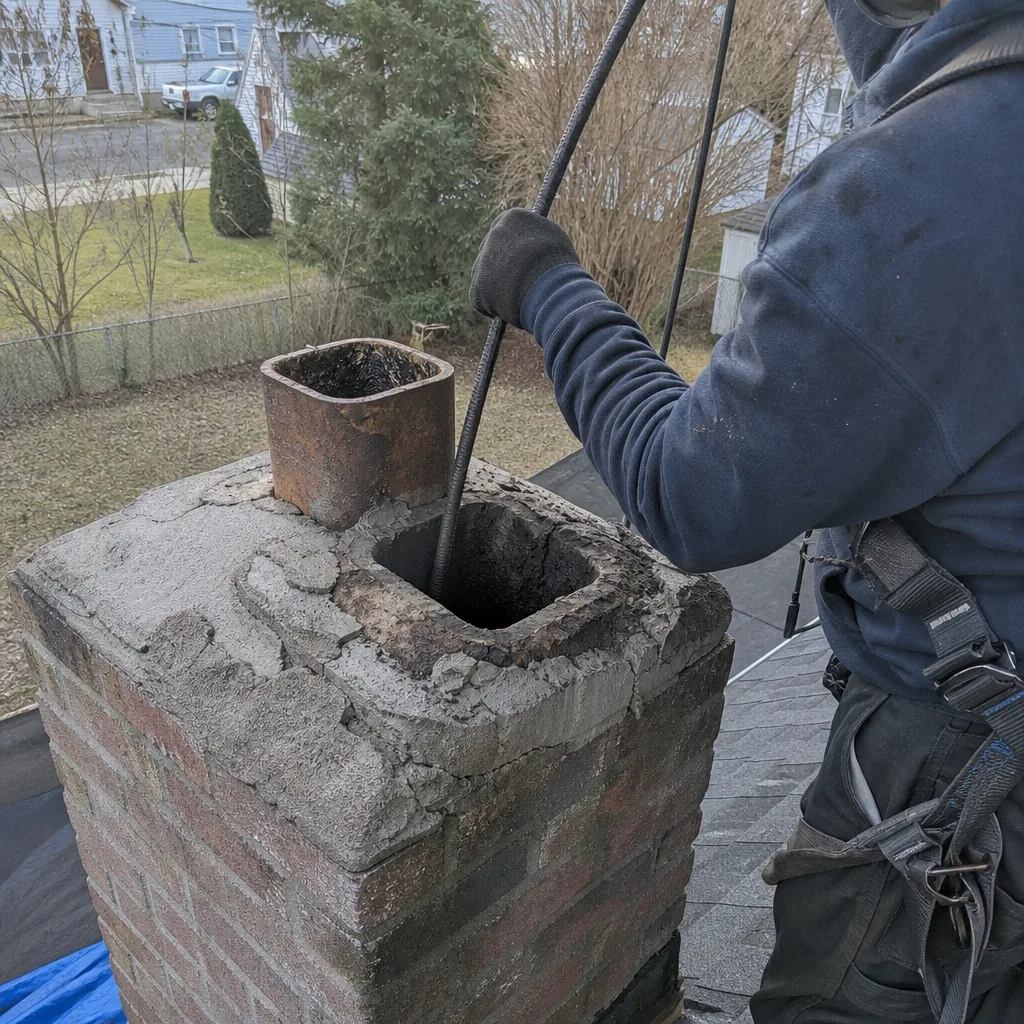 Before
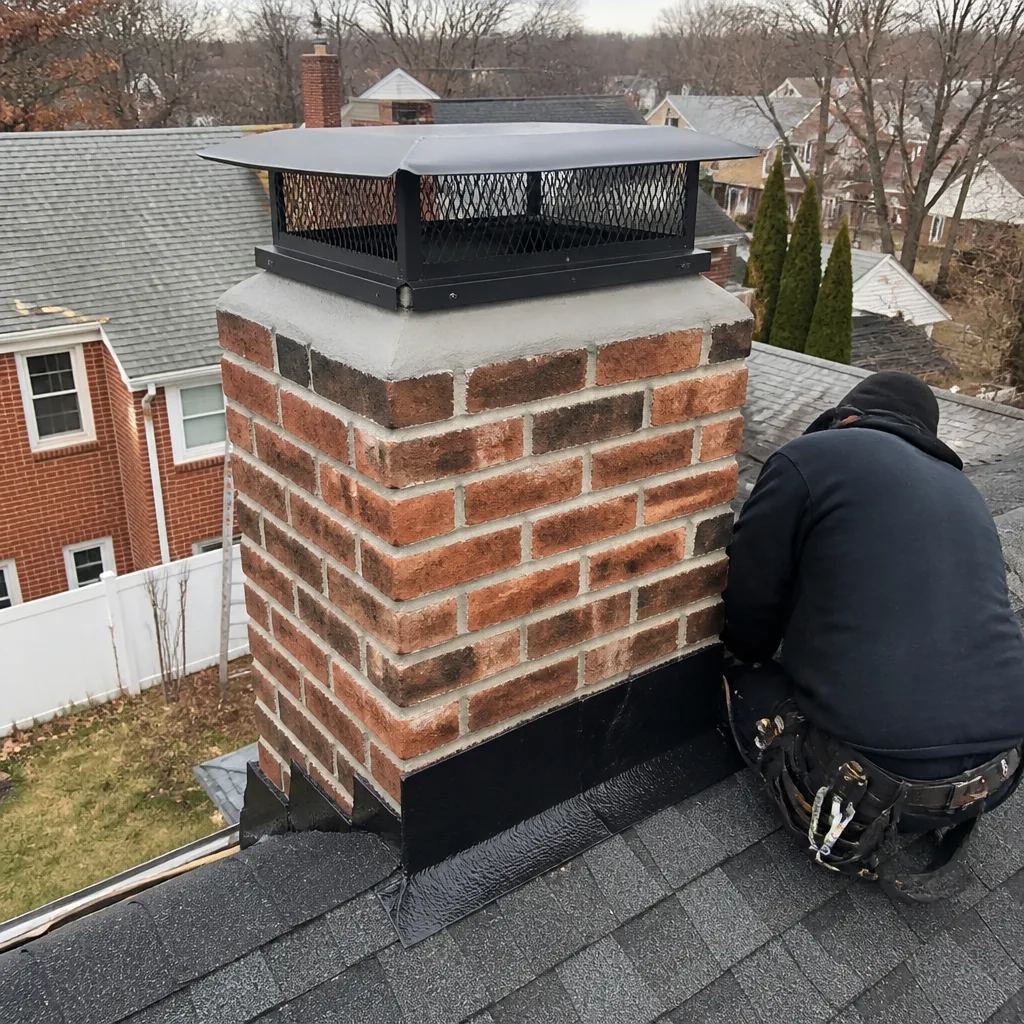 After
After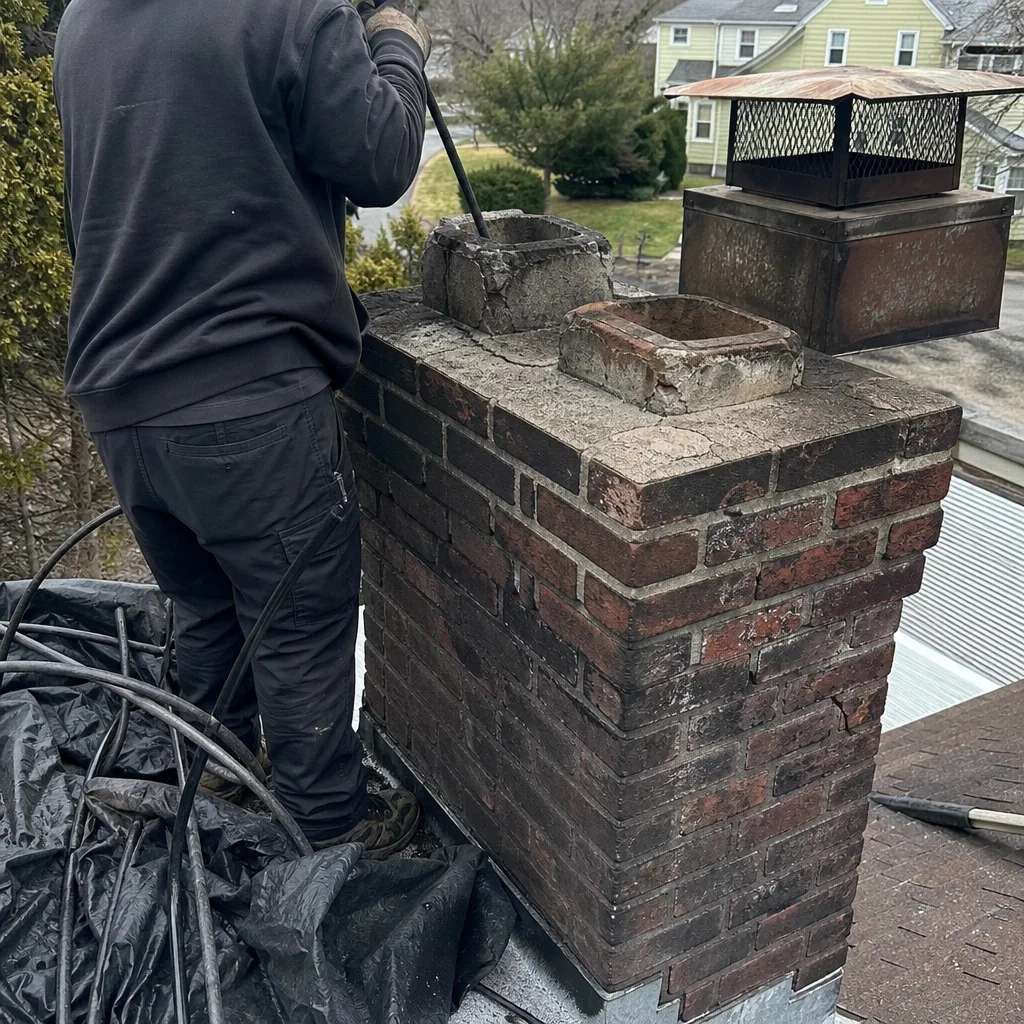 Before
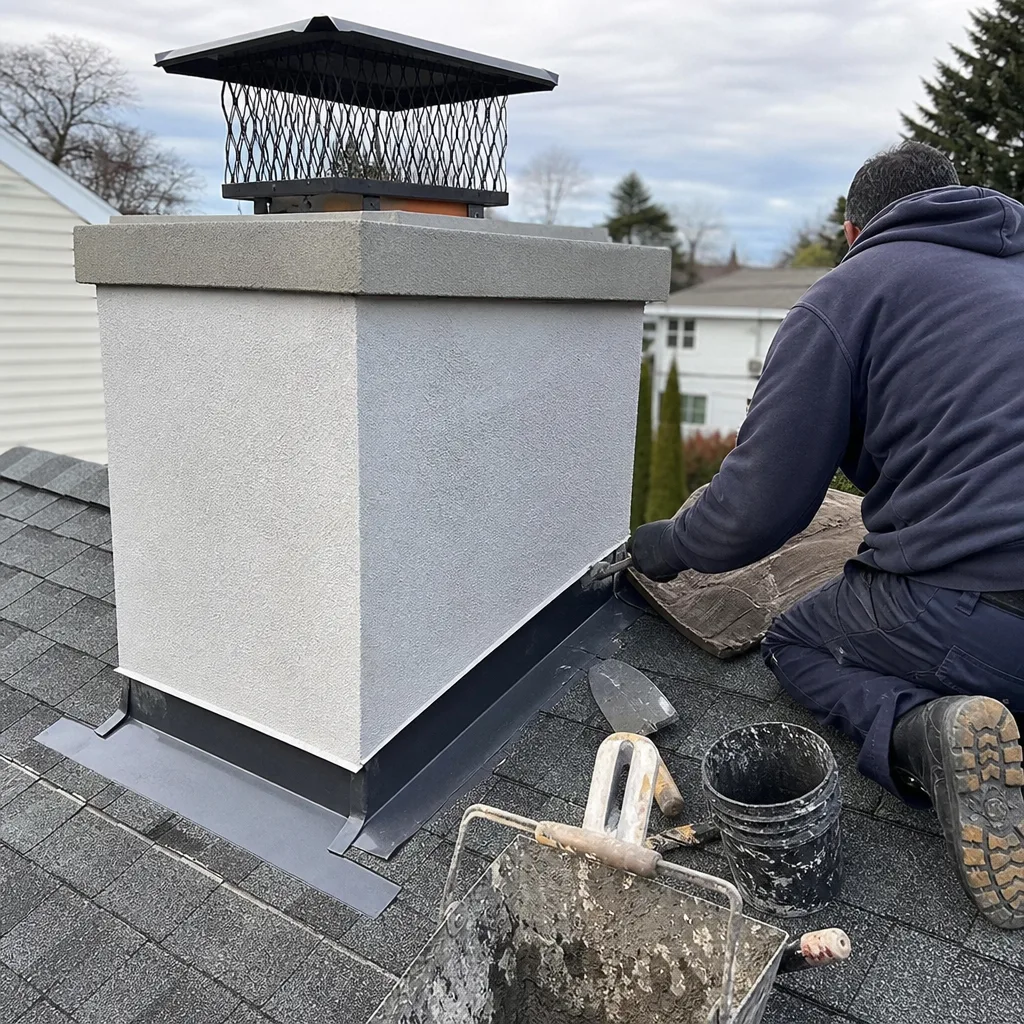 After
After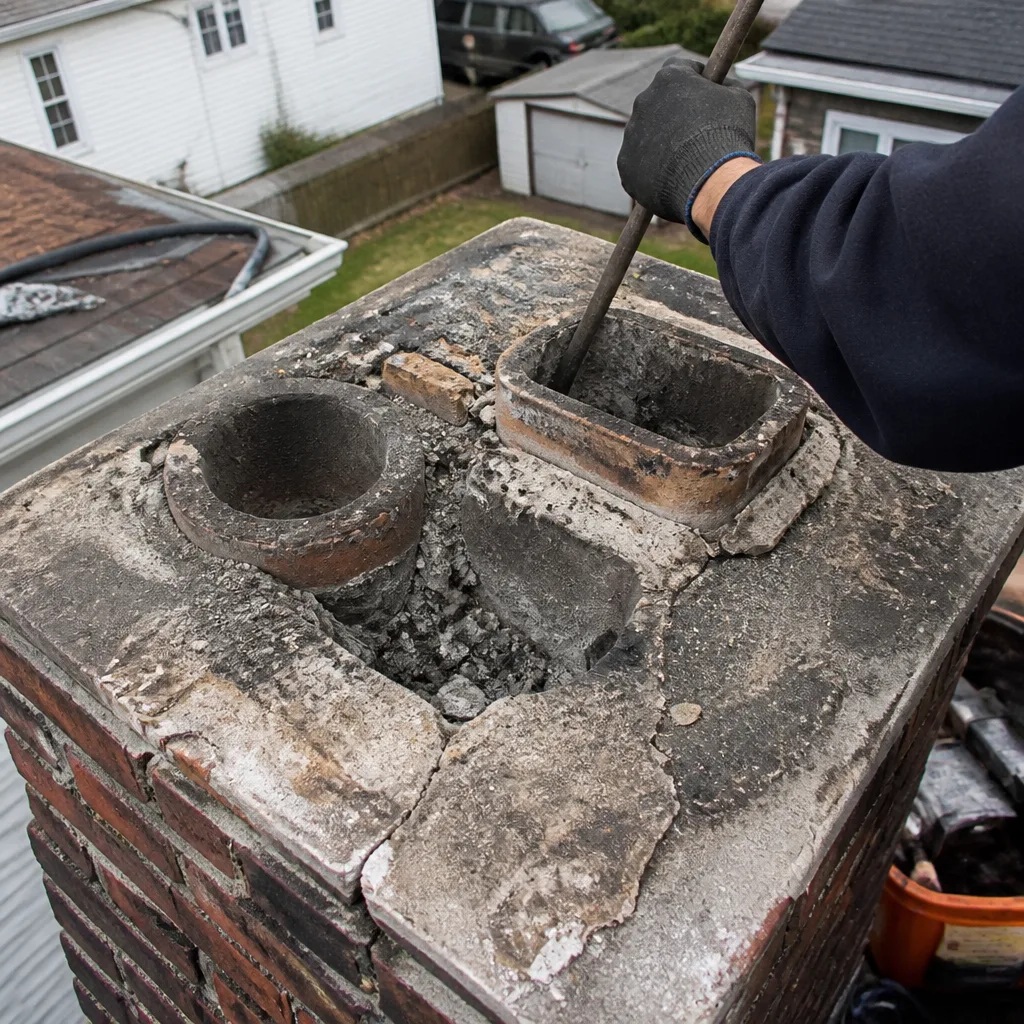 Before
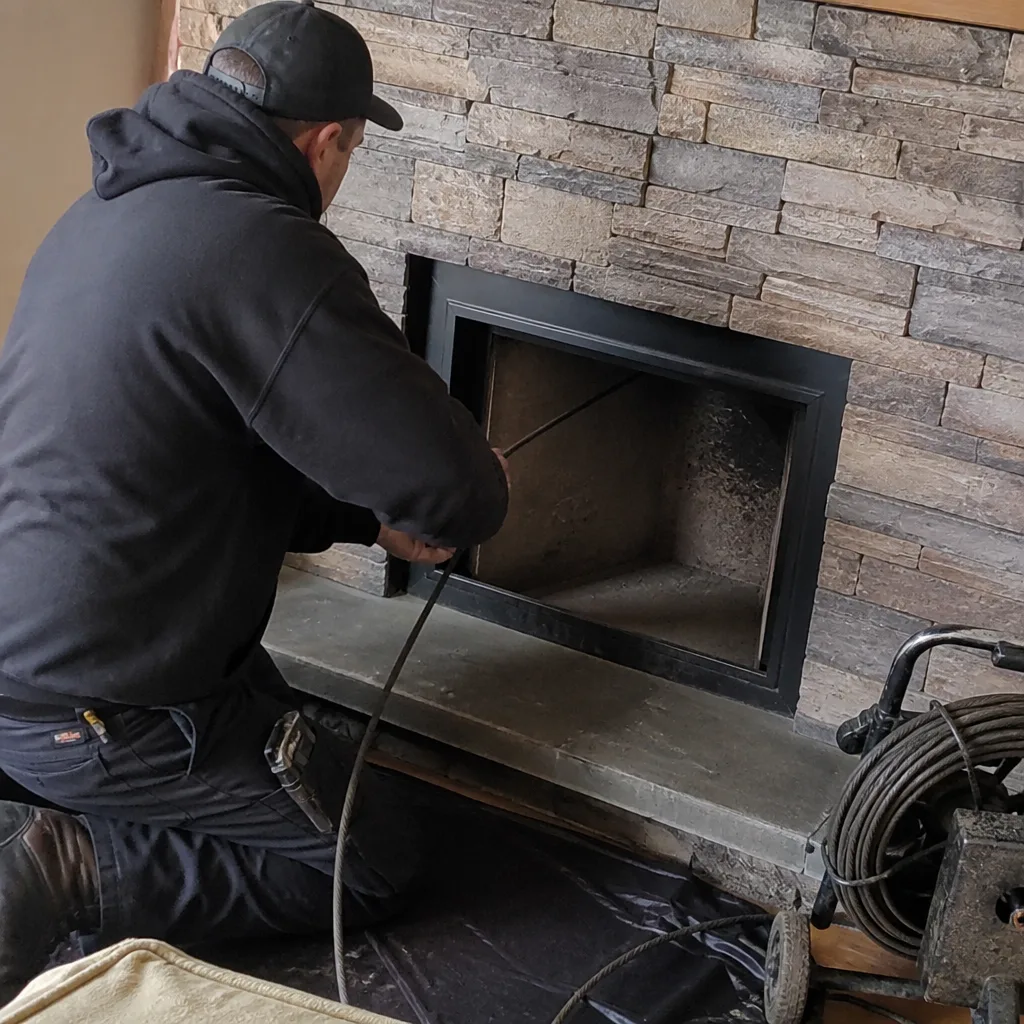 After
AfterCopperfield Flue Liner Replacement: The Newark Owner’s Guide
If you’ve got a Copperfield flue liner that’s cracked, spalling, or rusted through, we stock Copperfield-compatible replacement liners and install them throughout Newark, typically for $2,100 to $3,800 installed depending on flue height and access. Most Copperfield liner replacements in Newark are done in a single day once we’re on site, and every job comes with a written price before work starts and a documented photo record when it’s done. The way Newark homeowners usually discover the liner has failed is either during a sweep, when the camera comes back up with a crack in frame, or when they notice flakey bits of clay and metal gathering at the base of the firebox.
We’re an independent service provider in Newark, not affiliated with Copperfield. What that means for you: we can source the exact Copperfield spec your chimney needs, but we also carry equivalent liner systems from DuraFlex, HeatShield, and Gelco when an aftermarket option is the better call for your budget or chimney geometry.
Which Copperfield Models This Applies To
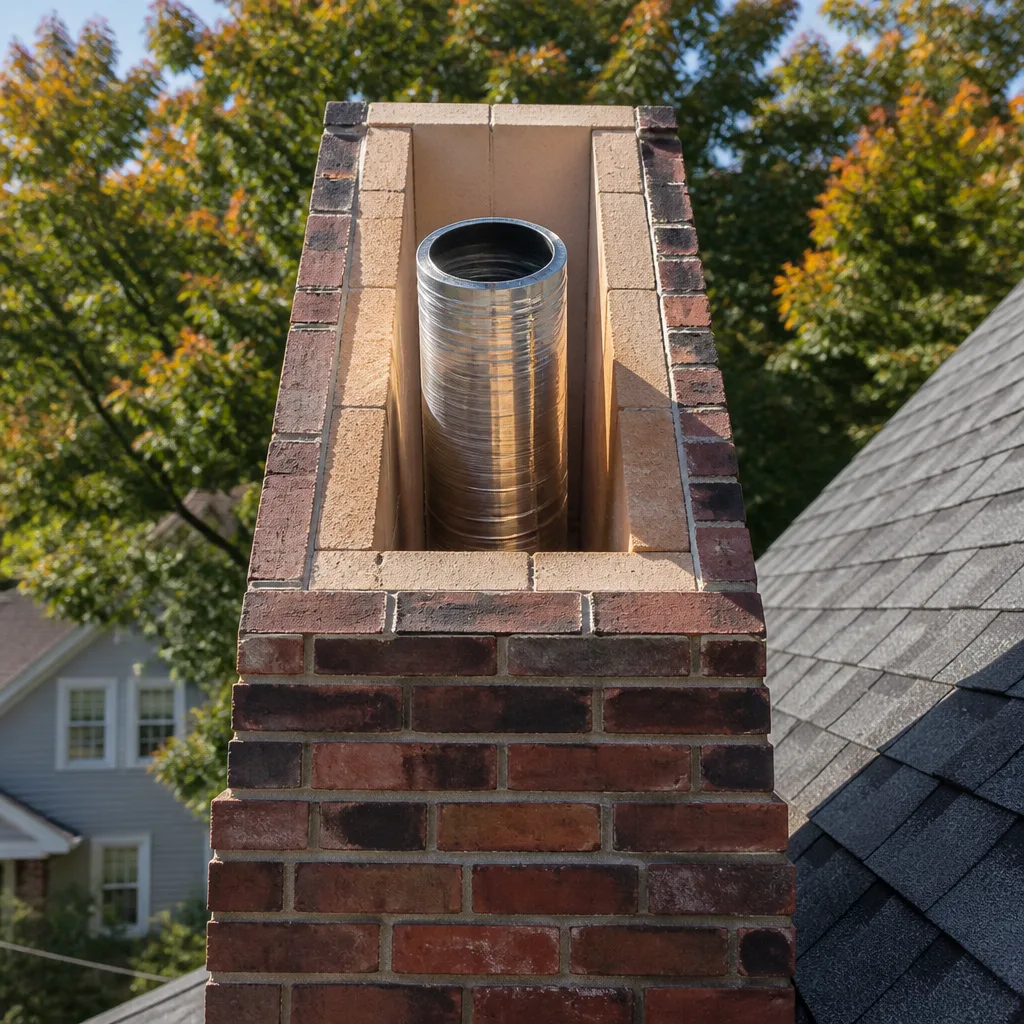
Copperfield has manufactured stainless steel chimney liners under a few distinct product families, and the compatibility question matters more than most Newark homeowners expect. The two you’ll most likely have in a home built between 1985 and 2010 are the Copperfield CF-Series (smooth-wall, 6-inch and 8-inch diameters common in masonry chimneys serving wood stoves and older gas inserts) and the Copperfield DuraFlex-alike corrugated liners used in retrofit applications where the flue has offsets.
Identifying which liner you have is straightforward. Look for the stamped label on the exposed section of the liner inside the firebox or at the chimney top, or measure the inner diameter with a tape measure: Copperfield liners for wood-burning appliances are typically 6 inches or 8 inches, while gas-only chimneys often use 5-inch or 6-inch. A key compatibility gotcha Corrine Halstead flags on every evaluation: Copperfield’s older smooth-wall liners used a proprietary locking profile at the seams. If you’re replacing a section, you can’t mix Copperfield’s old pattern with a generic off-the-shelf liner without a connector kit. Sometimes the cleanest fix is full replacement rather than patching from two different systems.
On OEM versus aftermarket: Copperfield’s OEM liners are solid stainless, but in Newark’s freeze-thaw winters we’ve seen the wall thickness on original 25-year-old Copperfield liners wear thin at the corbel joints. A quality aftermarket liner in 316L stainless with the same diameter and insulation wrap will often outlast what’s already there, and it’s priced lower because you’re not paying for the name stamped on it. We’ll show you both options in writing before you decide.
Signs Your Copperfield Flue Liner Replacement Is Failing
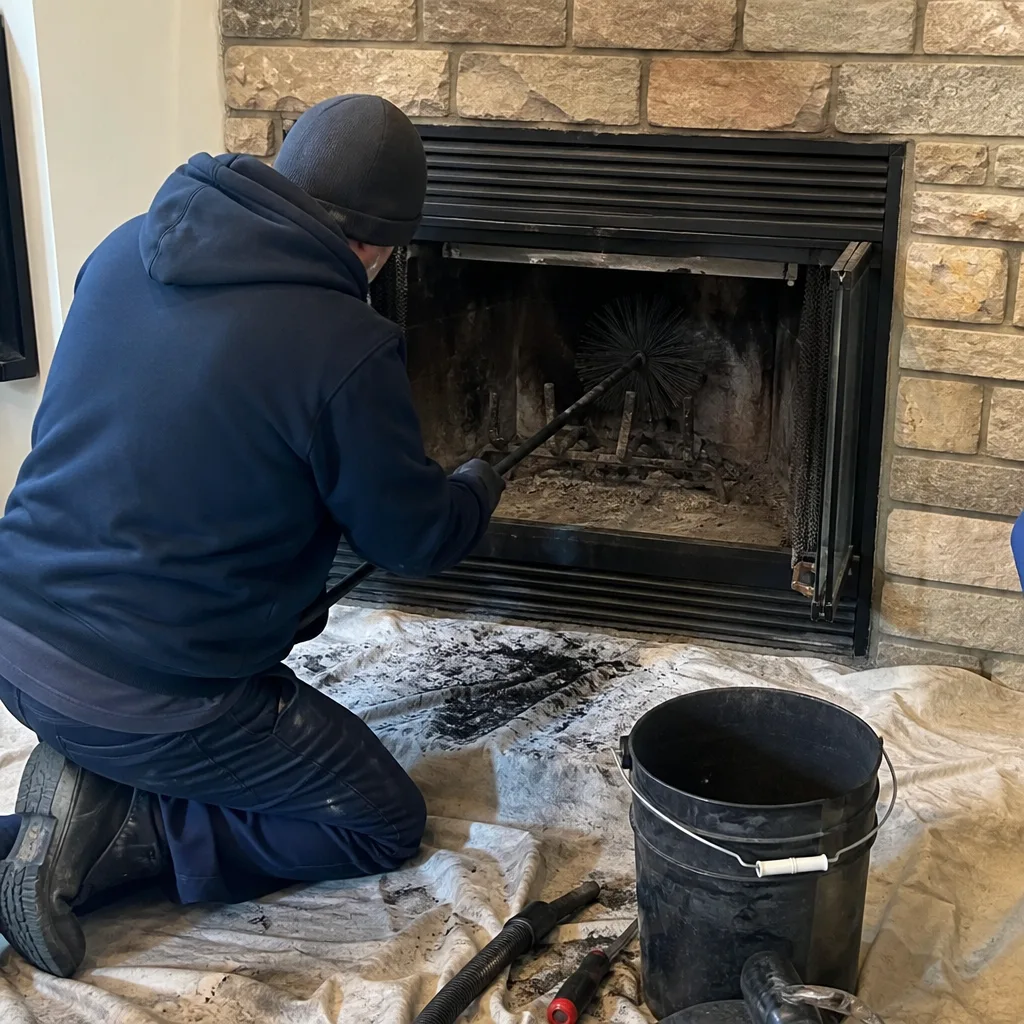
- Flakes of metal or clay at the base of the chimney. When a Copperfield liner starts to delaminate or the surrounding clay tile spalls, debris collects on the smoke shelf and drops into the firebox. It looks like rust chips mixed with sandy grit.
- Visible rust staining on the exterior brick of the chimney. Moisture from a compromised liner migrates through the masonry. In older Newark row houses near Branch Brook Park, we regularly see rust-colored blooms on the chimney face that trace back to a liner breach.
- A sulfur or musty smell from the fireplace when it isn’t in use. A failed liner lets flue gas and moisture back in. That’s not normal masonry scent; that’s a liner that’s no longer containing what it’s supposed to.
- Your carbon monoxide detector triggering without an obvious source. Flue gas backdraft through a cracked liner can push CO into living spaces. If you’re seeing this, stop using the fireplace and call us.
- Pieces of the liner visible from the roof during gutter cleaning or after a storm. Newark’s wind and freeze cycles work at the cap and top section first. If you can see a torn edge or gap at the top of the flue, the damage has already progressed down the liner.
BeforeAfterReplacement Cost & What’s Included
In Newark, a Copperfield flue liner replacement runs $2,100 to $3,800 installed in most single-story or two-story homes. Single-story homes with a straight vertical flue typically land at the lower end. Two-story homes with roof steepness, access complications, or a liner that’s fused to the surrounding masonry push higher. Here’s the breakdown for a typical 6-inch by 25-foot liner replacement in a Newark row house:
- Liner and insulation kit (316L stainless, Copperfield-compatible or aftermarket): $700-$1,200
- Removal of the old liner and site prep: $350-$600
- Installation labor, including connector adaptation and top plate: $700-$1,200
- Camera-scan verification and photo documentation (Clause 4 of the Haven Standard): included, not an add-on
Every quote is written before work starts, with a written scope and written warranty delivered on paper, not in a verbal handshake. The 365-Day Done Right Promise applies: if it’s not done right, we make it right. That’s stamped on every job under the Haven Standard.
DIY or Call Us?
A flue liner replacement is not a safe DIY job, and we say that plainly, not as sales pressure. Getting a liner down a masonry flue requires working from the roof, handling stainless sections that can be 20 to 35 pounds apiece, and making a proper connection at the appliance collar. Doing it wrong isn’t a cosmetic issue; it’s a carbon monoxide and chimney fire risk. What Newark homeowners can safely do: check the firebox for debris, look for visible rust staining on the chimney face, and call us for a camera-scan evaluation. We’ll show you the footage on the spot. If the liner is sound, we’ll tell you that and leave. If it isn’t, we’ll show you exactly where it failed and write down the fix with the cost attached. Call (862) 245-4309 and we’ll schedule an evaluation.
FAQs
Most Copperfield liners in Newark last 15 to 20 years with regular use, less if the chimney cap has been missing or the liner was exposed to sustained moisture. Newark’s freeze-thaw cycles accelerate wear at the top section. “The camera doesn’t negotiate, it just shows what’s there.”
Small cracks near the top of a Copperfield liner can sometimes be addressed with a section splice, but once the liner wall is delaminating or rusted through at multiple points, full replacement is the only repair that meets NFPA 211. Patch jobs on a compromised liner tend to fail within a season or two, especially in our winters.
Most Copperfield liner replacements in Newark are completed in 4 to 7 hours on site, start to finish. You get a written scope and price before we begin, and a documented photo record when we’re done.
We stock common Copperfield-compatible liners in 6-inch and 8-inch diameters on our Newark service vehicles, along with connector kits, top plates, and insulation wrap. Less common sizes we source from our supplier network, usually within two business days. We’ll confirm availability before you’re scheduled.
Ready to have the liner looked at? Call (862) 245-4309 for a free estimate and a camera-scan evaluation. Written price before any work starts, always.
Written by Corrine Halstead, Owner, Level Two Chimney Newark at Level Two Chimney Newark, serving Newark and nearby areas.