
Level 1 sweep and inspection to the NFPA 211 annual standard - flue, crown, cap, and flashing checked and photographed
Chimney sweep logs do not sweep chimneys. They loosen some creosote - which then falls where a brush and vacuum still have to collect it.
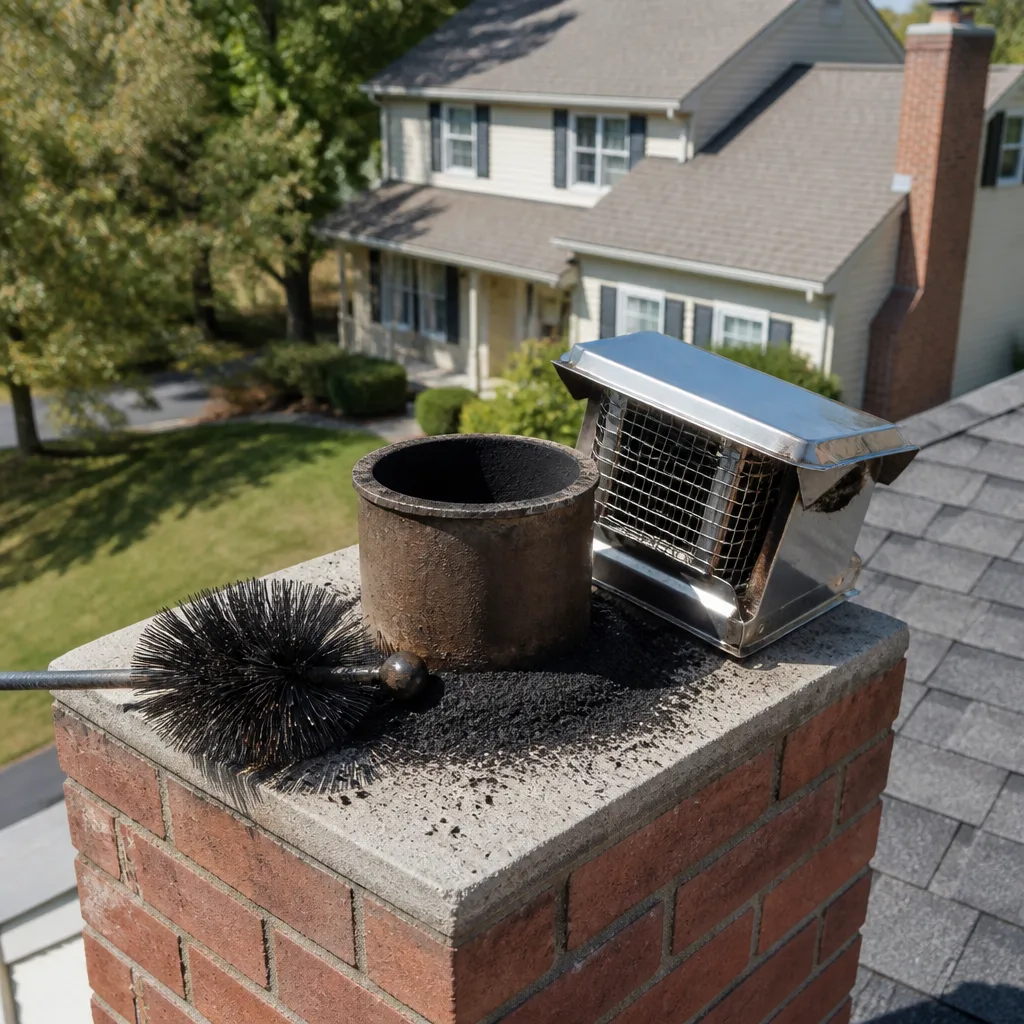
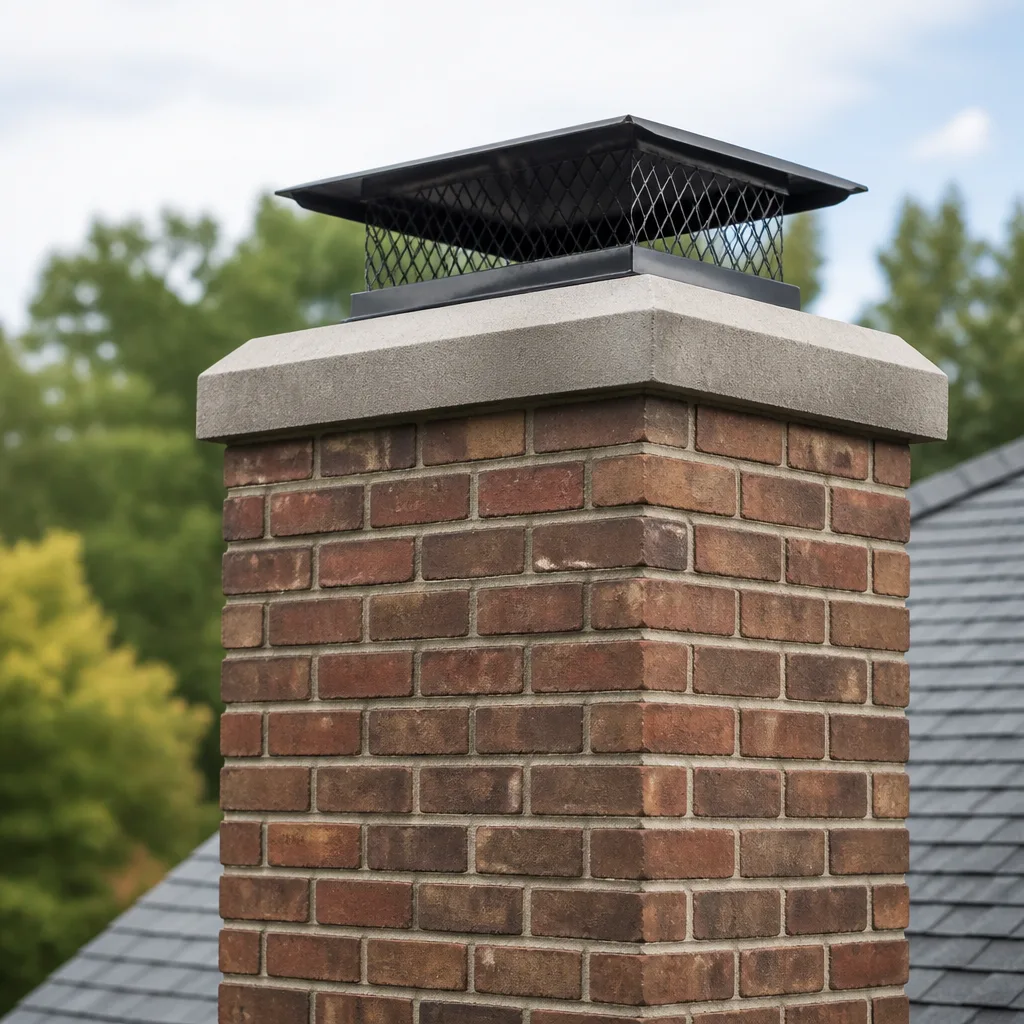
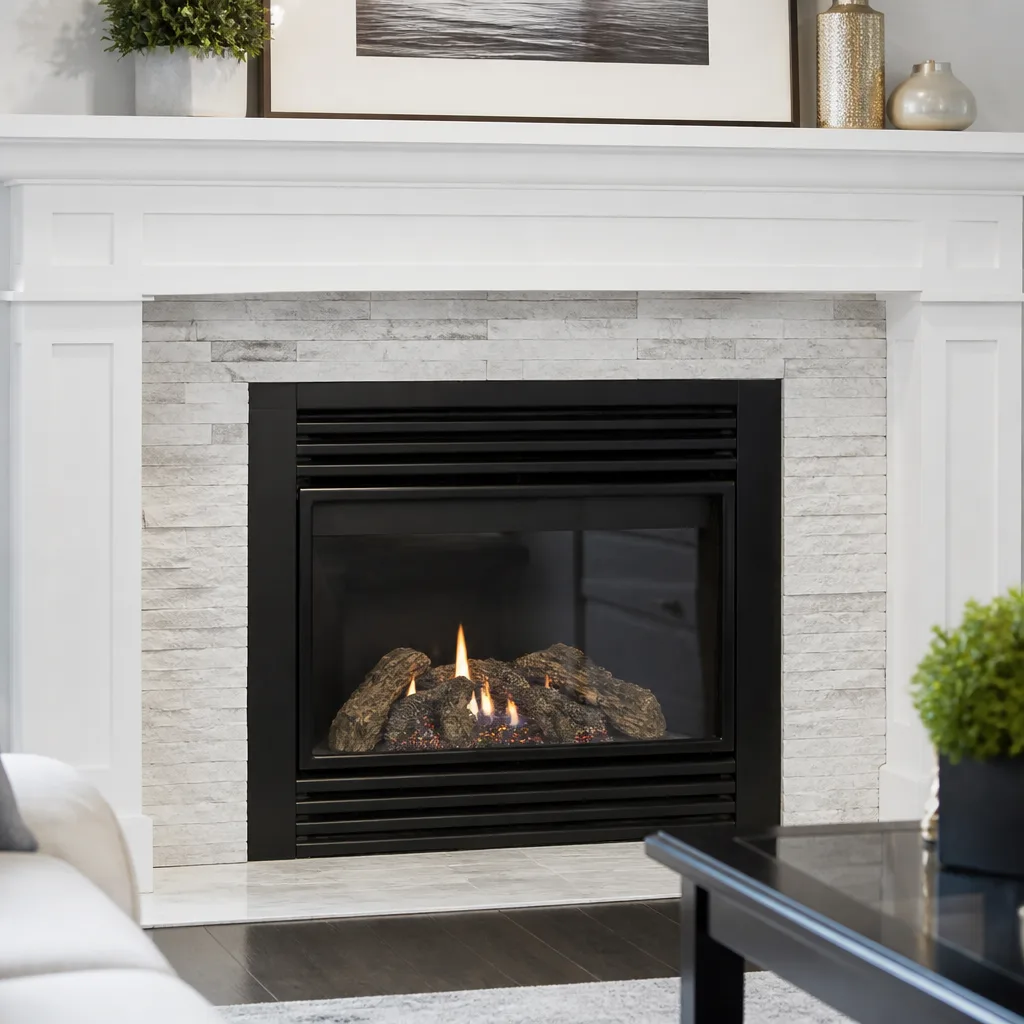
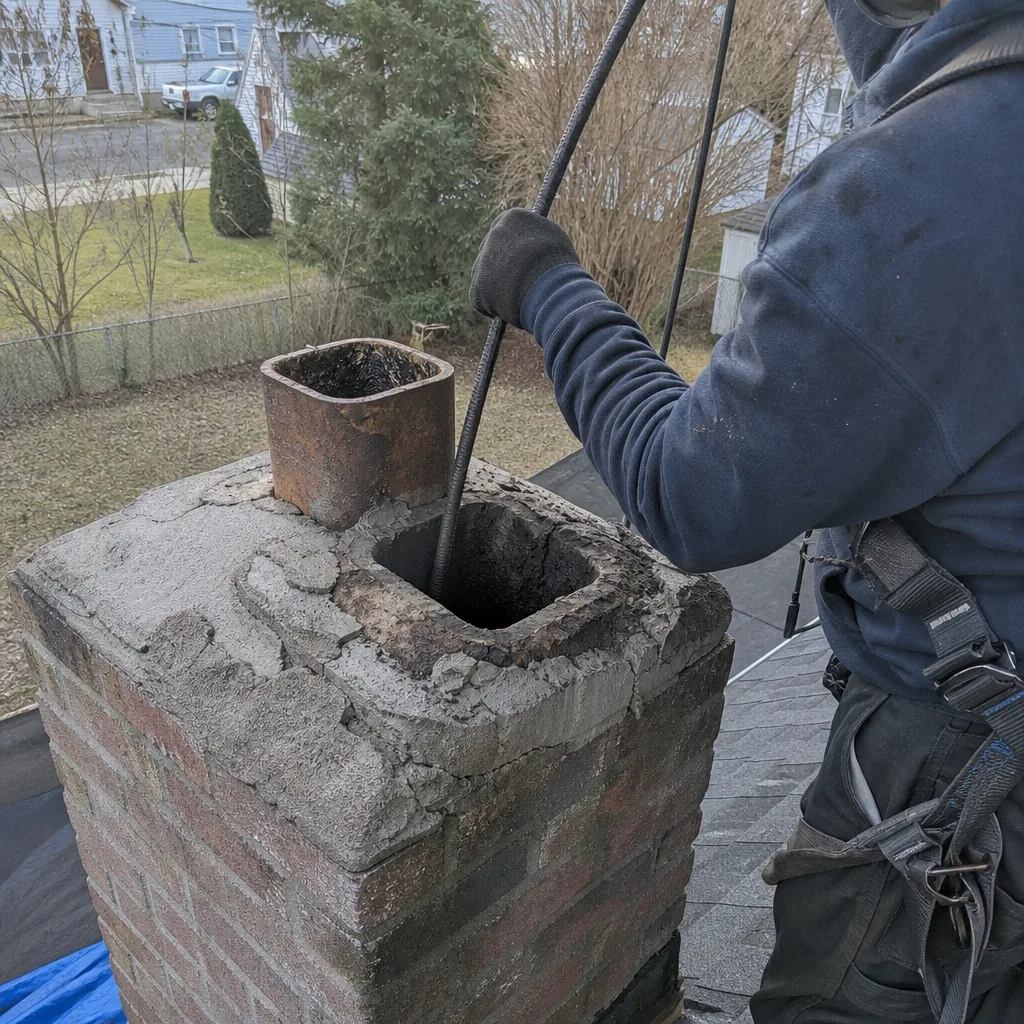 Before
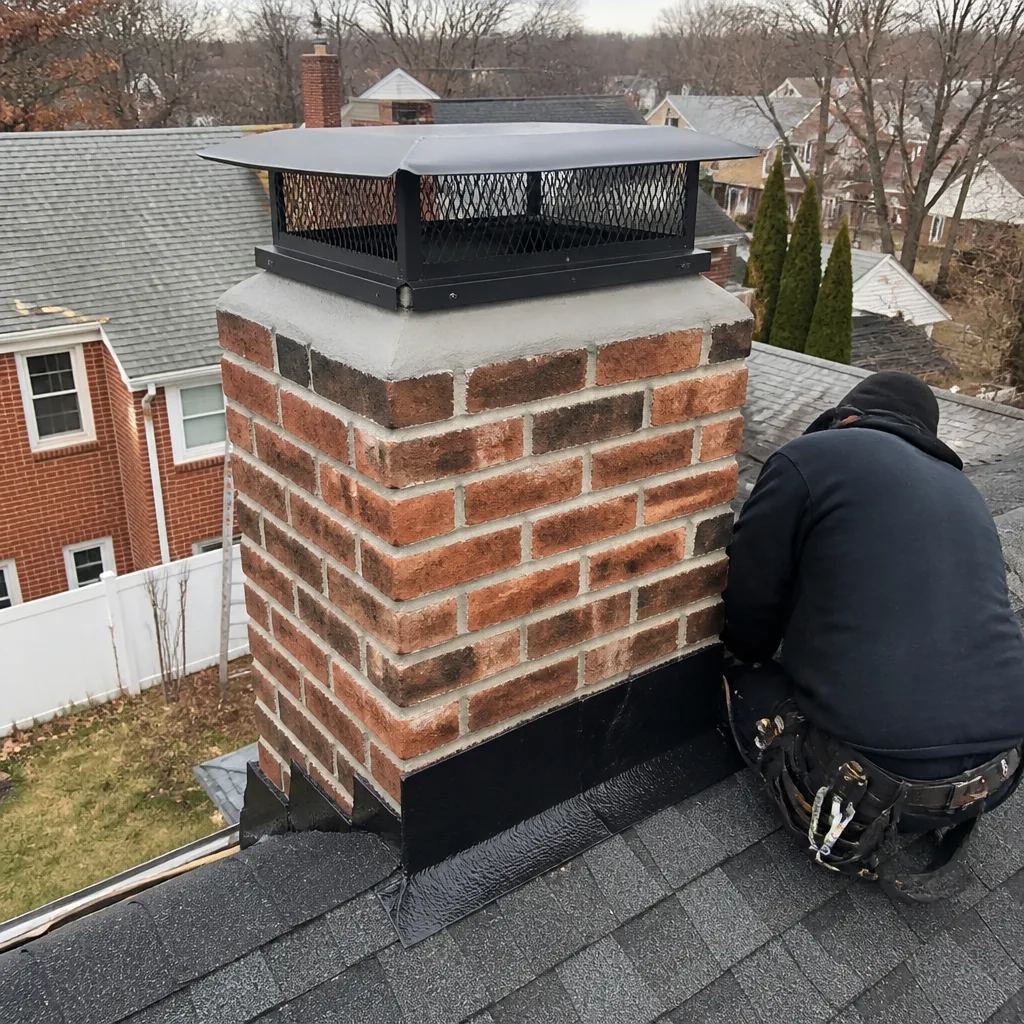 After
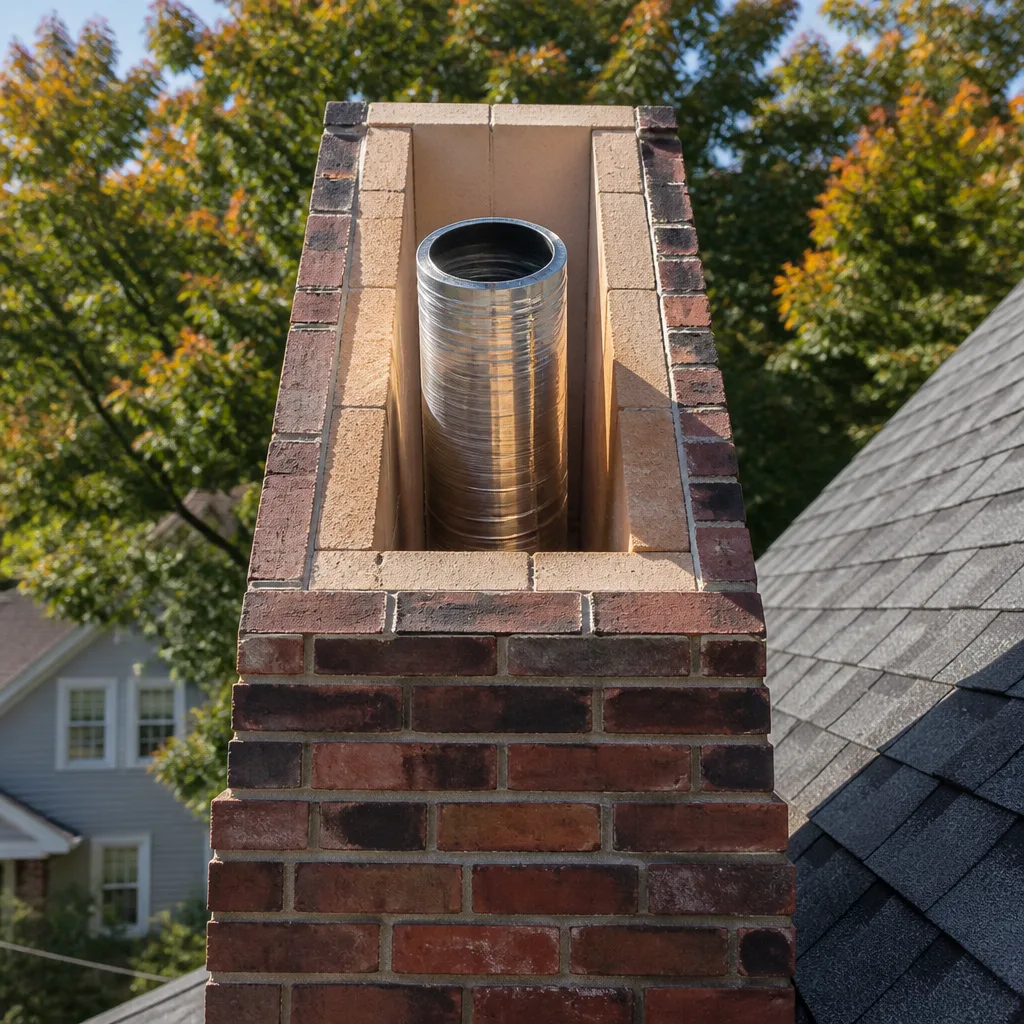
After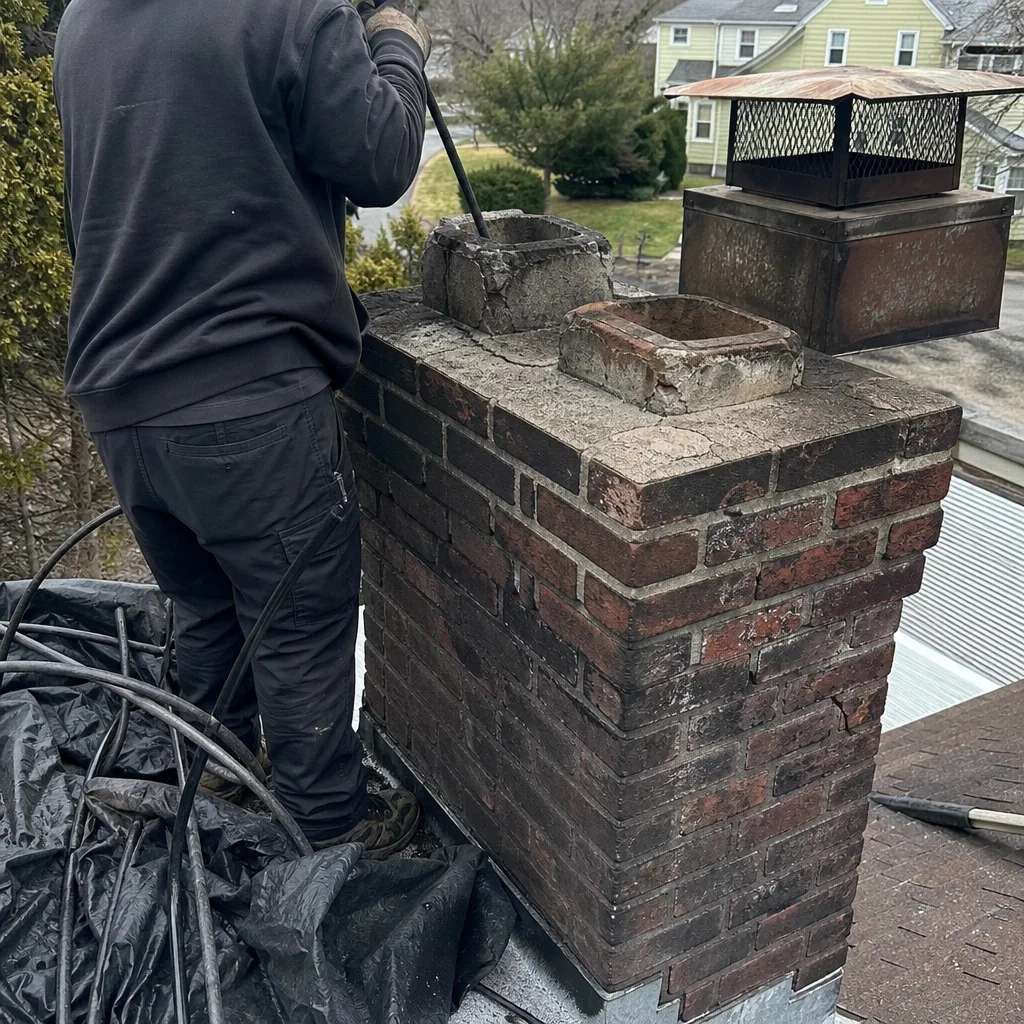 Before
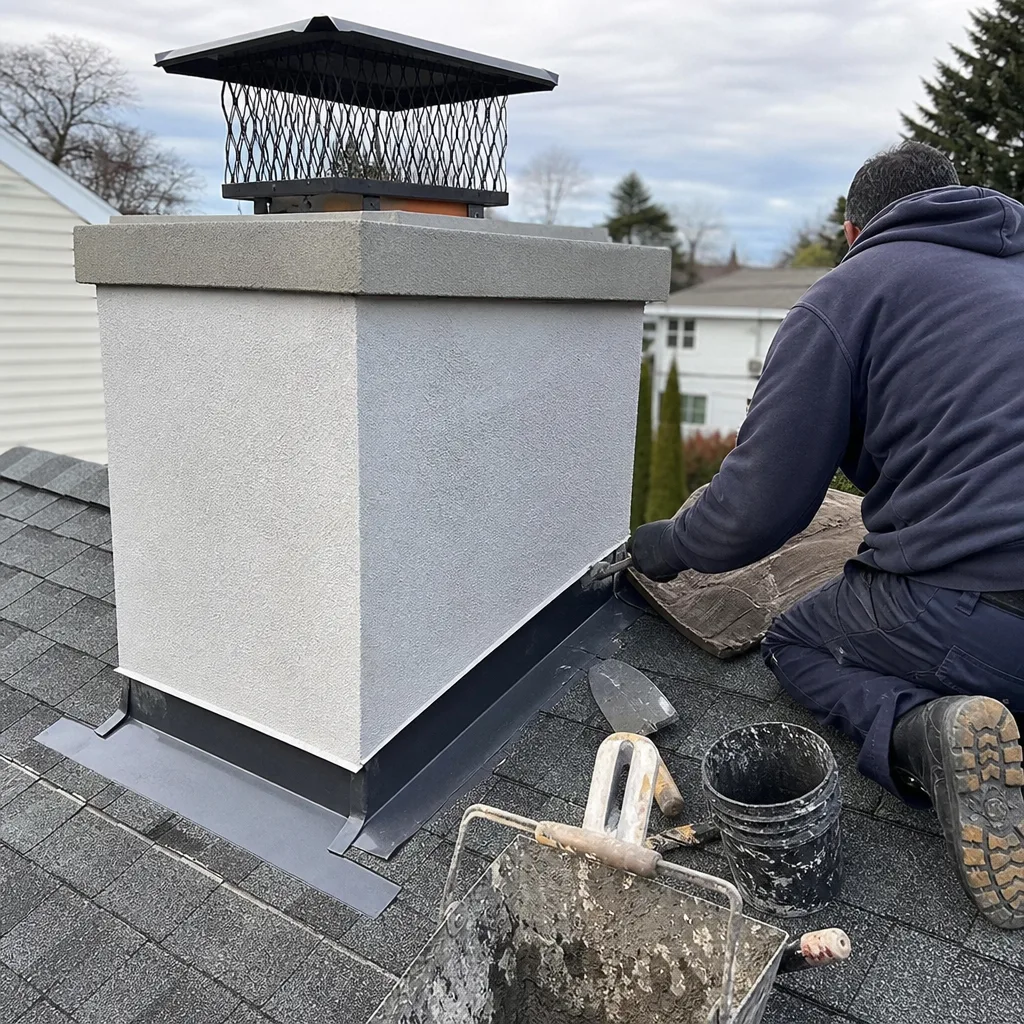 After
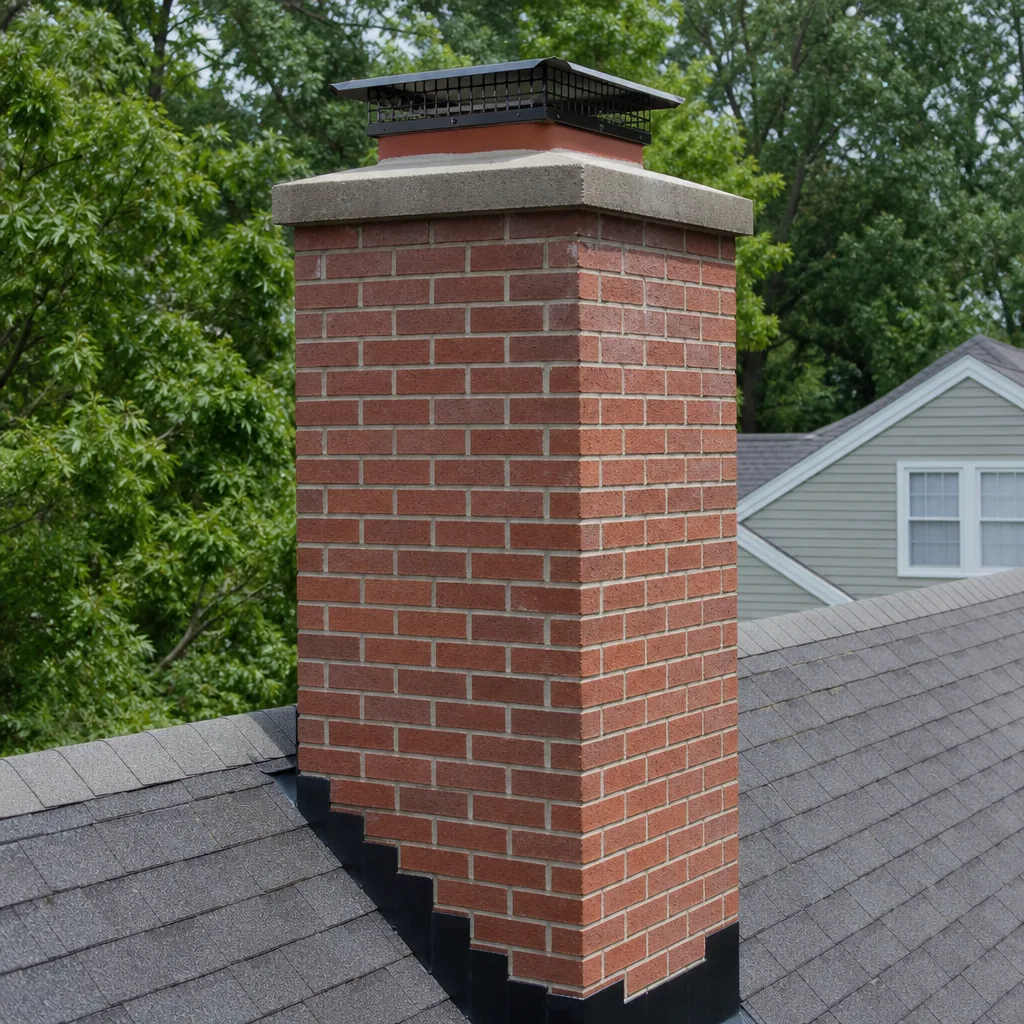
After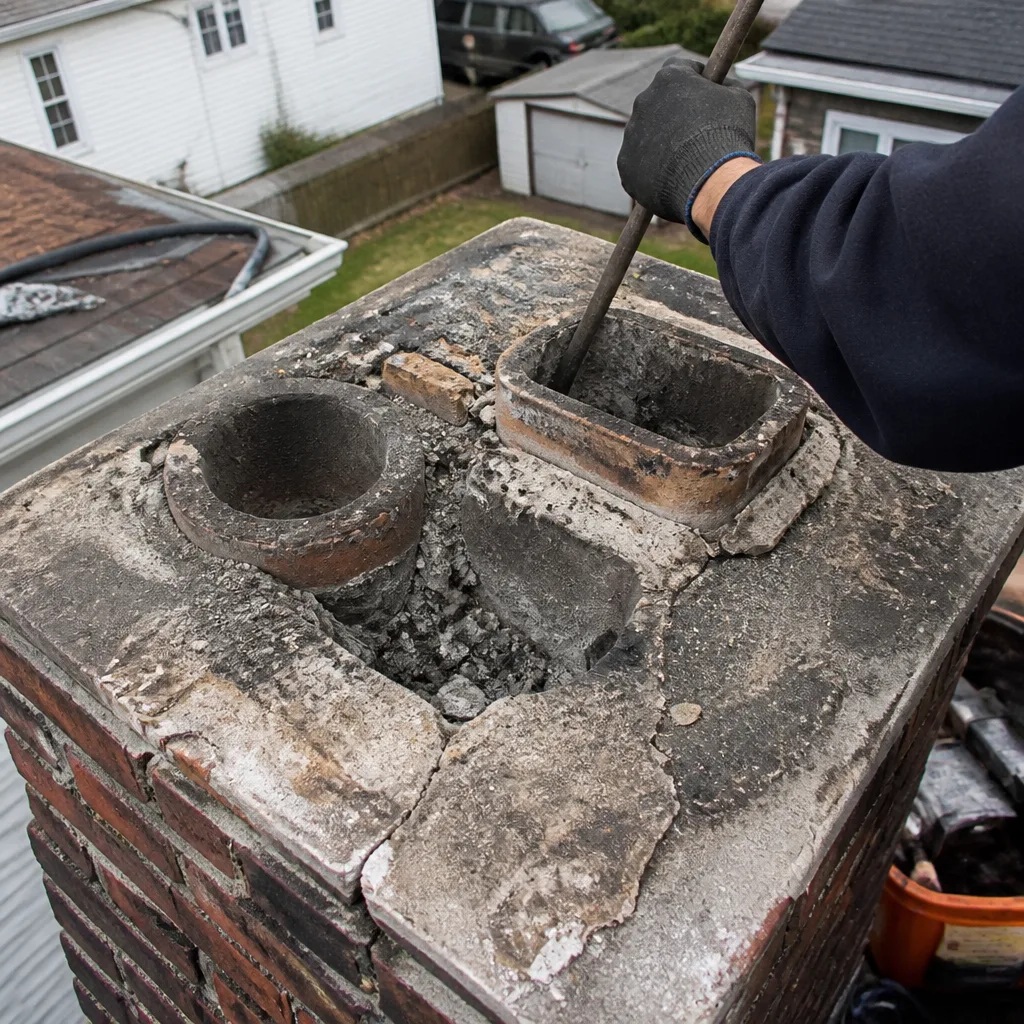 Before
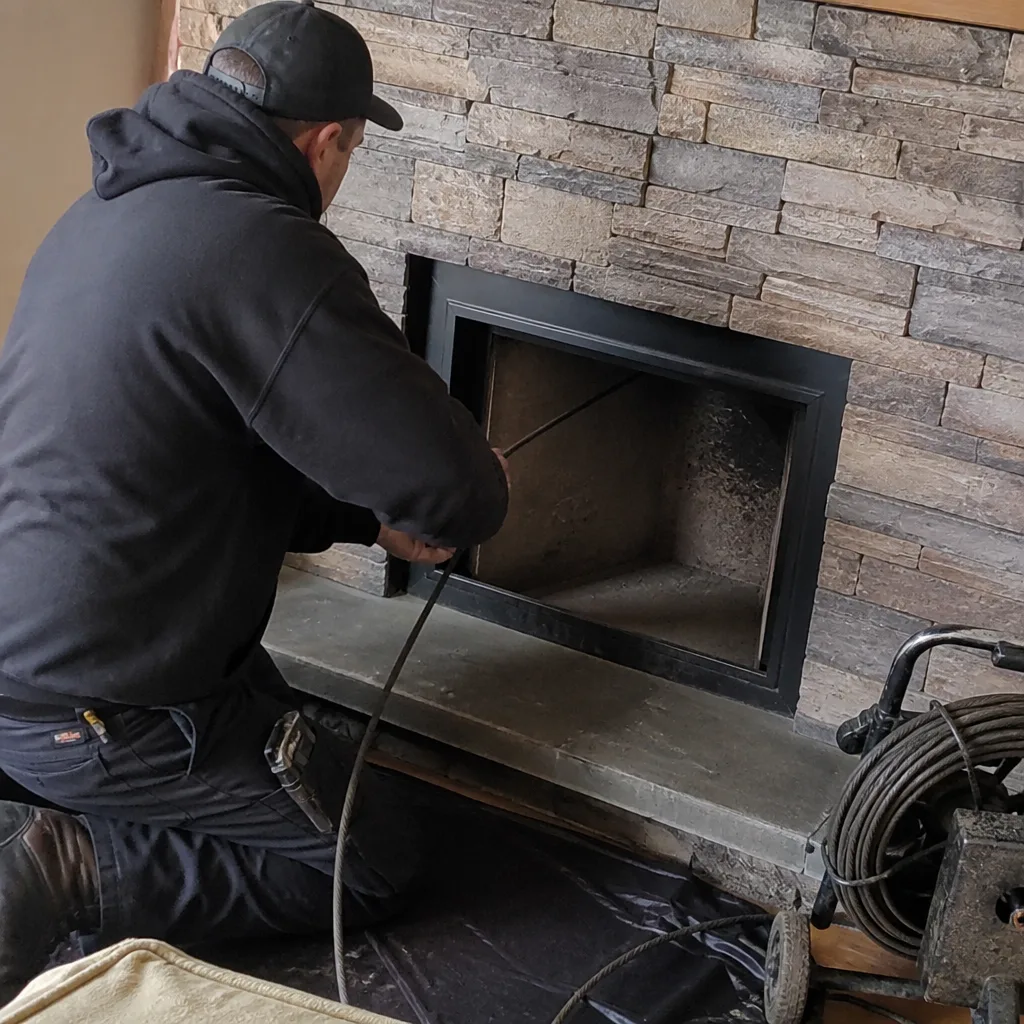 After
AfterSoot Removal in Newark, NJ
Soot removal in Newark typically runs $149 to $349, depending on how much soot has built up, how accessible your flue is, and whether the smoke chamber or firebox needs attention beyond the flue itself. Most jobs are done in a single visit, with a written price confirmed before anyone opens a brush.
Soot is the fine black carbon residue that coats your flue liner, smoke chamber, and firebox walls every time you burn. A thin layer is normal. A heavy layer – one that looks like a black velvet coating or shows visible dripping – signals incomplete combustion, and it narrows your flue, reduces draft, and puts a combustible layer between your fire and your masonry. At Level Two Chimney Newark, we’ve handled soot removal across Newark’s housing stock since 2009: the older colonials in the Vailsburg section, the row houses near Branch Brook Park, the converted multi-families in the Ironbound. The flues vary; the process doesn’t. Written price first. Camera scan included. Photo record when we’re done.
If you’re trying to figure out whether what you’re seeing is a routine soot issue or something more serious, call us at (862) 245-4309 – a live person answers, any hour. Or read through the rest of this page; it covers what soot removal involves, what it costs in Newark, and what to expect from start to finish. This page is part of our full Chimney Cleaning & Sweep in Newark service – soot removal is one component of that broader work, and sometimes the inspection uncovers that both are needed.
When You Need Soot Removal
Soot doesn’t always announce itself with obvious signs. Sometimes it’s visible the moment you open the damper. Other times it shows up only when a camera goes down the flue. Here are the clearest indicators that soot removal in Newark belongs on your list:
- Black dust or flaking near the firebox opening. If you’re finding fine black particles on the hearth, the surround, or nearby surfaces after a fire, soot is migrating out of the firebox – often because the flue is restricting draft. In Newark’s older row houses with shallow fireboxes, this is a common complaint we hear before a first inspection.
- A persistently smoky fireplace. A fire that smokes into the room instead of drawing up the flue usually has a draft problem. Heavy soot buildup narrows the effective diameter of the flue liner, making it harder for gases to escape cleanly.
- Visible black coating on the smoke shelf or smoke chamber. If you can see a dark, sooty crust above the damper plate, the smoke chamber has accumulated deposits that should be cleaned before the next burn season.
- Your last sweep was more than a year ago. Newark winters run long. If you used your fireplace regularly between October and March and haven’t had it cleaned since, there’s a statistically reasonable chance soot has built to a level worth addressing before the next season.
- A musty or oily smell from the fireplace in summer. Soot absorbs humidity. In Newark’s humid July and August, a fireplace that smells like a wet ashtray is often telling you the flue walls are coated and holding moisture. That moisture also accelerates liner deterioration.
- A home inspection report flagging the chimney. Buyers and sellers around Newark’s Forest Hill and Weequahic neighborhoods often receive inspection reports noting soot accumulation. We offer a free second opinion on any written estimate – bring us the report.
Our Soot Removal Process
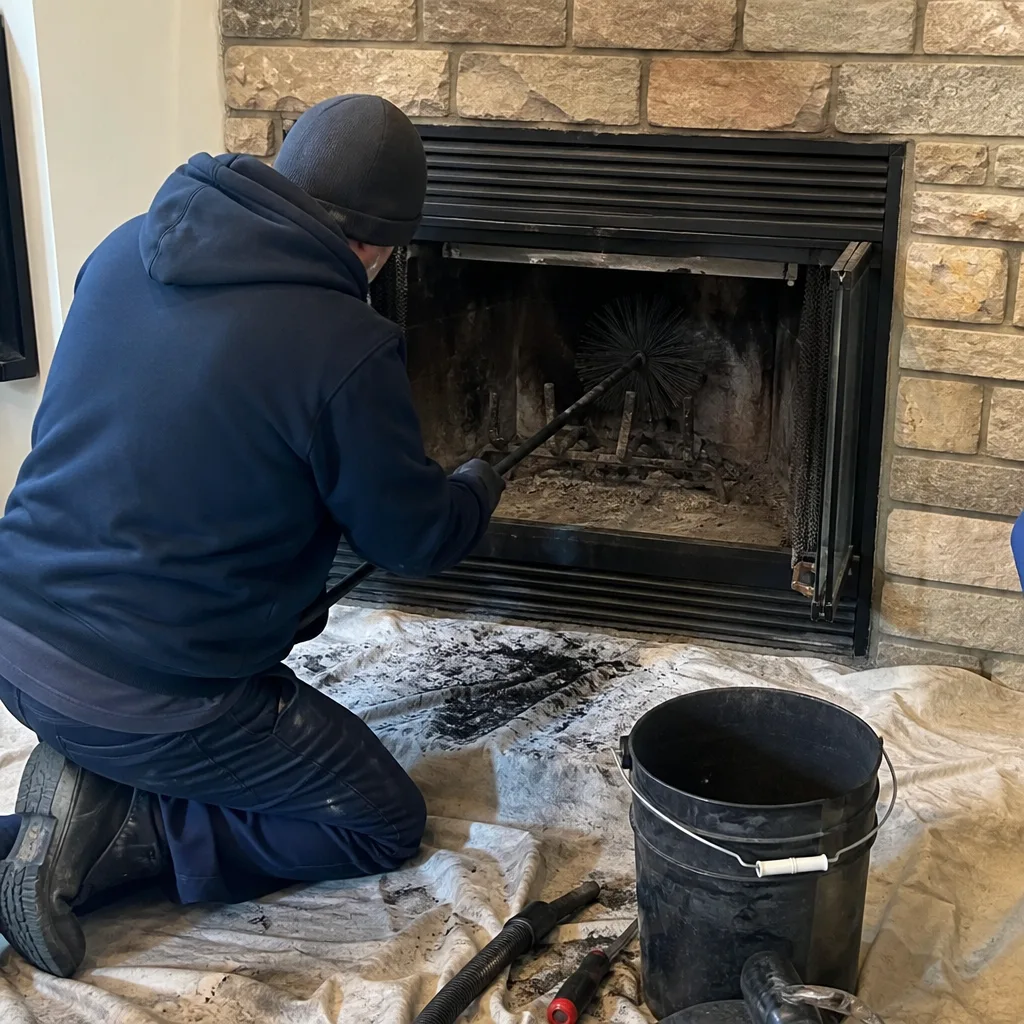
Every soot removal job at Level Two Chimney Newark follows the same documented sequence. Nothing is skipped to save time, because skipping steps is how soot problems get missed rather than fixed.
- Written price and scope before we start. Under Haven Standard Clause 1 (H.A.V.E.N. – “Have it in writing”), you receive a written price and written scope of work before any tools come out. If conditions change mid-job, we stop and show you – we don’t surprise you at the invoice. This isn’t a formality; it’s the entire point of how we operate.
- Camera scan of the flue – NFPA 211 Level 2. We drop a camera down the flue before we brush anything. This tells us exactly where soot has built up, whether there’s any creosote layering on top of it, and whether the liner itself has any cracks, spalling, or deterioration that affects the plan. The camera record becomes part of the photo archive for your chimney – on file under Haven Standard Clause 4.
- Firebox and hearth protection. We seal the firebox opening with a drop cloth and heavy plastic before any brushing begins. Soot is extremely fine and travels easily. In older Newark homes where the living room opens directly onto a fireplace surround, containing the debris is non-negotiable. Copperfield-grade brushes and rods matched to your specific flue diameter are used for the sweep.
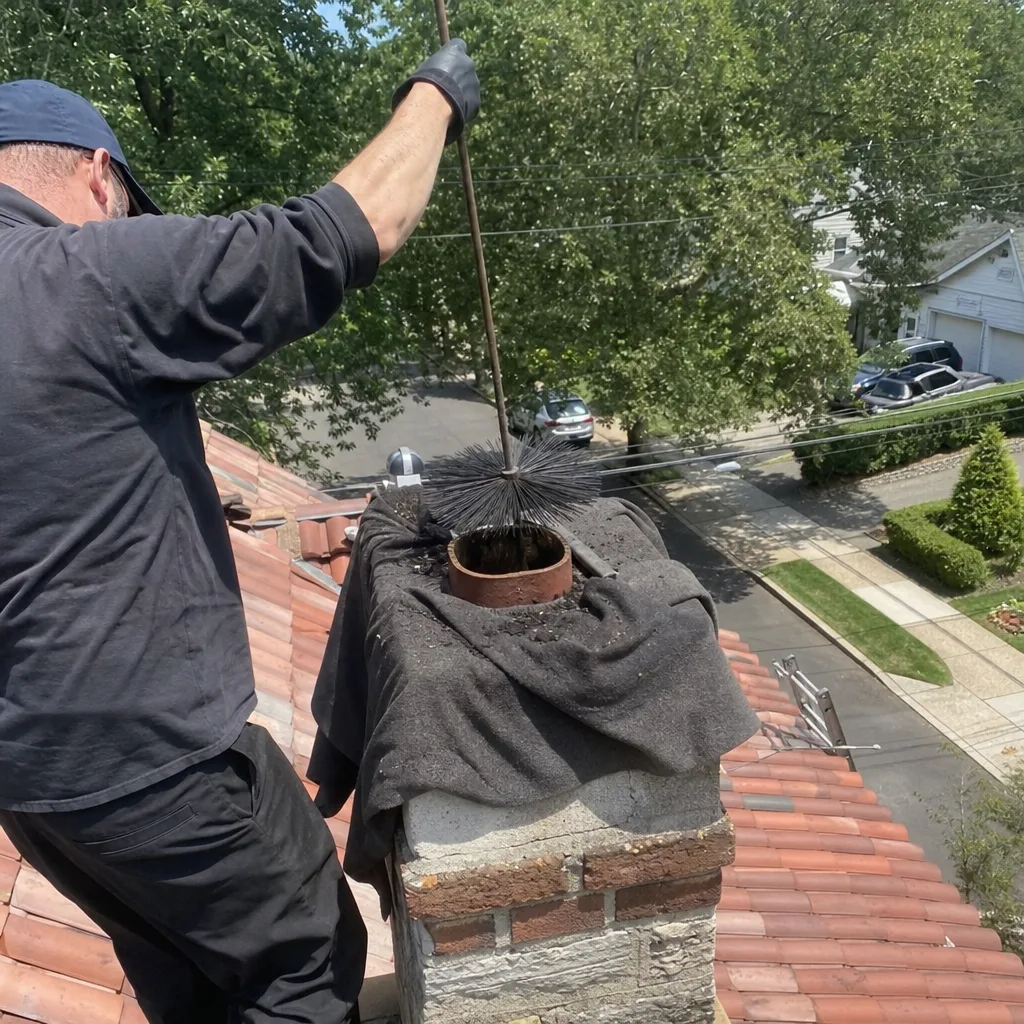
- Top-down flue brushing with HEPA vacuum extraction. The technician works from the top of the chimney downward, using rotary brushes sized to the flue liner. A HEPA vacuum at the firebox end captures the loosened soot continuously, keeping the room clean. For smoke chambers with significant accumulation, we address the chamber walls and smoke shelf separately – these are often overlooked in a quick sweep.
- Post-cleaning camera confirmation. After brushing, the camera goes back down. You see the before and after. If there’s anything the brushes didn’t address – a stubborn deposit, a section of liner with a secondary issue – we flag it in writing with the documented photo record, not verbally in the driveway.
- Written documentation and walkthrough. Before we leave, we hand over the photo record, any written notes on liner or crown condition, and the completed written scope. If follow-up work is recommended, you’ll have a written quote for that too. The 365-Day Done Right Promise covers everything we did: if it’s not right, we make it right.
BeforeAfterSoot Removal Pricing in Newark
Soot removal in Newark runs $149 to $349 for most residential chimneys. The range reflects real variables – not vague pricing designed to get a technician into your home before you know what it costs.
| Scope | Typical Range (Newark) |
|---|---|
| Single flue, light-to-moderate soot, standard access | $149 – $199 |
| Single flue with smoke chamber cleaning included | $199 – $279 |
| Heavy soot buildup or multiple deposit layers | $249 – $349 |
| Two-story or difficult-access flue (common in Newark’s older multifamily stock) | $299 – $349+ |
| Camera scan (NFPA 211 Level 2) – included as standard | Included |
| Documented photo record – included as standard | Included |
What affects the price:
- Flue height and configuration – older Newark colonials and row houses often have taller, narrower flues that take more time and different brush sizes.
- Whether the smoke chamber needs separate attention – the chamber above the damper collects soot independently of the flue and is priced as part of the job when it’s needed.
- Access conditions – flat roofs versus steep-pitch roofs, second-floor flue access, or chimneys positioned at the rear of a lot all affect setup time.
- Degree of buildup – a flue that hasn’t been cleaned in five years costs more to clean than one serviced last season. This is honest, not upselling.
If you have a written estimate from another company, bring it to us. We offer a free second opinion on any written quote – no obligation, and we’ll tell you exactly what the other price covers (or doesn’t). Call (862) 245-4309 to schedule or to get a price range over the phone before booking.
What Soot Is and Why It Matters in Newark’s Climate
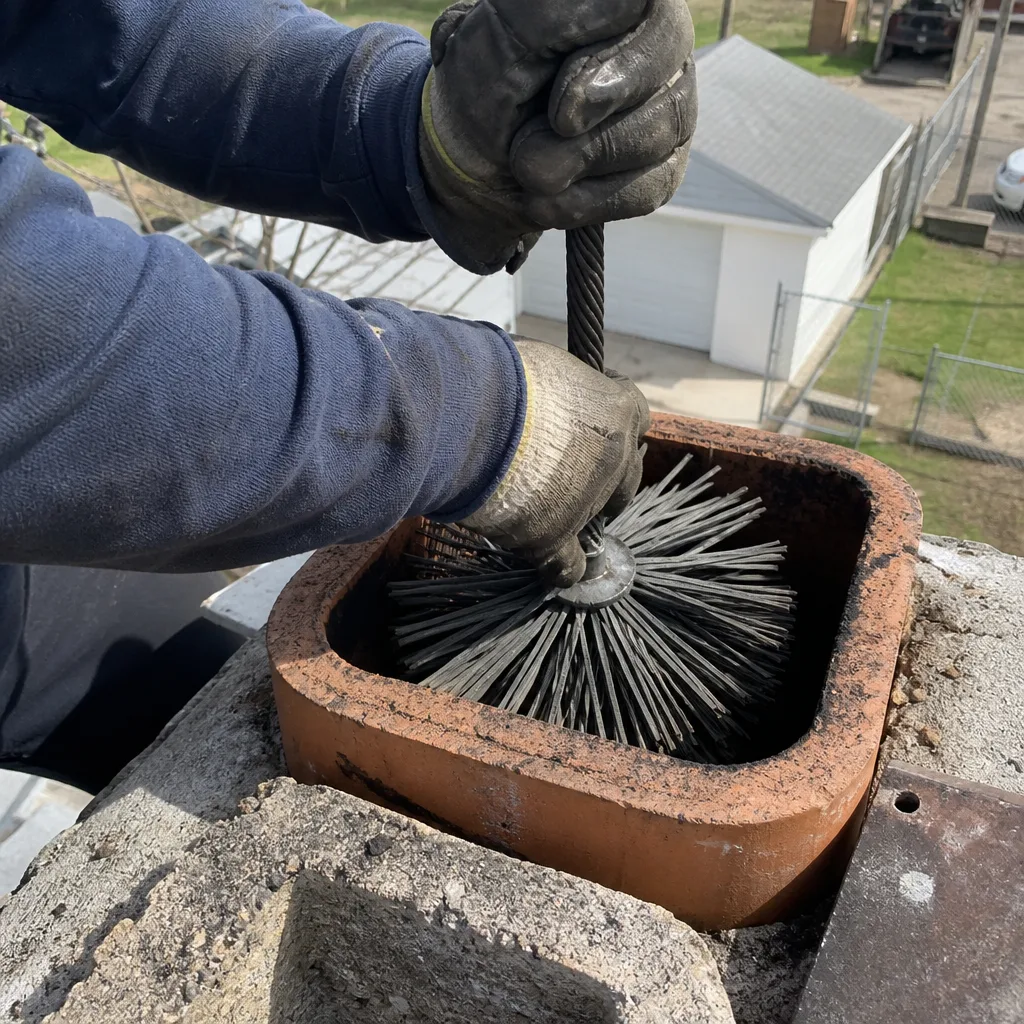
Soot is the byproduct of incomplete combustion – the fine carbon particles that don’t fully burn and instead condense on the cooler surfaces of your flue liner, smoke chamber, and firebox. In chemistry terms it’s mostly amorphous carbon. In practical terms, it’s a black, powdery-to-greasy coating that accumulates on every surface the flue gases touch.
Newark’s climate makes this worth understanding specifically. The city runs cold enough from November through March that fireplaces get real use – not decorative use – and the short, sharp temperature swings in early spring and late fall create conditions where flue gases cool faster than expected, depositing soot lower in the flue than it would in a steady-temperature environment. We see this consistently in the taller chimneys in the University Heights and North Ironbound areas, where a flue that looks clean at the top has heavy soot buildup in the lower third.
Soot is not creosote, though the two often appear together. Soot is the lighter, earlier-stage deposit. Creosote – particularly Class II (tar-like) or Class III (hardened glaze) creosote – is a more advanced deposit that forms when soot-laden gases condense more completely. A camera scan distinguishes them clearly. If the scan shows only soot, the brushing and vacuum extraction described above addresses it. If the scan shows Class II or III creosote layered beneath the soot, the scope changes and the price changes – but you’ll know that before work starts, not after.
Soot buildup also holds moisture. In Newark’s humid summers, a soot-lined flue acts as a sponge, and the acidity in the trapped moisture accelerates deterioration of mortar joints and clay liner tiles. This is one reason we document flue liner condition on every job: a liner that looks fine visually may show early spalling under camera that becomes a more expensive problem in two seasons if it’s not addressed.
Soot vs. Creosote: A Plain-Language Distinction
These two terms get used interchangeably, but they’re different problems with different solutions.
- Soot (Class I deposit): Fine, dry, black carbon powder. Removed by brushing and vacuum extraction. Standard soot removal handles this.
- Class II creosote: Sticky, tar-like deposits that don’t brush away cleanly. Requires chemical treatment before mechanical removal. More time, more cost.
- Class III creosote: Hardened, glazed deposits – essentially pyrolized tar bonded to the liner surface. This is the highest-risk category; it’s also the hardest to remove and the most likely to sustain a chimney fire. A camera scan identifies it definitively. Class III removal is a separate scope of work with its own written price.
When you call Level Two Chimney Newark, we don’t guess which one you have. The camera tells us. You see the images. The written quote reflects what was actually found – not what’s most profitable to assume.
FAQs – Soot Removal in Newark
How much does soot removal cost in Newark, NJ?
How Much Does Chimney Cleaning & Sweep Cost? (2026 Price Guide) - Newark, NJ: typically $149 to $349, with the camera scan and photo documentation included in every job. Light-to-moderate soot in a single flue with standard roof access usually falls at the lower end of that range. Heavier buildup, smoke chamber cleaning, or difficult-access chimneys in older Newark multifamily buildings pushes toward the upper end. You’ll have an exact written price before any work begins – not an estimate that changes once the technician is already on your roof. Call (862) 245-4309 for a range specific to your chimney before you book.
Is soot removal something a homeowner can do safely?
For very light surface soot on the firebox walls themselves – the visible brick inside the firebox – some homeowners do clean that with a stiff-bristle brush and a dry chemical sponge. The flue liner, smoke chamber, and smoke shelf are a different matter. Working inside the flue requires extension rods, brushes matched to the liner diameter, and HEPA extraction to keep fine carbon particles out of the home’s air. Beyond the mess, chimney interiors involve heights, confined spaces, and sometimes unstable mortar. We’d rather you call us than spend a weekend with a Shop-Vac pointed up a flue and carbon dust settling on everything in the room.
How often should I have soot removed from my Newark chimney?
An Annual Sweep is the baseline recommended by NFPA 211 for any chimney that sees regular use – typically meaning six or more fires per season. If you’re burning most winter evenings in an older Newark home with a masonry fireplace, an annual cleaning before burn season (September or October) is the practical answer. If you had an especially heavy-use winter or noticed reduced draft or smoke spillage, a mid-season check is reasonable. The camera scan will tell you whether the cleaning is overdue or whether you’re in good shape for another season.
Can soot removal be combined with a full chimney inspection?
Yes, and this is usually the more useful approach. At Level Two Chimney Newark, every soot removal visit already includes a camera scan and photo record – that’s an NFPA 211 Level 2 inspection by another name. If you want a full written inspection report alongside the cleaning, we document liner condition, crown integrity, flashing, and cap condition as part of the same visit. The written scope you receive at the end covers both what was cleaned and what was observed. Visit our home page for an overview of all services, or learn more about the full scope of work under Chimney Cleaning & Sweep in Newark.
What You Walk Away With After Every Job
This is worth naming specifically, because it’s different from what most Newark homeowners have experienced with chimney companies.
- A written price confirmed before work started – the number doesn’t change when the job is done.
- Before-and-after camera footage of your flue liner, with stills pulled for the photo record.
- A documented photo record filed under Haven Standard Clause 4 – available to you on request, useful if you ever sell the home or file an insurance claim.
- Written notes on any liner, crown, or smoke chamber conditions observed during the visit.
- A written quote for any recommended follow-up work – separate document, no pressure attached.
- The 365-Day Done Right Promise: if anything we cleaned or repaired isn’t right within a year, we come back and make it right.
Corrine Halstead built the Newark operation around documentation precisely because the Newark housing stock is older, the flues are more variable, and homeowners who bought in the last decade often have no prior inspection record for their chimney. A photo archive from 2024 is worth something concrete in 2026 when a crack appears and the question is whether it was there before or developed after.
Schedule Soot Removal in Newark
If your last Chimney Cleaning & Sweep services visit was more than a year ago, or if you’ve noticed any of the symptoms described above – soot migration, reduced draft, a musty smell from the firebox in summer – the right move is a camera scan first. That tells us exactly what’s there. Then you get a written price for what’s needed. No phone estimates that become something different when the technician arrives.
Call Level Two Chimney Newark at (862) 245-4309 to schedule a Chimney Cleaning & Sweep Near Me in Newark, NJ visit or to get a price range before booking. Live phone support is available any hour. If a competitor has already given you a written estimate and you want a second opinion, bring it – that review is free, and we’ll walk through it with you line by line.
Written by Corrine Halstead, Owner at Level Two Chimney Newark, serving Newark.