
Level 1 sweep and inspection to the NFPA 211 annual standard - flue, crown, cap, and flashing checked and photographed
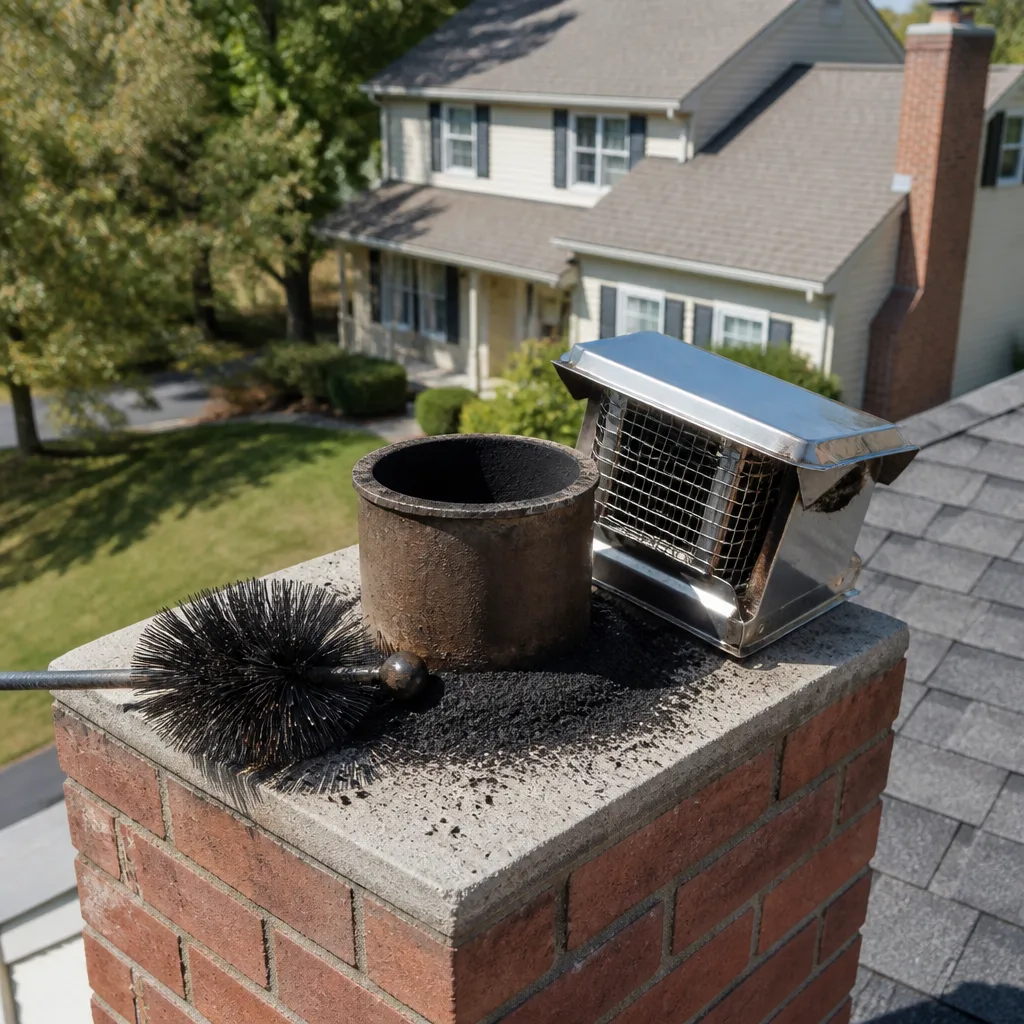
Chimney sweep logs do not sweep chimneys. They loosen some creosote - which then falls where a brush and vacuum still have to collect it.
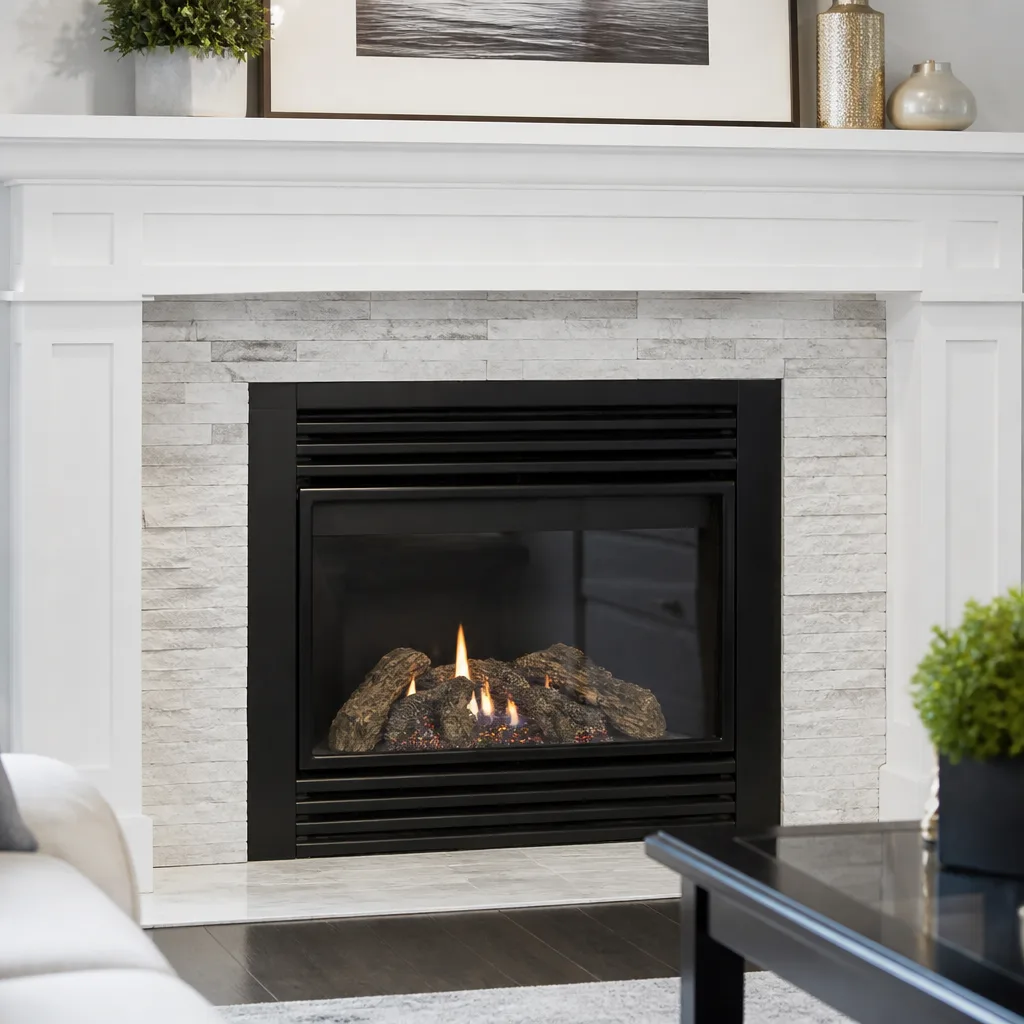
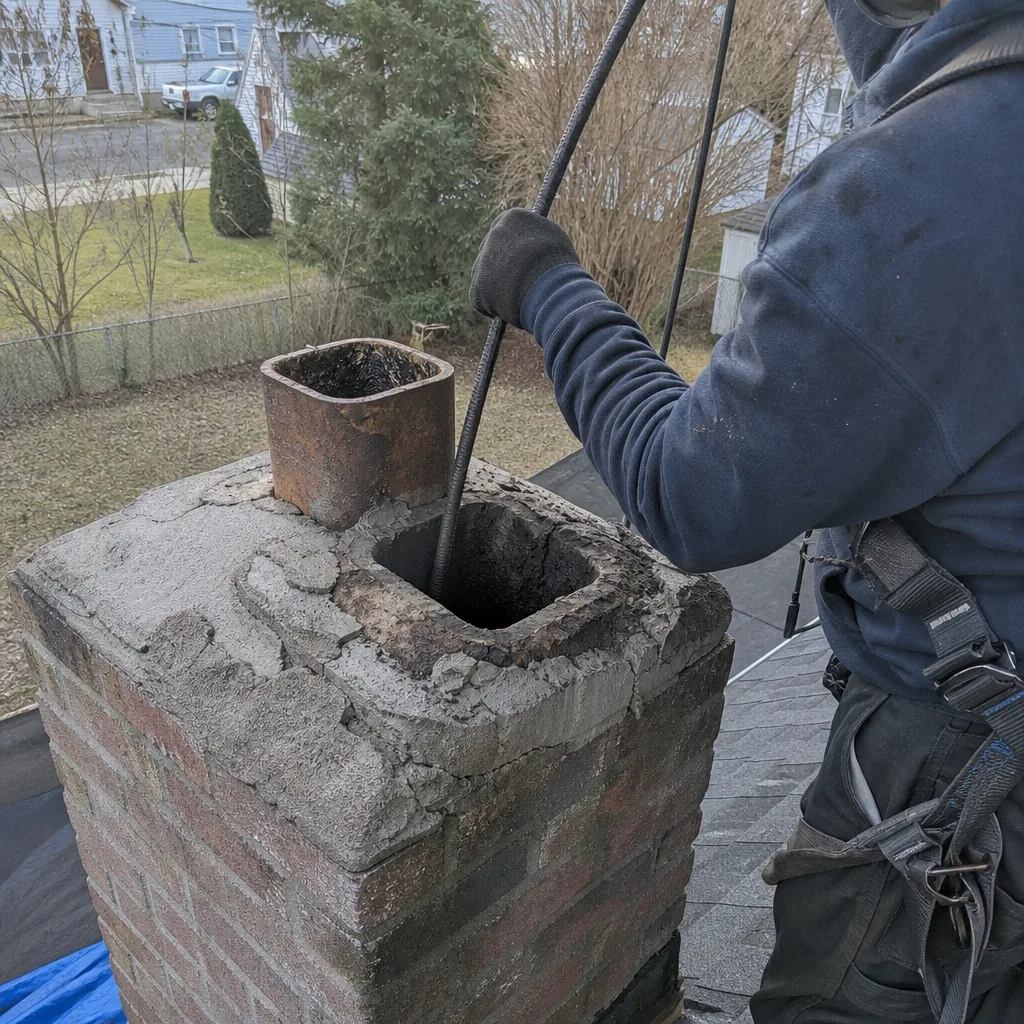 Before
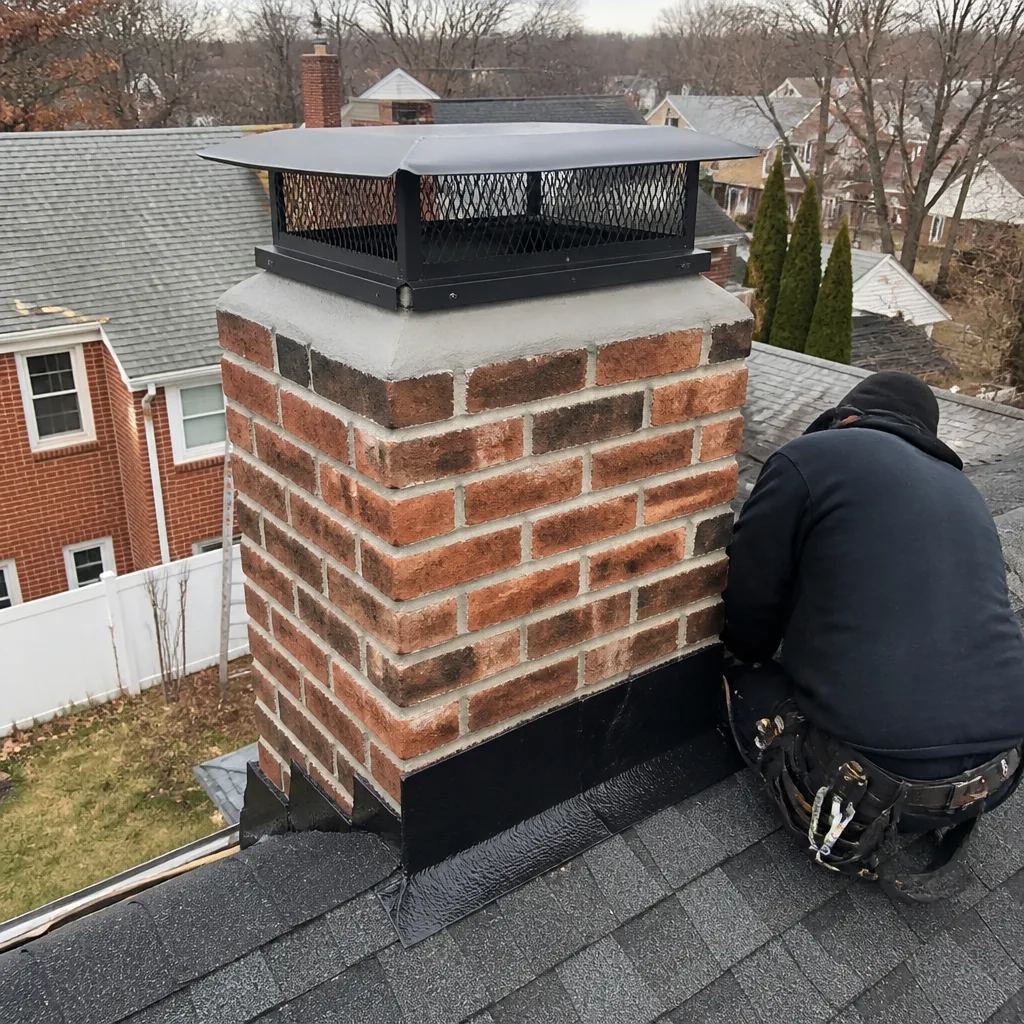 After
After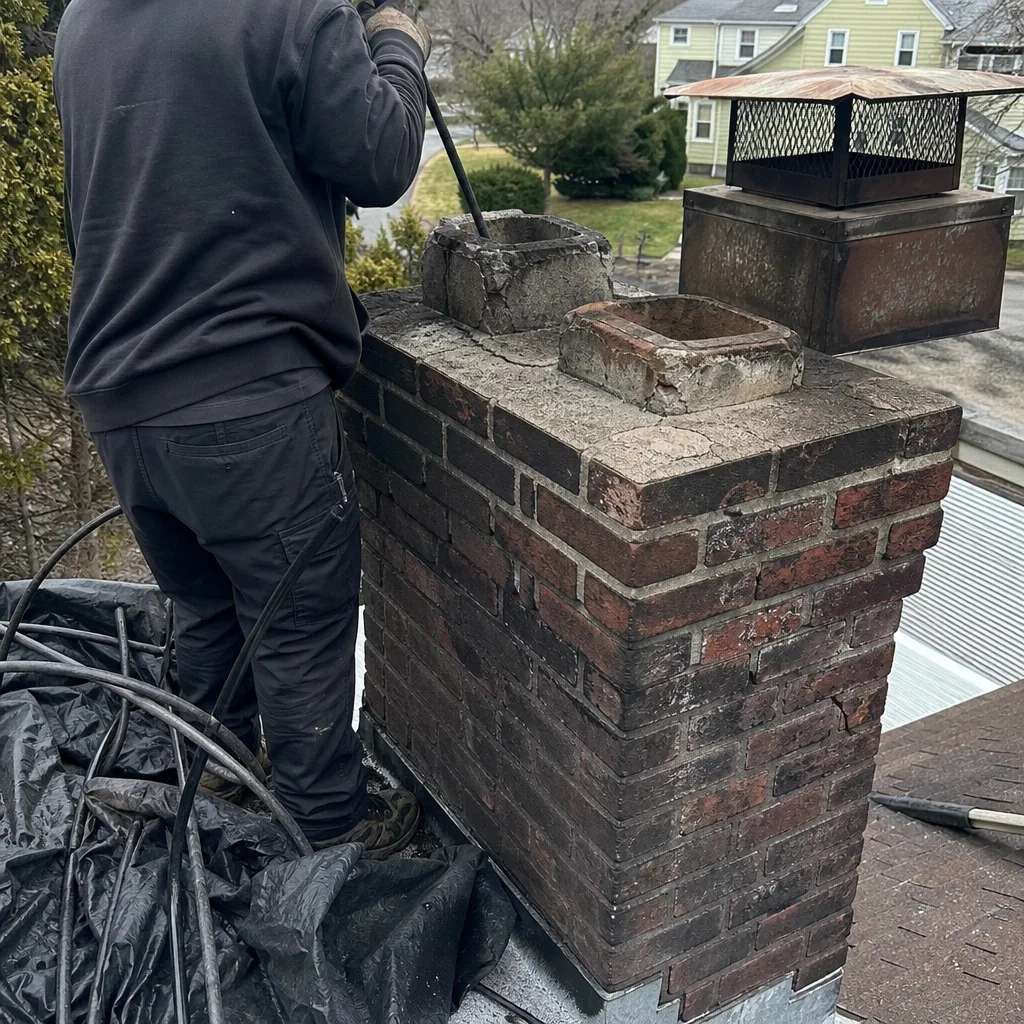 Before
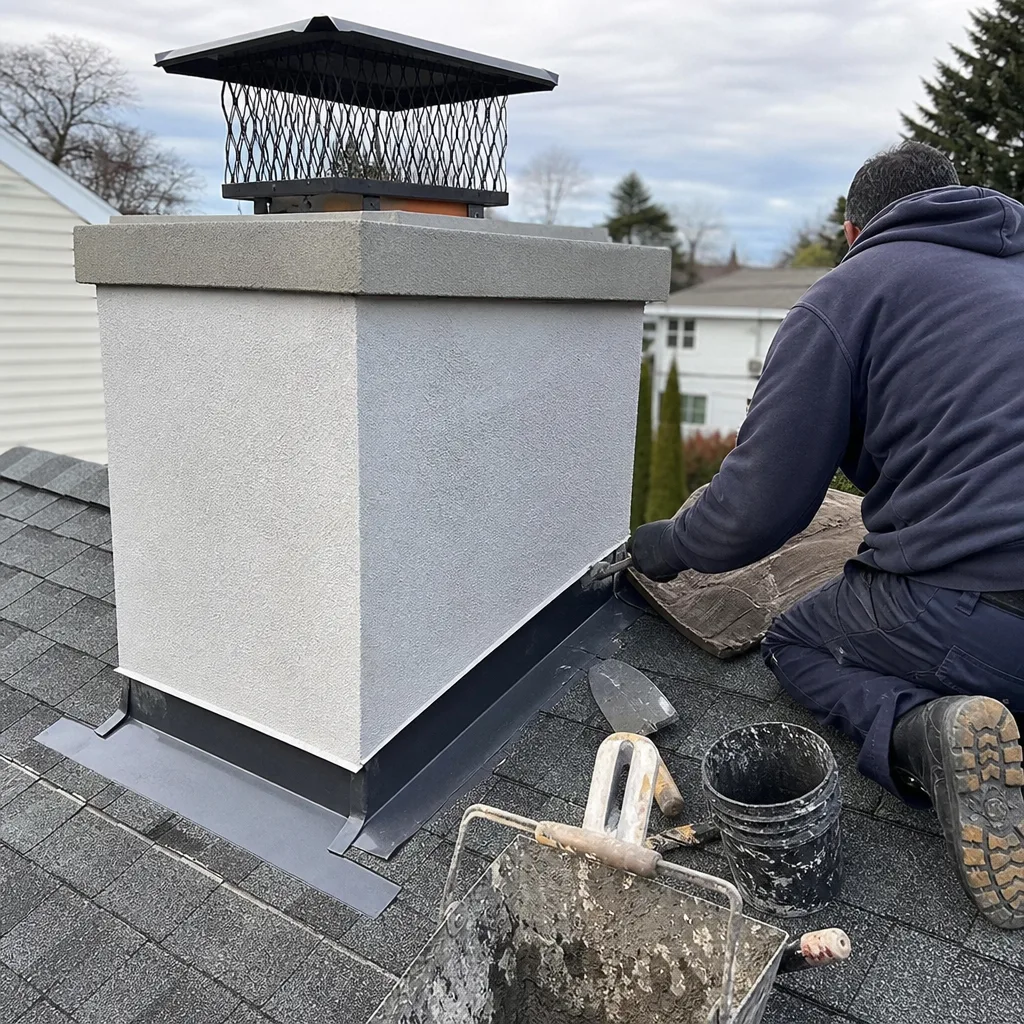 After
After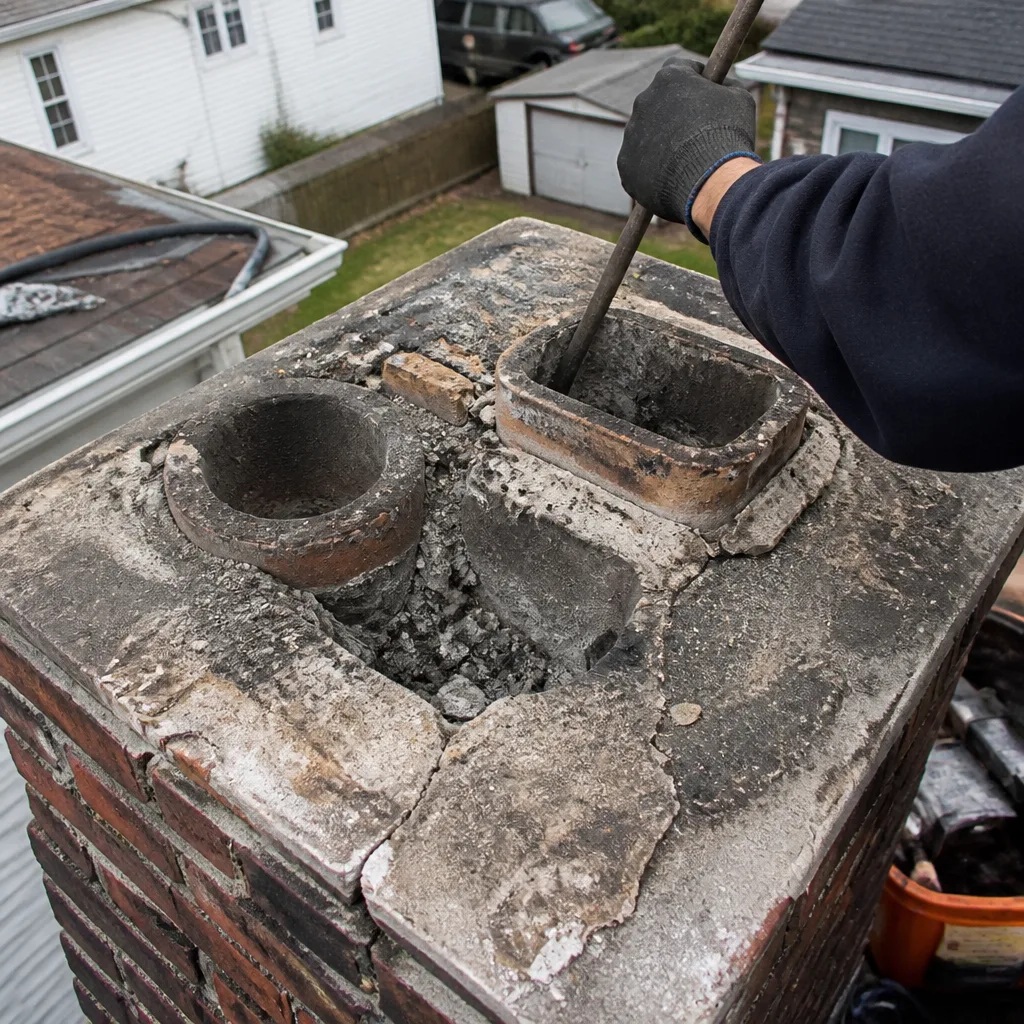 Before
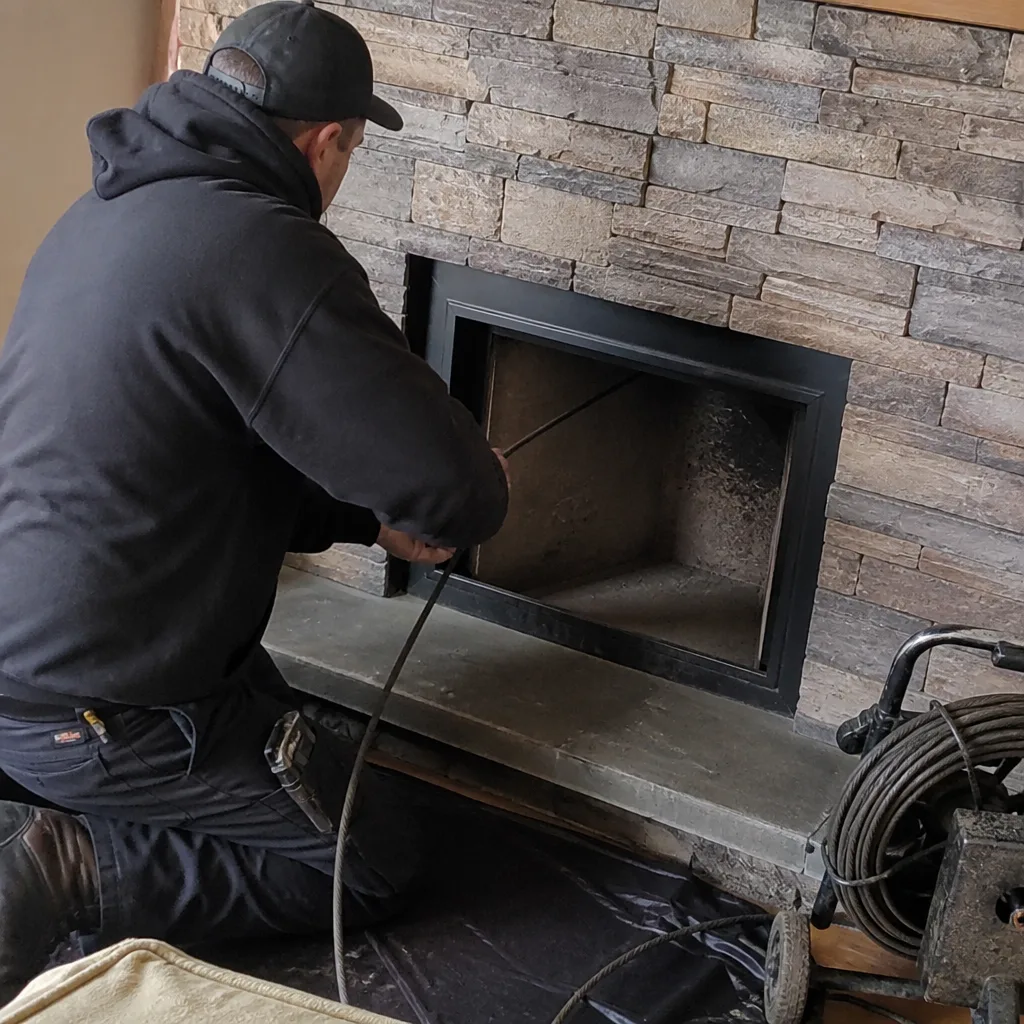 After
AfterAnnual Sweep in Newark, NJ
An annual Chimney Cleaning & Sweep in Newark typically runs between $149 and $299 for a standard fireplace flue, with the written price delivered before anyone touches the chimney. Level Two Chimney Co. includes a camera-scan inspection and a documented photo record on every visit – not as an add-on, but as the baseline under Haven Standard Clause 4.
Most Newark homeowners who call us haven’t had their flue swept in two or more years. Some just moved into a row home in the Ironbound or a brownstone near Forest Hill and have no record of the last service. Others use their fireplace every winter and assume it’s fine because nothing looks wrong from the living room. Creosote doesn’t announce itself. A blocked flue or a cracked liner rarely gives you a warning before it matters. That’s the straightforward case for scheduling this once a year, every year.
Our Chimney Cleaning & Sweep in Newark page covers the full scope of what we do across this service line. This page focuses specifically on the annual sweep: what it includes, what it costs, what you’ll have in hand when we leave, and what we consistently find in Newark’s housing stock that other companies miss or don’t mention.
If you’d rather just schedule now, call us at (862) 245-4309. A live person answers every call, around the clock. No voicemail, no callback queue.
When You Need an Annual Sweep
The short answer is: once per year, before the burning season starts. The NFPA 211 standard – the same standard our inspection protocol is built on – recommends annual inspection and cleaning of any chimney that’s used. But there are situations in Newark specifically where we’d say don’t wait for fall.
- You’ve burned more than a cord of wood this winter. Heavy use accelerates creosote buildup in the flue liner. After a full Newark winter, that accumulation can cross from Class I (light, dusty deposits) into Class II (tarry, sticky buildup) faster than most homeowners expect. Class II needs to come out before the next season starts.
- You just bought the home and there’s no service record. Newark’s older housing stock – particularly the two- and three-family homes in the North Ward and the pre-war construction throughout Vailsburg – often has flue systems that haven’t been documented in years. A previous owner’s word is not a substitute for a camera going down the flue.
- You’re smelling smoke in the house when the fireplace is in use. Downdraft and smoke spillage can have several causes – a blocked flue cap, an obstruction, a deteriorated smoke chamber – but it can also mean the liner has a gap or crack that’s redirecting exhaust. That’s a health and fire issue, not a minor nuisance.
- You’ve had any work done on the exterior of the chimney. Tuckpointing, crown repairs, cap replacement – any of that can introduce debris into the flue. We’ve found mortar fragments and construction material sitting on the smoke shelf in Newark jobs that came in described as routine sweeps.
- Your damper isn’t seating cleanly or feels stiff. A damper that doesn’t fully close lets cold air in and accelerates moisture damage to the firebox and liner over Newark’s wet winters. A damper that sticks partly open is also a chimney sweep’s indicator of accumulated debris or warping from heat stress.
- There’s visible staining or efflorescence on the exterior masonry. White chalky streaking on brick – efflorescence – means water is moving through the masonry. In Newark’s climate, where freeze-thaw cycles hit hard between November and March, that water is also working on the interior liner. It’s worth knowing what’s happening inside before you light the next fire.
Our Annual Sweep Process
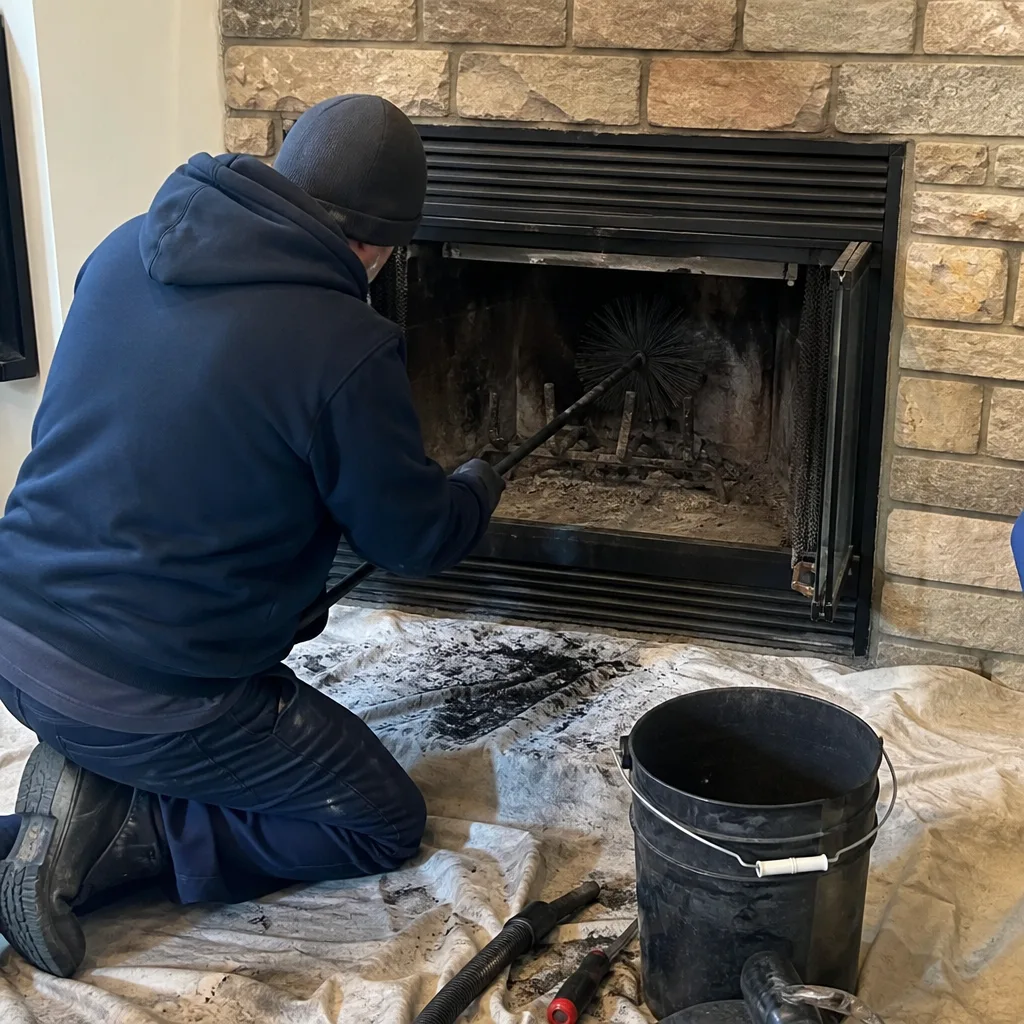
Here’s exactly what happens when a Level Two technician arrives at your Newark home for an annual sweep. Every step below is included in the quoted price – nothing gets added after we’re already in your living room.
- Written scope and price before we start. The technician reviews the job with you, confirms the written price matches what was communicated when you booked, and answers any questions before any equipment comes off the truck. This is Haven Standard Clause 1: nothing starts until the price is on paper and you’ve agreed to it. No “we’ll tell you after we look.”
- Camera-scan of the full flue system. Before any brushes go in, we run a NFPA 211 Level 2 camera inspection from the firebox up through the liner and to the crown. This gives us a documented baseline of what the flue looked like before cleaning, and it catches cracks, spalling, mortar joint failures, and liner separations that a flashlight look from the top simply cannot show. The footage is yours.
- Protection of the interior work area. We lay drop cloths, seal the firebox opening with a dust barrier, and connect to a HEPA-filtered vacuum system before any brushwork starts. Creosote and soot are fine particulates. We don’t leave them in your living room.
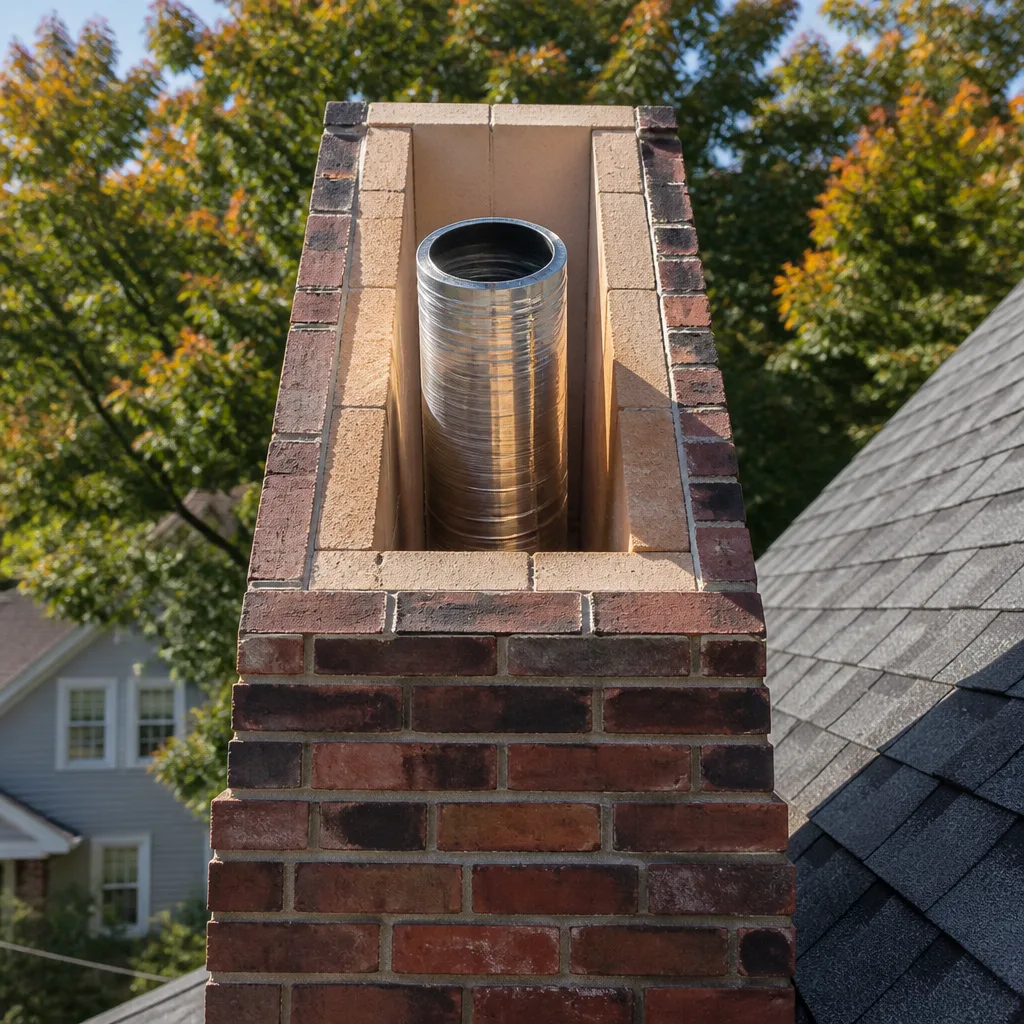
- Mechanical sweep of the flue liner and smoke chamber. Using rotary brushes sized to your specific liner – whether that’s a standard clay tile liner, a DuraFlex stainless steel relining system, or original masonry – we work from the firebox upward, breaking down and extracting creosote deposits, soot, and any debris that’s settled on the smoke shelf. For Class II deposits, we use chemical treatments before brushing to convert glazed creosote into a removable ash form.
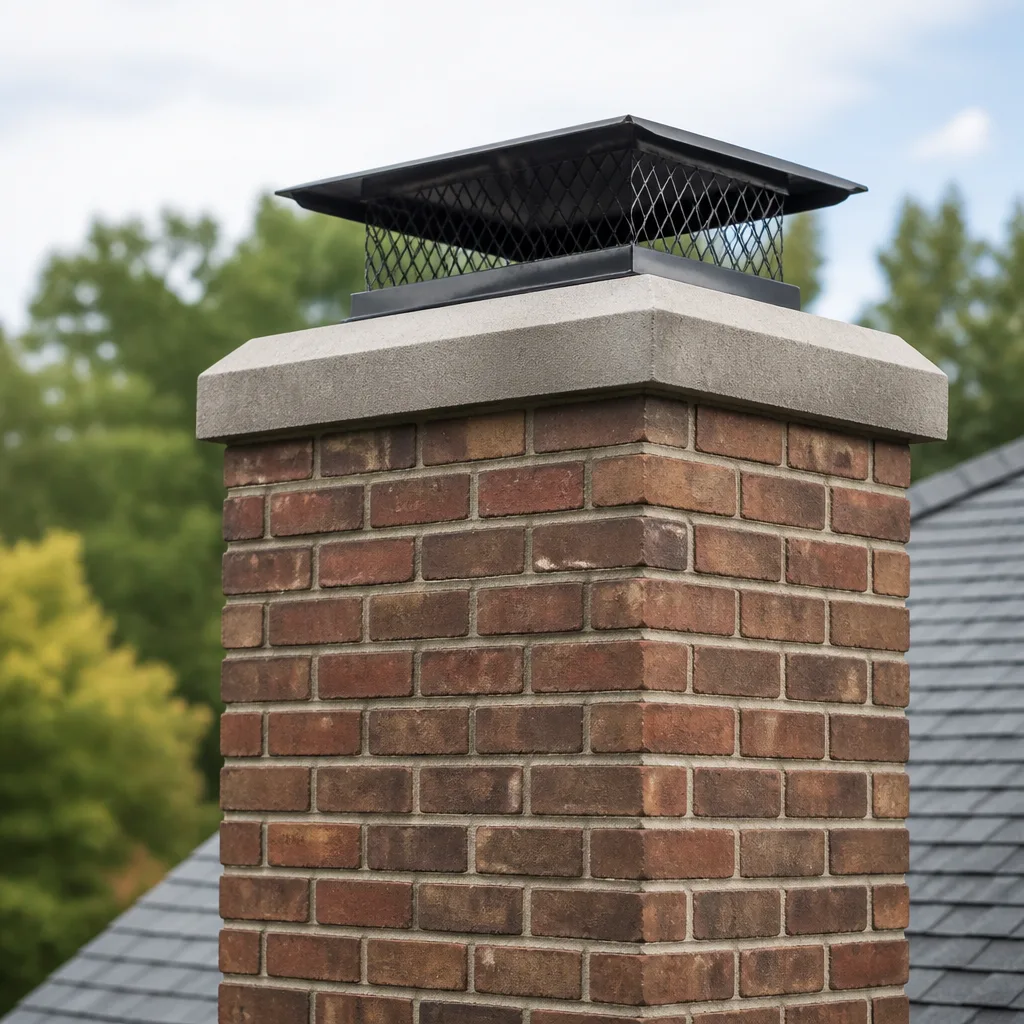
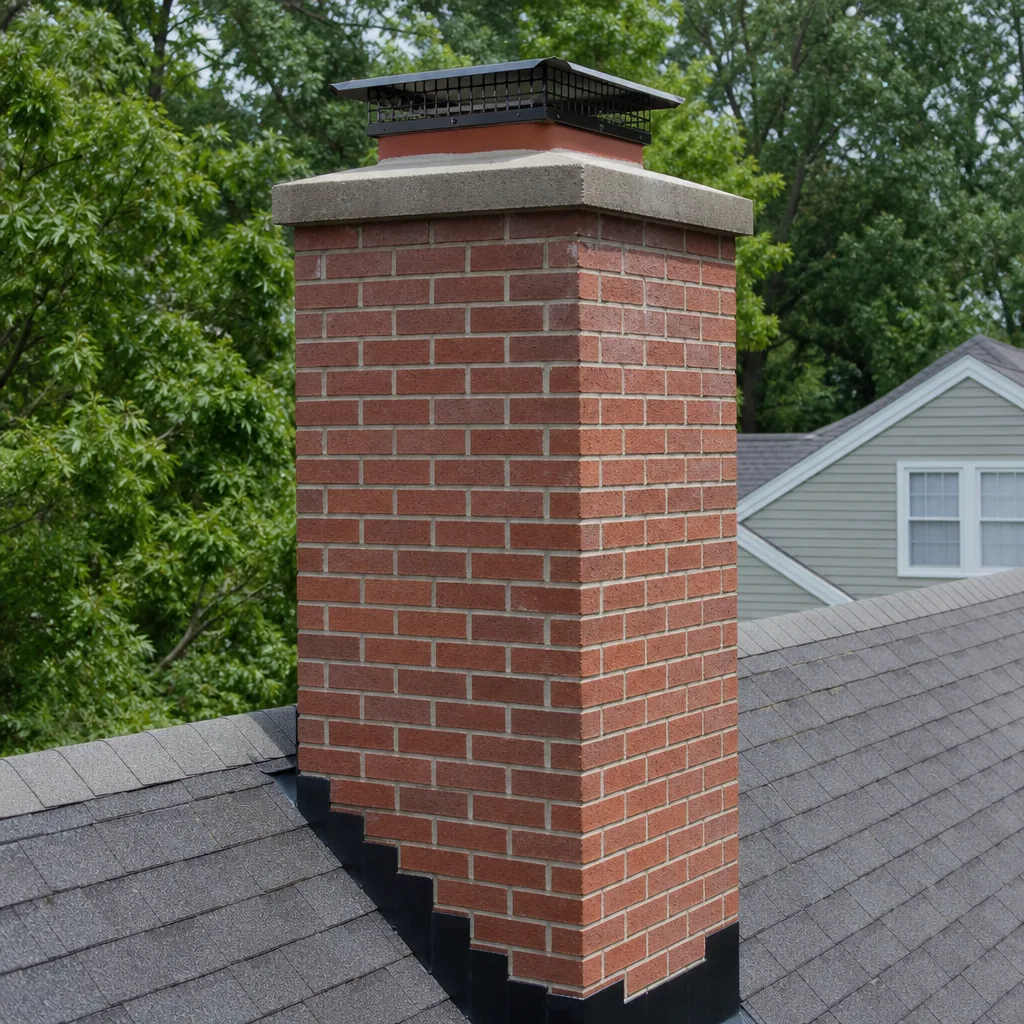
- Inspection of the firebox, damper, smoke chamber, crown, and cap. After the flue is clean, we inspect each component and note condition in writing. Spalling brick in the firebox, a cracked crown, a cap that’s rusting through – all of it gets documented with photos. You’ll know exactly what we found and what it means, in plain terms.
- Written report with photos, findings, and any recommended work. When we’re done, you receive a written record of the visit: photos from before and after, camera-scan documentation, condition notes on every component, and – if anything needs repair – a written price for that work before you decide anything. The 365-Day Done Right Promise covers everything we did: if something we cleaned or serviced isn’t right within a year, we make it right.
BeforeAfterAnnual Sweep Pricing in Newark
Annual sweep pricing in Newark depends primarily on flue size, accessibility, and the level of creosote buildup we find. Here’s how much chimney cleaning and sweep costs for Newark homes:
| Service Scenario | Typical Price Range |
|---|---|
| Standard single fireplace flue, Class I creosote (light annual buildup) | $149 – $219 |
| Standard single fireplace flue, Class II creosote (heavier or missed-year buildup) | $219 – $299 |
| Wood stove or insert flue sweep | $179 – $259 |
| Two-flue system (fireplace + furnace or second fireplace) | $249 – $399 |
| Class III creosote (glazed, heavy – requires chemical pretreatment + mechanical removal) | $299 – $499+ |
Camera-scan inspection and documented photo record are included in every visit – not charged separately. The NFPA 211 Level 2 scope is the default, not an upgrade.
What moves a job toward the higher end of these ranges: a flue that hasn’t been swept in three or more years, a liner that requires specialized brushes (common in Newark’s older multi-family stock where original clay tile has been partially relined), or difficult roofline access on steeper-pitched homes. We’ll know all of that before we quote you, and the quote won’t change once work starts.
If you have a written estimate from another company, bring it in. We offer a free second opinion on any written estimate – no obligation, no sales pitch.
Call (862) 245-4309 to get a written price before anyone comes to your home. That call is answered by a live person, any hour.
What We Typically Find in Newark Chimneys
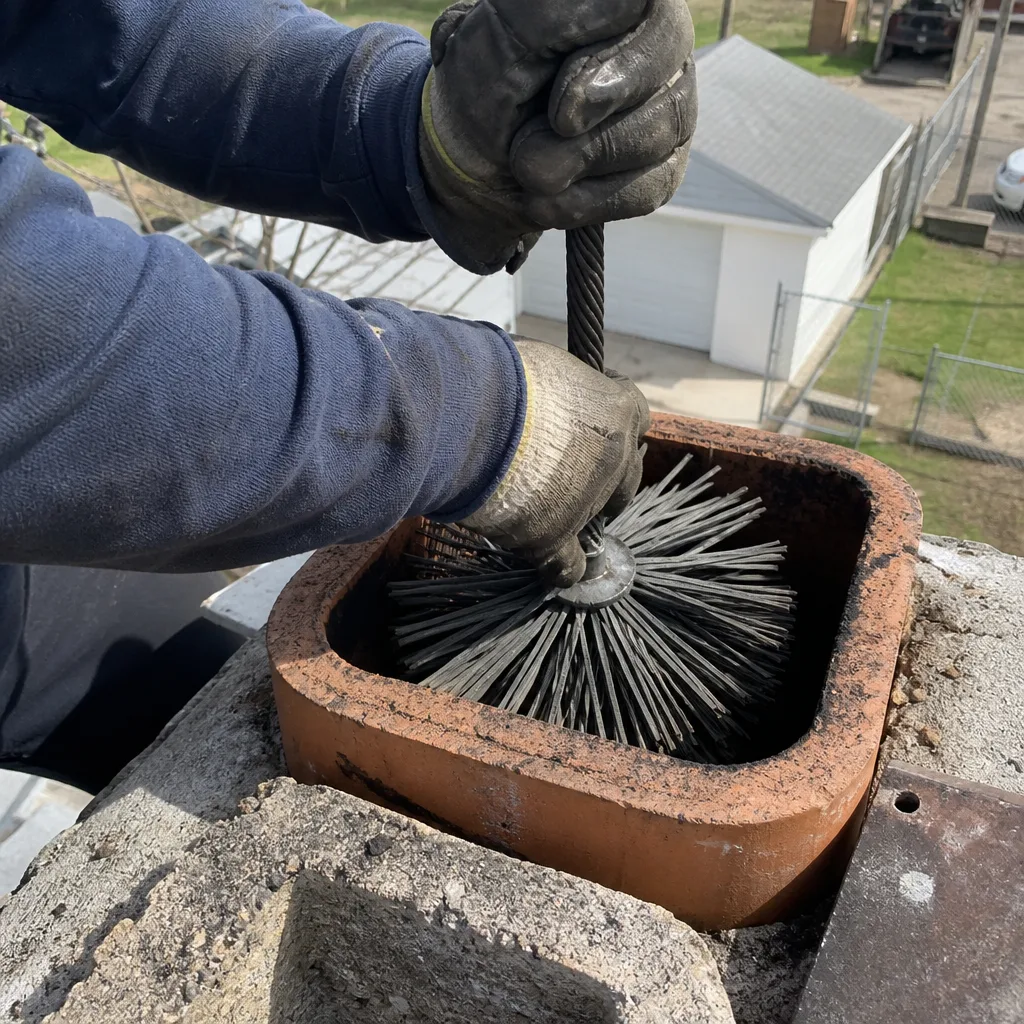
Newark’s housing stock is older than most of its neighboring cities, and the chimney systems reflect that. About a third of the homes we service in Newark were built before 1960, which means original clay tile liner systems – some of them unmodified since construction. In those homes, we routinely find liner joint failures: the mortar between tile sections has deteriorated, leaving gaps that allow combustion gases, including carbon monoxide, to migrate into the living space rather than exit through the crown.
In the Ironbound, where attached row homes and two-family construction dominate, we frequently see shared chimney chases with multiple flues running close together. A liner failure in one flue can draw gases into an adjacent flue or directly into interior wall cavities. This is not a hypothetical risk – it’s something we document with camera footage multiple times per season in Newark.
Efflorescence and spalling are also consistent findings, particularly after a wet fall or a winter with hard freeze-thaw cycles. Water gets into the masonry, freezes, expands, and fractures the brick face or the mortar joint. Over several seasons that process hollows out the firebox interior and weakens the smoke chamber. The exterior of the chimney can look intact while the interior is several seasons into active deterioration.
We also see a lot of bird and animal nesting in Newark – primarily European starlings and squirrels – that settle into flues with deteriorated or missing caps. By the time a homeowner notices an odor or hears activity, the nest material has often built up enough to partially block the flue. We remove it, document it, and replace or recommend replacement of the cap before we leave. For immediate help, search chimney cleaning and sweep near me in Newark, NJ.
None of this is alarming if it’s caught on an annual schedule. All of it gets expensive and potentially dangerous when it runs undetected for three or four years.
The Haven Standard: What It Means for Your Annual Sweep
Level Two Chimney Co. operates under the Haven Standard on every job, including a routine annual sweep. Four elements of that standard apply directly to what you experience as a customer:
- Clause 1 – Written price before work starts. The price on the phone or web is the price on the invoice. The technician confirms it in writing before any work begins. If the camera reveals something that changes the scope, you’re told what it is and what it costs before we proceed.
- Clause 4 – Documented photo record on every visit. Camera-scan footage of the flue, before-and-after stills, and written condition notes are yours when we leave. That record matters if you’re selling the home, filing an insurance claim, or just want to know what changed year over year.
- Arrive on schedule, verified crews. You’ll receive a text when your technician is on the way. Background-checked, uniformed. Not a subcontractor whose name you don’t know.
- 365-Day Done Right Promise. If something we cleaned or serviced within the last year isn’t right, we make it right. The promise is stamped on every job and backed by the Haven Standard without negotiation.
FAQs – Annual Sweep in Newark
How often should I have my chimney swept in Newark?
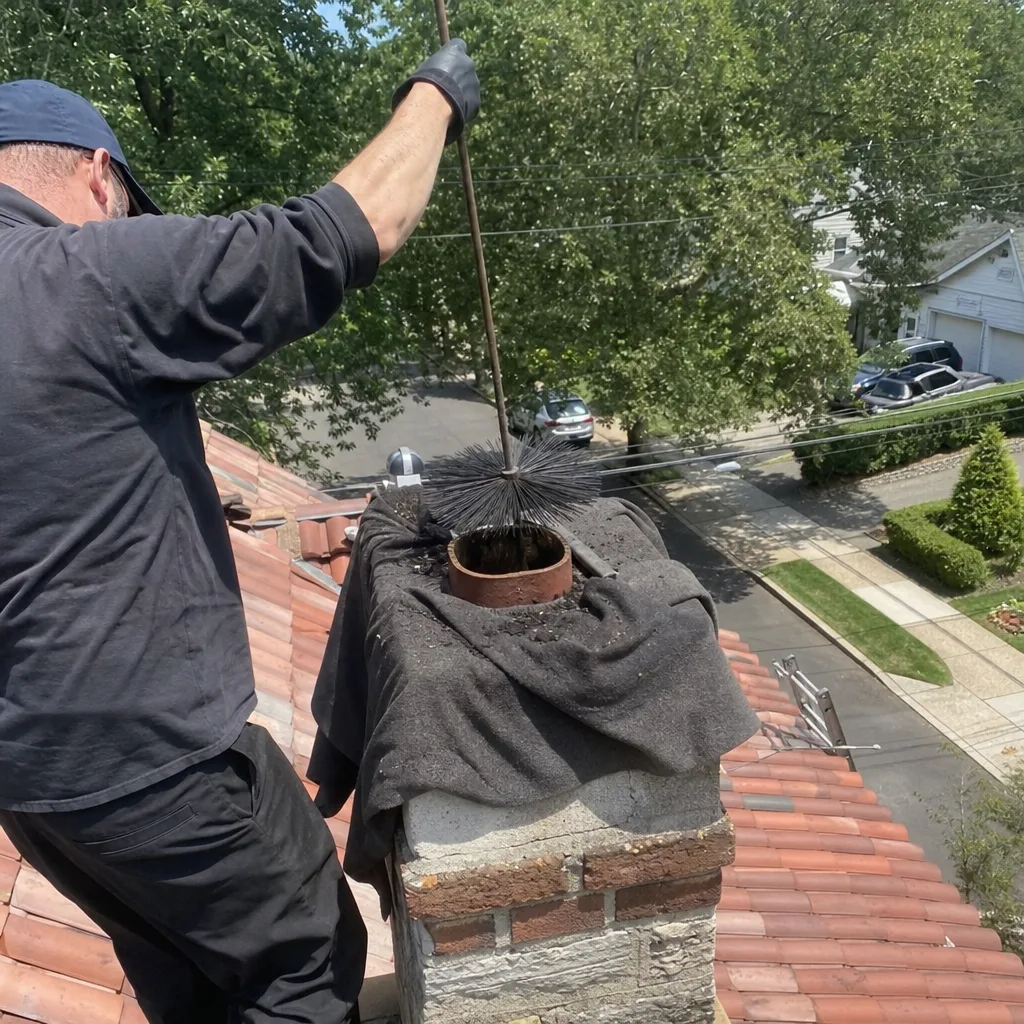
Once per year is the NFPA 211-recommended interval for any chimney that’s used regularly. If you burned more than a cord of wood in a season, or if you’re using a wood-burning insert or stove (which generates more creosote per burn than an open fireplace), scheduling before each burning season – rather than after – gives you a clean system going in. Call (862) 245-4309 for a written price and to get on the schedule before the fall backlog.
Is a chimney sweep the same as a chimney inspection?
No, though Level Two includes both in the same visit. A sweep is the physical cleaning – brushes, vacuum, removal of creosote and debris. An inspection is the assessment of the liner, firebox, smoke chamber, crown, and cap condition. At Level Two, every annual sweep includes a camera-scan inspection (NFPA 211 Level 2 scope) and documented photo record as standard – not as a separate charge. Some companies offer a “sweep” that’s just the brushwork with a visual look from the top. That’s not enough to catch liner cracks or smoke chamber deterioration, and it’s not what we do.
What is creosote, and why does it matter?
Creosote is a byproduct of wood combustion that condenses on the interior walls of the flue liner as smoke cools on its way up. It comes in three classes: Class I is light, dusty, and brushes off easily. Class II is thicker and tarry, sticking to the liner surface. Class III – also called glazed creosote – is hardened, dense, and highly flammable. A chimney fire fueled by Class III deposits can reach temperatures over 2,000 degrees Fahrenheit, which is enough to crack clay tile liners and ignite adjacent framing. Annual sweeping and creosote removal keeps buildup at Class I, where it’s straightforward to remove. Skipping a year or two can push a system into Class II or worse. Call us at (862) 245-4309 and we’ll tell you exactly what class of buildup we’re dealing with – in writing, before we quote the job.
How long does an annual sweep take at a Newark home?
Most single-flue annual sweeps in Newark take between 60 and 90 minutes from setup to cleanup. If the camera scan reveals liner damage or Class II-III creosote that requires additional work, we’ll tell you what we found and how long the additional scope will take before we proceed – not after. Two-flue homes or systems with difficult roofline access typically run 90 to 150 minutes. We don’t rush the camera inspection to save time; that’s the part that produces the record you keep.
Key Takeaways
- Annual sweep pricing in Newark runs $149 to $299 for a standard single-flue fireplace, written before work starts.
- Camera-scan inspection and documented photo record are included in every visit – not optional add-ons.
- Newark’s older housing stock – particularly pre-1960 construction in the Ironbound, North Ward, and Vailsburg – consistently shows liner joint failures and smoke chamber deterioration that a flashlight inspection from the top won’t find.
- NFPA 211 recommends annual inspection and cleaning for any used chimney system.
- The 365-Day Done Right Promise covers every job under the Haven Standard.
- A free second opinion is available on any written competitor estimate.
- A live person answers at (862) 245-4309, any hour of the day.
Schedule Your Annual Sweep in Newark
If your last chimney service was more than a year ago – or if you genuinely don’t know when it was – the right next step is straightforward. Call Level Two Chimney Co. at (862) 245-4309. You’ll speak with a live person, get a written price before we schedule anything, and know exactly what the visit includes before we arrive. No estimates that change once the technician is in your home, no inspection fee that gets rolled into a repair upsell. The price is the price, the camera goes in the flue, and you get the documentation when we leave.
We’ve worked through Newark’s housing stock for over fifteen years and completed more than 38,000 chimney inspections and cleanings – every one with a written price and a documented record. That’s not a claim we make without being able to show it. The photo archive is how we built that practice, and it’s what makes the 365-Day Done Right Promise something we can actually stand behind.
Explore more about what’s included in our full Chimney Cleaning & Sweep in Newark service, or call now to get on the schedule.
Written by Corrine Halstead, Owner at Level Two Chimney Newark, serving Newark.