
Level 1 sweep and inspection to the NFPA 211 annual standard - flue, crown, cap, and flashing checked and photographed
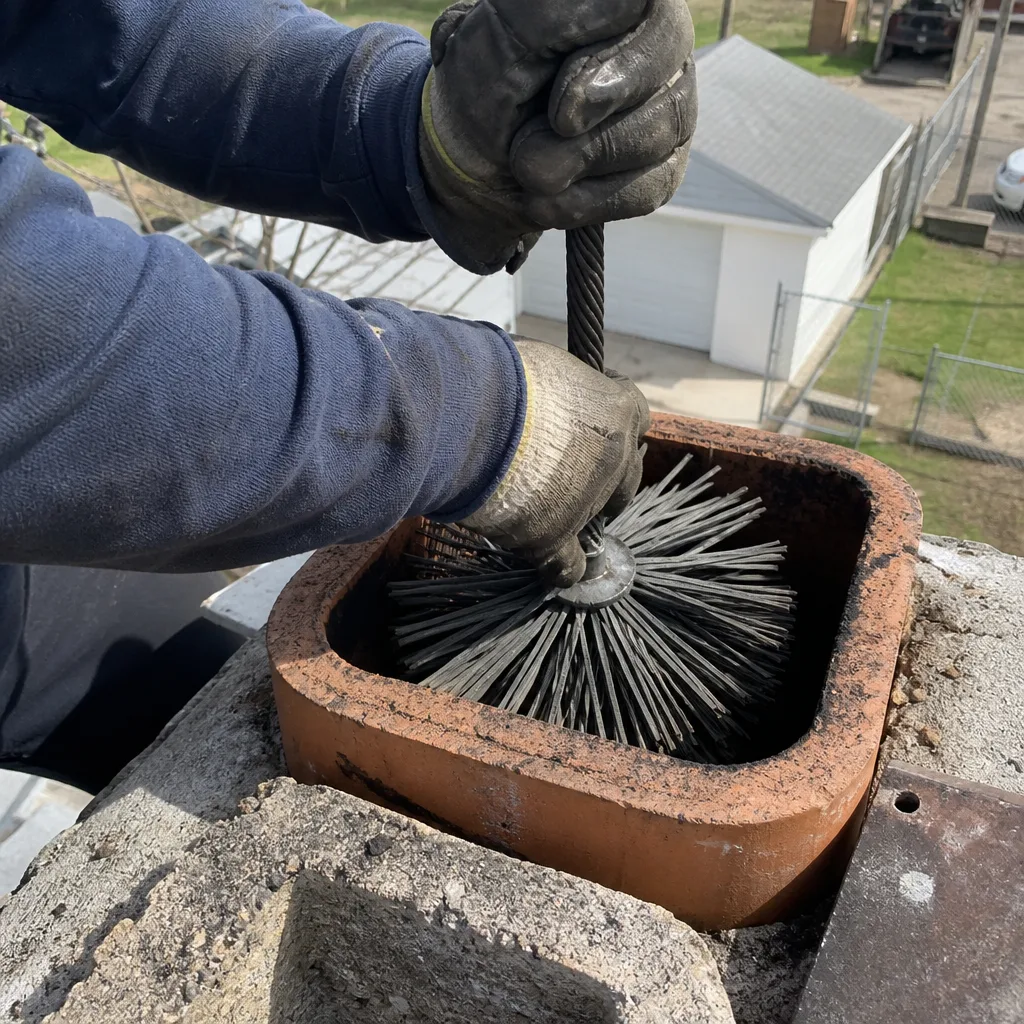
Chimney sweep logs do not sweep chimneys. They loosen some creosote - which then falls where a brush and vacuum still have to collect it.
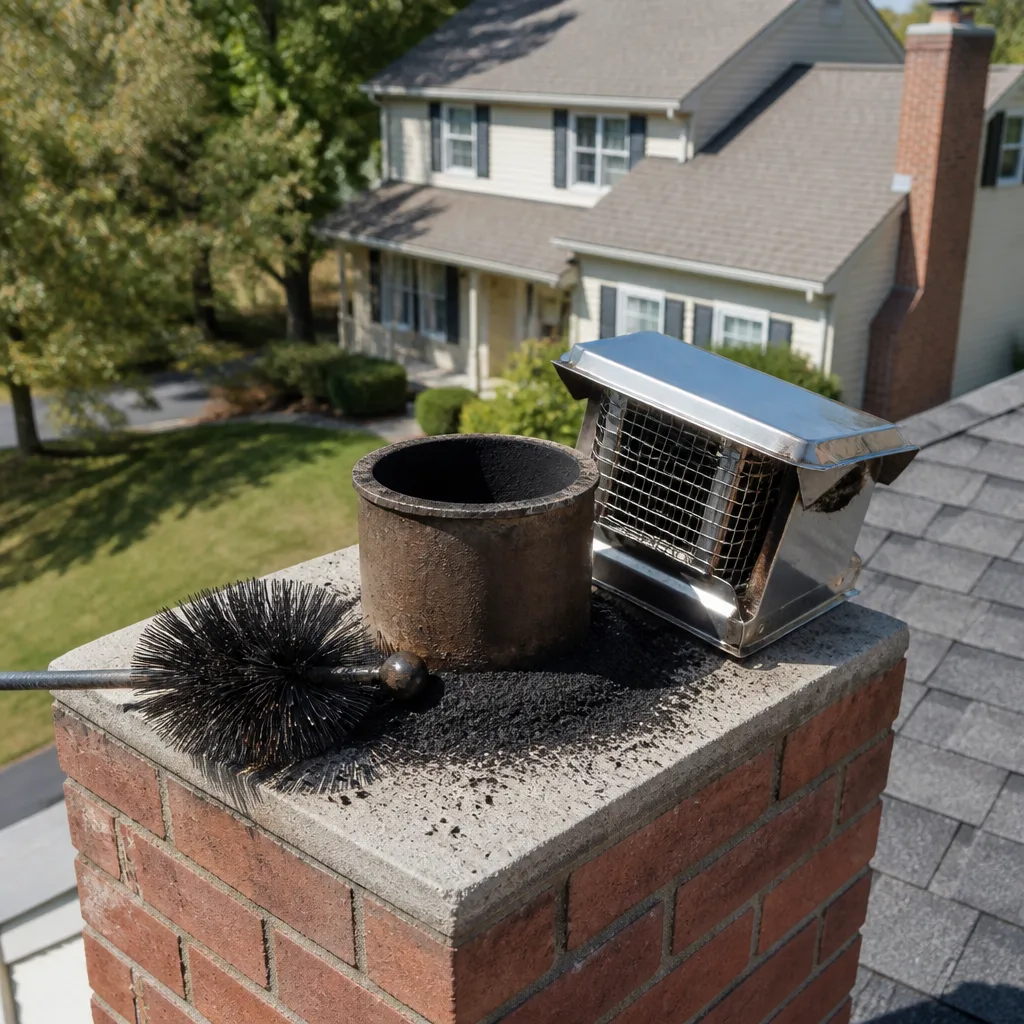
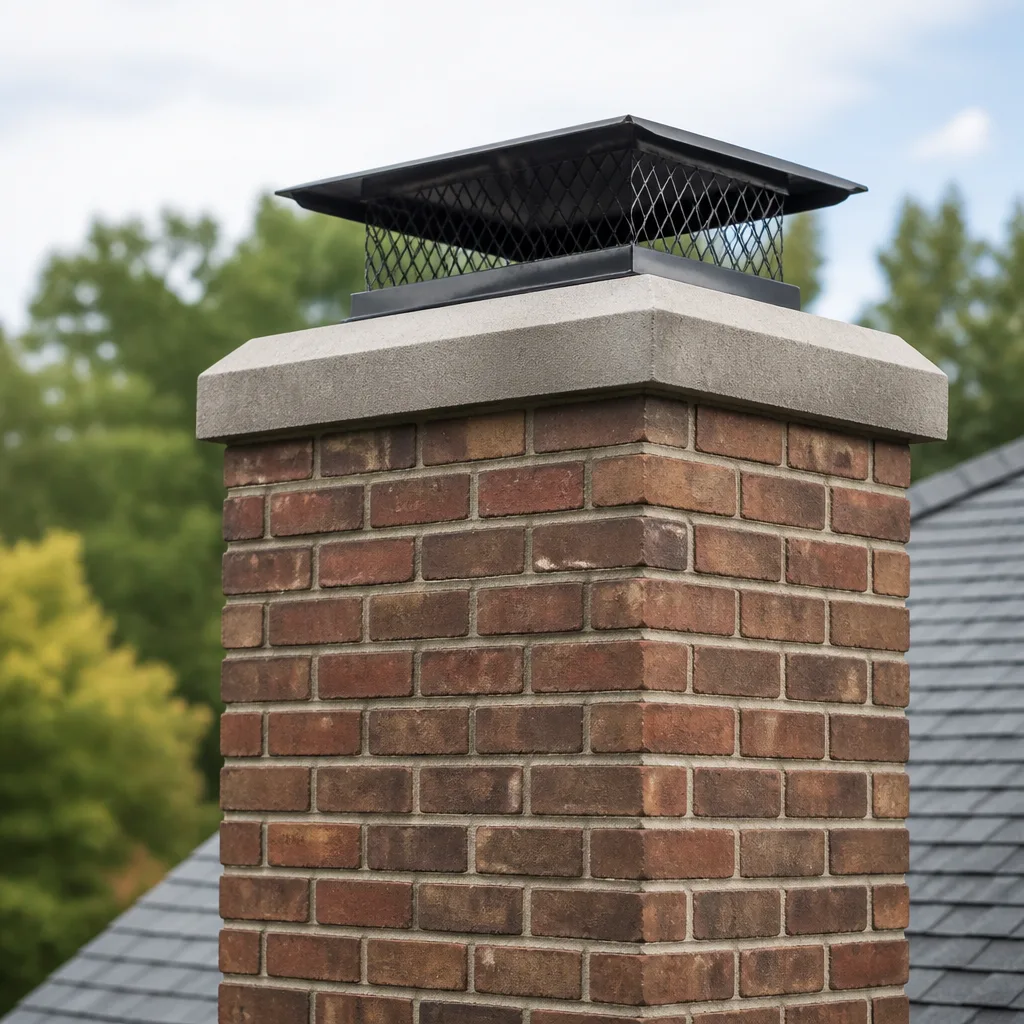
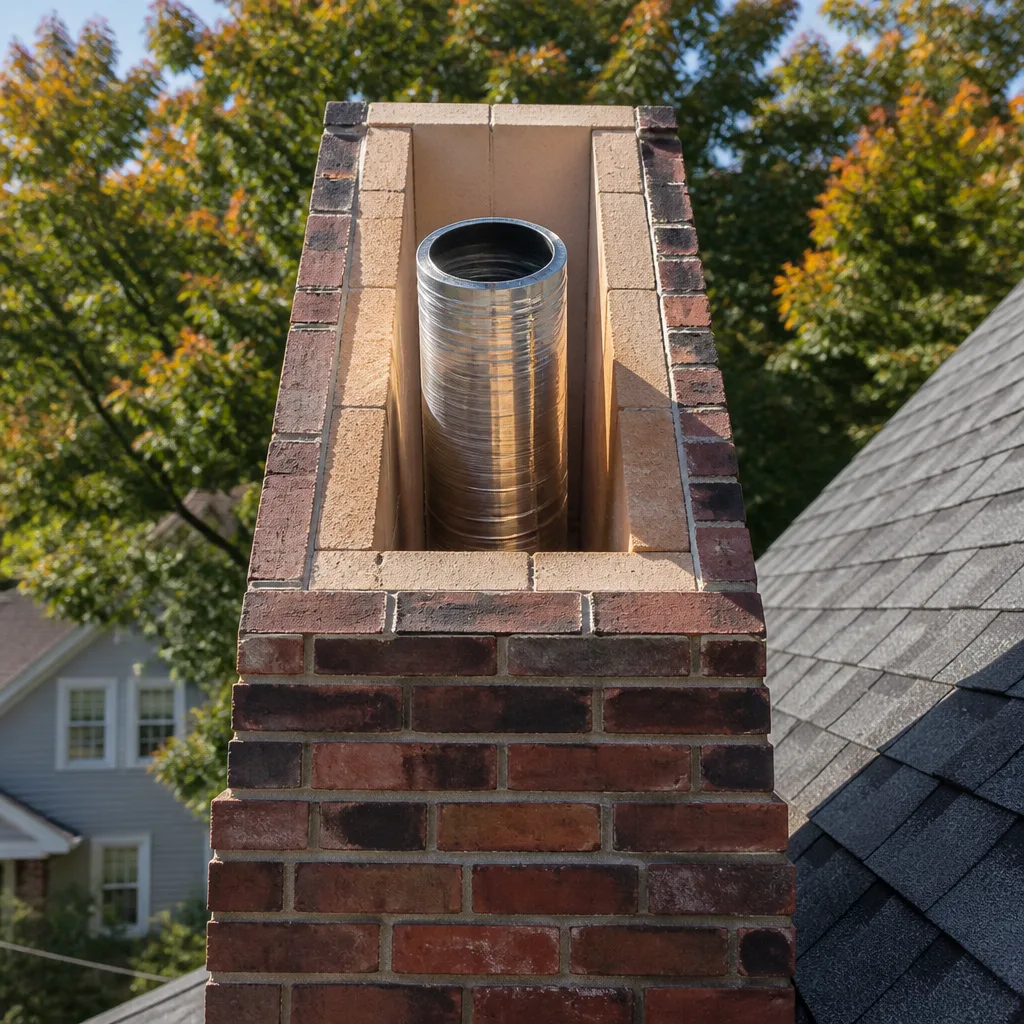
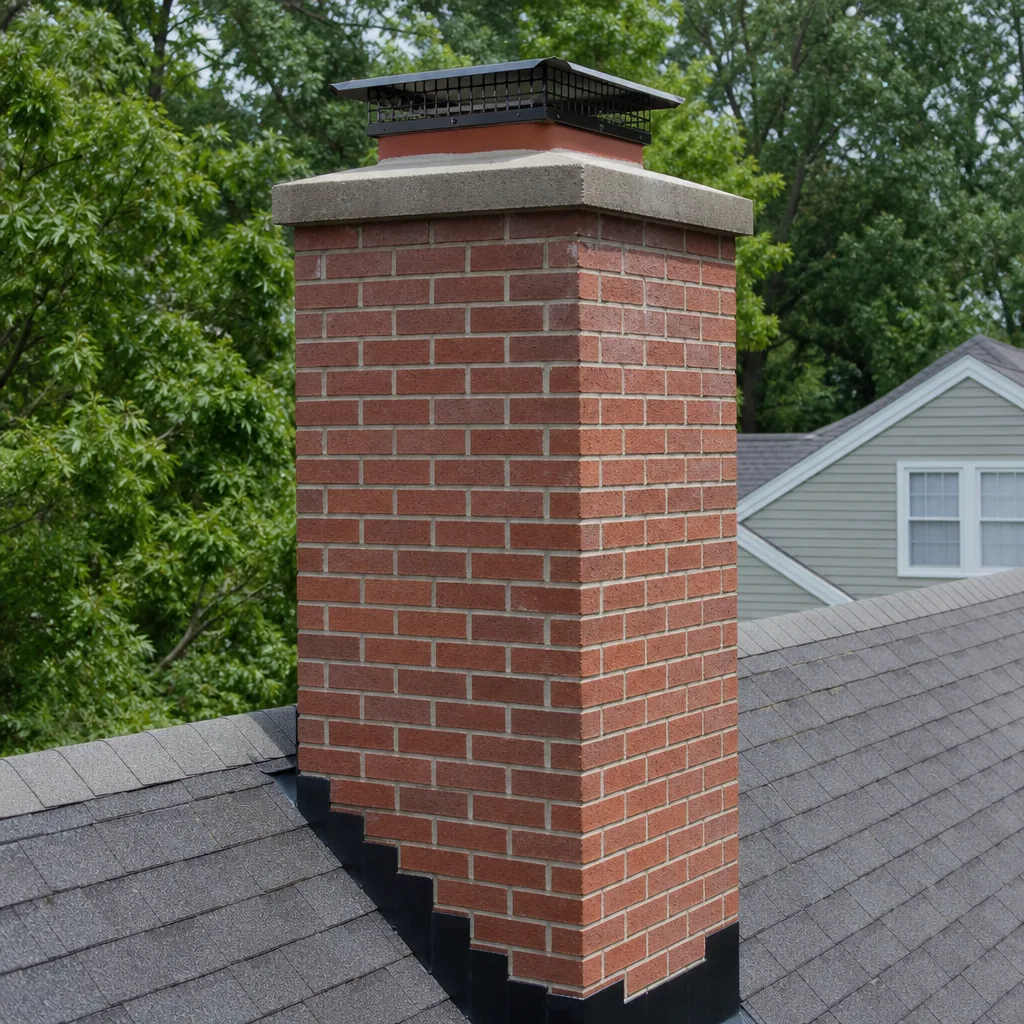
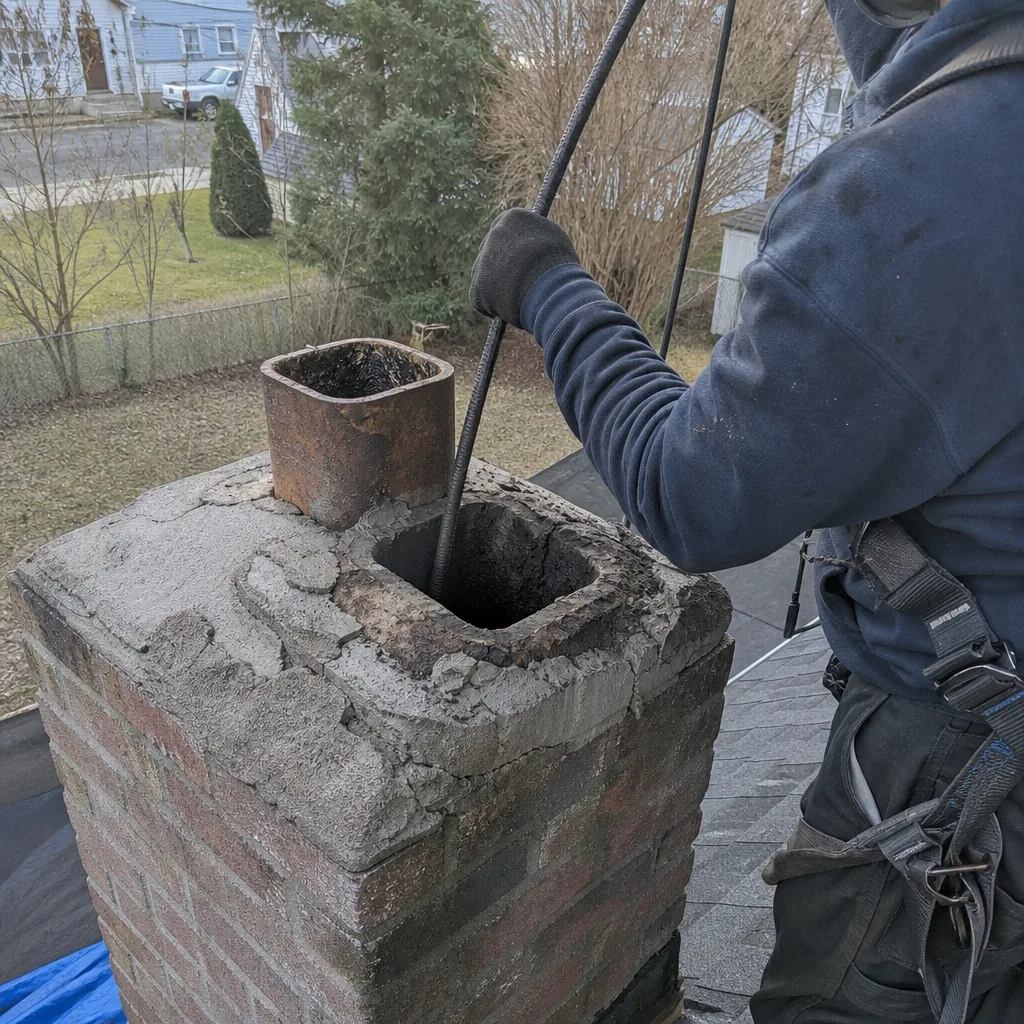 Before
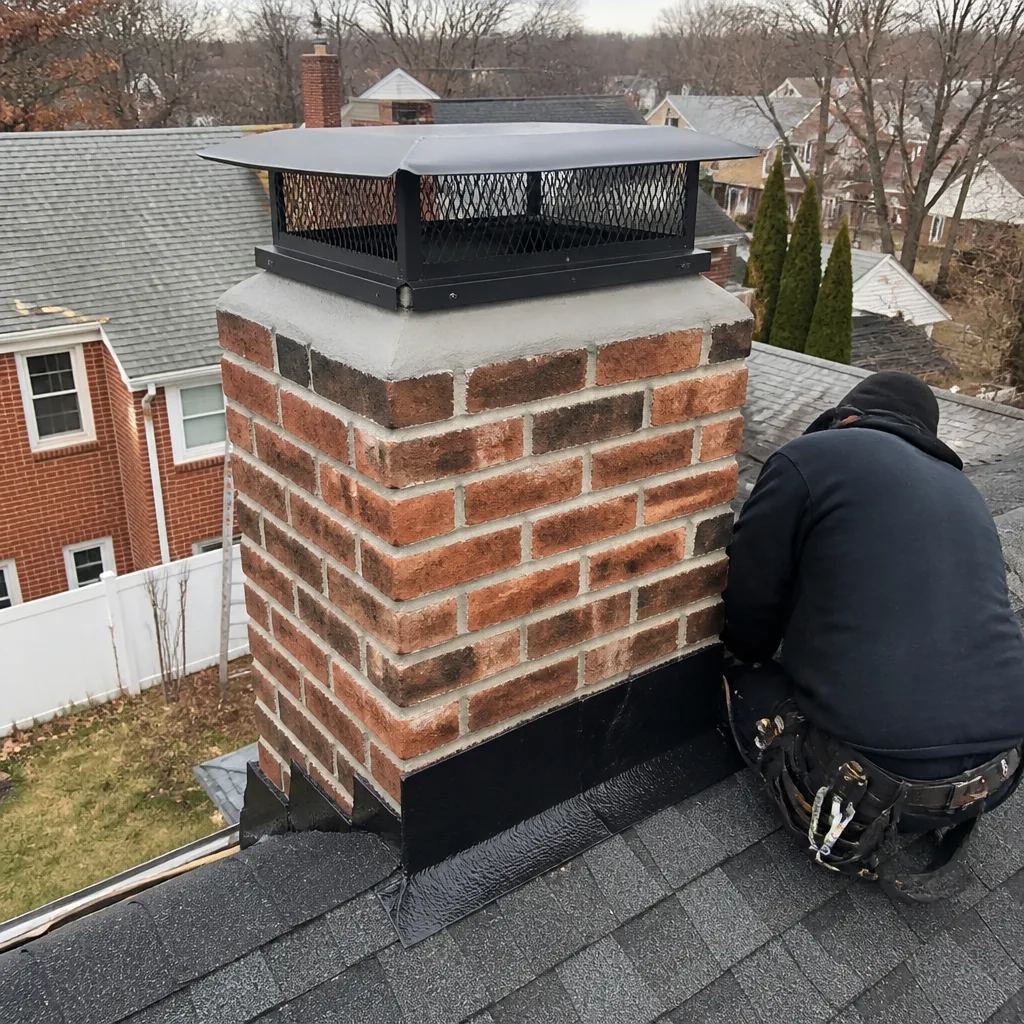 After
After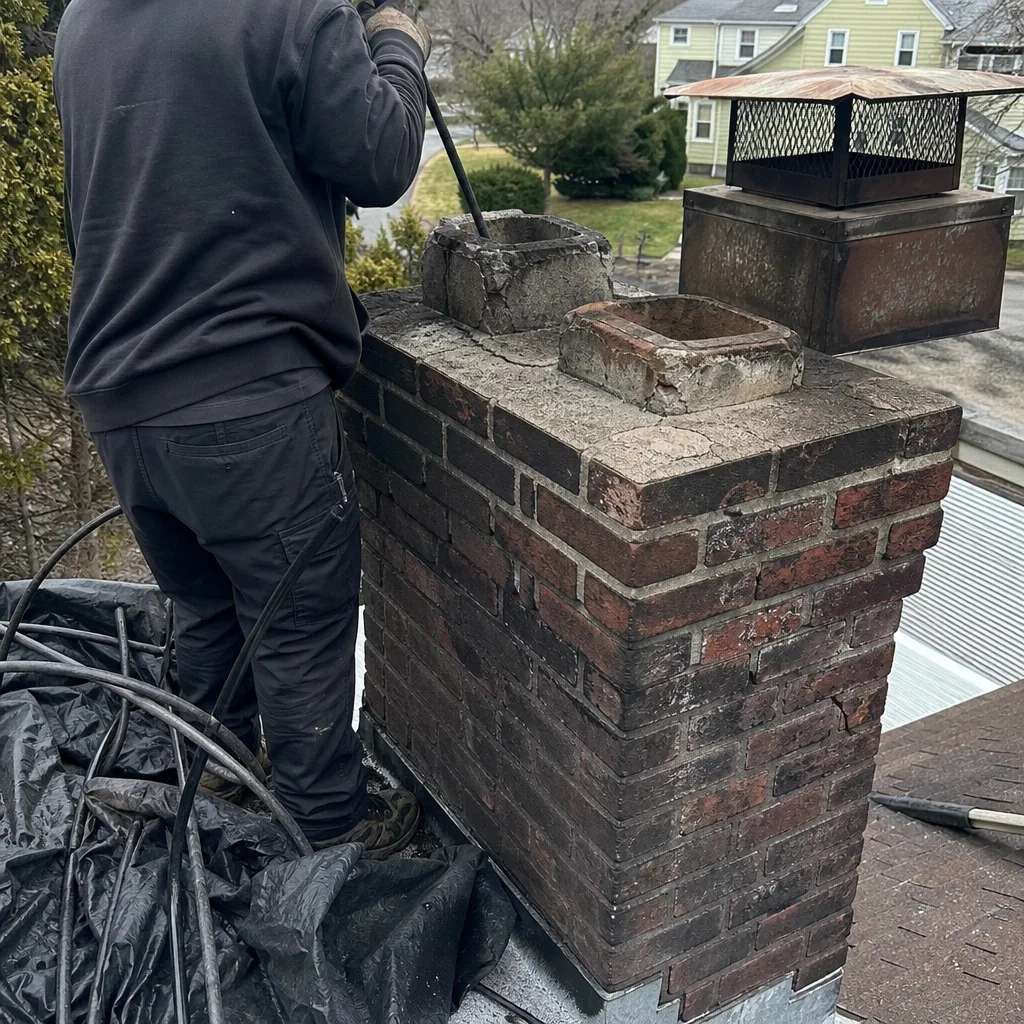 Before
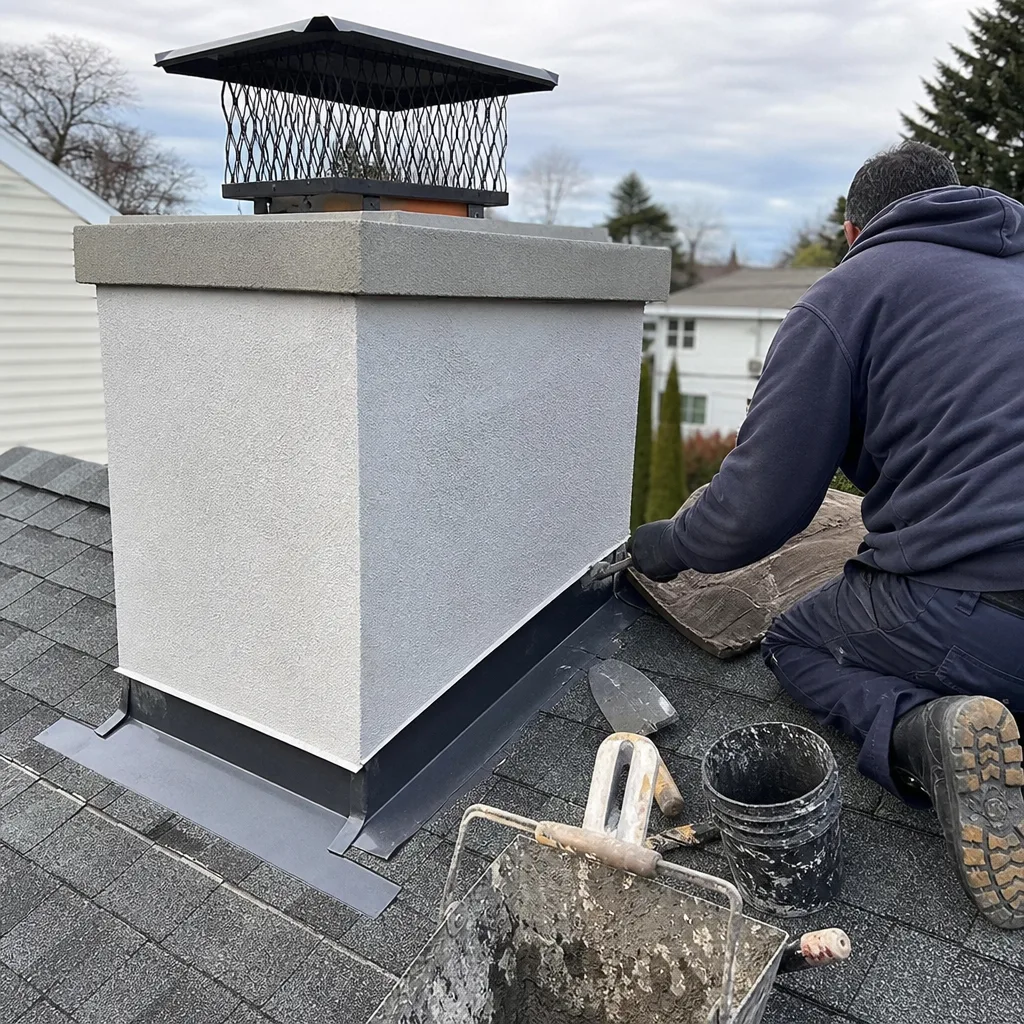 After
After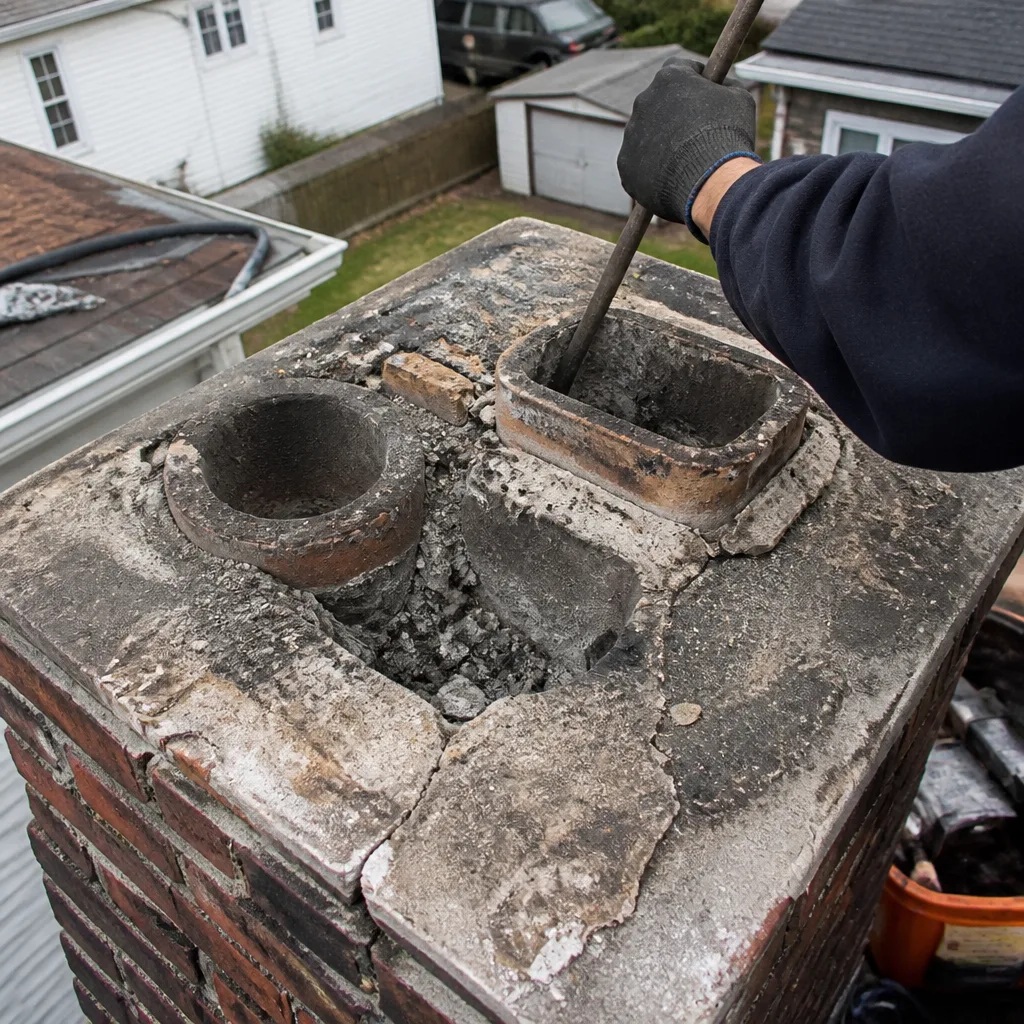 Before
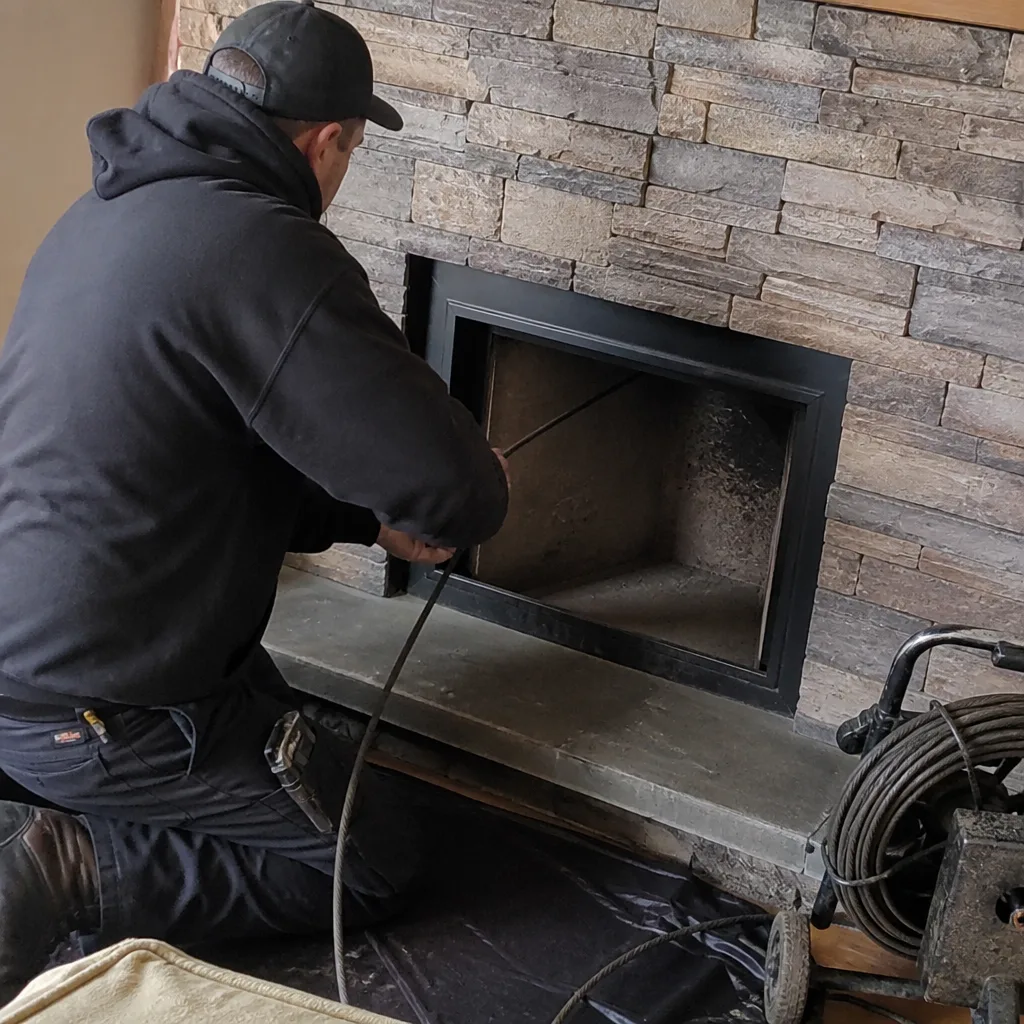 After
AfterDuraFlex Chimney Liner & Rebuild in Newark: What to Know First
We install, repair, and replace DuraFlex chimney liners throughout Newark, and most liner jobs are completed in one day once we’re on site. A typical DuraFlex liner replacement in Newark runs $2,600 to $5,400 depending on flue height, existing liner condition, and whether the chimney crown needs work at the same time. You’ll get a written price before anything begins, and the finished job includes a camera scan and photo record so you can see exactly what was done.
This page is for Newark homeowners who have a DuraFlex liner that is nearing the end of its service life or already showing signs of deterioration, and who want a clear picture of what replacement or rebuild actually involves. Call (862) 245-4309 to schedule an inspection, or read on for what we typically find in DuraFlex systems across Newark’s housing stock.
How DuraFlex Products Fail - and How We Fix Them
- DuraFlex 316L liner seam separation at the corrugation peaks. The thin-wall corrugated profile that makes these liners easy to pull through a flue also creates stress concentration at the ridge points. After 12 to 15 years of heating-season expansion and contraction, the seams can split. In Newark’s older row houses near the Ironbound, where flues are often clay-tile lined with offset joints, we see this separation more often because the liner has to snake around offsets and gets torque at the same spot every time it heats up. Fix is full liner replacement with proper sizing, never a patch over a split seam.
- DuraFlex 304 alloy pitting on oil-fired systems. 304 stainless doesn’t hold up to the acidic condensate that oil exhaust produces, and Newark still has thousands of homes burning heating oil. If a 304 liner was installed on an oil flue, we find pinhole pitting within 8 to 10 years, usually in the lower third of the liner where the flue gas is coolest and most corrosive. The correct fix is a 316L or AL29-4C alloy liner, depending on the appliance. We write the alloy recommendation on the quote so there is no guesswork later.
- DuraFlex Pro 316Ti weld degradation at the cap connection. The Pro series uses a heavier wall and a welded cap adapter, which is generally solid. But when the cap is installed too tight against the top plate or the liner wasn’t cut square, the weld bears wind load every time a nor’easter pushes across Newark. We have pulled caps off and found the weld cracked halfway around the circumference. The fix is removing the cap, squaring the liner end, and reinstalling with a proper slip joint rather than re-welding a stressed connection.
- DuraFlex Smooth Wall liner delamination in high-draft fireplaces. For homeowners with larger open hearths, the Smooth Wall line reduces creosote accumulation in the corrugations, which is a real advantage. But it’s a two-layer product, and if the inner layer was nicked during installation, combustion gases get between the layers and cause blisters or delamination. We see this in Newark homes where the flue has a steep offset and the liner was pulled hard through a tight clay tile. The only safe repair is replacement of the affected section, which usually means replacing the liner entirely.
- Improperly sized liners causing draft failure and back-puffing. This is less a DuraFlex defect than an installation error, but it shows up constantly in Newark homes. A 6-inch liner stuffed into an 8×12 clay flue without insulation, or a liner sized to the old appliance rather than the new one, produces weak draft and back-puffing that homeowners mistakenly blame on the liner brand. We measure the appliance input, calculate the flue sizing per NFPA 211, and if the liner is the wrong diameter, it gets replaced, not adjusted. DuraFlex makes the right size; the installer just has to order it.
Our DuraFlex Chimney Liner & Rebuild Process
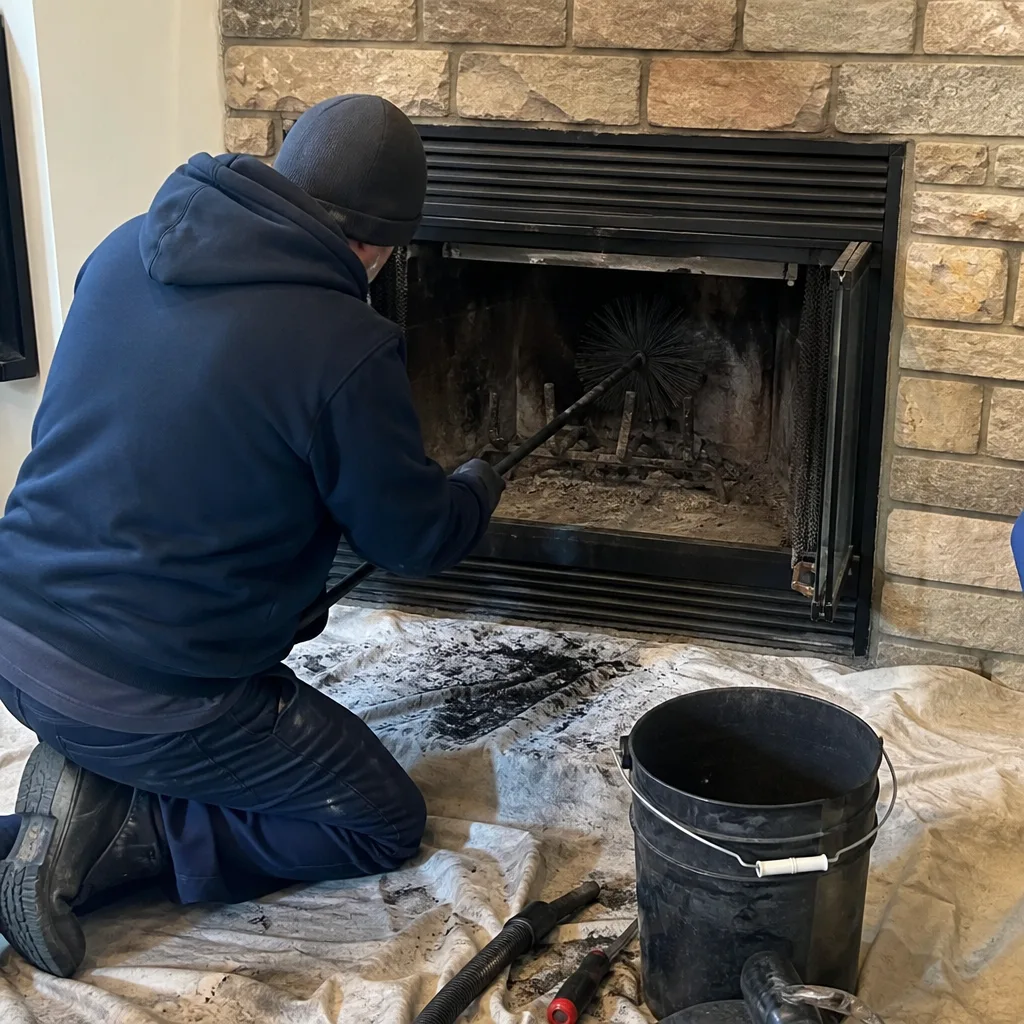
- 1
Camera inspection first. We run a camera down your flue before quoting any work. This shows liner condition, offset angles, clay tile alignment, and any blockages. You see the footage. Clause 4 of the Haven Standard makes this a requirement on every visit, and we have done it that way since 2009.
- 2
Written quote with alloy callouts. Corrine Halstead reviews the footage and writes the scope. If your old liner is 304 and you’re on oil, the quote specifies 316L or AL29-4C. If you’re on gas, we spec the thinnest appropriate liner for the appliance category. You get a written price, written scope, and written warranty before we start, not after the tech is already standing in your living room.
- 3
Parts decision: OEM vs aftermarket. For the liner itself, we source from DuraFlex through the Haven buying network. For termination caps, top plates, and connectors, we’ll use OEM when it’s a critical fit or aftermarket equivalents from Famco or Olympia when the part is generic and the OEM option is overpriced. We tell you which is which on the quote. You don’t have to wonder if you got a knockoff.
- 4
Removal and install. The old liner comes out, the flue gets cleaned down to the clay or masonry surface, and the new DuraFlex liner goes in with the correct insulation wrap where code requires it. For rebuilds, any spalling brick or failed mortar in the chase or chimney crown is repaired during the same visit so you don’t have to coordinate two contractors.
- 5
Draft test and photo record. After the liner is installed, we run a draft test and a final camera scan to confirm the liner is seated, connected, and drafting properly. You get the before and after footage, plus a written record of what was done. That documentation stays with you, and it stays in our archive under your address.
- 6
Warranty walkthrough. Before we leave, we review the written workmanship warranty and the DuraFlex manufacturer coverage. If something is not right, the 365-Day Done Right Promise means we come back and fix it. It’s that simple.
BeforeAfterWhat DuraFlex Chimney Liner & Rebuild Costs in Newark
Most Newark DuraFlex liner replacements land between $2,600 and $5,400. The low end is a straightforward gas flue with a straight run, easy roof access, and a clean chimney crown. The high end is a full rebuild scenario: failing crown, spalling brick at the top courses, a liner that has to be pulled through offset clay tile, or an oil-to-gas conversion that requires an alloy upgrade.
- Straight gas liner replacement: $2,600 to $3,400
- Oil furnace liner replacement (316L or AL29-4C): $3,200 to $4,600
- Liner plus crown repair: $3,800 to $5,200
- Full chimney rebuild (top 8-12 courses, crown, liner): $5,400 to $9,500
What moves the price: flue height, scaffold vs ladder access, whether the clay tile needs to be broken out or the liner can be pulled through, and the condition of the masonry around the crown. We’ll give you a free, written estimate before any work starts. Call (862) 245-4309 to book the inspection.
Why Newark Homeowners Call Level Two Chimney Newark for DuraFlex Work
We’re an independent DuraFlex service provider, not a factory rep, and that means our recommendation is based on what the camera shows, not on what we’re incentivized to sell. The camera doesn’t negotiate, it just shows what’s there. Corrine Halstead learned masonry and ventilation systems at New York City College of Technology in Brooklyn, and for years she has worked row houses near Branch Brook Park where the clay flue liners are original and the creosote builds faster than homeowners expect. That experience shapes how we size liners and how we handle rebuilds on older Newark chimneys.
We carry the full DuraFlex range plus HeatShield and Gelco materials, so if your flue doesn’t need a replacement liner but the clay tile is cracked, we can quote a resurfacing option instead. Every job gets a written price before work starts, a camera-scan photo record when it’s finished, and a one-year workmanship guarantee. Live phone support runs 24/7 at (862) 245-4309, and you’ll talk to a person, not a recording.
FAQs
No. DuraFlex warranty coverage applies to the product itself and is based on the alloy and the listed use. Replacing a failed liner does not void anything; in fact, running a liner past its service life while it’s actively leaking or pitting creates more expensive problems. We document the removed liner with photos so you have a record if a warranty claim is appropriate.
A correctly sized 316L liner on a gas appliance typically lasts 15 to 20 years in Newark’s climate. On oil, 304 liners can be compromised in under 10 years because of acidic condensate. The wild card is installation quality: a liner that was forced through tight offsets or installed without insulation will fail earlier, regardless of the alloy. We routinely pull liners in Newark homes that are 8 to 10 years old and already showing seam stress.
A split seam or pinhole pitting cannot be safely patched. The liner carries combustion gases under pressure and heat, and any patch becomes a new failure point. What can be repaired is everything around the liner: the crown, the flashing, the cap, and the masonry. We will quote a resurfacing option using HeatShield if the existing liner is still structurally sound and the issue is cracked clay tile behind it. Call (862) 245-4309 and we’ll tell you which situation you’re in based on the camera footage.
Most common sizes are in stock at our Newark shop or available within 2 to 3 business days through the Haven buying network. Unusual diameters or taller flues may take 5 to 7 business days. We’ll give you a written timeline on the quote so you’re not waiting on a verbal promise.
Yes. We install and repair HeatShield and Gelco products, and we’re happy to advise on whether a non-DuraFlex option makes more sense for your chimney. But if you already have a DuraFlex liner and want a provider who knows the product line, the failure modes, and the right alloy for Newark’s housing stock, we’re the crew to call. Estimates are free. Call (862) 245-4309.
Written by Corrine Halstead, Owner, Level Two Chimney Newark at Level Two Chimney Newark, serving Newark and nearby areas.