
Level 1 sweep and inspection to the NFPA 211 annual standard - flue, crown, cap, and flashing checked and photographed
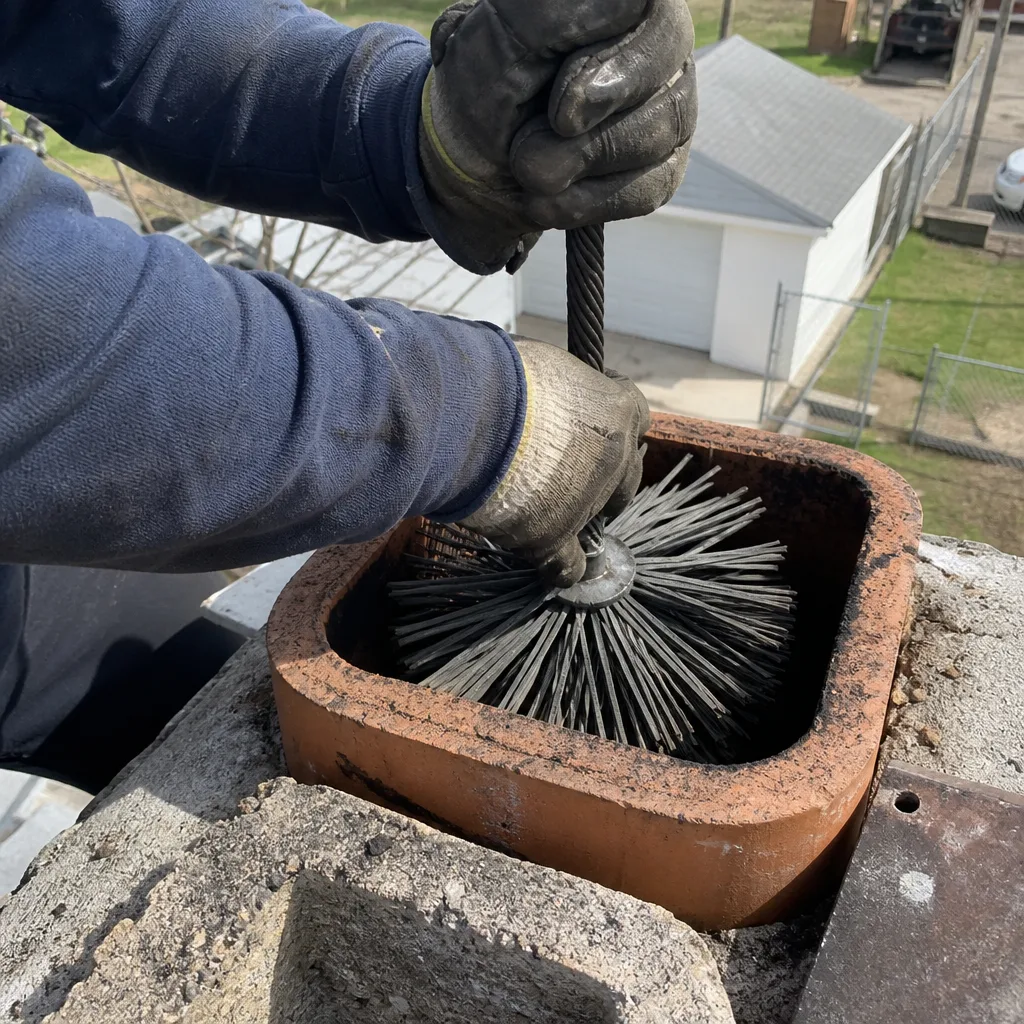
Chimney sweep logs do not sweep chimneys. They loosen some creosote - which then falls where a brush and vacuum still have to collect it.
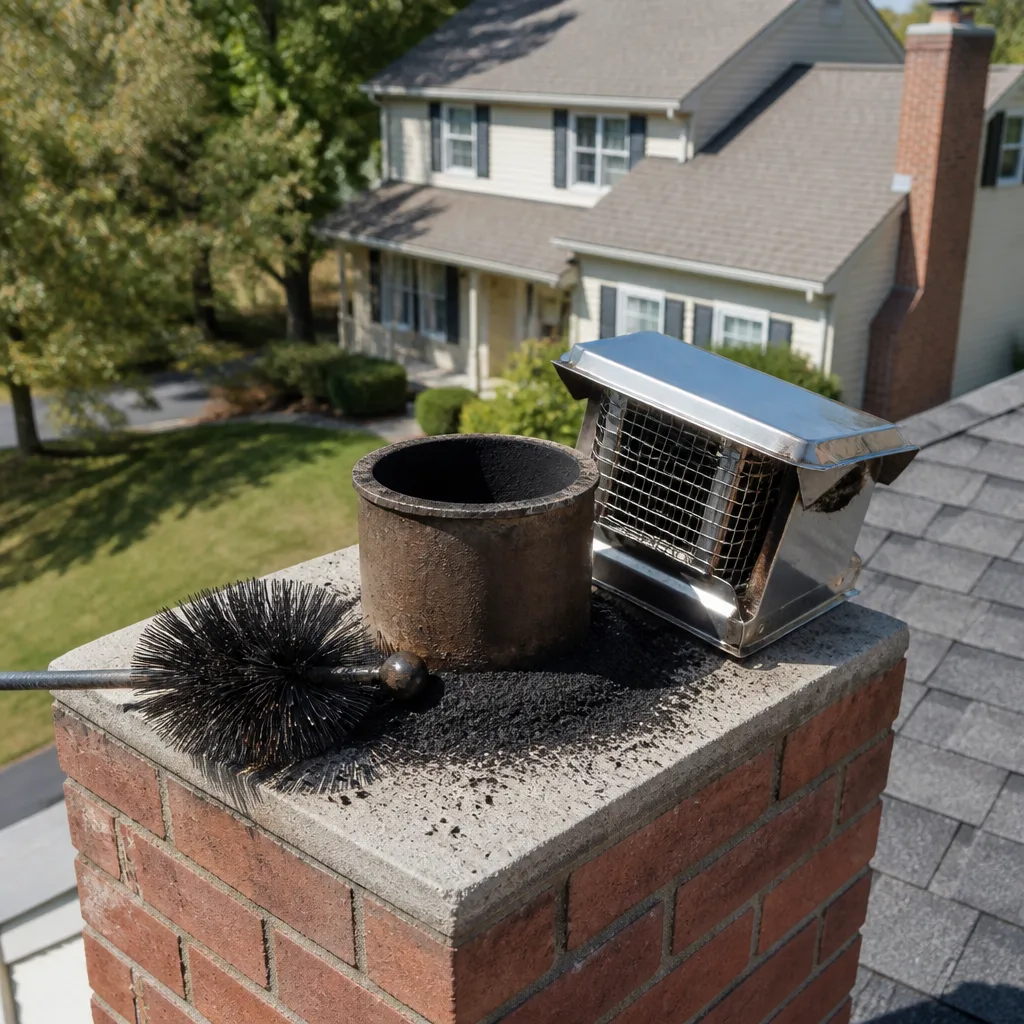
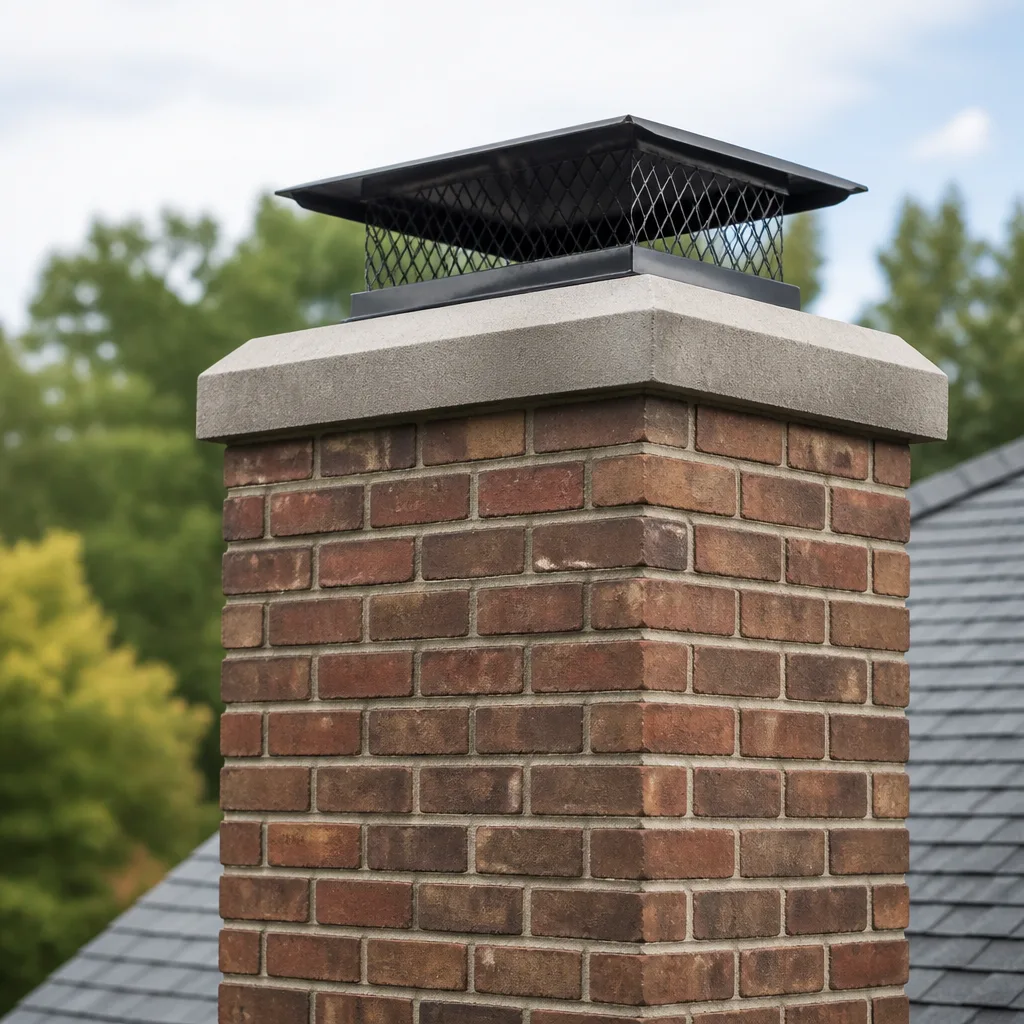
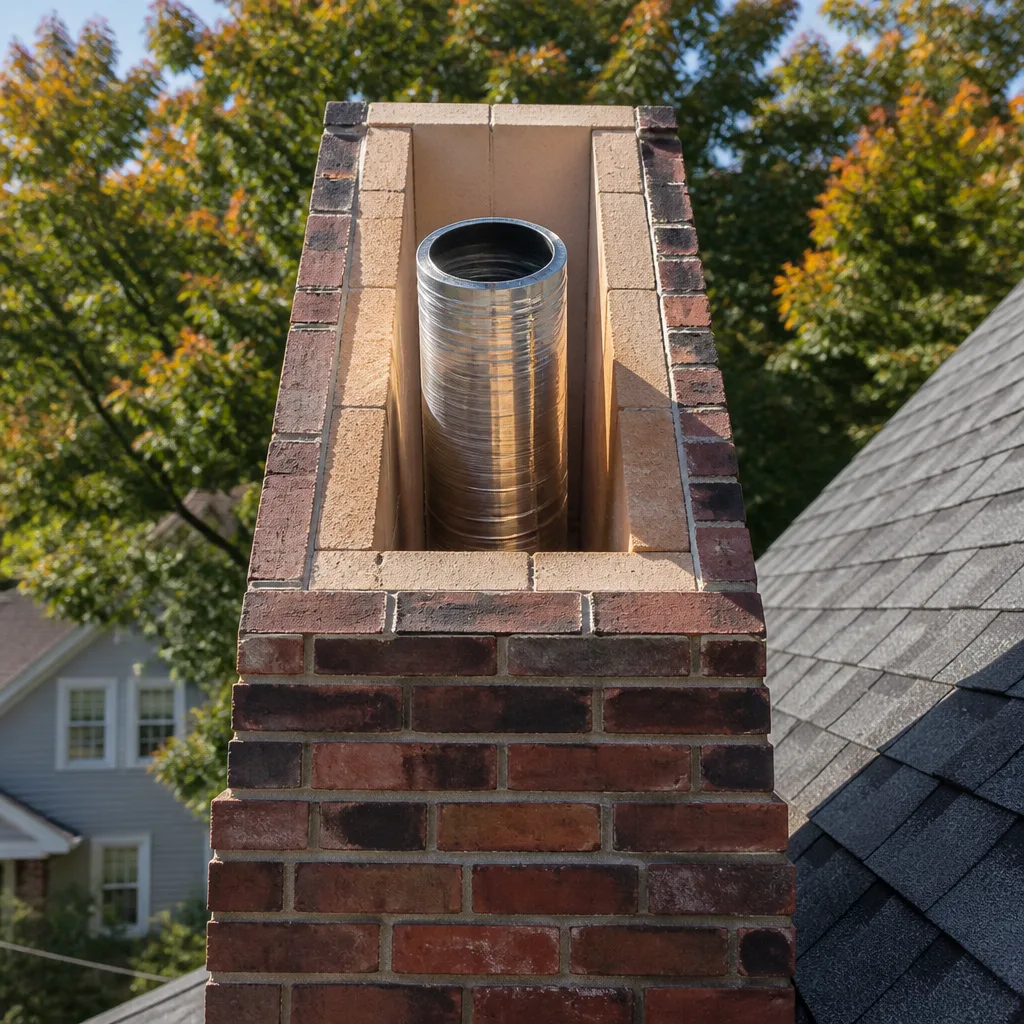
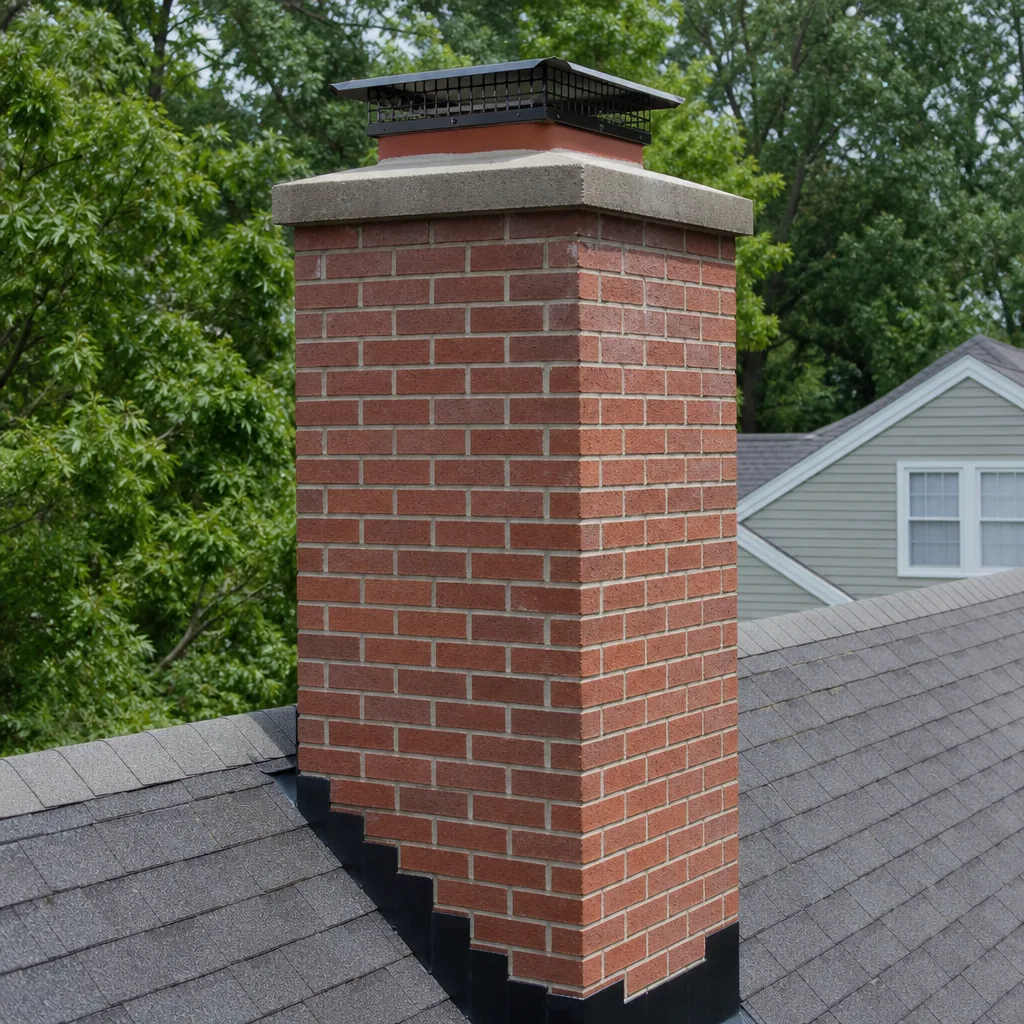
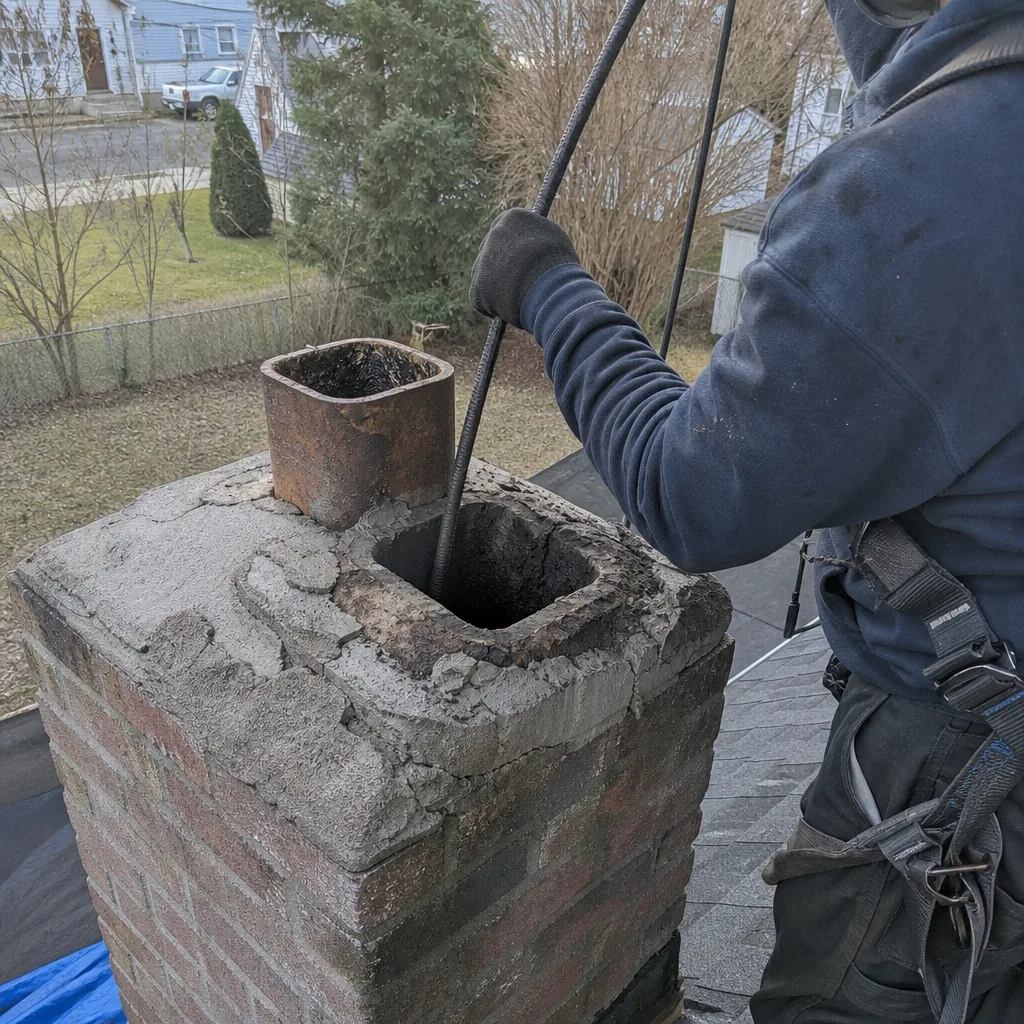 Before
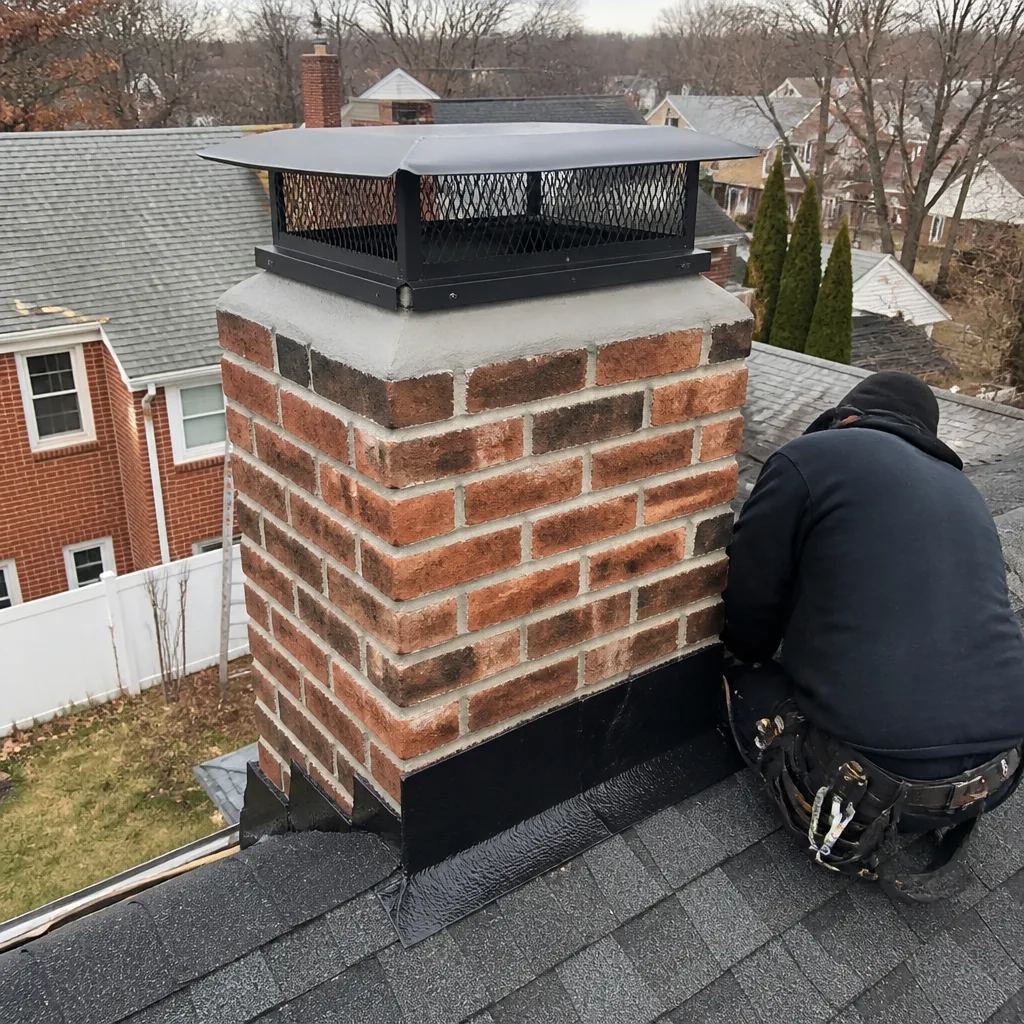 After
After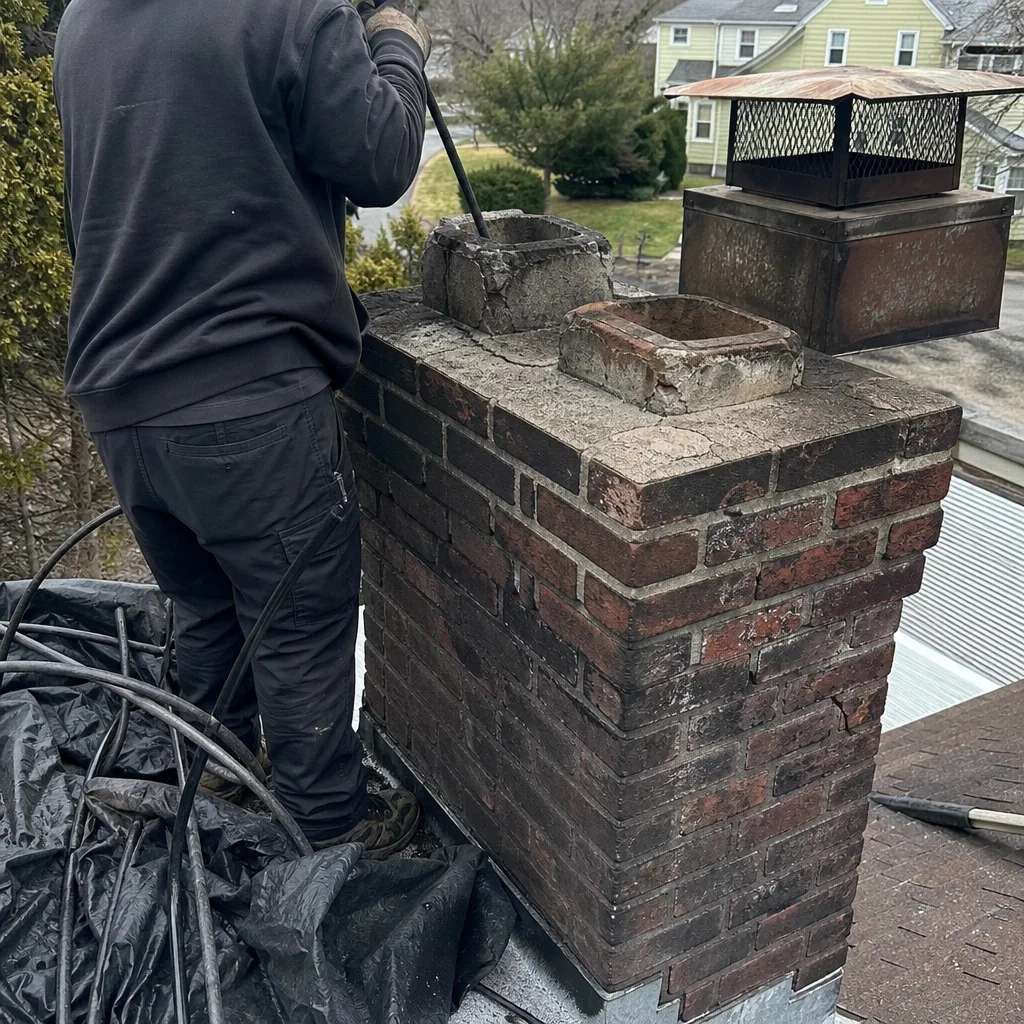 Before
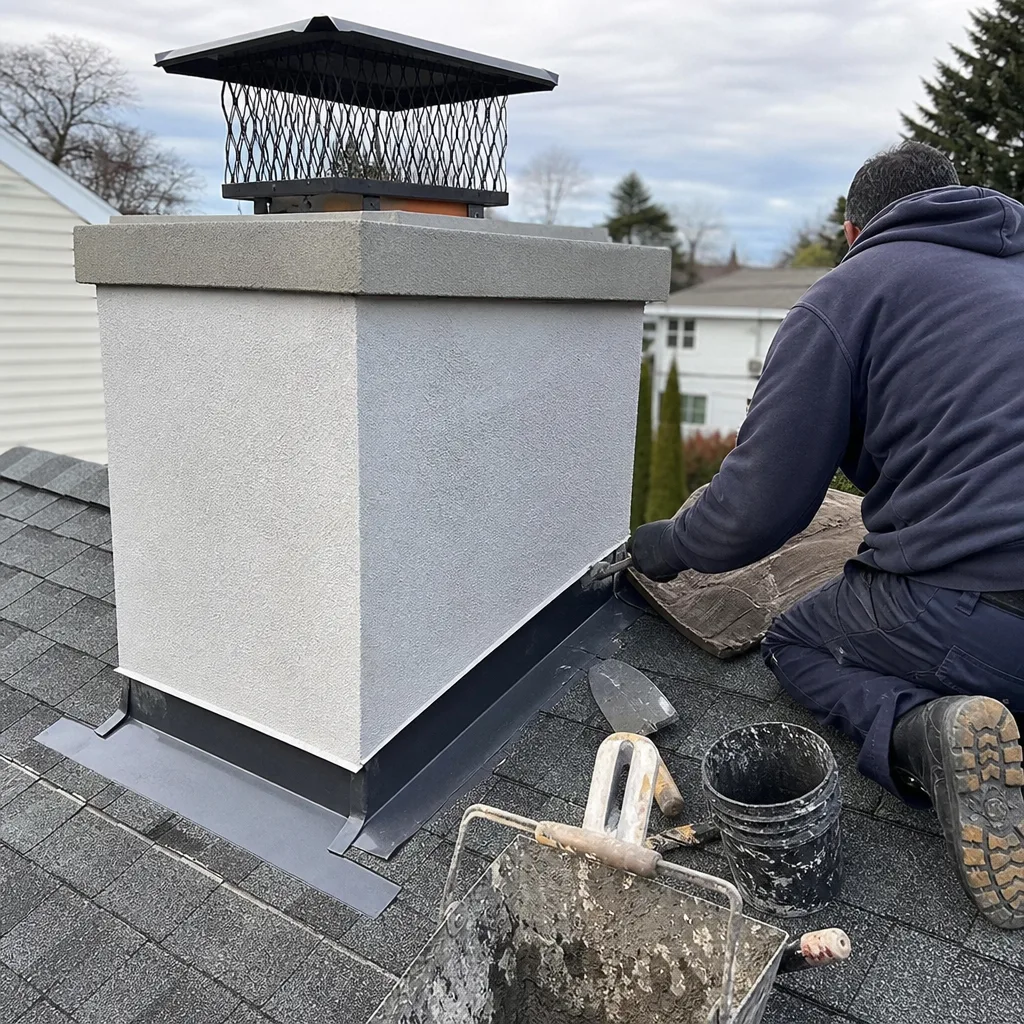 After
After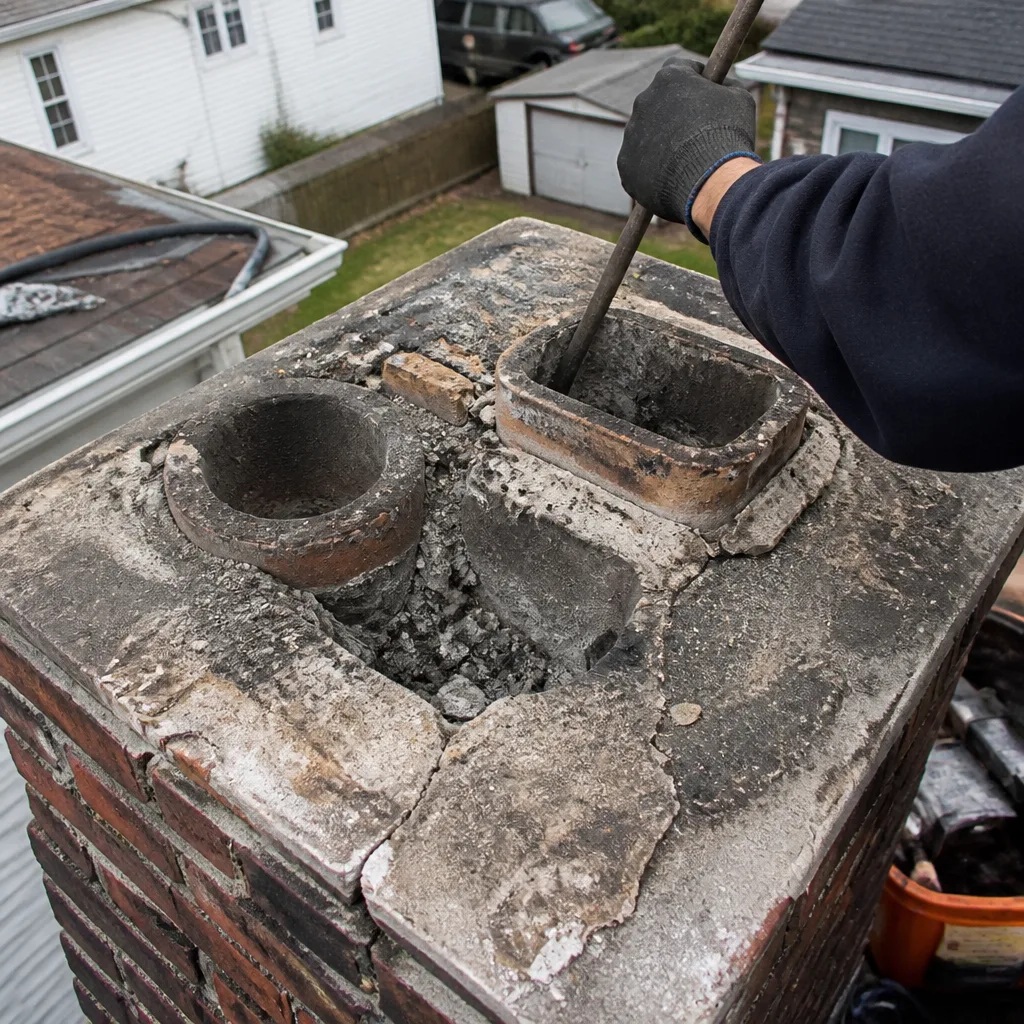 Before
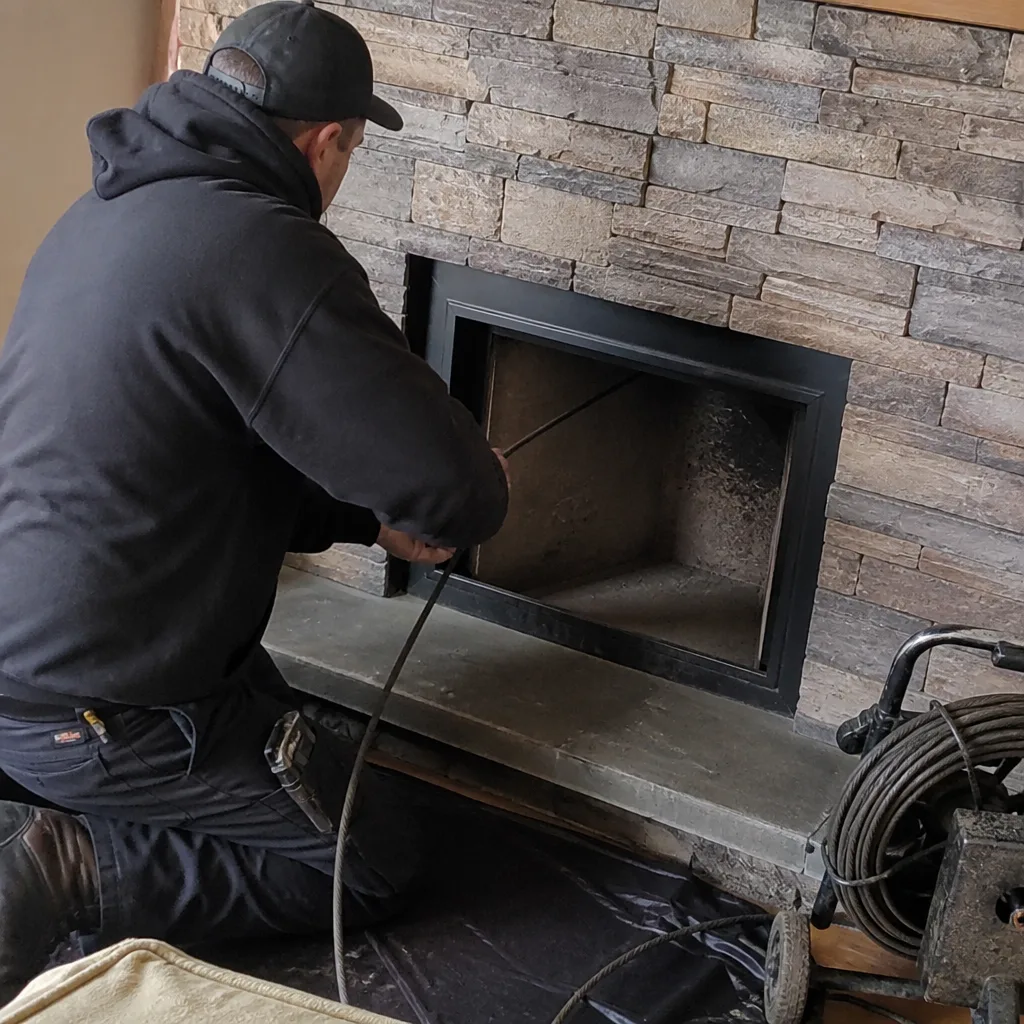 After
AfterDuraFlex Flue Liner Replacement: The Newark Owner’s Guide
We stock and install DuraFlex-compatible flue liner replacement parts for Newark homes, with typical installed prices running $35-$95 for components and $600-$2,400 for full liner replacement depending on flue length and access. Most Newark homeowners discover they need this when rust flakes appear in the firebox or the liner shows visible separation during a Level 2 camera scan. That’s the moment to act, because a compromised liner is the only thing standing between combustion gases and your brickwork.
If you’re reading this, you probably already know your DuraFlex liner is on its way out, or you’re trying to confirm a diagnosis someone else gave you. Either way, here’s what we’ve learned replacing these across Newark’s housing stock since 2009: the flex pipe itself rarely fails first. It’s the connector, the tee, or the top plate that goes, and if you catch it early, the repair is measured in hundreds, not thousands.
Which DuraFlex Models This Applies To
DuraFlex makes several liner series, and the replacement part you need depends on which one is in your flue. The two we see most in Newark homes are the DuraFlex 316L (standard for gas and oil appliances) and the DuraFlex Pro (heavier wall, rated for wood-burning and coal). They’re not interchangeable, and here’s the gotcha: a 6-inch DuraFlex 316L connector will not seat properly on a DuraFlex Pro liner, even though both measure 6 inches inside diameter. The wall thickness changes the outer dimension, and forcing it creates exactly the kind of gap that lets flue gas escape.
To identify your liner, look for the stamped marking on the exposed section above the appliance or at the top termination. If it’s unreadable, measure the outside diameter with a caliper: 316L runs roughly 0.005-0.006 inches wall thickness; Pro runs closer to 0.010. We carry both series on the truck, plus the standard 4-inch through 8-inch diameters. On OEM versus aftermarket: DuraFlex’s own parts are good, but the aftermarket stainless connectors and top plates we source through Haven’s buying network meet the same UL 1777 standard at a more honest price. For Newark’s damp winters and salt-tinged air near the Passaic, we recommend 316L stainless as a minimum no matter which brand is stamped on the box. Aluminum parts, which some national retailers push as budget options, corrode fast here and we won’t install them.
Signs Your DuraFlex Flue Liner Replacement Is Failing
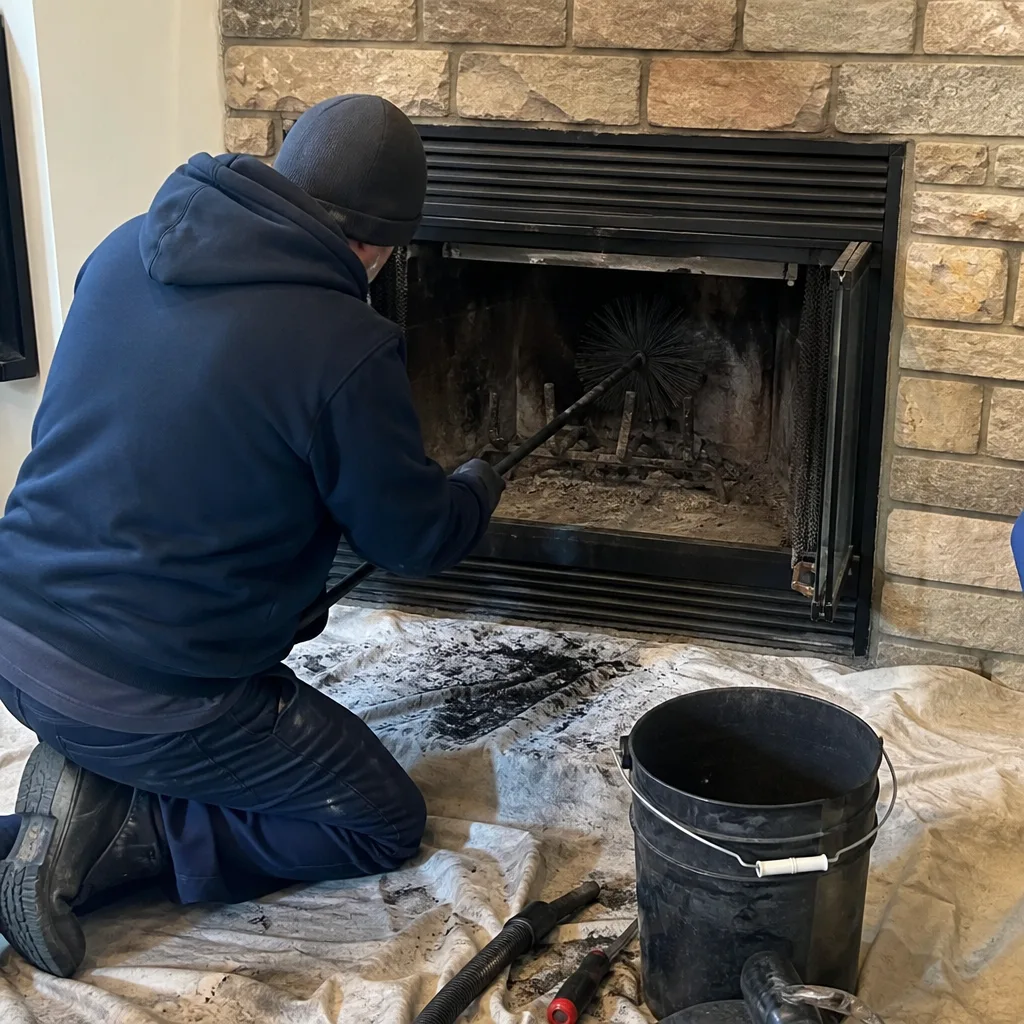
Here’s what we actually find when we put the camera down a Newark flue with a failing DuraFlex liner system:
- Rust flakes or staining at the cleanout door. This means condensation is pooling inside the liner, usually because the wrong grade of stainless was installed or the liner isn’t pitched correctly. We see it often in row houses near Branch Brook Park where original clay tiles were relined years ago.
- A metallic rattle when the appliance kicks on. Thermal expansion causes a loose or corroded connector to vibrate against the liner wall. It’s not harmless noise; it’s metal moving where metal shouldn’t move.
- Visible separation at the tee or connector joint. When you can see daylight through a joint at the appliance connection, flue gas is taking a shortcut into the room instead of up the chimney. This is the most common failure point on DuraFlex systems, and it’s the cheapest to fix if caught early.
- Flaking or blistering on the exterior masonry near the flue. Moisture and heat escaping through a compromised liner push salts and minerals out of the brick. The liner fails inside; the brick tells you outside.
- A sulfur or “rotten egg” smell near the hearth when the appliance runs. That’s combustion gas backing down through a liner breach. If you smell this, shut the appliance off and call us. Don’t wait for the carbon monoxide detector to confirm it.
Corrine Halstead has pulled enough original liners out of Newark row houses to know one thing: the camera doesn’t negotiate, it just shows what’s there. When the image shows a split at the 4-foot mark with the rust pattern matching a connector joint, that’s what gets written down, measured, and priced.
BeforeAfterReplacement Cost & What’s Included
For a Newark home, here are the real numbers we quote in writing before any work starts:
- Single component replacement (connector, tee, or top plate) : $35-$95 for the part, plus 30-60 minutes of labor. Most jobs land around $140-$250 installed.
- Partial liner section replacement (up to 15 feet) : $400-$950 installed, depending on access and whether scaffolding is needed.
- Full DuraFlex liner replacement (typical 20-35 foot Newark flue) : $1,200-$2,400 installed, including the liner, connectors, top plate, rain cap, and insulation where required.
- Camera-scan inspection after installation : included, per Haven Standard Clause 4, with photos you keep.
What drives the range is access. A Victorian near Lincoln Park with a steep roof and a 35-foot flue costs more than a single-story brick home in the Ironbound with easy ladder reach. We write the price, the scope, and the warranty on one sheet before we touch anything. Our 365-Day Done Right Promise applies to every liner job: if it’s not right, we make it right. No callbacks to argue about.
DIY or Call Us?
Replacing a flue liner isn’t a spring swap, but there are a few things you can safely check yourself. Shine a flashlight up past the damper (from inside the firebox, not on a ladder) and look for rust trails or separation at the connector. At dusk, look at the chimney top from the ground: if the rain cap is missing or tilted, water’s been getting in. Those observations are worth having before you call.
Where DIY goes wrong is everything after that. A flue liner carries hot combustion gas away from your living space, and the joints have to be sealed correctly for the entire run. Botched connector installation can look fine and still leak carbon monoxide. Newark building code also requires that any liner replacement be done to NFPA 211 standards, which means a proper camera verification afterward. If you’ve got a failing DuraFlex liner, call (862) 245-4309 and we’ll put a written price in front of you before anything gets unbolted.
FAQs
A properly installed 316L DuraFlex liner lasts 15-20 years in most Newark homes, but connector joints typically need attention every 8-10 years. Salt air near the Passaic and condensation from high-efficiency appliances both shorten that window, so we recommend a camera check every two years to catch joint corrosion before it turns into a full replacement. Call (862) 245-4309 to schedule an inspection with a documented photo record included.
Yes, when the damage is at a connector or top plate, which it usually is. We replace the failed component and re-secure the liner, without touching the sections that are still in good condition. If the flex pipe itself is split or heavily pitted, a patch isn’t worth doing; full replacement is the honest call. We’ll show you the camera footage either way before you decide.
A single component swap takes under an hour on most Newark chimneys. A full liner replacement runs 3-5 hours, occasionally more when the old liner has to be cut into sections to pull it out of a tight flue. You’ll have a written scope and time estimate before we start, and a text when the named tech is on the way.
We stock DuraFlex 316L and Pro connectors, tees, top plates, and rain caps in 4-inch through 8-inch diameters on the truck, along with HeatShield and Gelco parts for other systems we service. If your liner needs a non-standard size or a specialty component we don’t carry, we order it through Haven’s buying network and typically have it within two business days. The written quote still comes before anything is ordered.
Written by Corrine Halstead, Owner, Level Two Chimney Newark at Level Two Chimney Newark, serving Newark and nearby areas.