
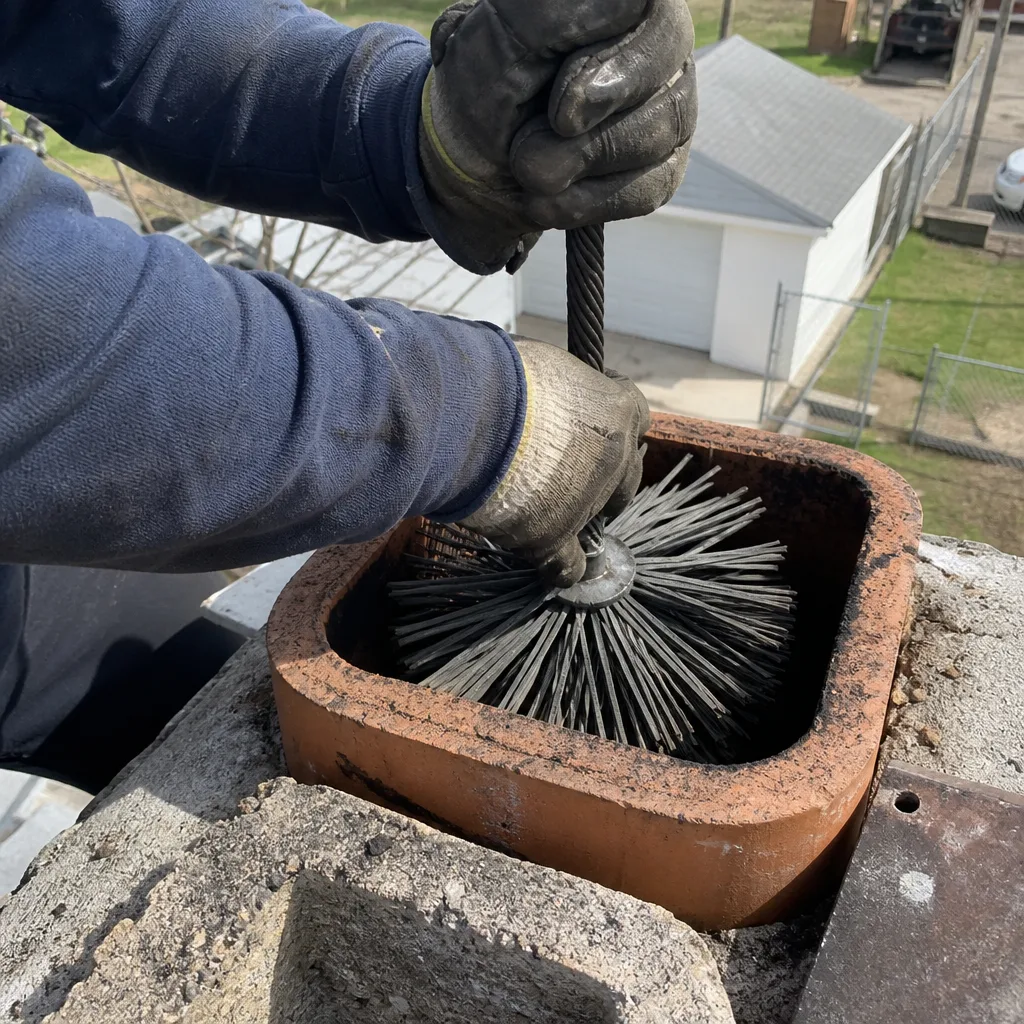
Level 1 sweep and inspection to the NFPA 211 annual standard - flue, crown, cap, and flashing checked and photographed
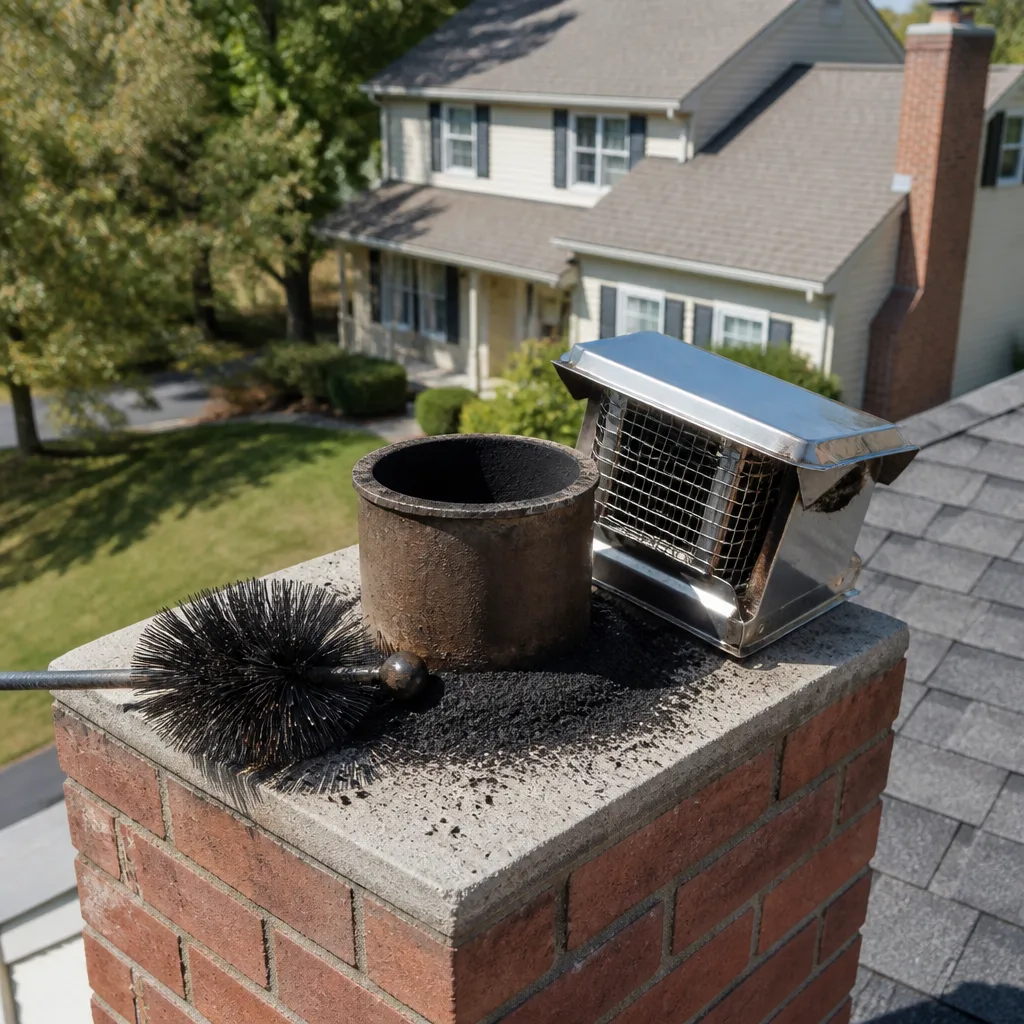
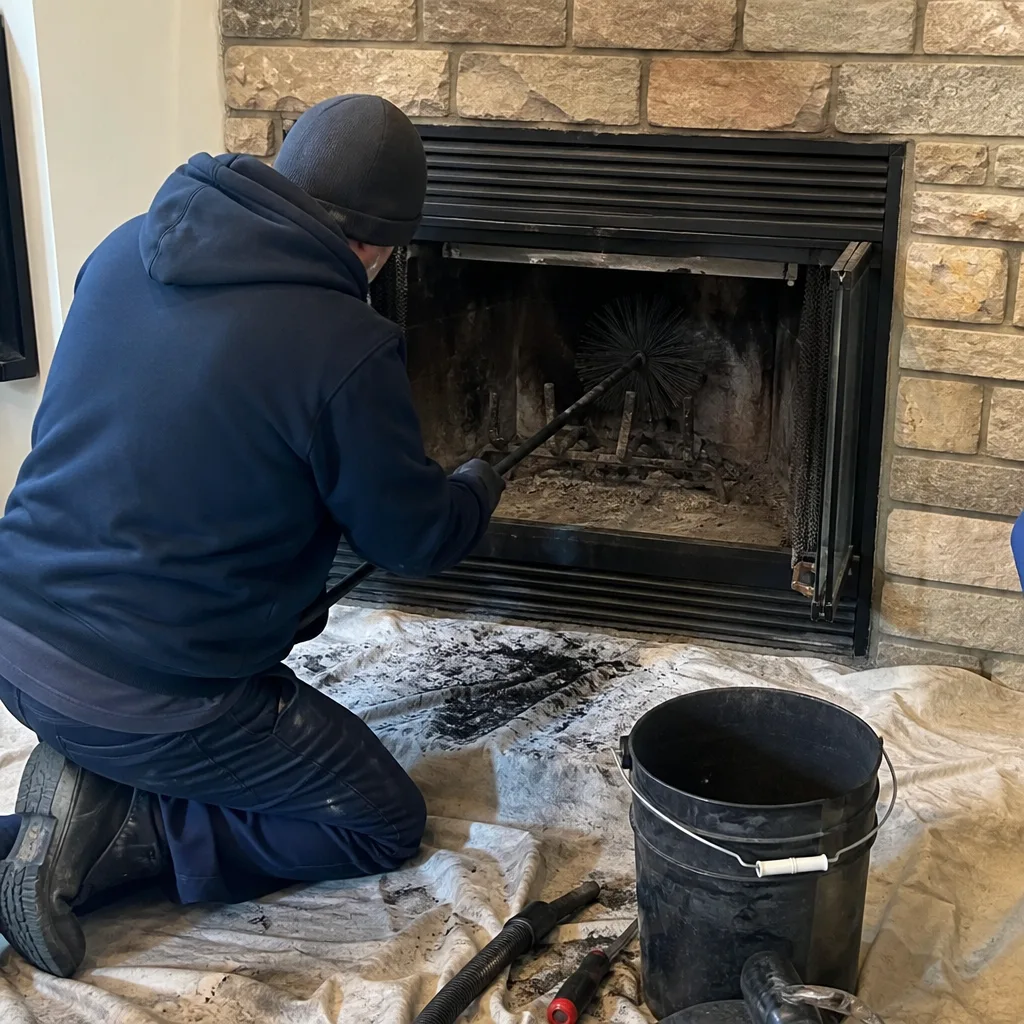
Chimney sweep logs do not sweep chimneys. They loosen some creosote - which then falls where a brush and vacuum still have to collect it.
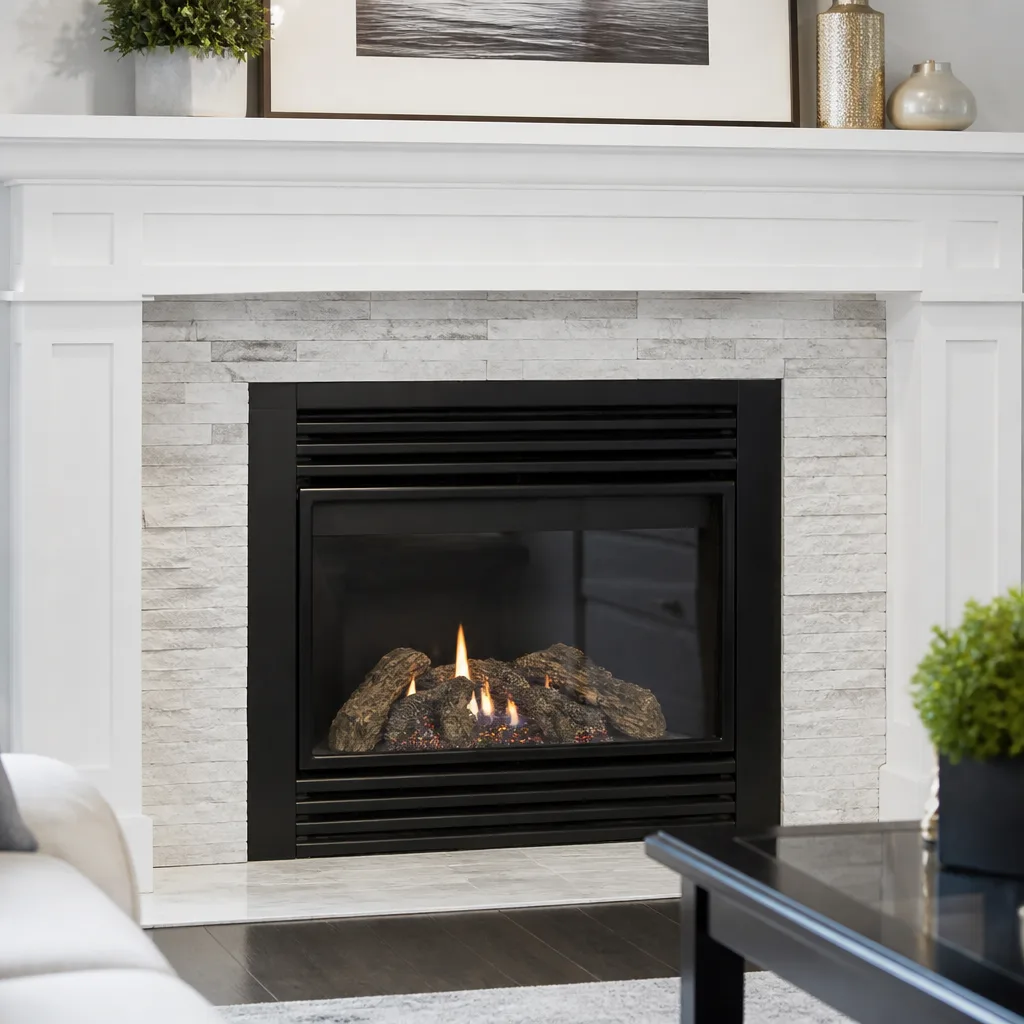
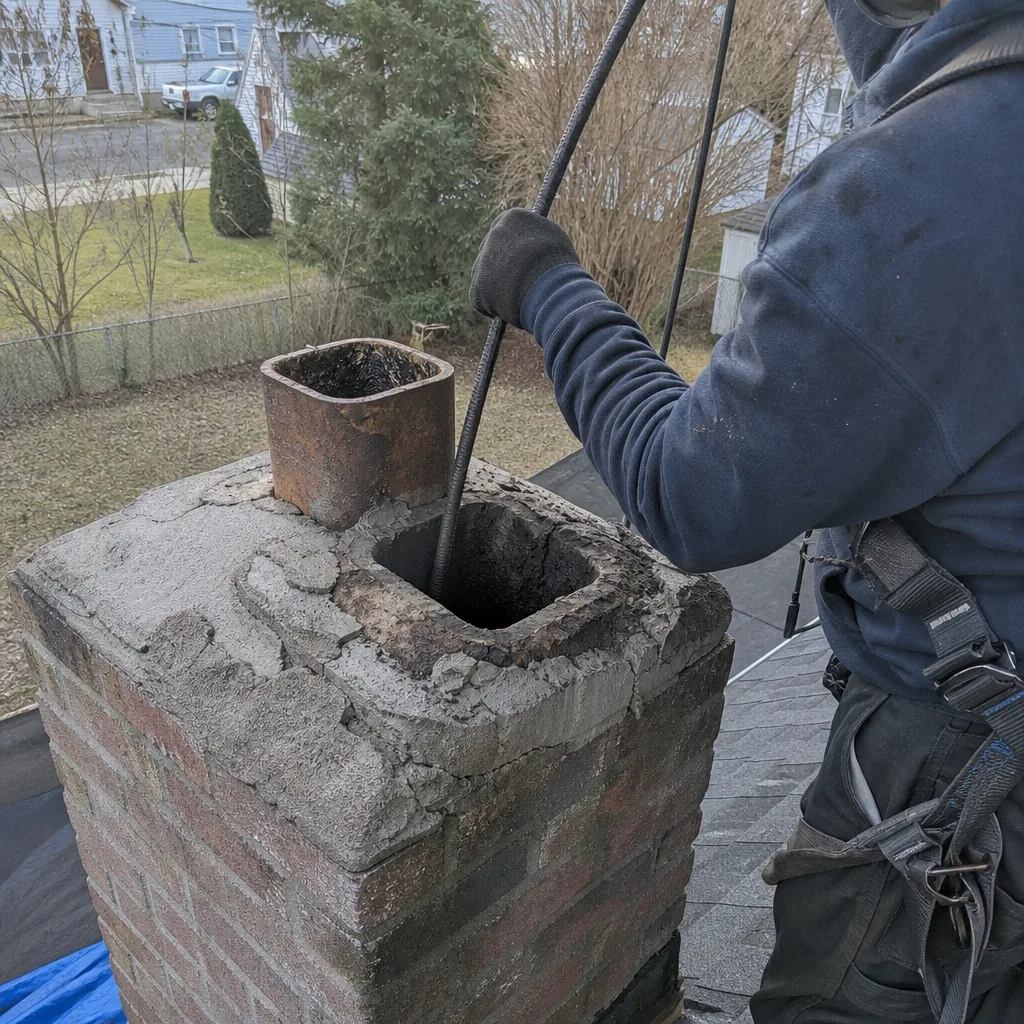 Before
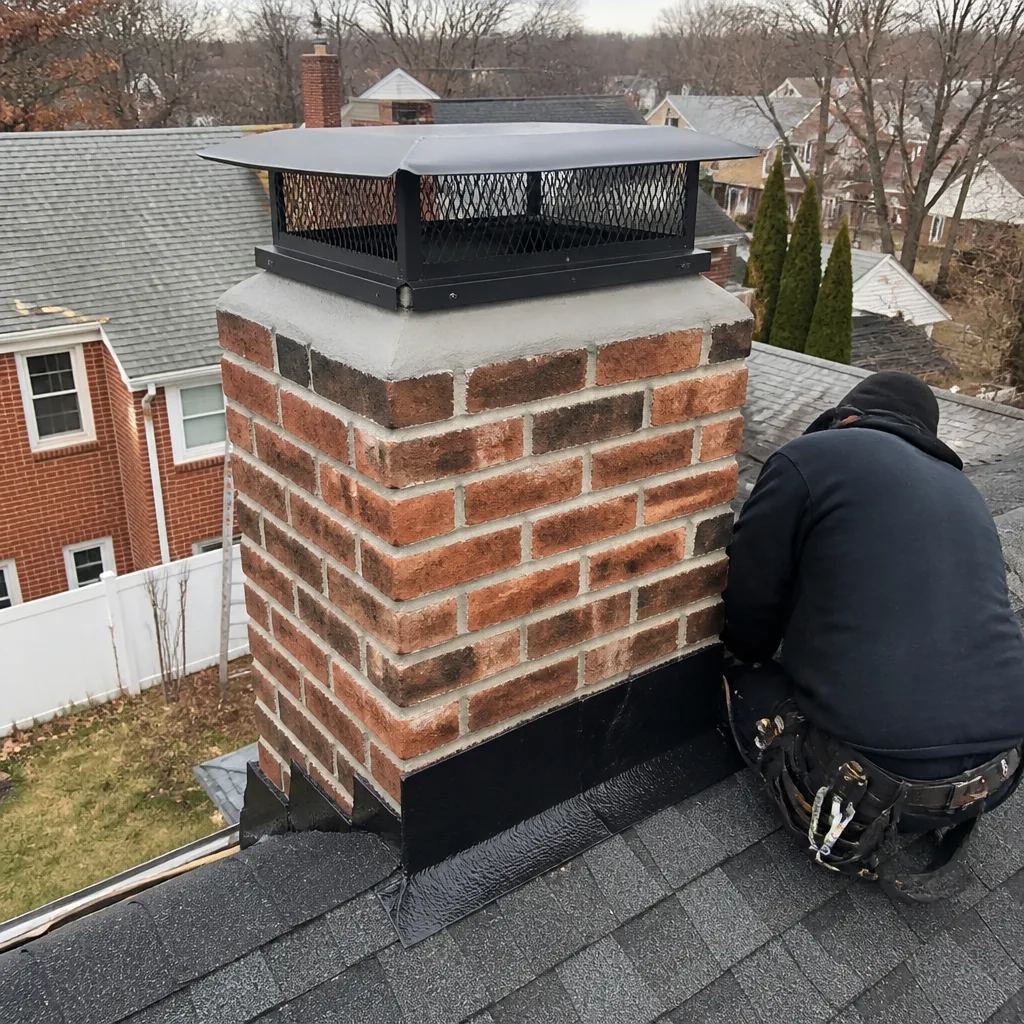 After
After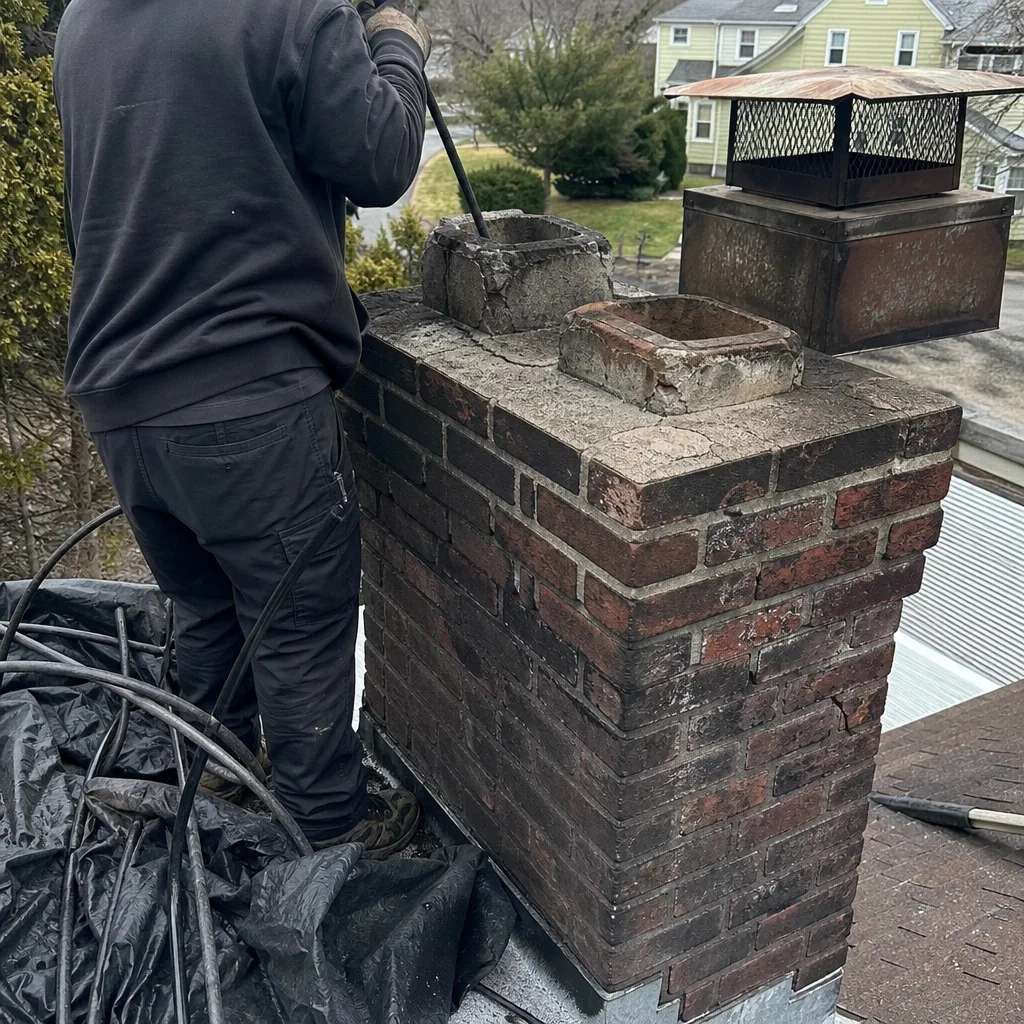 Before
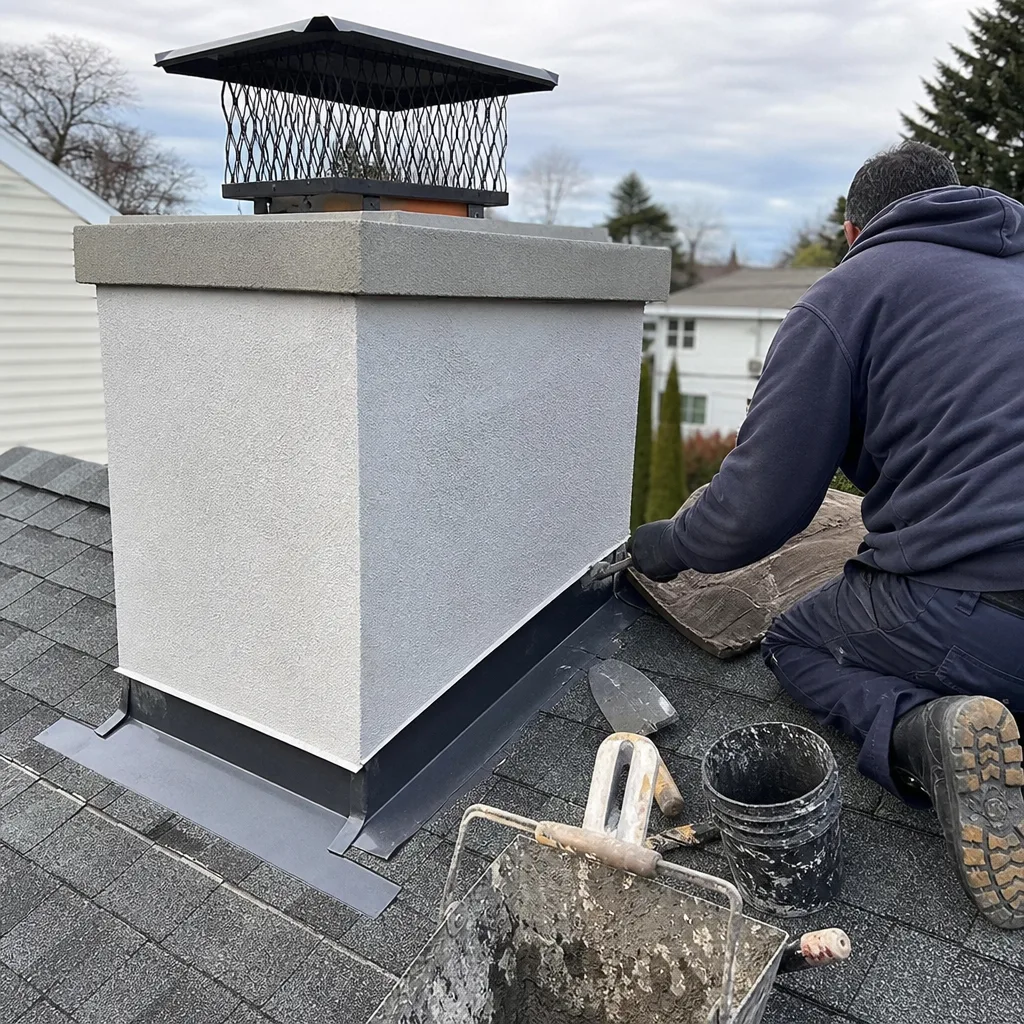 After
After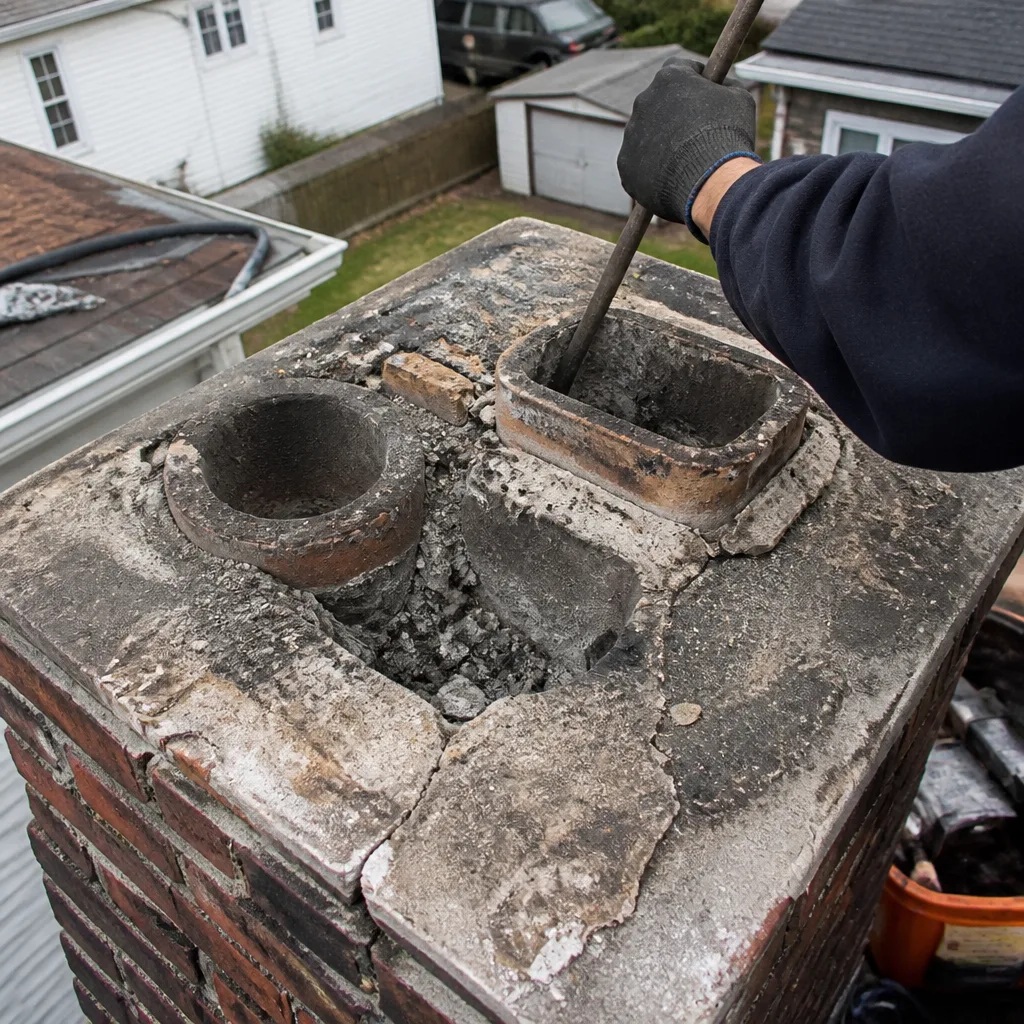 Before
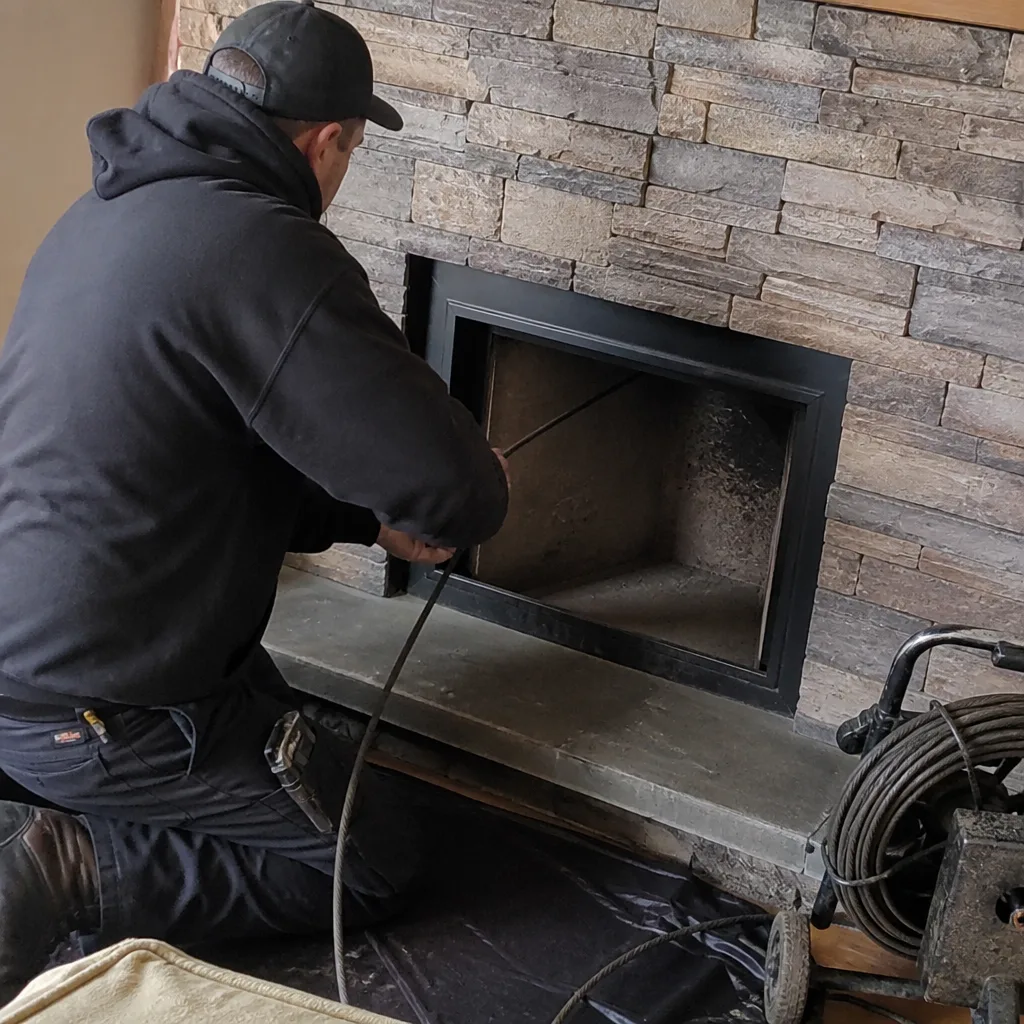 After
AfterHeatShield Chimney Repair in Newark: What to Know First
HeatShield chimney repair in Newark typically costs between $1,400 and $4,800 depending on whether we’re restoring a Cerfractory flue liner joint, addressing failed HeatShield mortar in the smoke chamber, or rebuilding a crown that’s let water behind the system. Most repair jobs take one full day on site, plus 24 to 48 hours for materials to cure before the flue is safe to fire. We’re an independent HeatShield service provider, not a manufacturer affiliate, which means we diagnose what’s actually failed, quote a written price before anyone touches a trowel, and warranty the work for a full year under the 365-Day Done Right Promise.
This page is for Newark homeowners who already have HeatShield Cerfractory in their flue or smoke chamber and need to know why it’s failing, what repair looks like, and what it should cost. If you’re seeing flue tile fragments in the firebox, water stains on the ceiling near the chimney chase, or your sweep flagged deterioration on camera, call (862) 245-4309 and we’ll schedule a camera-scan inspection, NFPA 211 Level 2, with a written findings report and a written price before we recommend anything.
How HeatShield Products Fail - and How We Fix Them
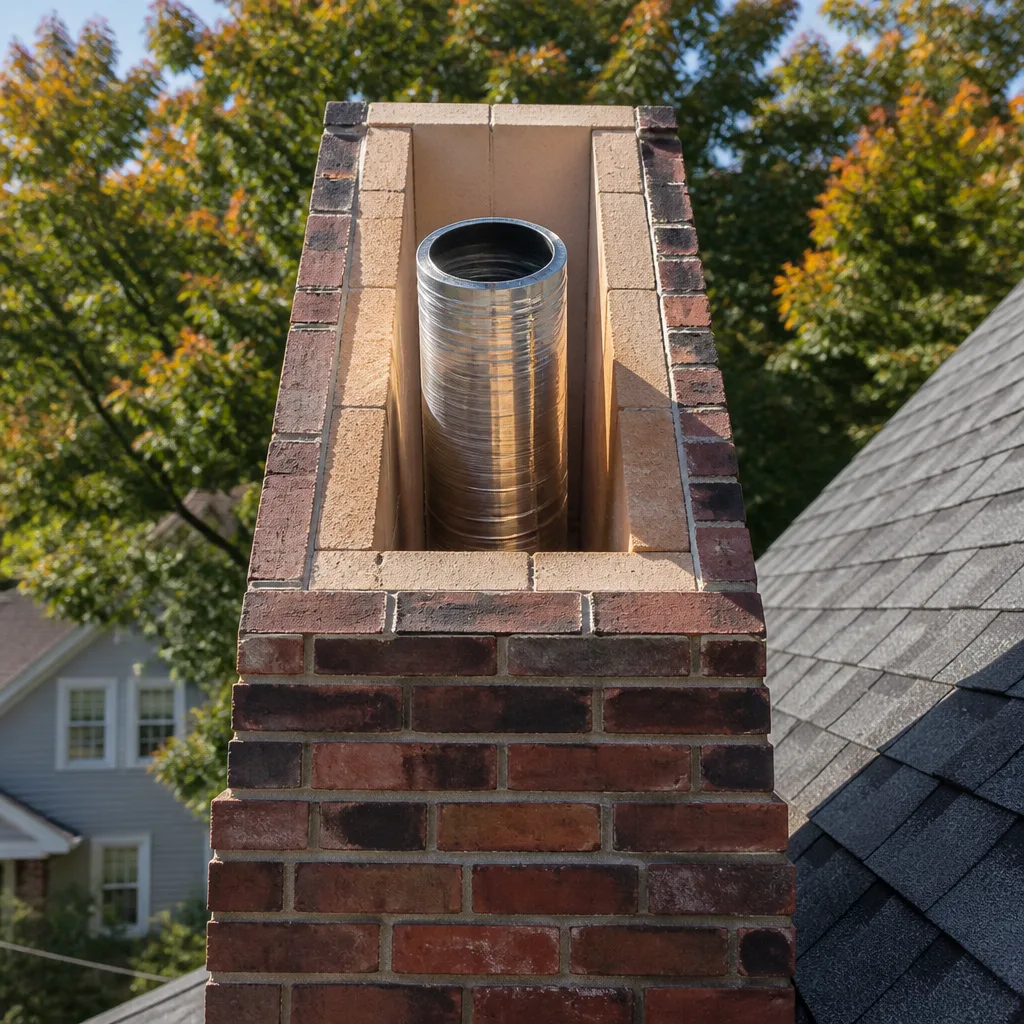
- Cerfractory flue liner joint separation at the clay tile transition. HeatShield’s Cerfractory material bonds to the existing clay liner, but in older Newark homes near Branch Brook Park, the original clay tiles shift slightly with freeze-thaw cycles. The HeatShield coating cracks along those old tile joints. We cut out the failed section, prep the surface, and reapply the Cerfractory compound so the seal is continuous. This is the most common HeatShield repair we perform in Newark, and it’s the one most often missed by a visual-only inspection.
- Smoke chamber parging delamination. HeatShield’s smoke chamber material is applied over original parge coat, and if the original parge was soft or sandy, the HeatShield layer loses bond and flakes off in sheets. We remove the delaminated material down to sound substrate, then rebuild the smoke chamber walls. A delaminated smoke chamber lets flue gas swirl and cool, which increases creosote deposition in the first year after install.
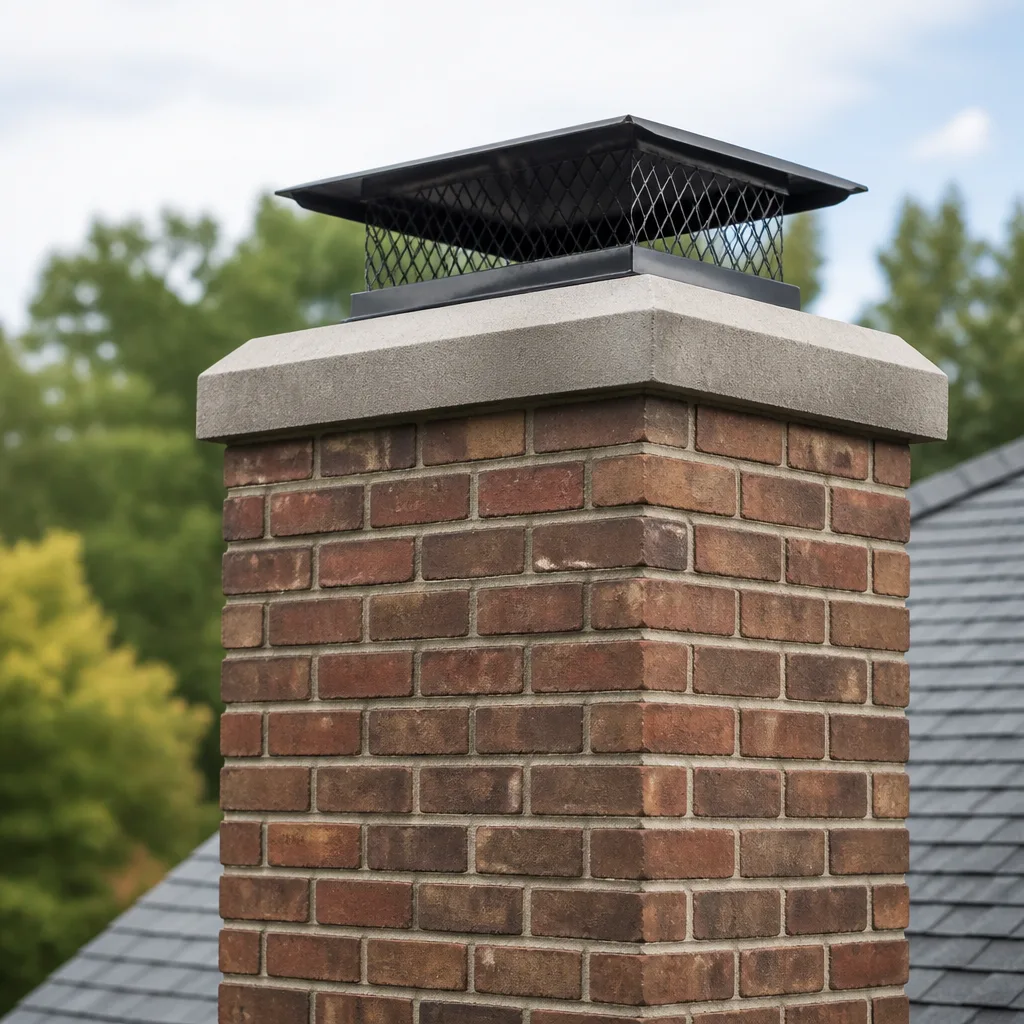
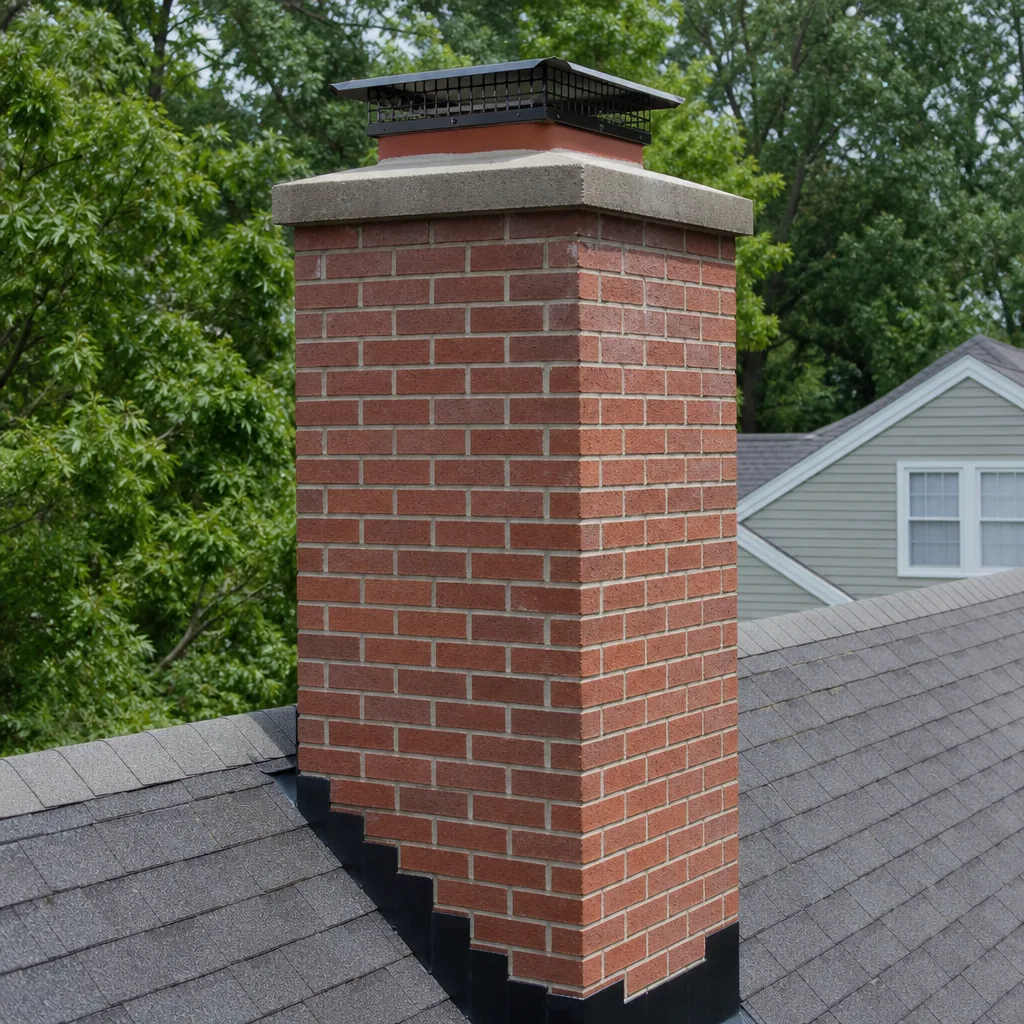
- Water intrusion at the crown-to-flue intersection on HeatShield-lined flues. HeatShield’s system assumes the crown is intact. In Newark, crown spalling from ice and road-salt air runs water straight down the outside of the liner. The HeatShield itself may be fine, but the leak looks like a liner failure. We repair or pour a new crown with a proper drip edge before touching any HeatShield material, because patching the liner while water still enters means you pay for the same repair twice.
- Improperly sized Cerfractory installation from the original contractor. We’ve seen HeatShield Cerfractory applied too thin in flues serving oversized fireplaces, and the material fails within two to three seasons, usually at the smoke shelf. The fix involves removing the under-applied layer, verifying the underlying flue dimensions with camera measurements, and reapplying to the manufacturer’s specified thickness. The camera measurement goes on your written report, and your report goes in the permanent record you keep.
- Flue gas condensation damage on gas-appliance flues. HeatShield’s material is rated for gas flues, but high-efficiency gas appliances produce acidic condensate. If the original HeatShield install didn’t account for the appliance’s condensation point, the material can etch and soften near the connector pipe. We repair the affected section and check the appliance’s draft and venting configuration so the new material isn’t exposed to the same condensate load.
Our HeatShield Chimney Repair Process
- 1
Call and schedule. You call (862) 245-4309, a live person answers, and we book a Level 2 camera inspection. You get a text when the technician is on the way, with the tech’s name and license number.
- 2
Camera scan and measurement. The tech runs a camera down the flue and photographs every section, measuring the damaged HeatShield area and checking the crown, flashing, smoke chamber, and firebox. The camera doesn’t negotiate - it just shows what’s there. You see the photos before anyone proposes a fix.
- 3
Written diagnosis and price. We write up the findings: exactly what failed, why it failed, and what the repair costs. That written price is yours before any work is approved. No verbal numbers, no pressure close.
- 4
Parts decision. For HeatShield-specific work we use HeatShield’s Cerfractory compound where the repair is warranty-critical. For crown, flashing, and structural repairs, we source from DuraFlex, Gelco, and our other supplier lines through Haven’s buying network to keep materials costs honest.
- 5
Repair and documentation. Our crew completes the repair, photographs the finished work, and runs a final camera pass to confirm the flue is clear and the HeatShield surface is continuous. You get a documented photo record of before, during, and after.
- 6
Written warranty and follow-up. Every HeatShield repair is backed by our 365-Day Done Right Promise: if it’s not done right, we make it right, no fine print. Your written warranty states the scope, the materials, and the coverage dates.
BeforeAfterWhat HeatShield Chimney Repair Costs in Newark
Here’s what HeatShield work costs in Newark, in straight dollars. Joint-level Cerfractory repair runs $1,400 to $2,200 per section. Full flue relining with HeatShield Cerfractory runs $3,800 to $5,800 depending on flue height and access. Smoke chamber parging with HeatShield material runs $1,800 to $3,400. Crown repair or replacement, which is often the actual fix on HeatShield systems showing water damage, runs $900 to $2,600.
What moves the price: whether we’re repairing a section or relining the full flue, access difficulty (roof pitch, chase height, scaffolding requirements in tight Newark side yards), and whether the underlying structure needs tuckpointing or spalling repair before HeatShield material can bond properly. Every quote is written, with a written scope and a written warranty, before work starts. We don’t do verbal estimates. Call (862) 245-4309 for a free estimate and we’ll put the number on paper.
Why Newark Homeowners Call Level Two Chimney Newark for HeatShield Work
Because when the camera shows a failed HeatShield section, we tell you in the same sentence what it costs to fix. Corrine Halstead, our owner, writes down the inspection findings before she quotes a number: camera image, measurement, and price on the same page. That’s how we’ve run every job since 2009, and it’s why our HeatShield repair call-backs run close to zero.
We know HeatShield’s failure modes because we’ve documented them across 38,000 inspections. We also service DuraFlex and Gelco systems, so when a HeatShield repair isn’t the right call - and sometimes the honest answer is that the liner never should have been installed over that substrate - we’ll tell you and quote the alternative. Every job comes with a written price before work starts, a documented photo record when it’s done, and a full year under the Done Right Promise. If you have a competitor’s written estimate, bring it in and we’ll give you a free second opinion. That’s just how we work.
FAQs
No, because Level Two Chimney Newark is an independent HeatShield service provider, not a manufacturer-authorized installer. HeatShield’s material warranty covers manufacturing defects in the Cerfractory compound, not failures from improper application, water intrusion, or structural movement. When we repair a HeatShield system, we document the cause of failure with camera photos so you know exactly what the warranty does and doesn’t cover. Call (862) 245-4309 and we’ll walk through your specific system’s warranty status.
Three things show up on HeatShield systems before the flue becomes unsafe: flue tile fragments or grey Cerfractory crumbs in the firebox, water stains appearing at the ceiling near the chase, or your sweep’s camera report noting cracked or delaminated coating at the clay tile joints. If you don’t have a camera report, we’ll get you one in about an hour on-site, with still photos and measurements.
Most of the time we can repair the failed section. If the HeatShield material is sound above and below the damage, we cut out the bad section, prep the joint, and reapply the Cerfractory compound. A full reline is only necessary when the material has failed across more than half the flue’s length, or when the underlying clay liner is also cracked or shifted. The camera determines the answer, not a sales script.
That depends on what the camera shows, and you’ll see the photos yourself before we quote anything. The camera doesn’t negotiate - it just shows what’s there. Our rule is this: we recommend a full reline only when patching would leave a structurally unsound flue. If a patch gets you another ten years, we’ll tell you that and price the patch.
We typically schedule Level 2 camera inspections within three to five business days, and repairs are usually completed within one to two weeks of your inspection, depending on materials availability and weather. If your system presents an active fire or carbon monoxide risk, we’ll tell you straight and work to get the repair scheduled immediately. Calls are answered live at (862) 245-4309 around the clock, not by a web form.
Written by Corrine Halstead, Owner, Level Two Chimney Newark at Level Two Chimney Newark, serving Newark and nearby areas.