
Level 1 sweep and inspection to the NFPA 211 annual standard - flue, crown, cap, and flashing checked and photographed
Chimney sweep logs do not sweep chimneys. They loosen some creosote - which then falls where a brush and vacuum still have to collect it.
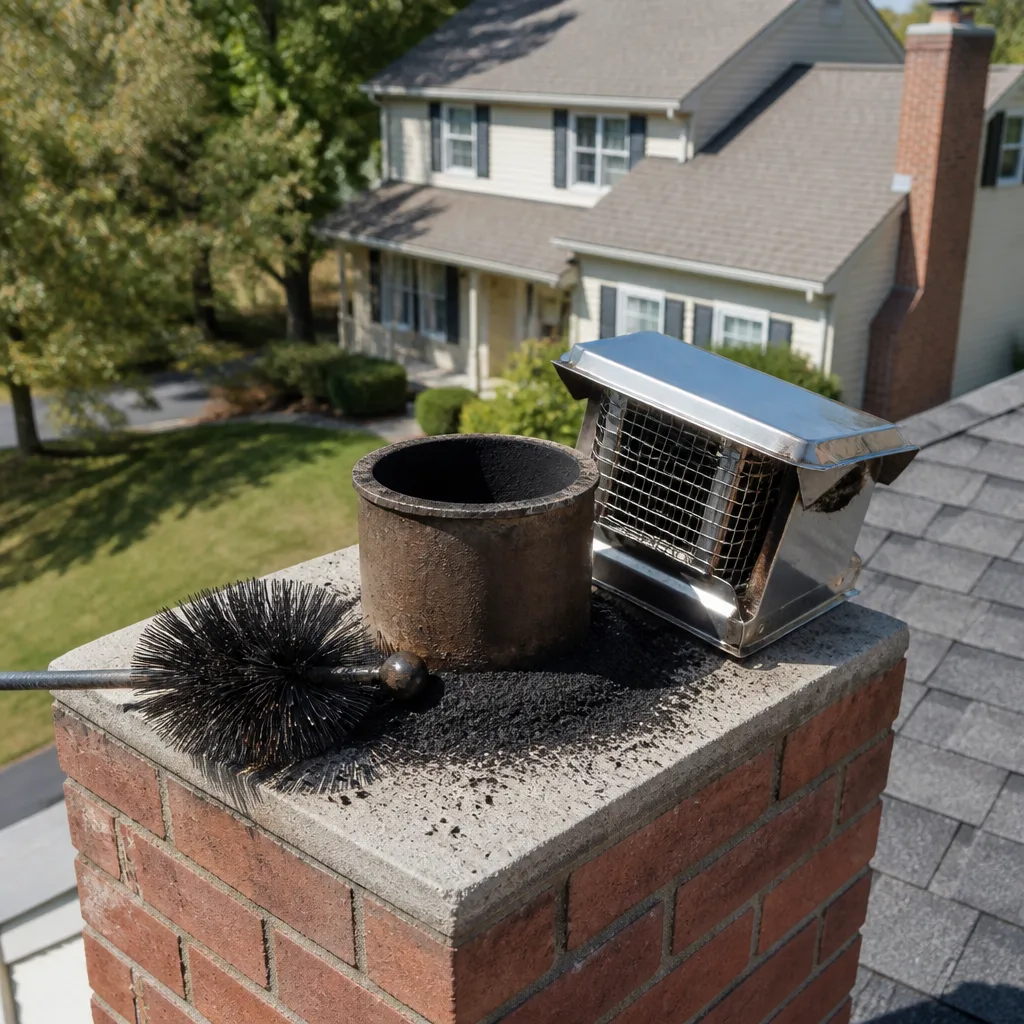
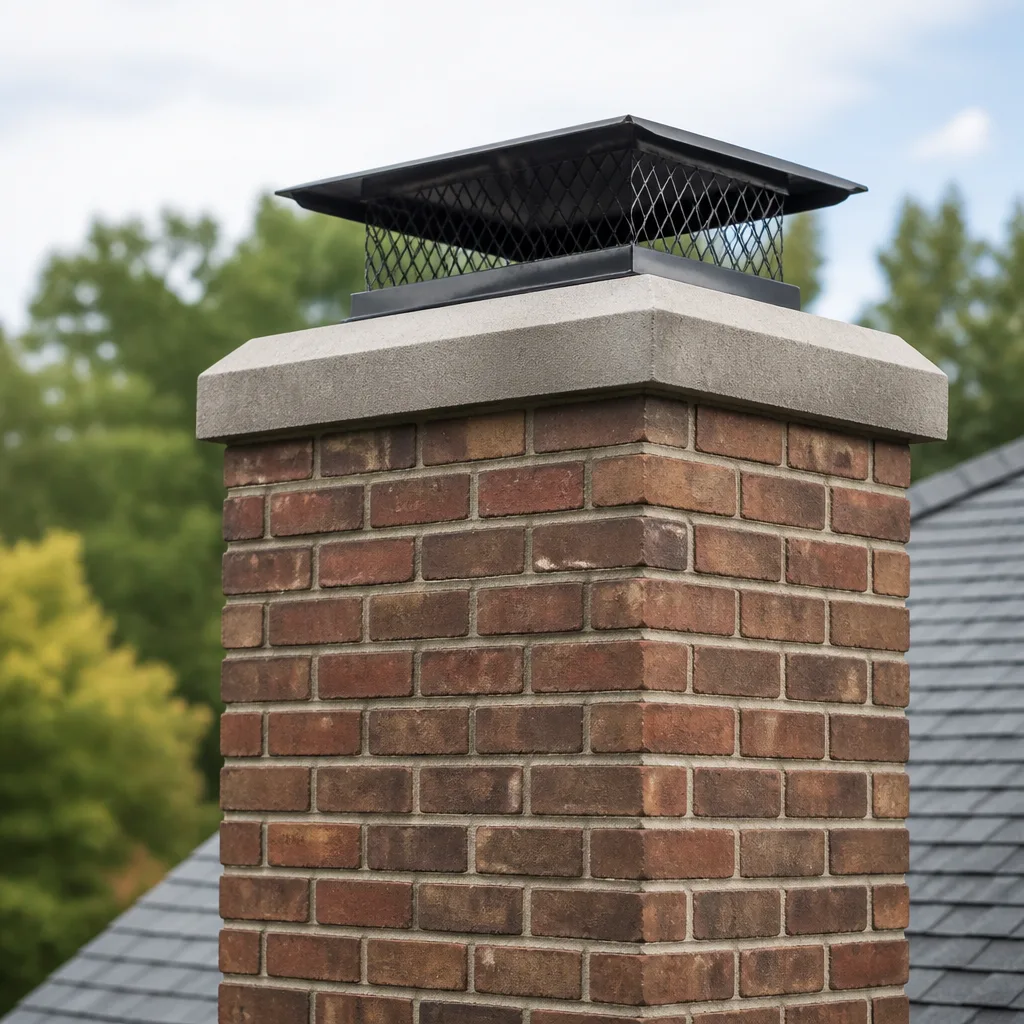
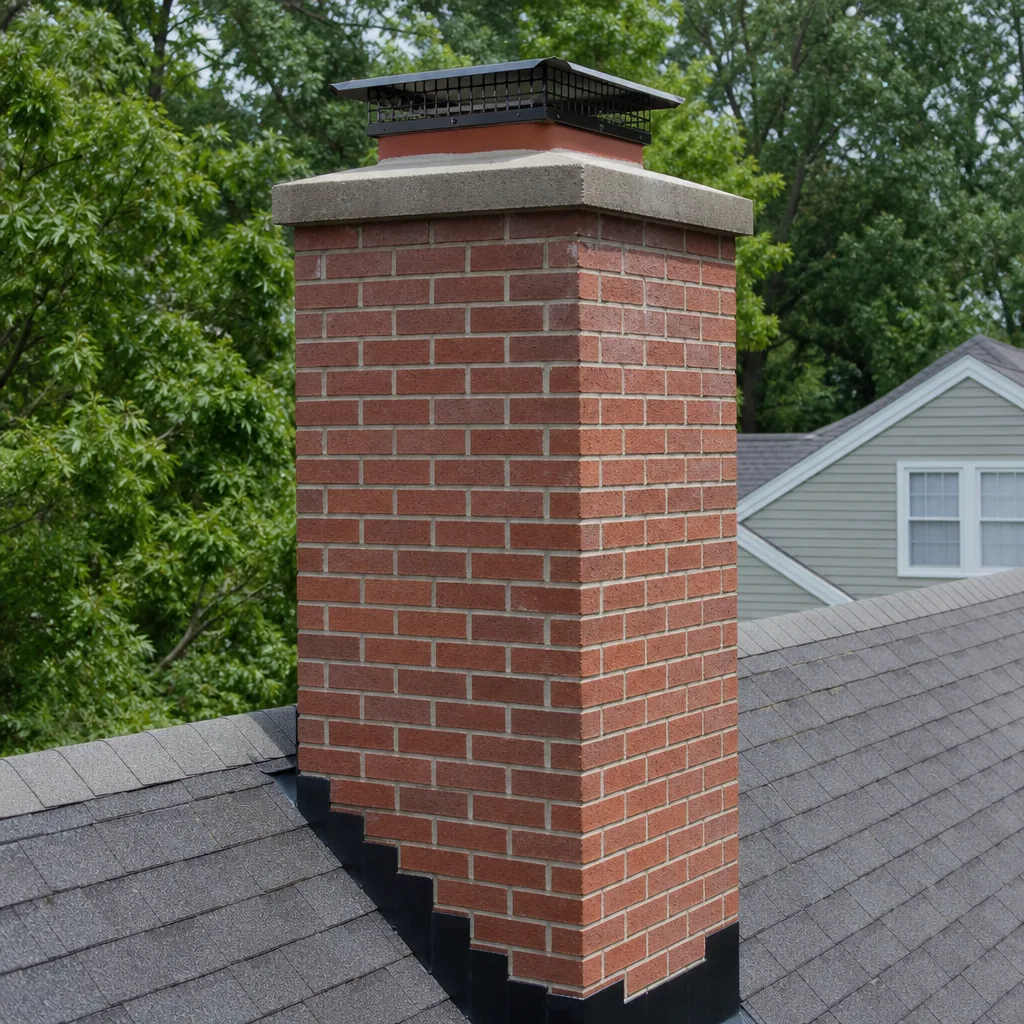
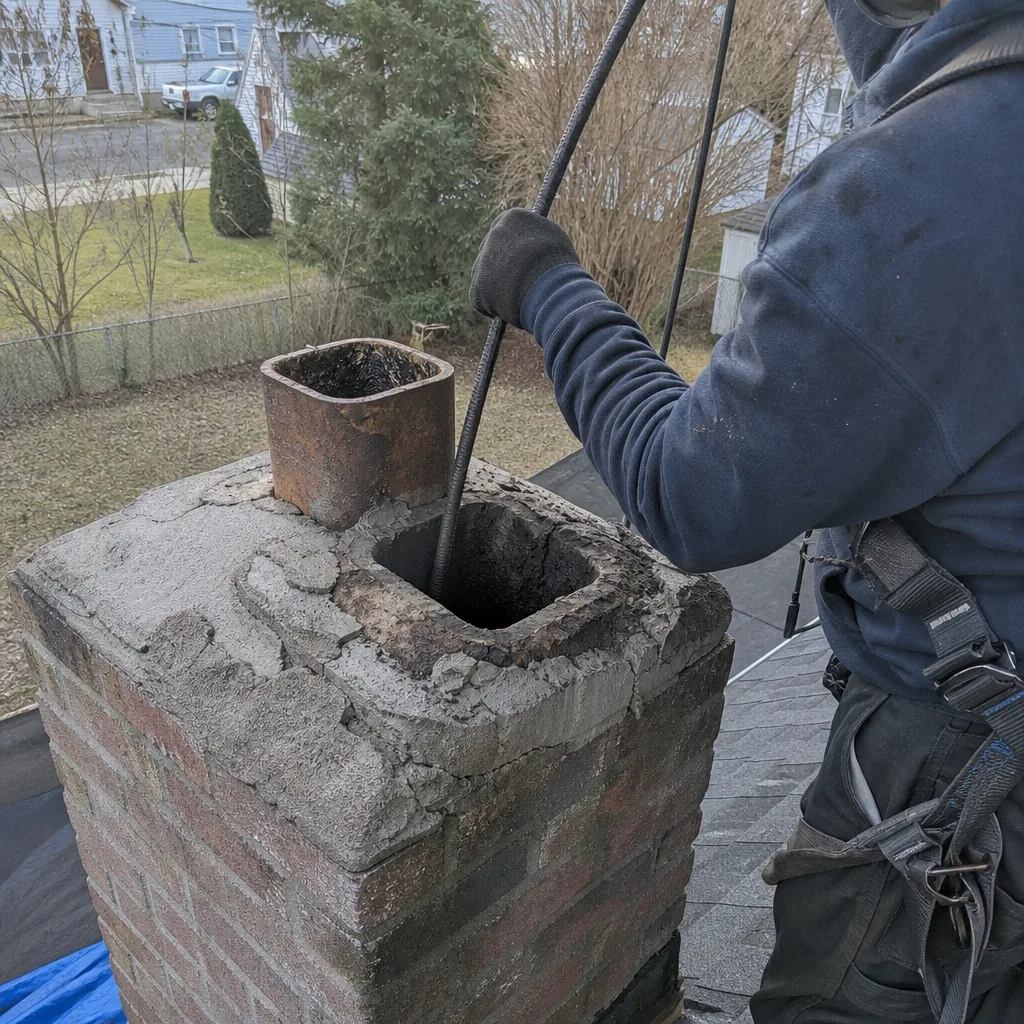 Before
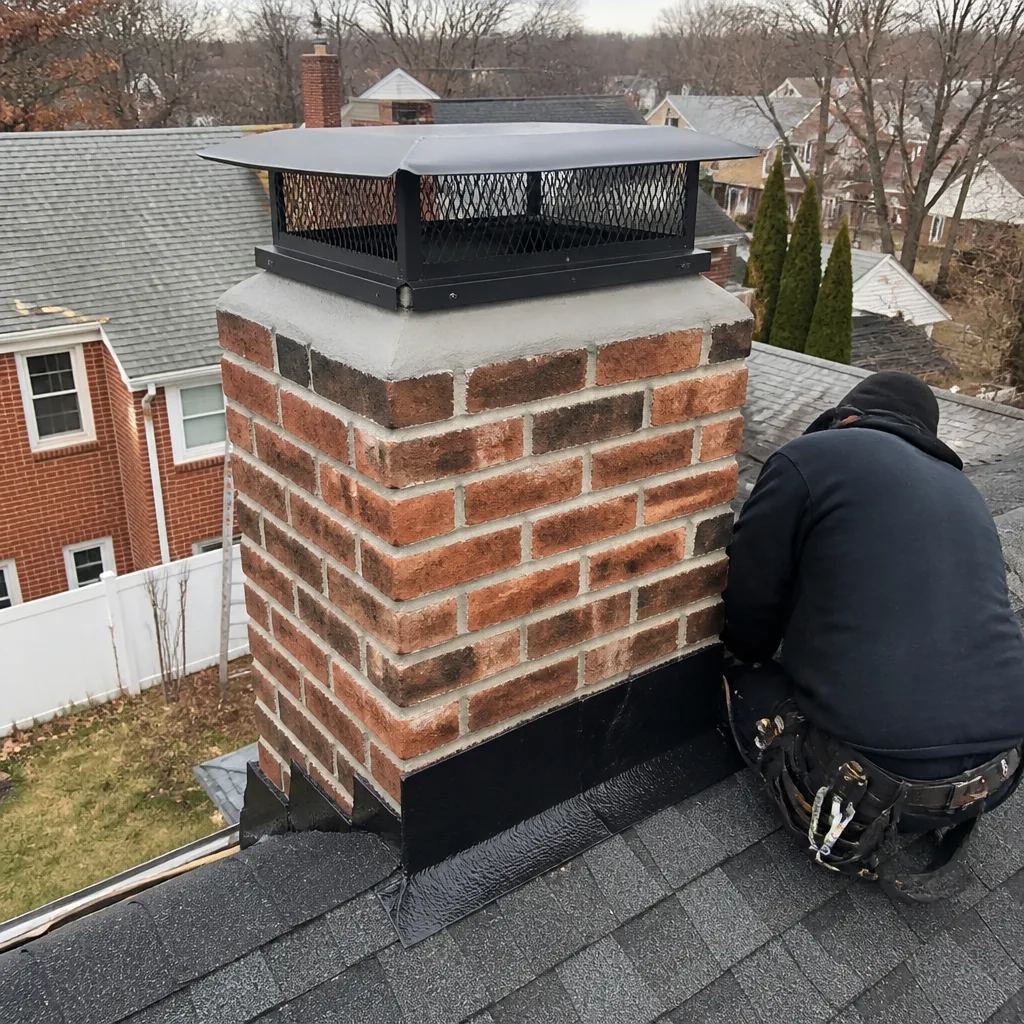 After
After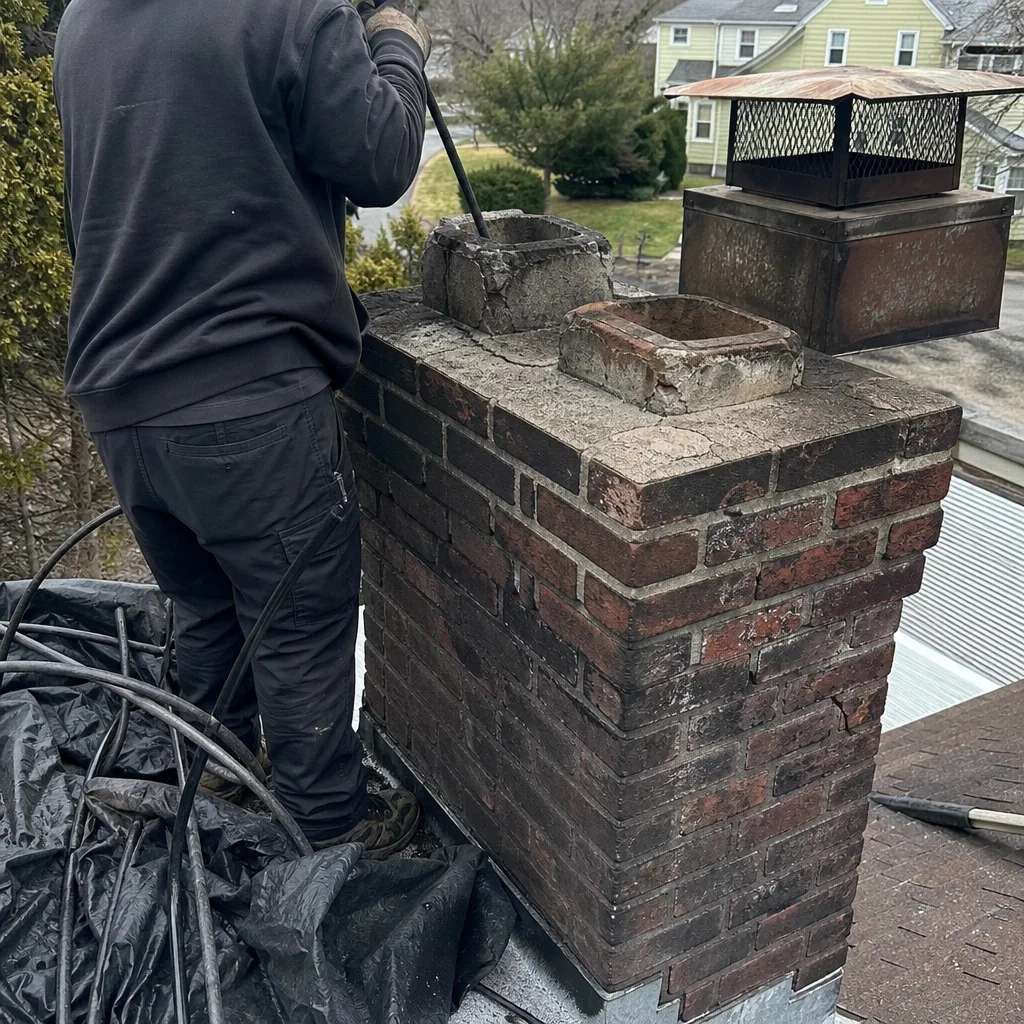 Before
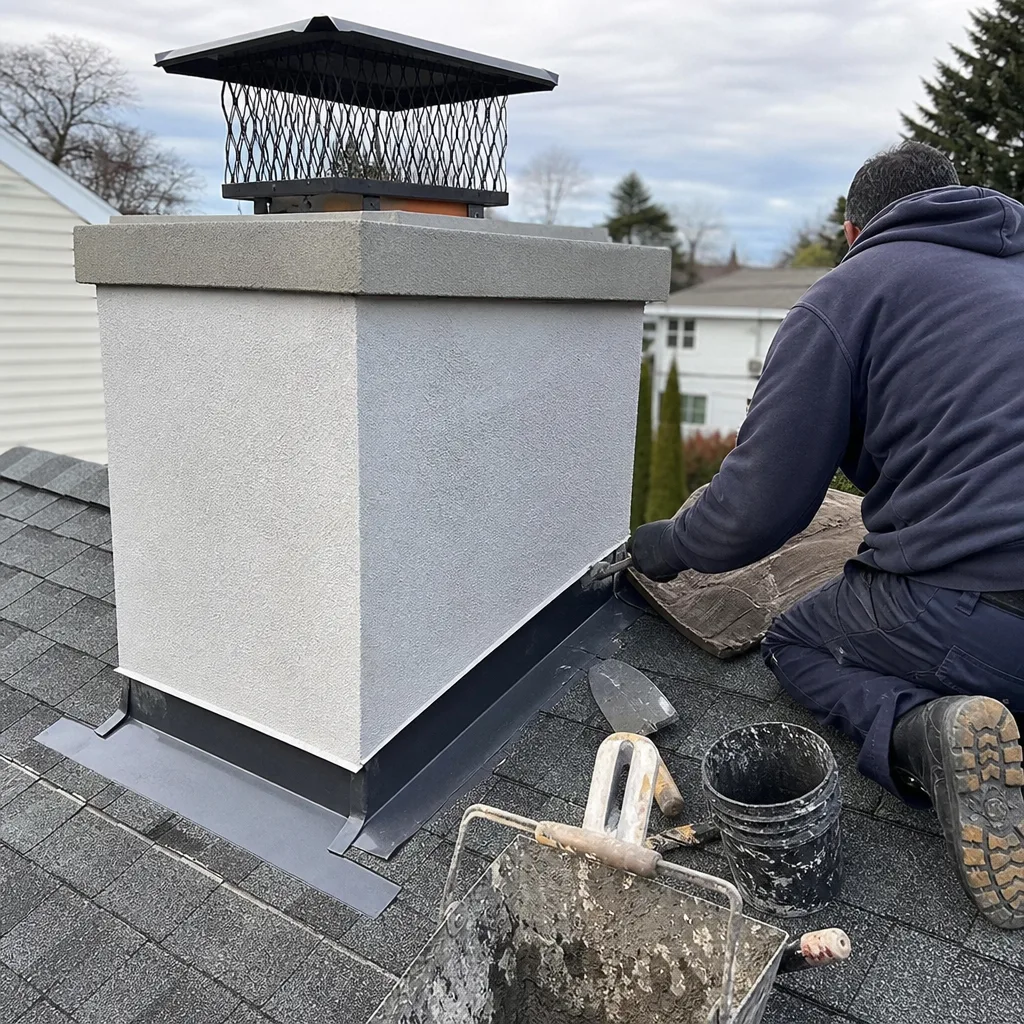 After
After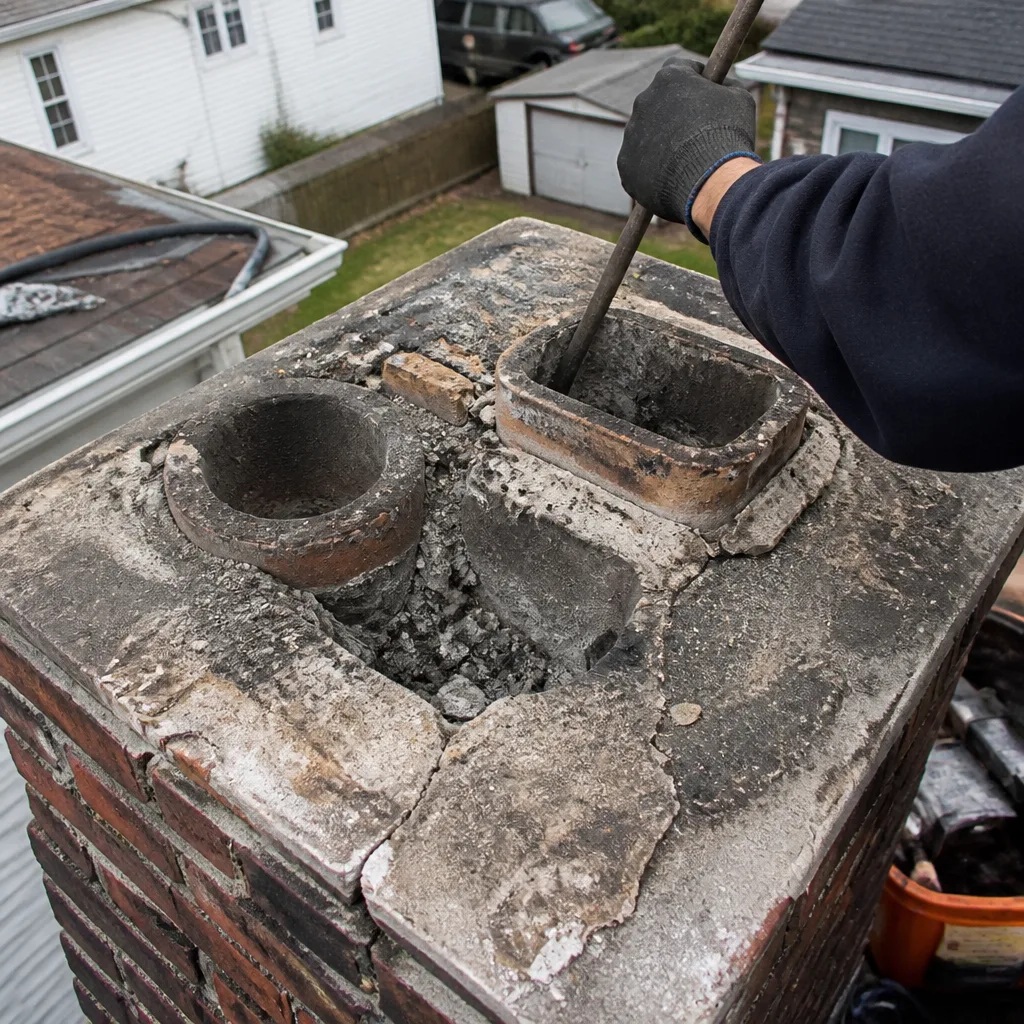 Before
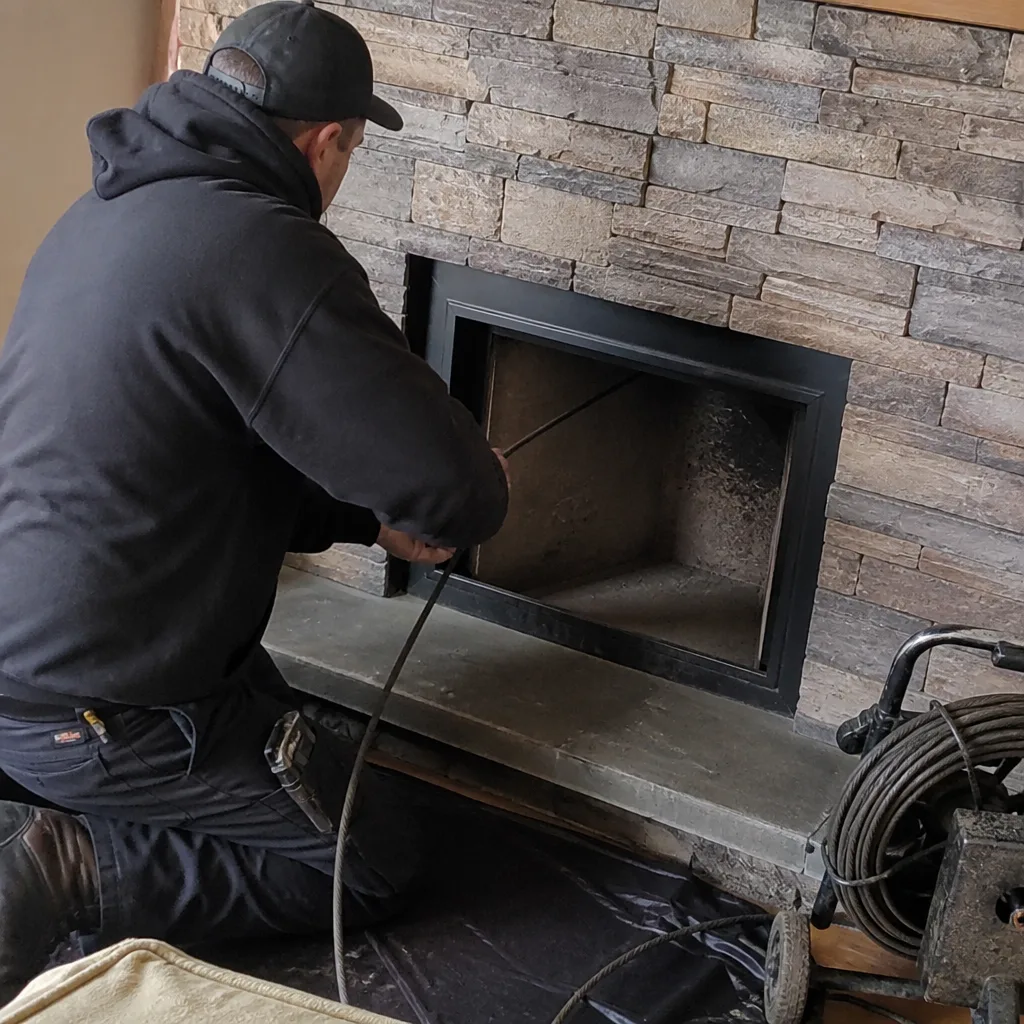 After
AfterOlympia Chimney Flue Liner Replacement: The Newark Owner’s Guide
We stock and install Olympia Chimney-compatible stainless steel flue liner replacement systems in Newark, with typical installed prices ranging from $2,400 to $4,800 depending on flue length, diameter, and whether your existing setup needs a full tear-out or can be relined. Most Olympia liner replacements in the Newark area are booked within 3 to 5 business days because we keep common sizes on the truck. The way Newark homeowners usually discover the problem is not dramatic: a visual inspection during a sweep turns up a cracked clay tile or a corroded stainless section, or the heating appliance starts drafting poorly and the camera confirms why.
What we see most often in Newark homes is a liner that failed because it was never matched to the appliance’s output in the first place. A liner that is too large for a modern high-efficiency furnace cools the flue gases too quickly, condenses, and corrodes from the inside out. The original install looked fine on paper. The camera tells a different story, usually within the first two seasons.
Which Olympia Chimney Models This Applies To
Olympia Chimney’s flue liner replacement kits cover two primary product families: the Ventis rigid stainless liner system and the Flexi-Liner corrugated flex line. The Ventis line runs in 6-inch, 7-inch, and 8-inch diameters with a 0.012-inch wall thickness, while the Flexi-Liner typically comes in 4-inch to 8-inch diameters with a 316L stainless alloy for wood-burning and a 304 alloy for gas. The gotcha we see on service calls is homeowners ordering a flex liner when they actually have a Ventis rigid system already in place, or vice versa. The two are not interchangeable without a full teardown.
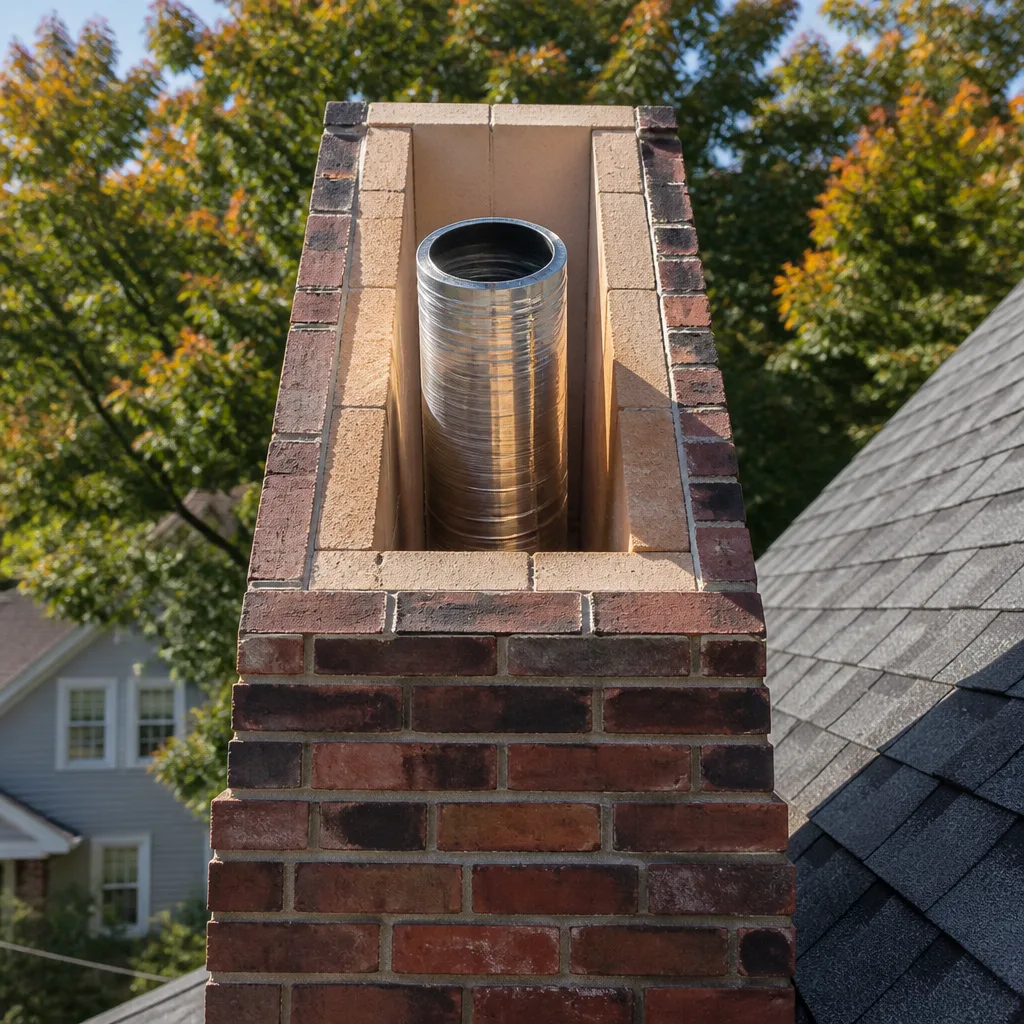
To identify what you have, look at the exposed section of liner above the chimney cap or at the appliance connection. Ventis sections are smooth, rigid, and joined with locking bands. Flexi-Liner is corrugated and continuous. If you are not sure, we measure the inside diameter with a caliper during the initial inspection and match it against the appliance’s BTU output before quoting anything. For Olympia Chimney specifically, we recommend OEM or equal-grade 316L over cheaper 304 stainless in Newark because our winters and the moisture they bring punish lower alloys. The cost difference is usually under $200 on the liner itself, and it buys a decade or more of service life.
Signs Your Olympia Chimney Flue Liner Replacement Is Failing
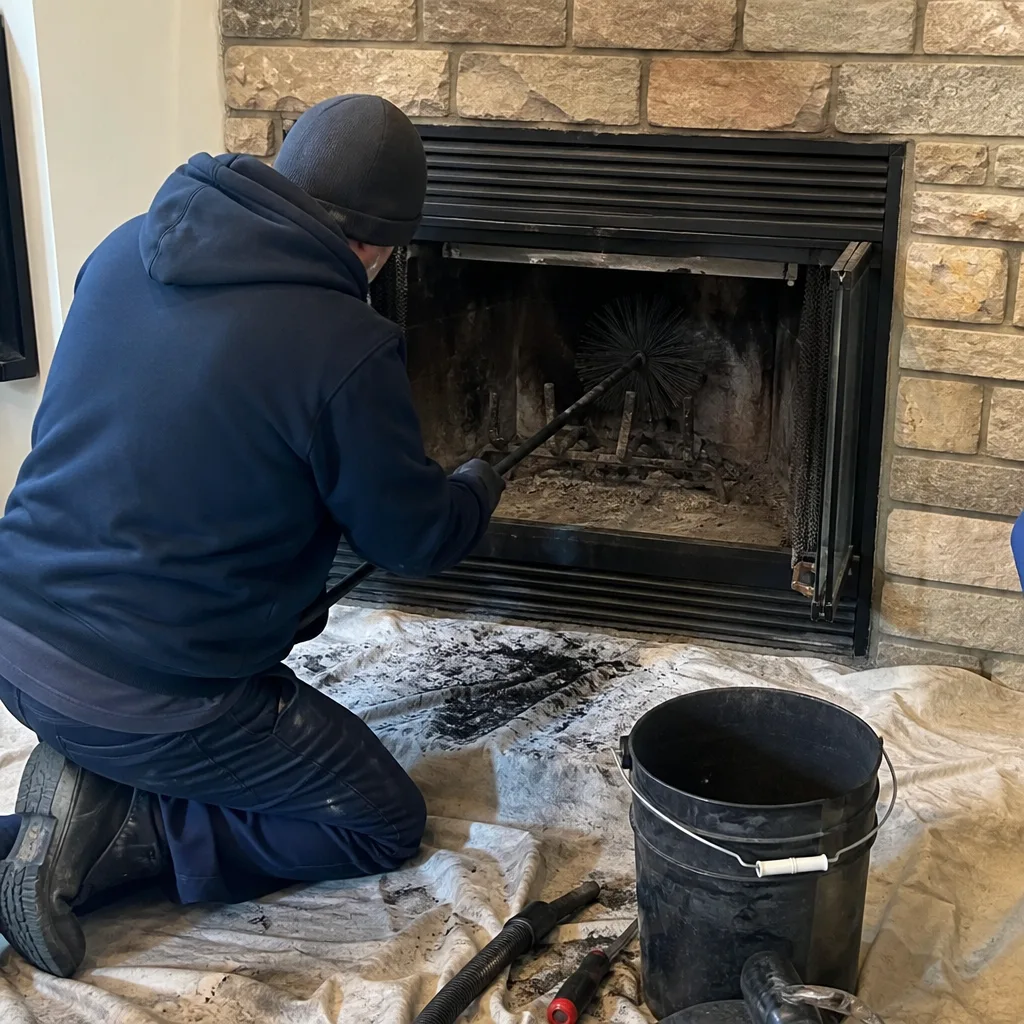
- Flue gas smell in the house when the appliance runs. This is the earliest and most reliable sign. A compromised liner lets combustion gases migrate into the chase or wall cavity instead of venting outside. In Newark row houses near Branch Brook Park, where chimneys share party walls, we treat this as an urgent call because the gas doesn’t always stay in your unit.
- Visible rust stains or streaking on the exterior chimney or interior walls near the flue. Condensation from a failing liner carries corrosive flue gas components that weep through masonry and show up as brown or orange stains.
- Pieces of clay tile or metal flaking found in the firebox or cleanout. This is spalling in clay liners or corrosion shedding in stainless. Either way, the liner is already structurally compromised.
- The appliance starts tripping its rollout switch or the carbon monoxide detector near the utility room activates. That’s a venting problem, not a detector problem. Do not reset and ignore it.
- Visible gaps, cracks, or separation at the liner joints seen during a camera scan. By the time a liner reaches this stage, it is not repairable in any meaningful sense. The fix is replacement.
BeforeAfterReplacement Cost & What’s Included
Installed Olympia Chimney-compatible flue liner replacement in Newark runs $2,400 to $4,800 in our most recent job data. The spread is driven by three things: the total flue length from appliance to cap (most Newark homes fall in the 15 to 35 foot range), whether we’re relining an existing chase or doing a full tear-out of the old liner and crown, and the diameter required for your specific appliance. A typical 25-foot, 6-inch 316L flex reline with new top plate, cap, and rain collar lands around $3,200 to $3,800 parts and labor.
The written price you get from us includes the liner sections, connection hardware, top plate, rain collar, cap, removal of the failed liner where required, installation, a full camera scan after the work is done, and a documented photo record of the completed liner from top to bottom. That photo record is not an add-on. Clause 4 of the Haven Standard has required it on every job since 2009. Your warranty comes in writing, and Corrine Halstead personally reviews the camera footage before any liner job is signed off.
DIY or Call Us?
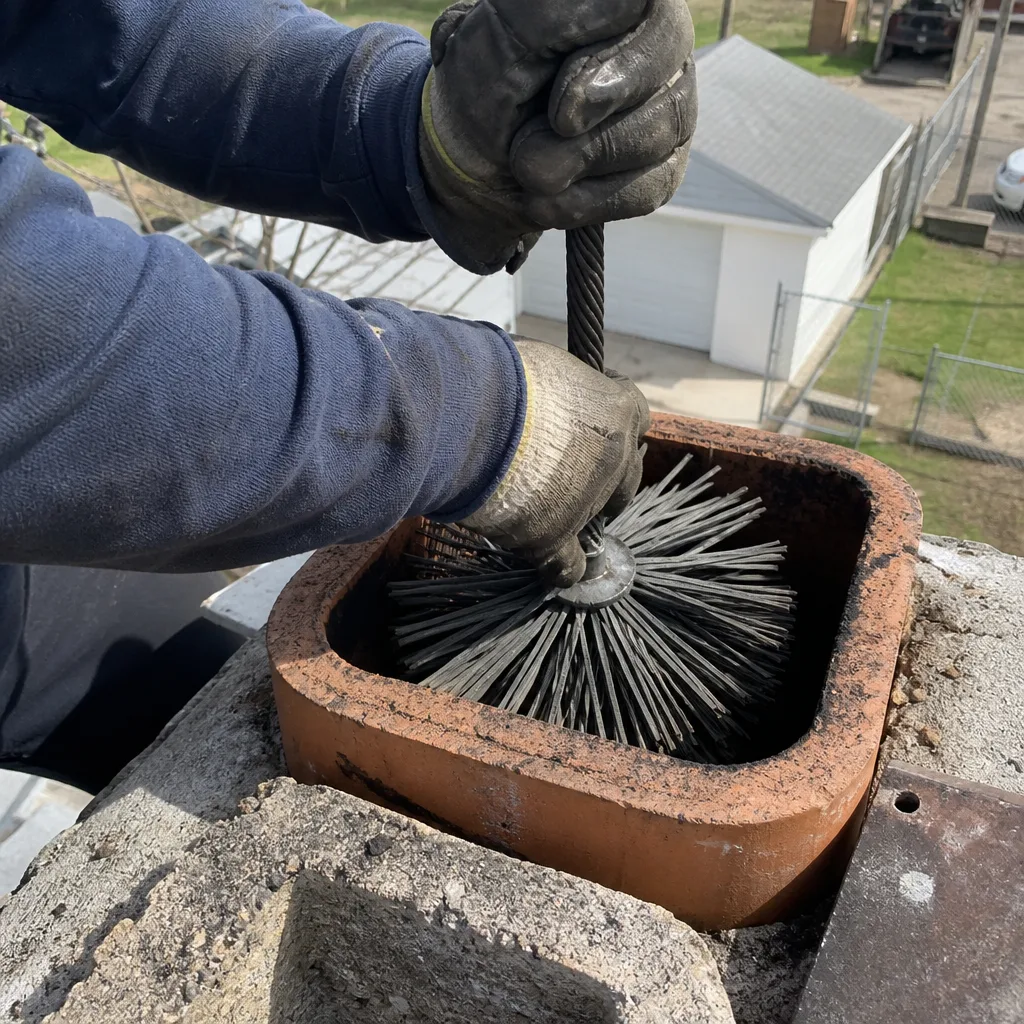
A flue liner replacement is not a DIY project. Full stop. The work happens inside a confined chase, often 20 to 35 feet off the ground in Newark, and involves connecting sections under tension against a masonry wall. A dropped section can crack the existing flue tiles behind it or injure someone below. The safety hazard is real. What you can do safely is look for the external signs: rust stains, water in the firebox, flue gas smell, or visible liner damage from the roof line if you have a safe vantage point and a proper harness. Beyond that, this is a call-us job.
When we install a liner, we do it as a two-person crew with a safety plan, a camera feed to verify placement, and a written scope that includes the exact length, diameter, and alloy going in. If you’re in Newark and you suspect a liner problem, call (862) 245-4309 and tell us what you’re seeing. We’ll schedule a camera-scan inspection, and you’ll walk away with footage, measurements, and a written price. No verbal-only quotes, ever.
FAQs
A properly sized 316L stainless liner in a Newark chimney typically lasts 15 to 25 years depending on fuel type, firing frequency, and whether the chimney has a proper cap to keep water out. Gas-only appliances with 304 liners tend to corrode faster, often within 10 to 15 years. If your liner was installed before 2010, it’s worth having the camera down it regardless of how it looks from the outside. Call (862) 245-4309 to schedule an inspection and get a written condition report.
In most cases, no. Patching a stainless liner is a temporary fix that fails because the corrosion around the patch is always more extensive than what’s visible. The exception is isolated damage at a connection joint, which can sometimes be cut out and re-coupled if the surrounding material has enough remaining thickness. We’ll tell you plainly which situation you have after the camera scan. If replacement is the honest answer, we’ll show you why on the footage. You can always bring us a competitor’s written quote for a free second opinion.
Most Olympia Chimney liner replacements in Newark are completed in 4 to 6 hours of on-site work including teardown, install, and verification camera scan. If the old liner needs to be broken out in pieces or the crown requires rebuilding, expect a second visit. We schedule conservatively: one day of work, and we’ll tell you upfront before anyone starts.
We keep common Olympia Chimney-compatible sizes on the truck: 6-inch and 7-inch 316L flex in 25-foot and 35-foot lengths, plus Ventis rigid sections, top plates, caps, and rain collars. We also stock equivalents from DuraFlex, HeatShield, and Gelco for situations where cross-matching makes more sense. If your setup needs a non-standard diameter, we can have it through our materials network within two to three business days, and you’ll know the timeline before you approve anything. The camera doesn’t negotiate; it just shows what’s there.
Written by Corrine Halstead, Owner, Level Two Chimney Newark at Level Two Chimney Newark, serving Newark and nearby areas.