
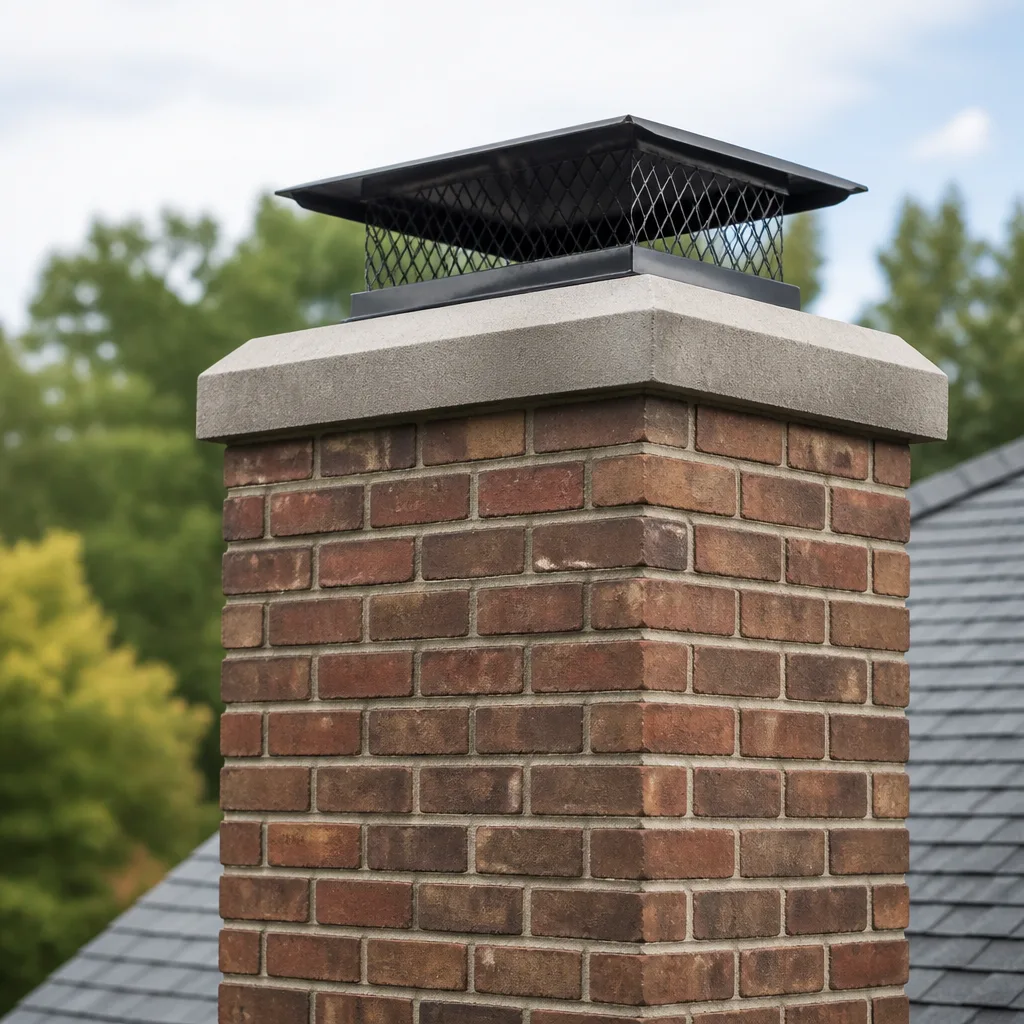
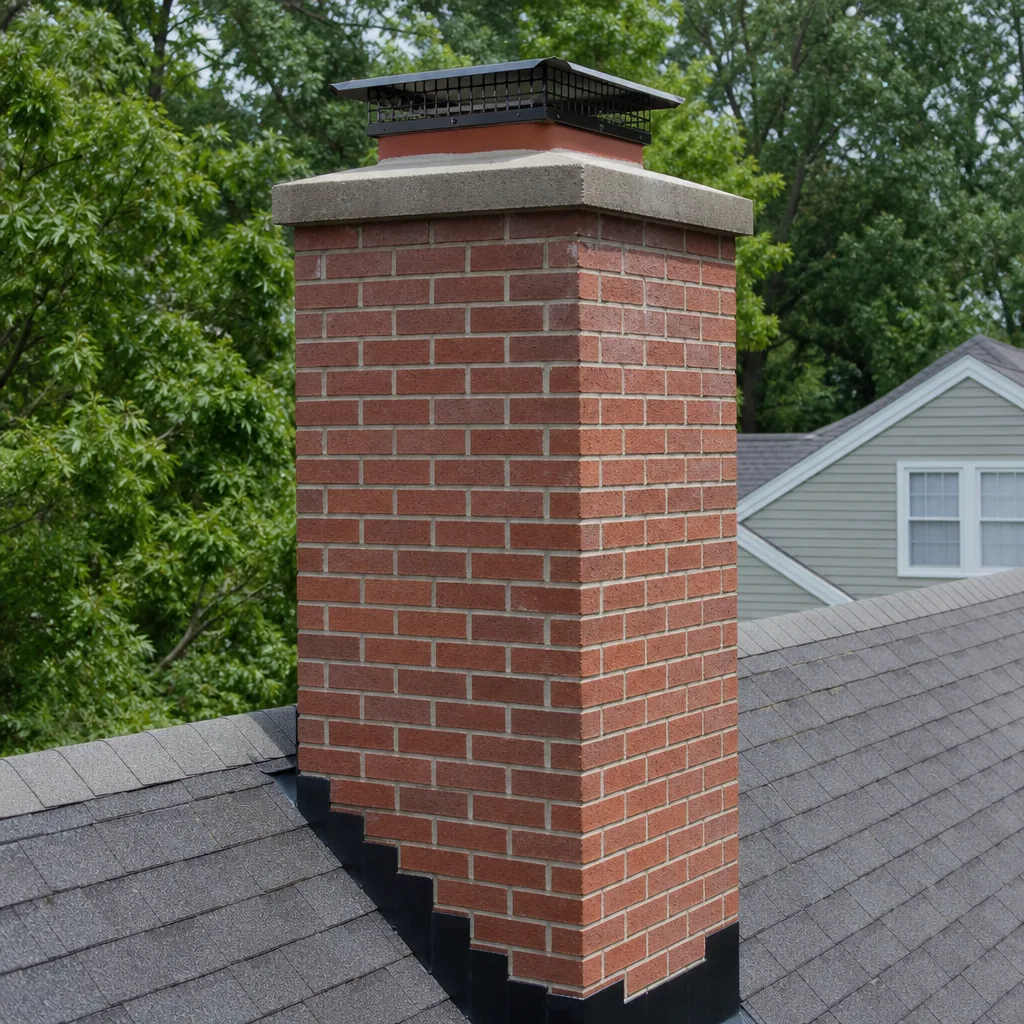
Level 1 sweep and inspection to the NFPA 211 annual standard - flue, crown, cap, and flashing checked and photographed
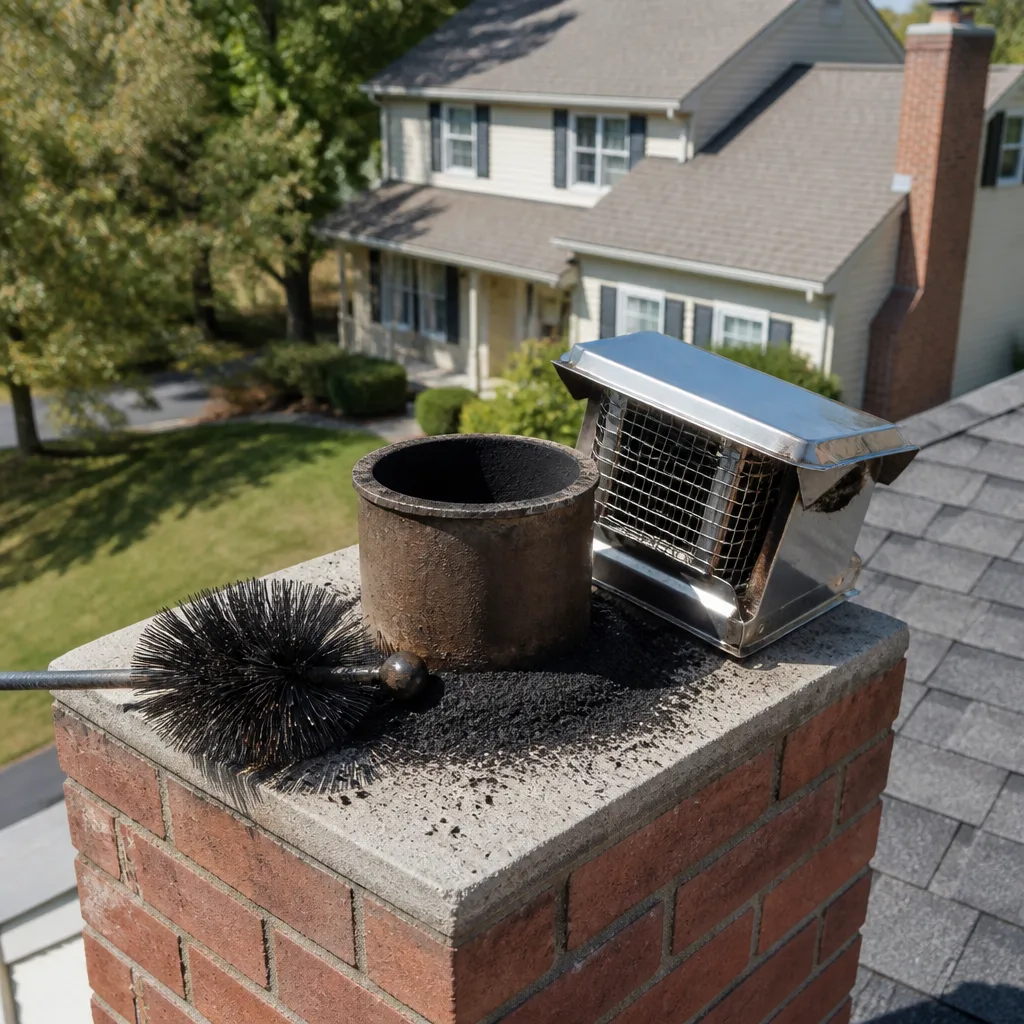
Chimney sweep logs do not sweep chimneys. They loosen some creosote - which then falls where a brush and vacuum still have to collect it.
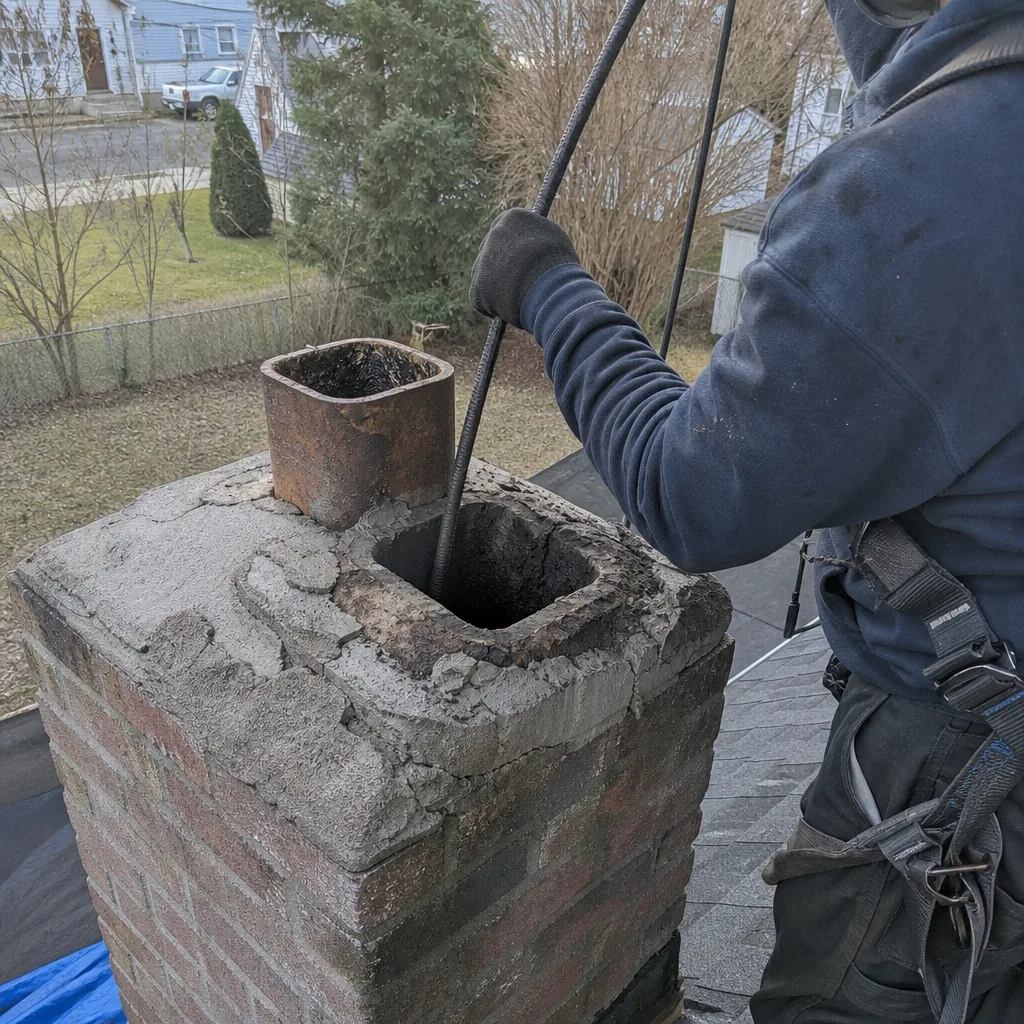 Before
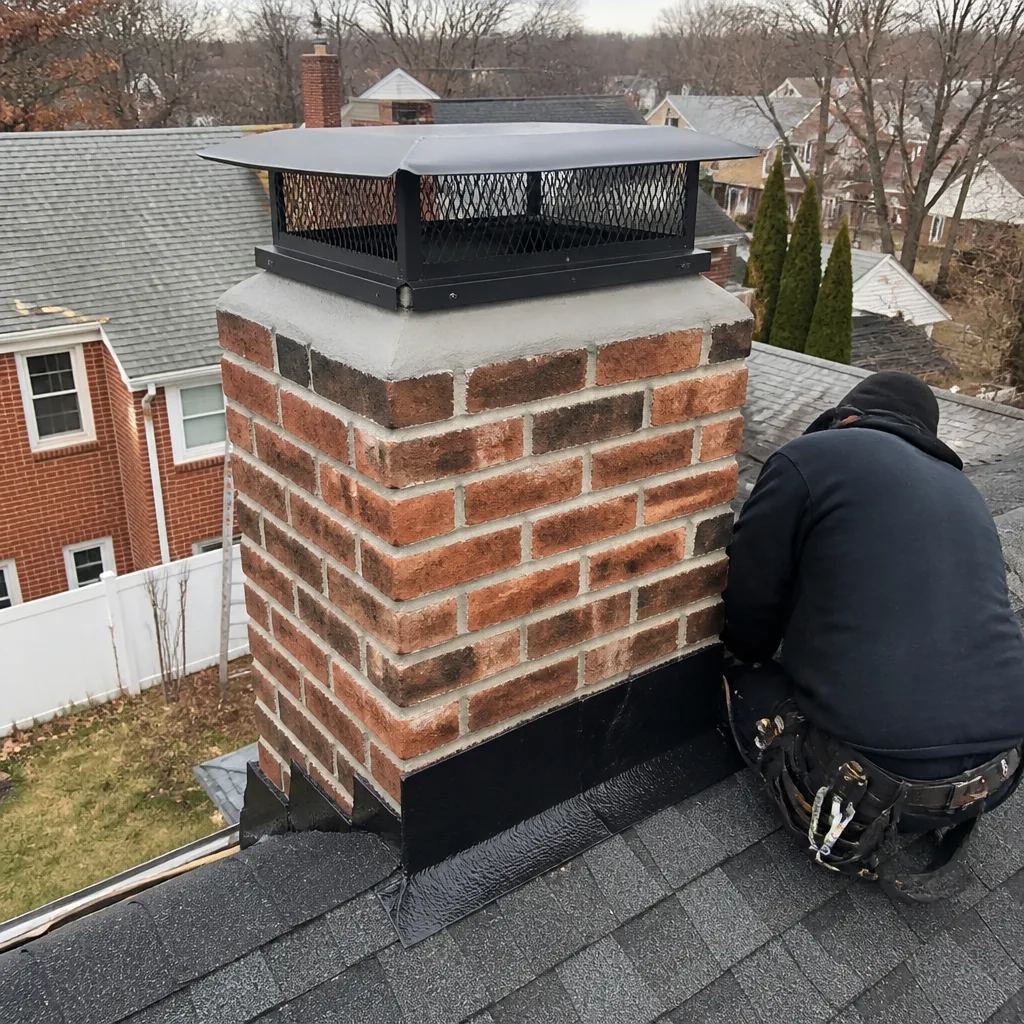 After
After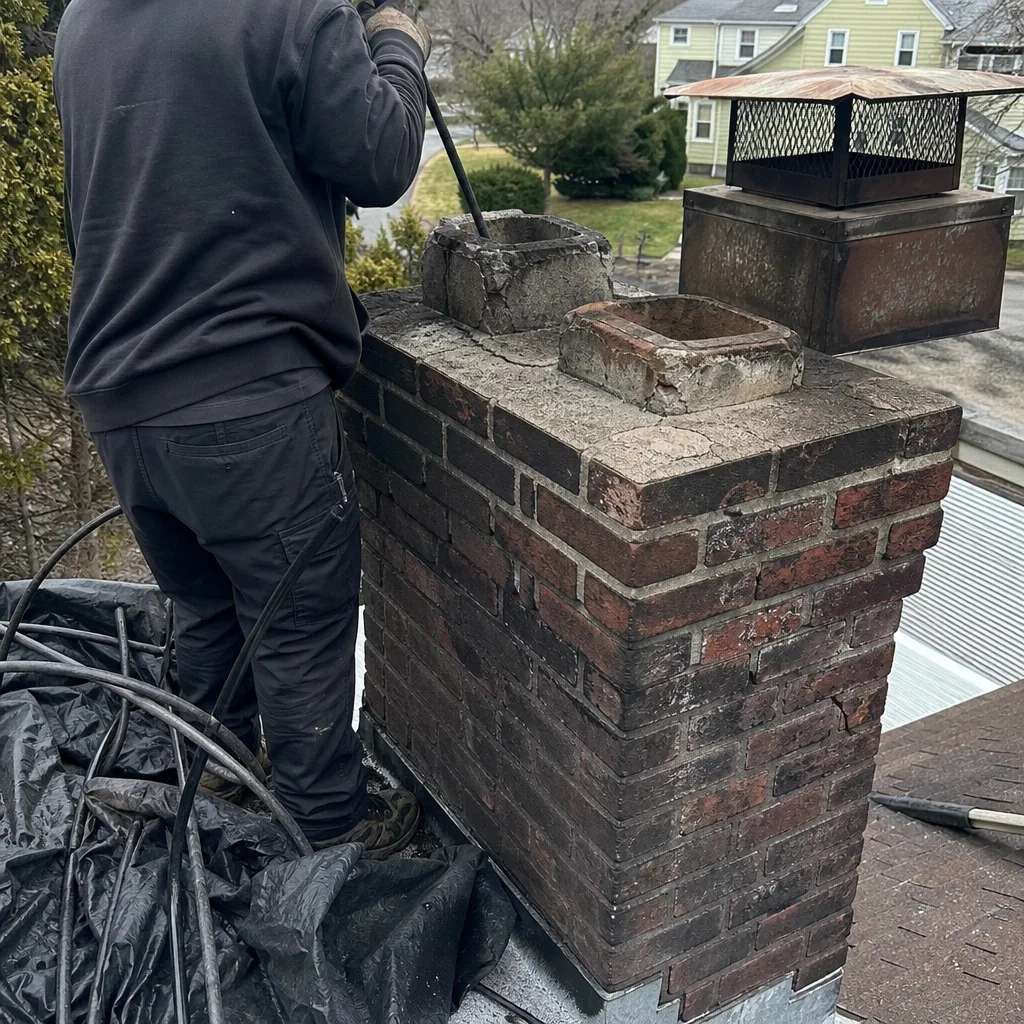 Before
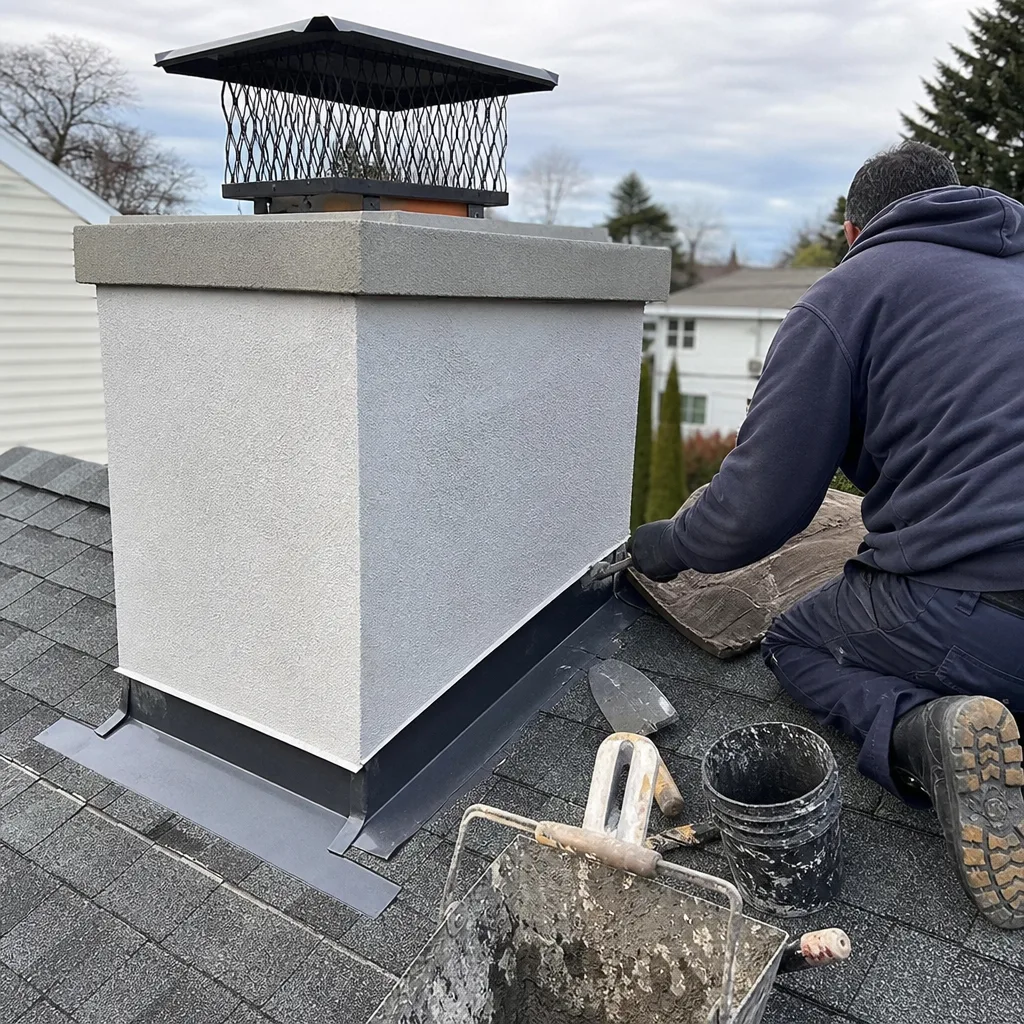 After
After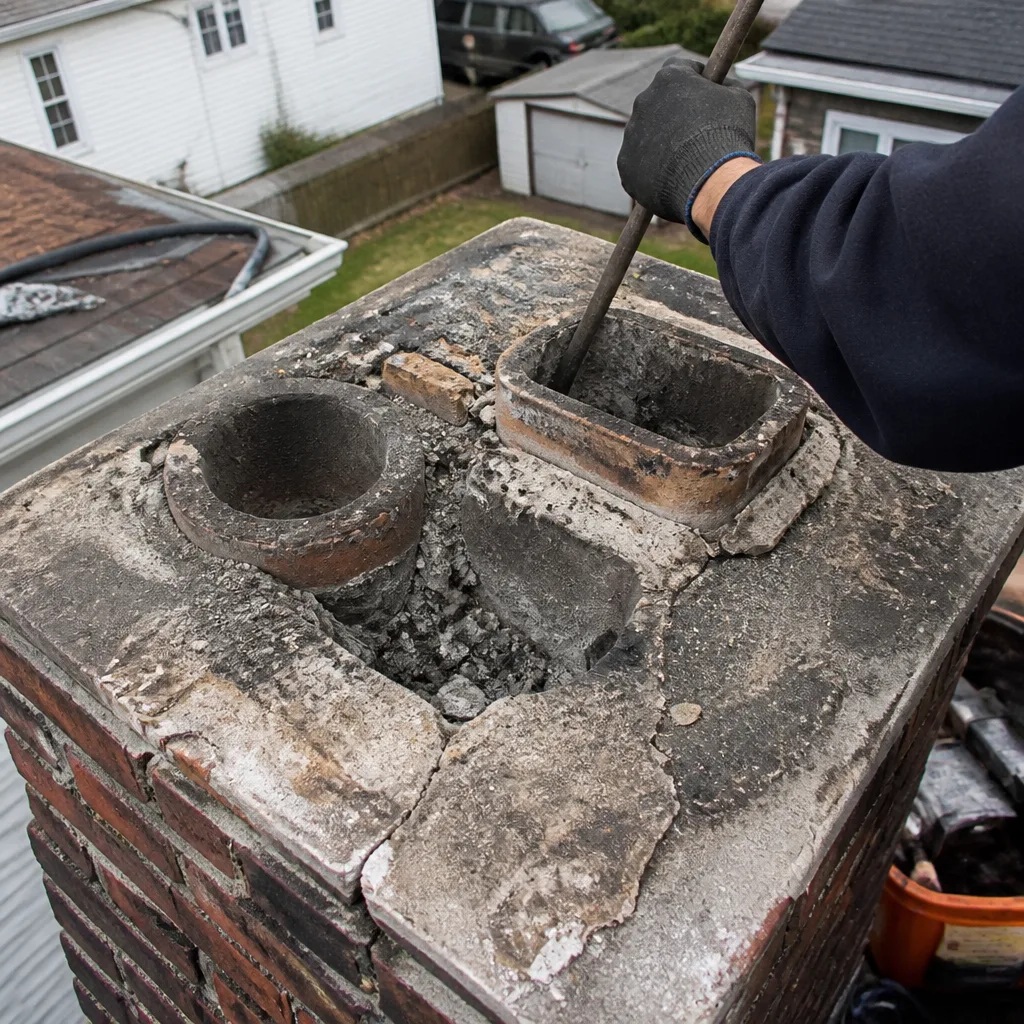 Before
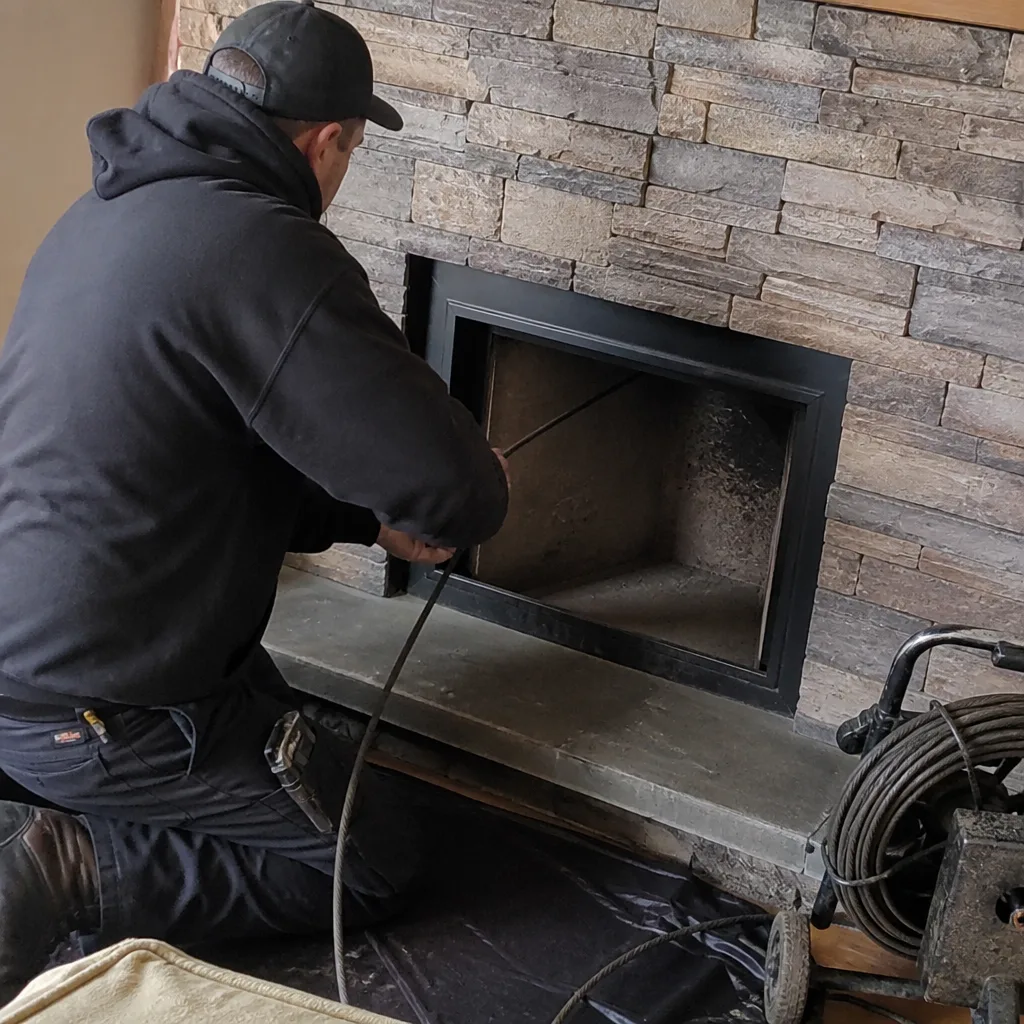 After
AfterFireplace Cleaning in Newark, NJ
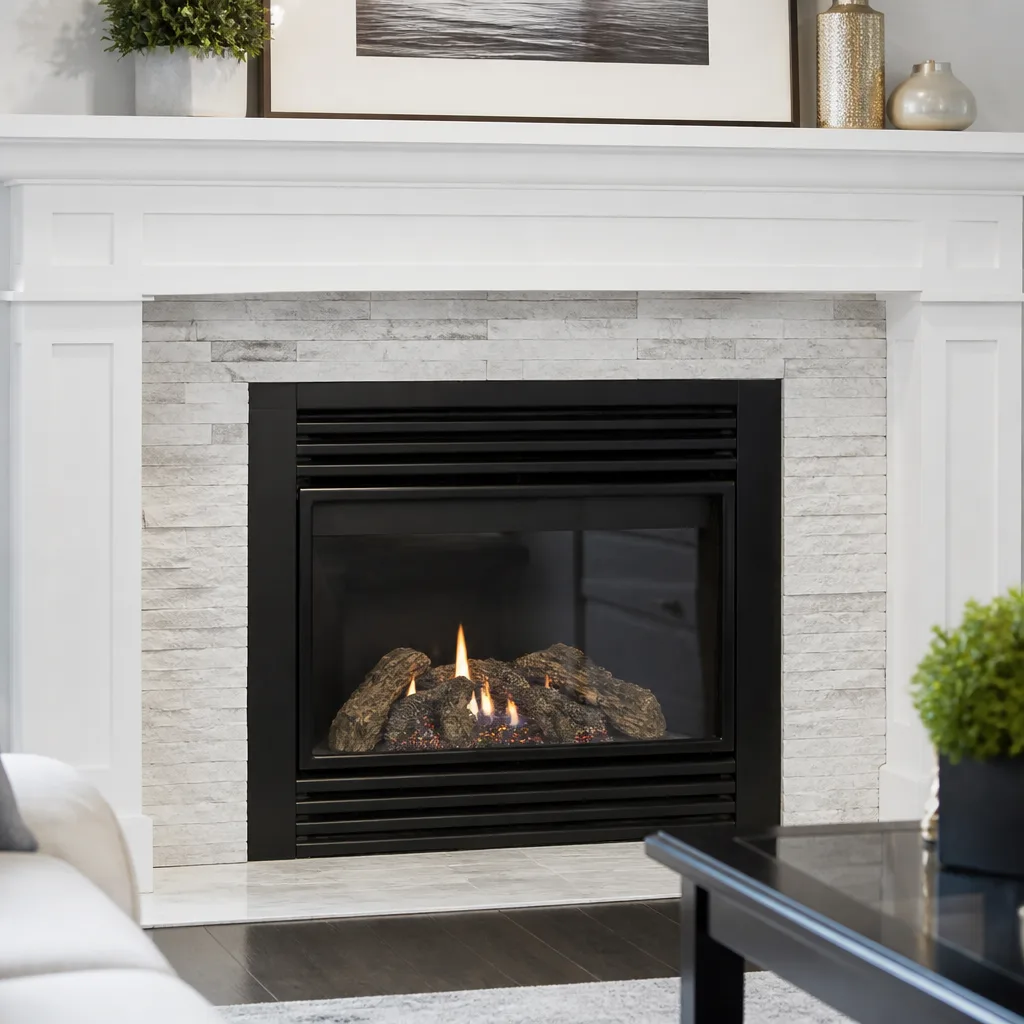
Fireplace cleaning in Newark typically runs $149 to $299 for a standard wood-burning firebox, and the job is done the same visit as your inspection. A clean firebox removes creosote buildup from the smoke chamber, firebox walls, and damper area – the parts your fire touches directly – before that buildup becomes a fire hazard or starts smoking back into your living room.
At Level Two Chimney Newark, every fireplace cleaning starts with a Level 1 Inspection that includes a camera-scan of the flue liner and smoke chamber before a brush goes in. That way we know what we’re dealing with, you get a written price before any work starts, and you walk away with a documented photo record of the condition before and after. If you want to talk through what’s involved first, call us at (862) 245-4309 – a live person answers 24 hours a day, seven days a week.
This service sits under our broader Chimney Cleaning & Sweep in Newark offering, which covers the full flue system from the firebox up to the crown. Fireplace cleaning specifically focuses on the combustion zone: the firebox, smoke shelf, damper, and the lower smoke chamber where most of the residue concentrates.
When You Need Fireplace Cleaning
A fireplace that looks clean from the couch often isn’t. These are the situations where we’d say the firebox needs attention:
- You’ve burned three or more cords of wood this season. Newark winters push homeowners in the Ironbound, Forest Hill, and Vailsburg neighborhoods to run their fireplaces hard from November through March. By spring, smoke chambers that looked fine in October can carry a quarter-inch or more of creosote on the walls.
- Smoke drifts into the room when you open the damper. A smoke shelf clogged with soot and ash disrupts the draft column. The smoke has nowhere to go except back through the firebox opening into your home.
- There’s a sharp, acrid smell when the fireplace isn’t in use. That odor in humid months – Newark summers can sit at 70-80% relative humidity for days at a stretch – usually means wet creosote is off-gassing from the smoke chamber walls. It doesn’t go away on its own.
- You’ve moved into a home and have no service records. If you bought in Newark between 2020 and 2024 and inherited a fireplace you’ve never had cleaned, you have no way to know the Class of creosote or the condition of the smoke chamber unless someone puts a camera in it.
- Your last sweep was more than 12 months ago. NFPA 211 recommends annual inspection and cleaning for any fireplace in active use. One season’s worth of softwood burning can deposit enough residue to warrant a full cleaning.
- You see glossy black deposits on the firebox walls or damper. Shiny, glazed residue is Class III creosote – the kind that won’t brush off and requires chemical treatment before mechanical removal. Catching it early keeps the job manageable; ignoring it turns a $200 cleaning into a $600 restoration process.
Our Fireplace Cleaning Process
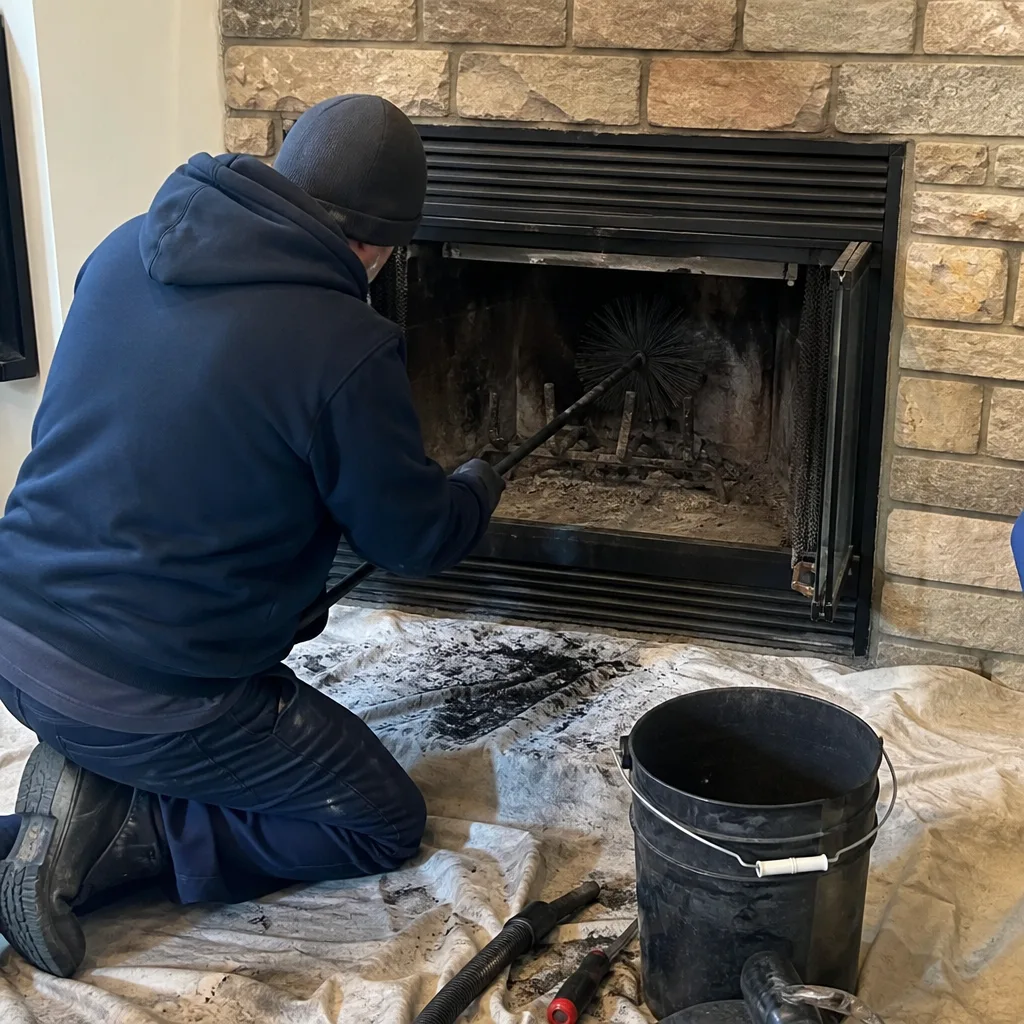
We don’t walk in and start brushing. The sequence below reflects what we’ve learned across more than 38,000 Chimney Cleaning & Sweep visits since 2009 – working Newark’s older stock of brownstones, colonial revivals, and postwar row homes with their mix of clay-tile liners, masonry smoke chambers, and iron dampers that vary by decade and builder.
- Written price and scope before anything starts. Under Clause 1 of the Haven Standard, you receive a written price, written scope, and written warranty before the technician picks up a tool. If the camera scan reveals a condition that changes the scope – say, Class III creosote that requires HeatShield smoke chamber coating after cleaning – you get a revised written quote and the choice to proceed or not. No surprises on the invoice.
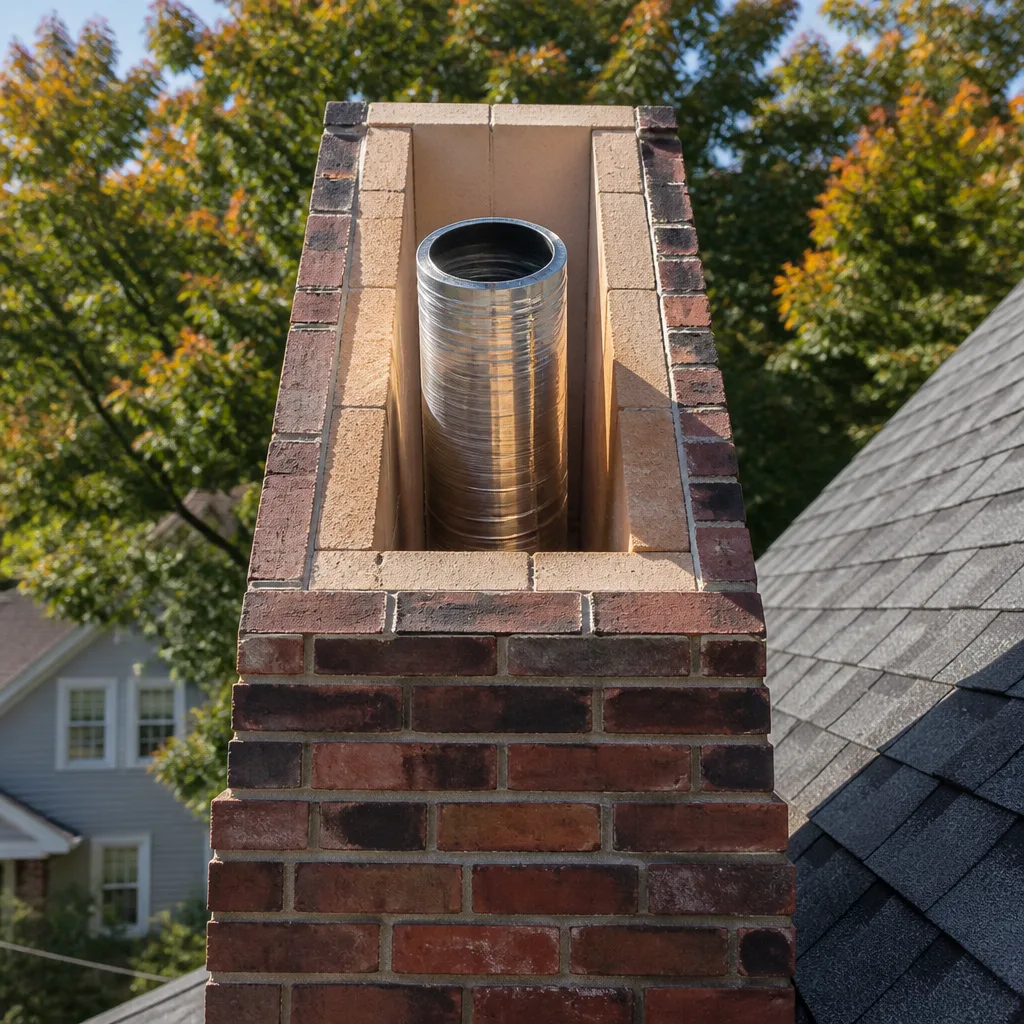
- Camera-scan inspection of the flue and smoke chamber. Our technician runs a camera down the flue liner in accordance with NFPA 211 Level 2 protocol. This isn’t a formality. In Newark’s older housing stock, we regularly find clay-tile liner damage, offset joints, and mortar deterioration that changes how aggressively we can clean and whether additional repair is needed first. The footage is documented and becomes part of your photo record.
- Drop cloths and work-area protection. A uniformed, background-checked technician puts down protective covering over your hearth, floor, and surrounding furniture before a single brush goes in. Fireplace cleaning is inherently dusty work. We contain it.
- Mechanical brushing of the smoke chamber and firebox. We brush the smoke chamber – the funnel-shaped masonry cavity above the firebox opening – along with the firebox walls, floor, and the damper plate. Soot, ash, and loose creosote are vacuumed with a HEPA-filtered unit as we work. For Class II creosote (dry, crunchy flakes), this is typically sufficient. For Class III (glazed), we apply a chemical conditioning agent, let it dwell, and then complete the mechanical removal – a step most companies skip or charge extra for without telling you why.
- Smoke shelf clearing and damper check. The smoke shelf – the flat ledge just above the firebox opening – collects debris year-round, including leaves, animal matter, and accumulated soot. We clear it completely and test the damper for proper seating and operation. A damper that doesn’t seat fully lets conditioned air out in summer and cold air in all winter.
- Documented photo record delivered before we leave. Clause 4 of the Haven Standard requires a documented photo record on every job, every time – not as an optional add-on. You receive before-and-after photos of the firebox, smoke chamber, damper, and any areas of noted concern. That record is yours to keep, share with your insurer, or reference if you ever sell the home.
BeforeAfterFireplace Cleaning Pricing in Newark
Fireplace cleaning in Newark costs $149 to $299 for most standard wood-burning systems. Below is a plain breakdown of what affects where your job falls in that range.
| Condition / Scope | Typical Price Range |
|---|---|
| Standard cleaning, Class I creosote (light soot, regular annual service) | $149 – $189 |
| Moderate buildup, Class II creosote (one to two seasons without service) | $189 – $249 |
| Heavy buildup or Class III creosote (glazed deposits, chemical treatment required) | $249 – $299+ |
| Smoke chamber resurfacing with HeatShield (if damaged parging is found) | Quoted separately in writing before work starts |
| Gas fireplace cleaning and inspection (burner, logs, venting) | $149 – $199 |
Three things move the number most in Newark specifically. First, the age of the home: pre-1960 brownstones in neighborhoods like the North Ward and Broadway often have original clay-tile smoke chambers with deteriorated mortar joints that require more careful technique and sometimes repair before cleaning can be completed safely. Second, how long it’s been since the last service: a fireplace cleaned annually stays in the lower range; one that’s gone three or four seasons without attention almost always carries Class II or III buildup. Third, access: some Newark row homes have fireplace openings that require repositioning the damper plate before we can reach the full smoke shelf – a ten-minute step that still takes time.
The written price you receive covers the full scope discussed. If the camera scan finds something that wasn’t visible from the firebox opening – a cracked liner section, for example – we tell you in writing before we proceed. You never receive an invoice larger than the quote you approved. Call (862) 245-4309 to book, and we’ll give you a written estimate before anything starts – no obligation to continue.
What the Camera Finds in Newark Fireplaces
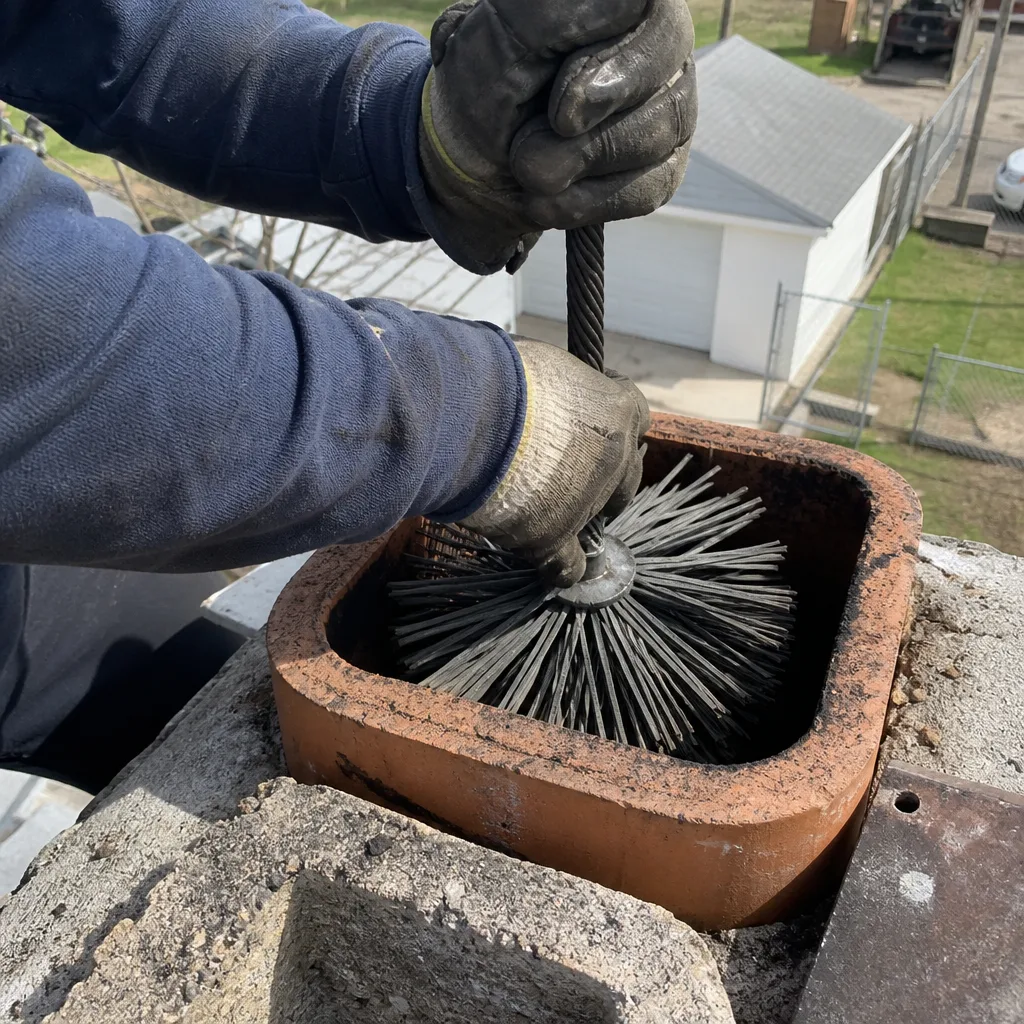
We’ve run the camera through fireplaces across Newark’s neighborhoods long enough to recognize patterns. In the Forest Hill and Roseville sections, where late-Victorian and early-colonial stock is common, the smoke chambers were often parged with straight mortar – no refractory compound – and that mortar cracks as it cycles through heat. By the time we arrive, the parging can be spalling (flaking away), leaving rough masonry exposed to high-heat flue gases. A cleaning that ignores that condition just postpones a bigger repair.
In postwar homes along Chancellor Avenue and in the Weequahic area, the clay-tile liner sections are typically original to construction. After 60-plus years of thermal cycling, the joints between tile sections can open up to a quarter inch or more. That’s not a fireplace-cleaning issue by itself, but it changes our brushing protocol – aggressive mechanical pressure near an open joint can shift tile sections. The camera lets us see it before we cause a problem.
None of this is alarming for its own sake. It’s just what Newark’s housing stock looks like after decades of use. The point of knowing it before the brush goes in – rather than after – is that the written price you receive actually reflects the job, not a best-case scenario.
Fireplace Cleaning vs. Full Chimney Sweep: What’s the Difference
A fireplace cleaning focuses on the combustion zone: the firebox, smoke shelf, damper, and lower smoke chamber. A full Chimney Cleaning & Sweep in Newark extends that work up through the entire flue liner column to the crown and cap at the top of the chimney stack. For most annual maintenance visits, the two are done together. If you’re calling because smoke is entering the room or you’ve noticed an odor, we’ll inspect the full system and quote the appropriate scope in writing before anything starts.
If a previous sweep company cleaned the flue but didn’t address the firebox or smoke chamber – a gap we see more often than you’d expect – a standalone fireplace cleaning is the right next step. Bring us the written estimate from the prior company, and we’ll give you a free second opinion on what was quoted versus what’s actually needed.
A Note on Safety
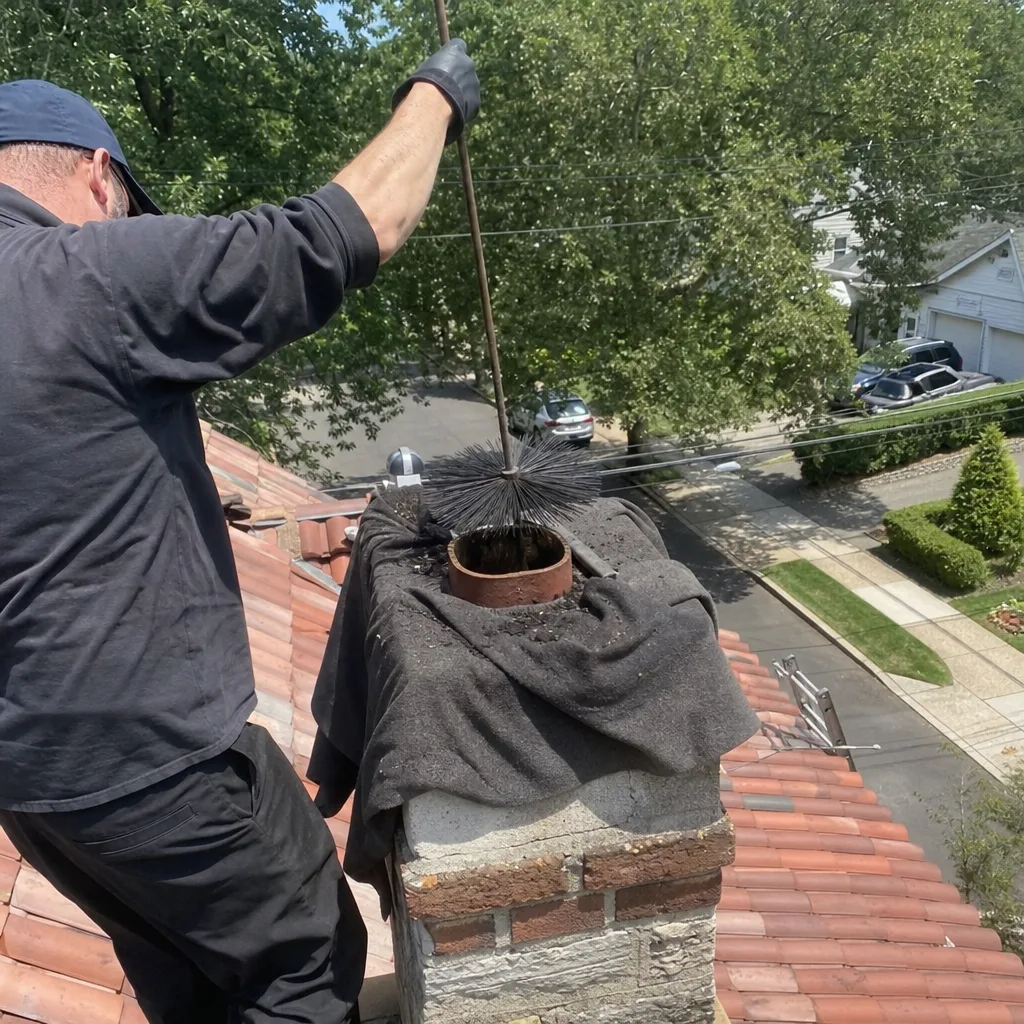
Soot Removal, particularly Class III glazed creosote, involves chimney components that operate at extreme temperatures and accumulate combustion byproducts that are genuinely flammable. Do not attempt to remove glazed creosote deposits yourself with wire brushes or household tools. The deposits can ignite at temperatures far below a standard chimney fire, and working inside a smoke chamber without proper respiratory protection and a HEPA-rated vacuum creates real health risk from fine particulate inhalation. The work is not complicated when it’s done by someone trained to do it. It is risky when it isn’t.
FAQs – Fireplace Cleaning in Newark
How often should a fireplace be cleaned in Newark?
If you’re burning wood regularly – meaning three or more fires per week through the heating season – the fireplace should be cleaned once a year, typically in early spring or fall. NFPA 211 calls for annual inspection regardless of use frequency, and cleaning follows from what the inspection finds. Newark’s humidity level matters here: wet summers accelerate the off-gassing of any residual creosote left in the smoke chamber, so spring cleaning before the fireplace sits idle is the better timing. Call (862) 245-4309 and we’ll tell you exactly what we’d expect to find based on your last service date – before you commit to anything.
How much does fireplace cleaning cost in Newark?
Fireplace cleaning in Newark runs $149 to $299 for most wood-burning fireplaces, depending on the level of buildup and the condition of the smoke chamber. Standard annual cleanings with light Class I deposits come in at the low end. Class III creosote that requires chemical conditioning before mechanical removal, or smoke chambers with deteriorated parging that need HeatShield resurfacing, pushes the number higher – and we quote that separately in writing before starting. Gas fireplace cleaning typically runs $149 to $199. Call (862) 245-4309 for a written estimate before any work begins.
Can you clean a fireplace the same day you inspect it?
Yes. The vast majority of fireplace cleanings in Newark are completed during the same visit as the camera-scan inspection. The Level 2 Inspection tells us what class of creosote we’re dealing with and whether there’s any damage to the smoke chamber or liner that changes the scope. If everything is straightforward – which it usually is for homeowners who’ve kept up with annual service – the technician completes the cleaning the same day, and you receive your documented photo record before we leave.
What’s included in the documented photo record?
Under Clause 4 of the Haven Standard, every visit produces a written photo record that includes before-and-after images of the firebox, smoke chamber, damper, and any area of noted concern. If the camera scan identifies a liner issue, spalling, or open mortar joints, those are photographed and labeled. The record is yours – it’s useful for home insurance documentation, for reference at the next service visit, and if you’re planning to sell the home and need to show a buyer the fireplace has been maintained. It’s included as standard, not an optional add-on.
Book Fireplace Cleaning in Newark
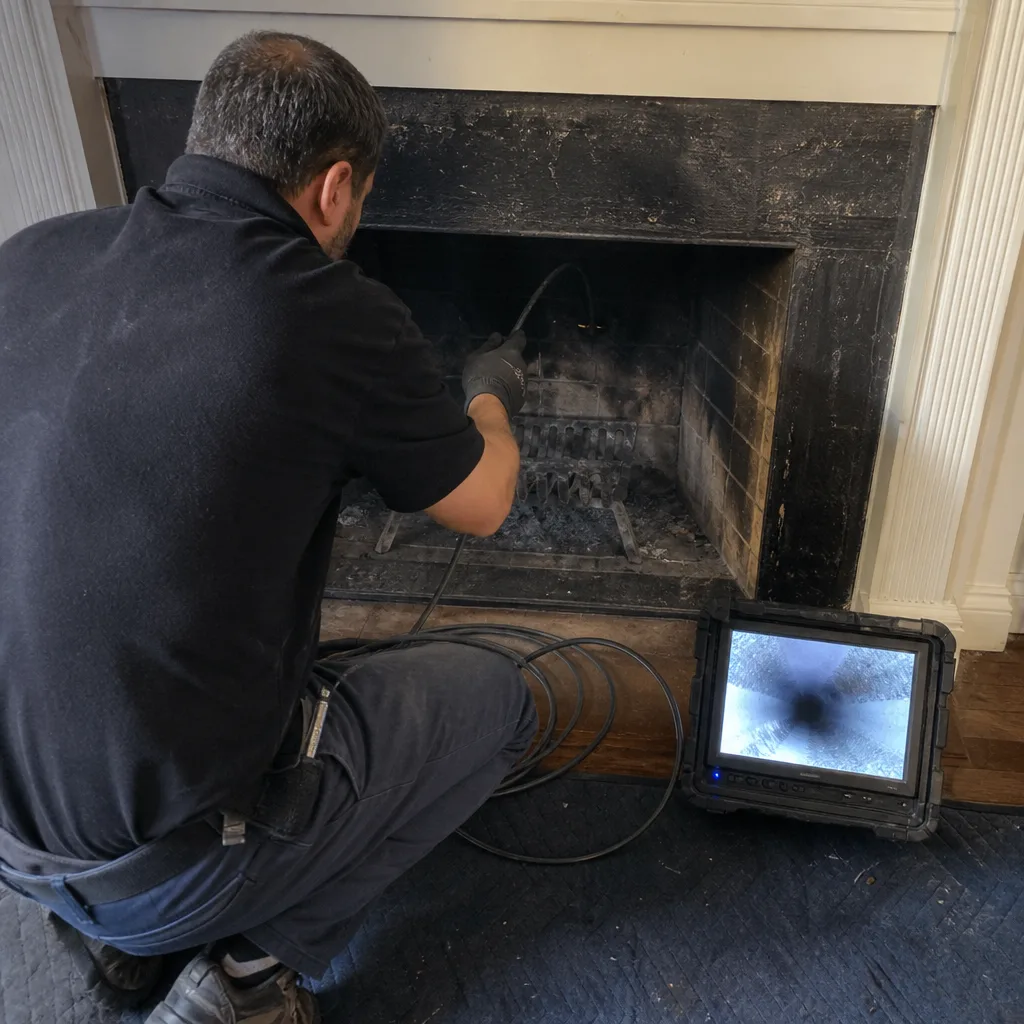
If your fireplace is due for cleaning – or you’re not sure when it was last done – call (862) 245-4309. A live person picks up 24 hours a day, seven days a week. We’ll schedule a visit, run the camera, give you a written price before any work starts, and leave you with a documented photo record of exactly what we found and what we did. That’s how every Level Two Chimney Newark job works, on every visit, without exception.
Corrine Halstead and the Level Two Chimney Newark team have been doing this work since 2009, across more than 38,000 inspections and cleanings in Newark and the surrounding area. If you have a written estimate from another company, bring it to us – the second opinion is free, and we’ll tell you plainly whether the quote reflects what your fireplace actually needs.
Written by Corrine Halstead, Owner at Level Two Chimney Newark, serving Newark.