
Level 1 sweep and inspection to the NFPA 211 annual standard - flue, crown, cap, and flashing checked and photographed
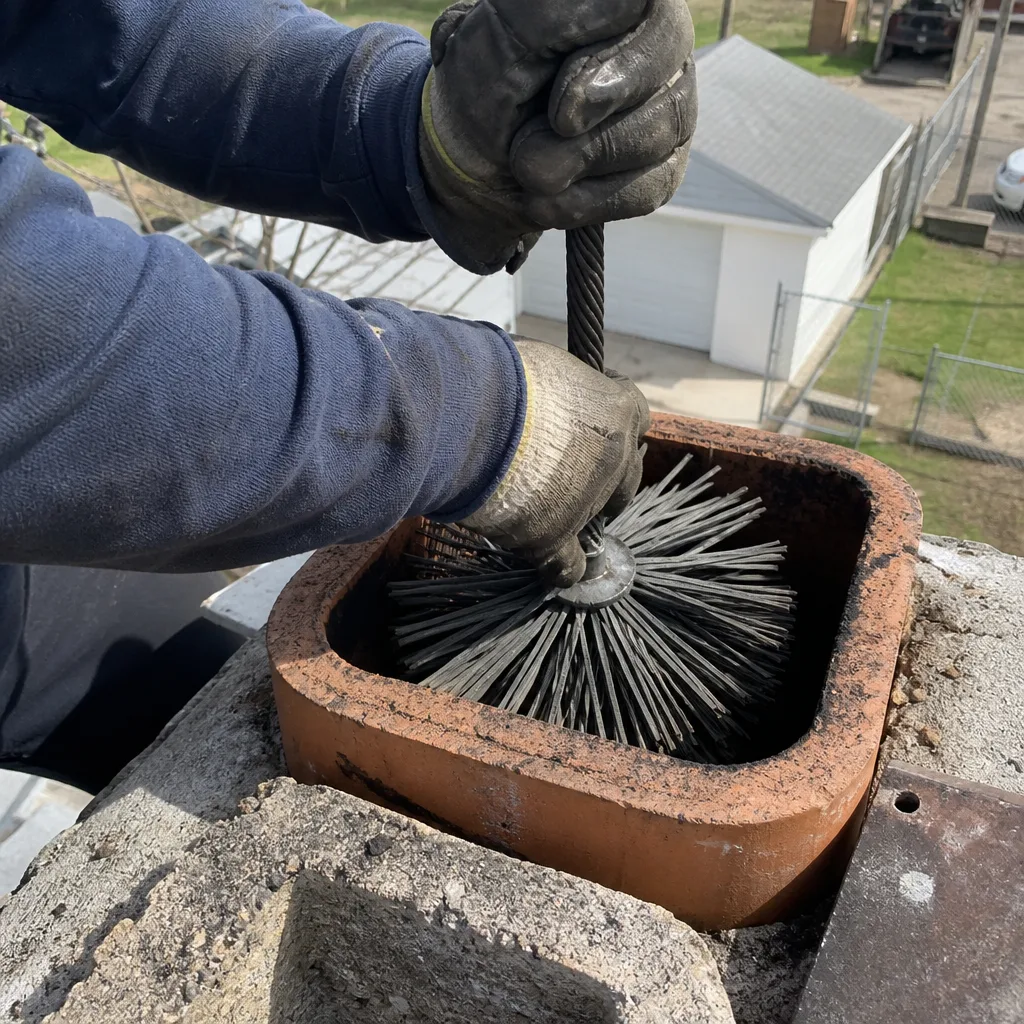
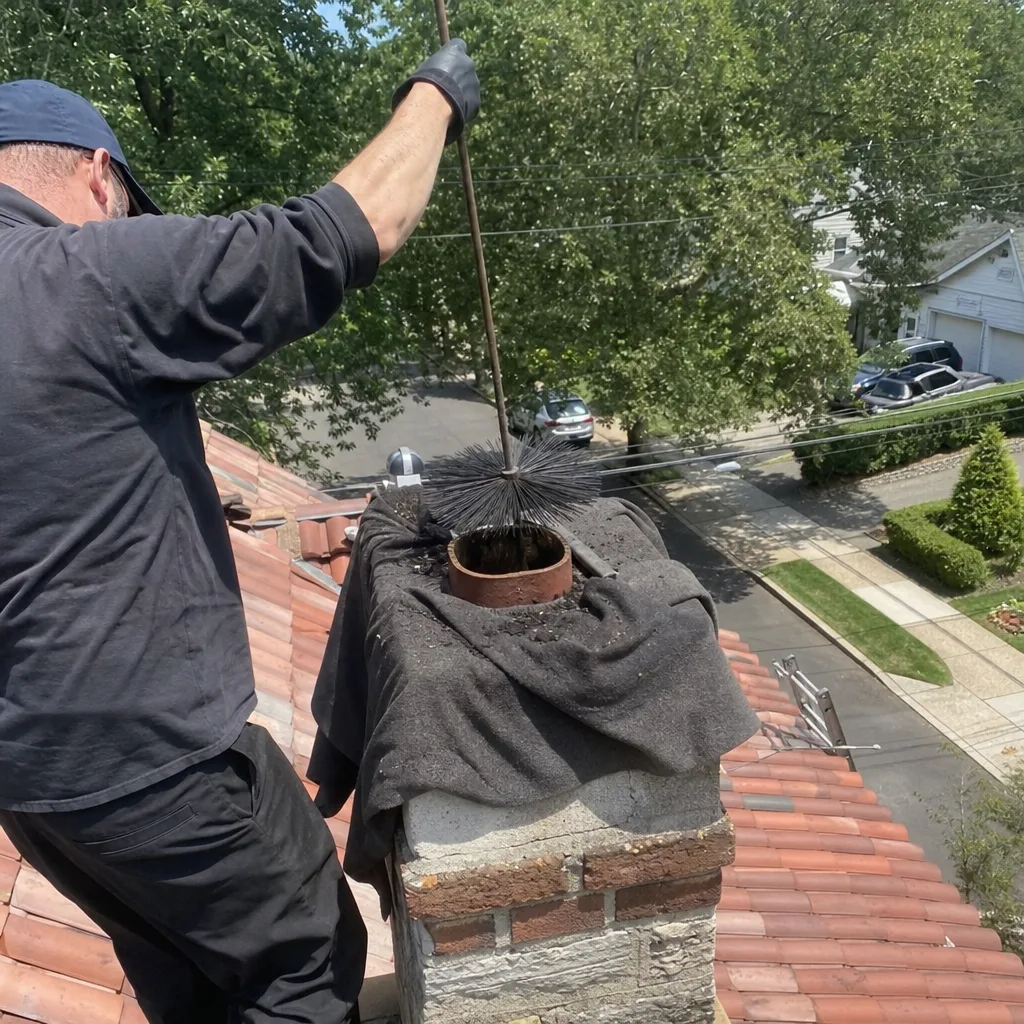
Chimney sweep logs do not sweep chimneys. They loosen some creosote - which then falls where a brush and vacuum still have to collect it.
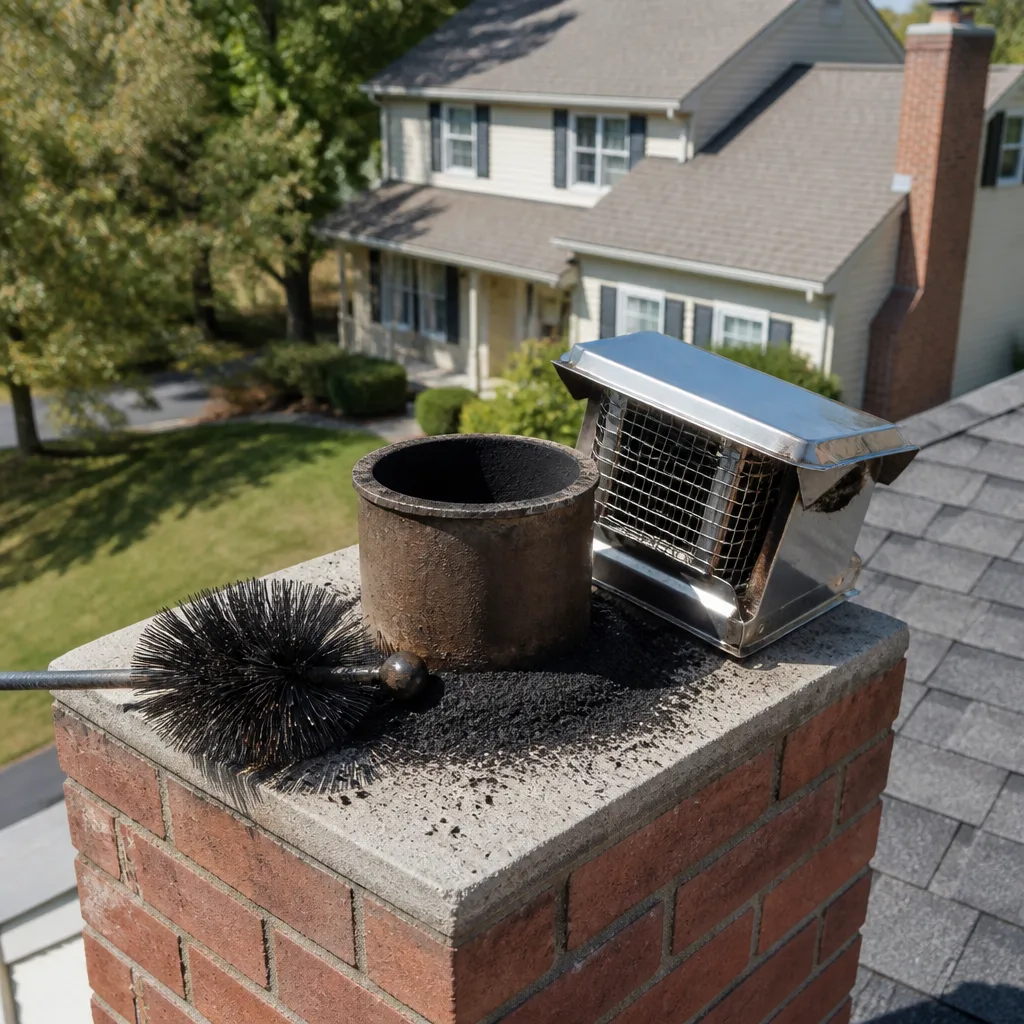
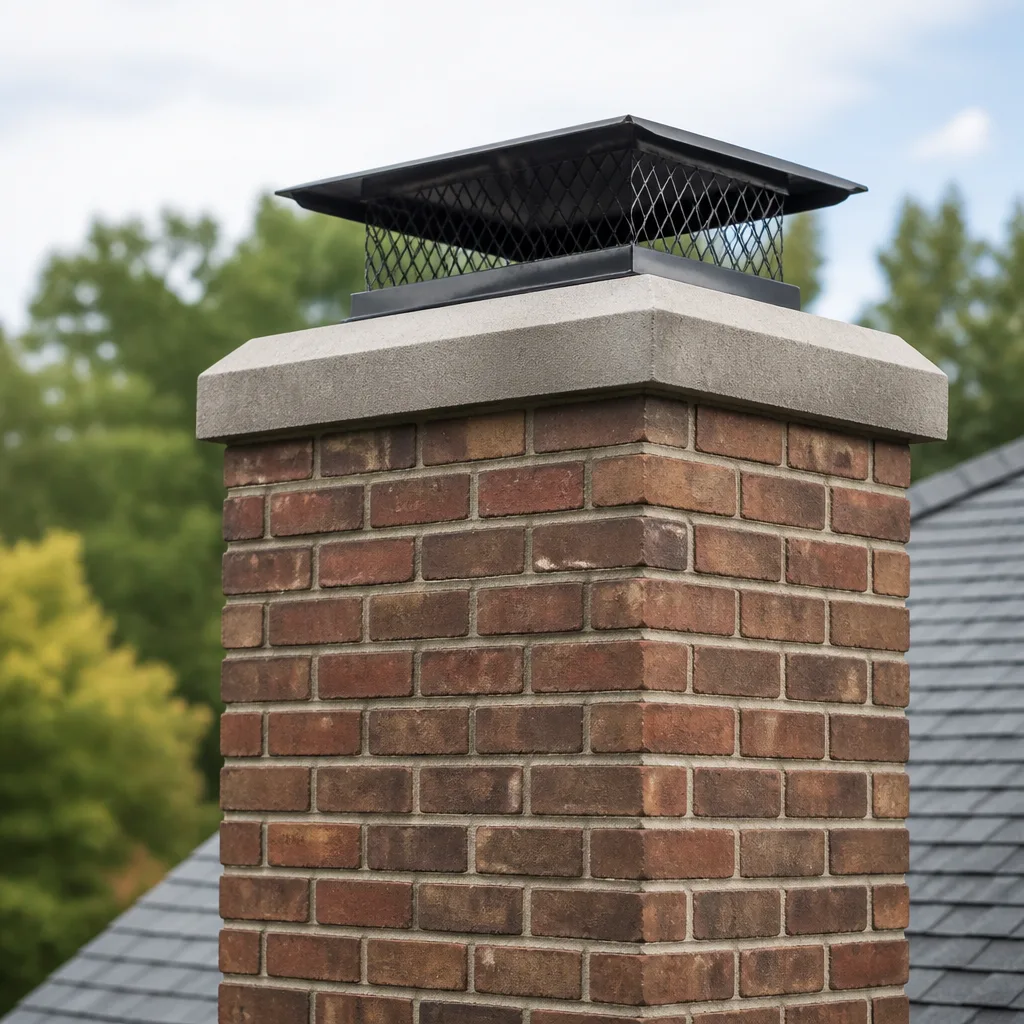
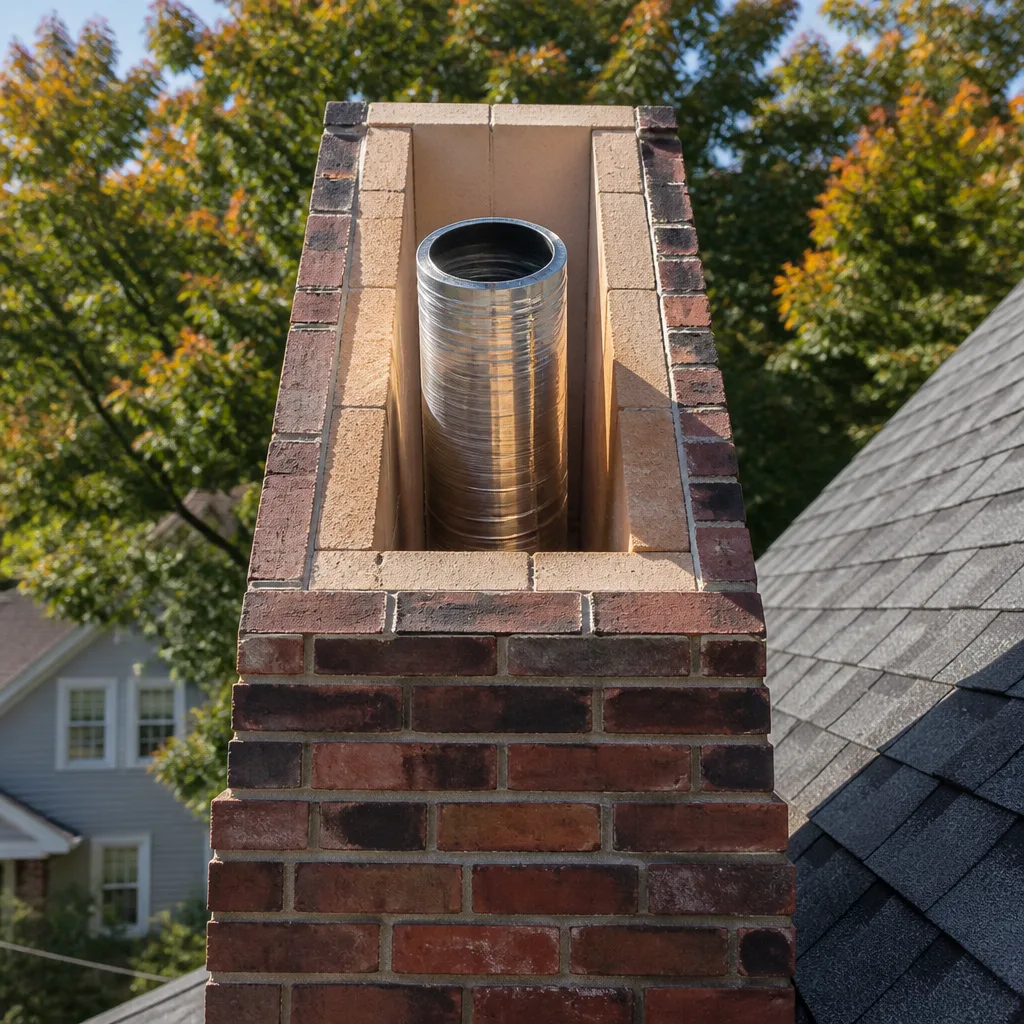
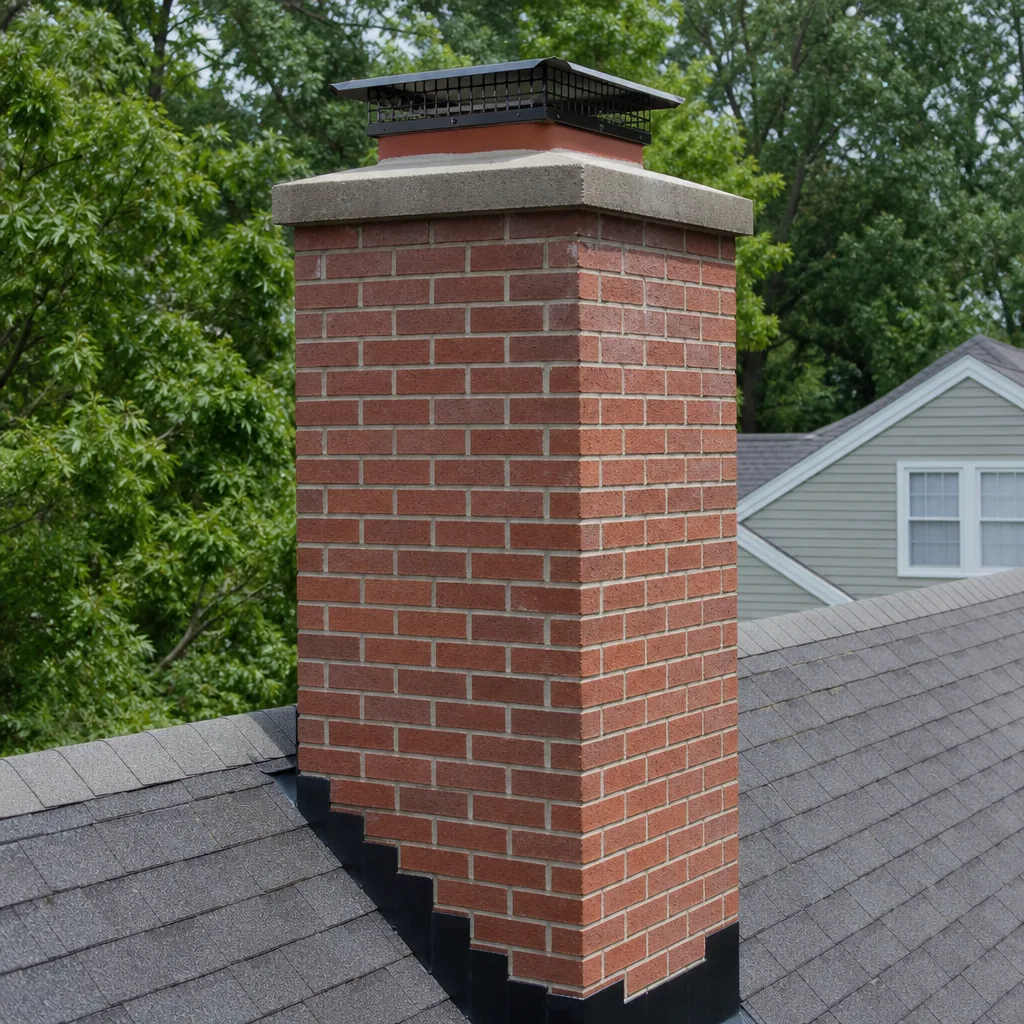
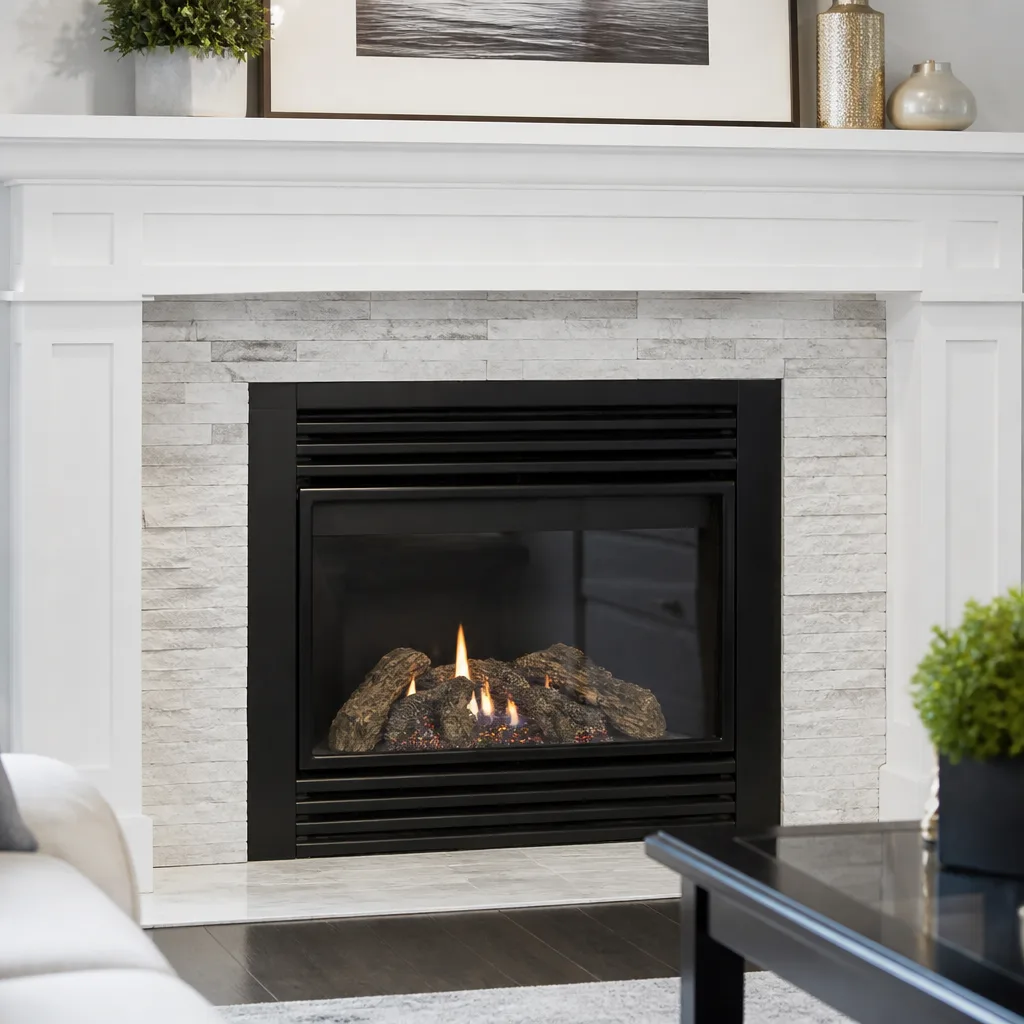
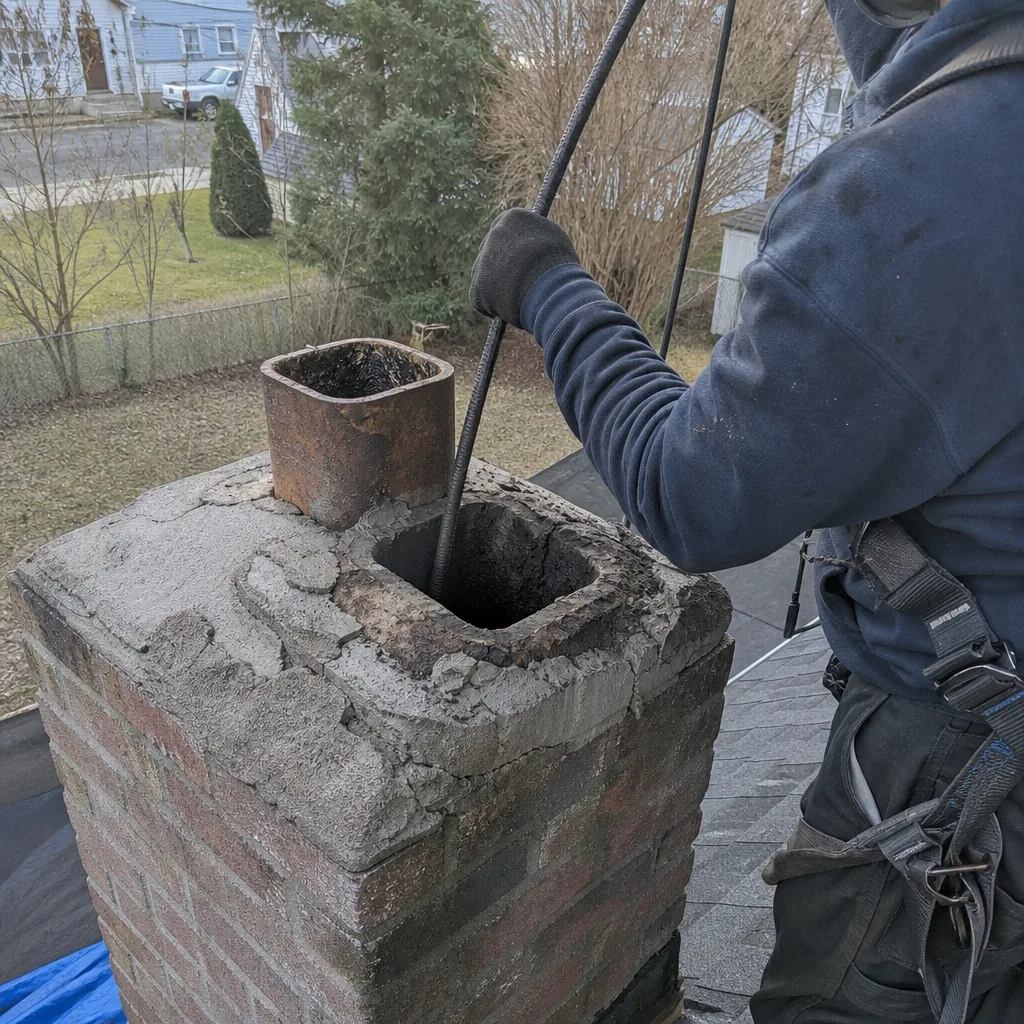 Before
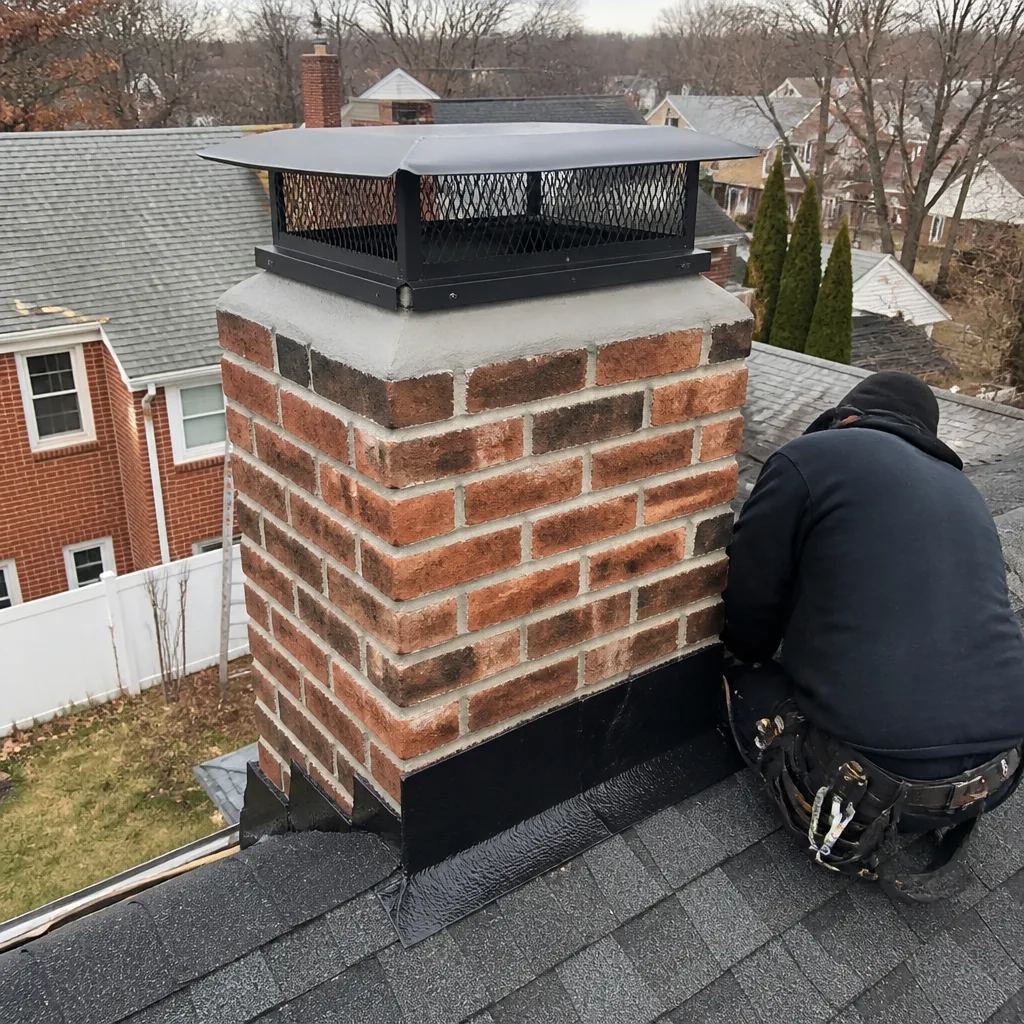 After
After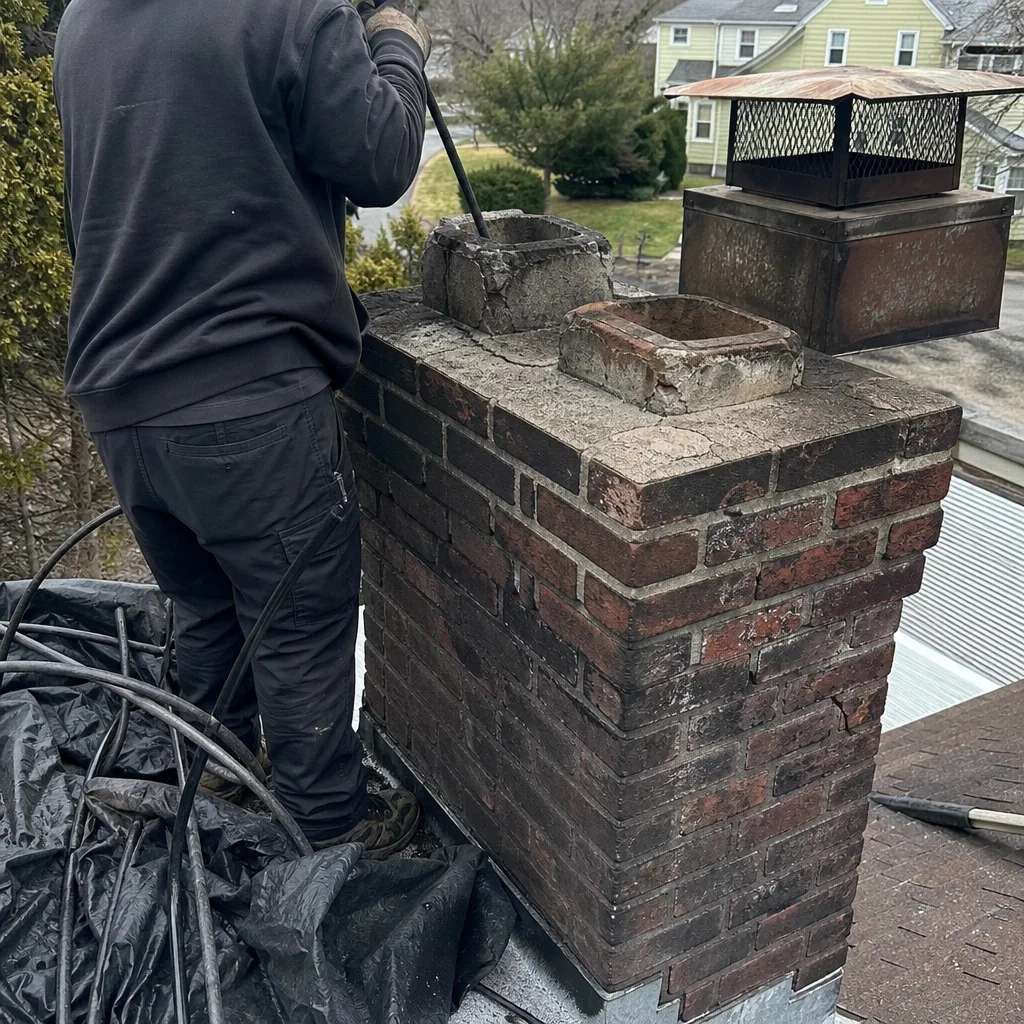 Before
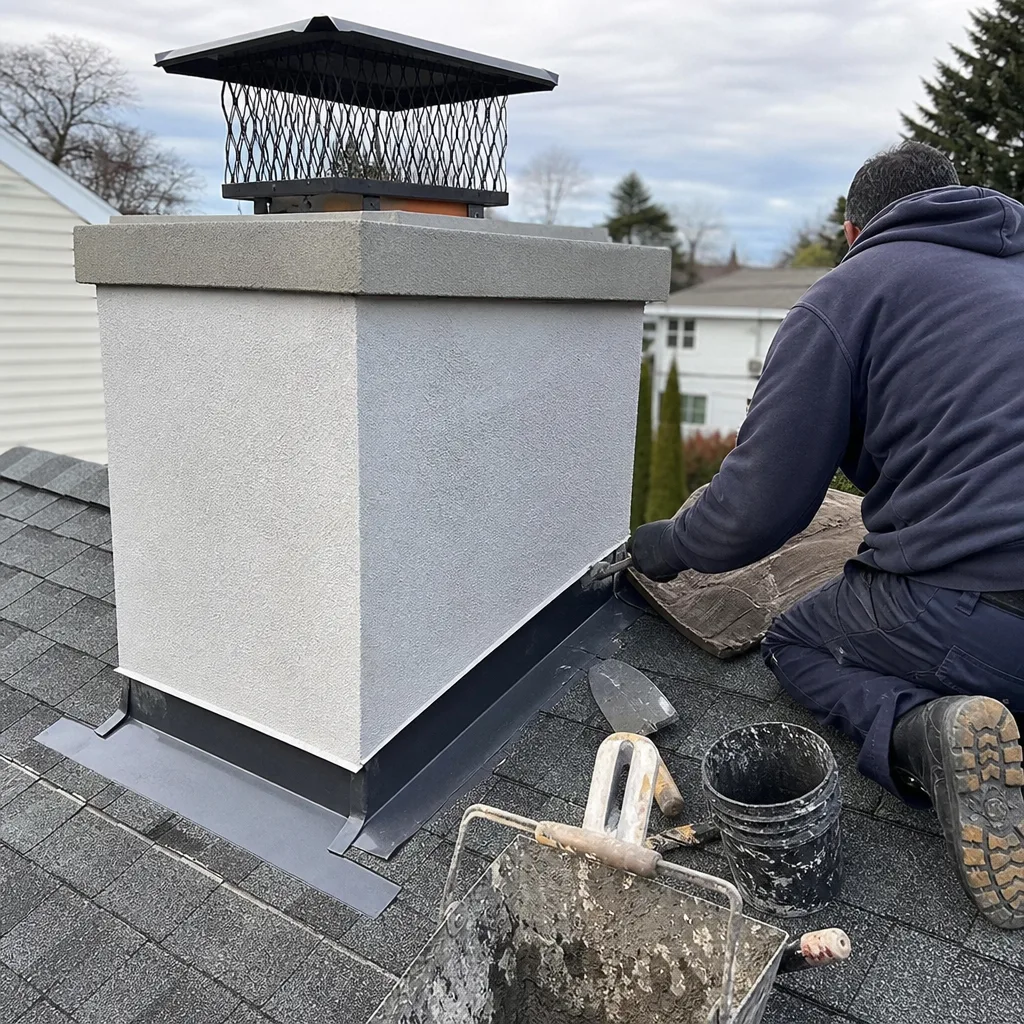 After
After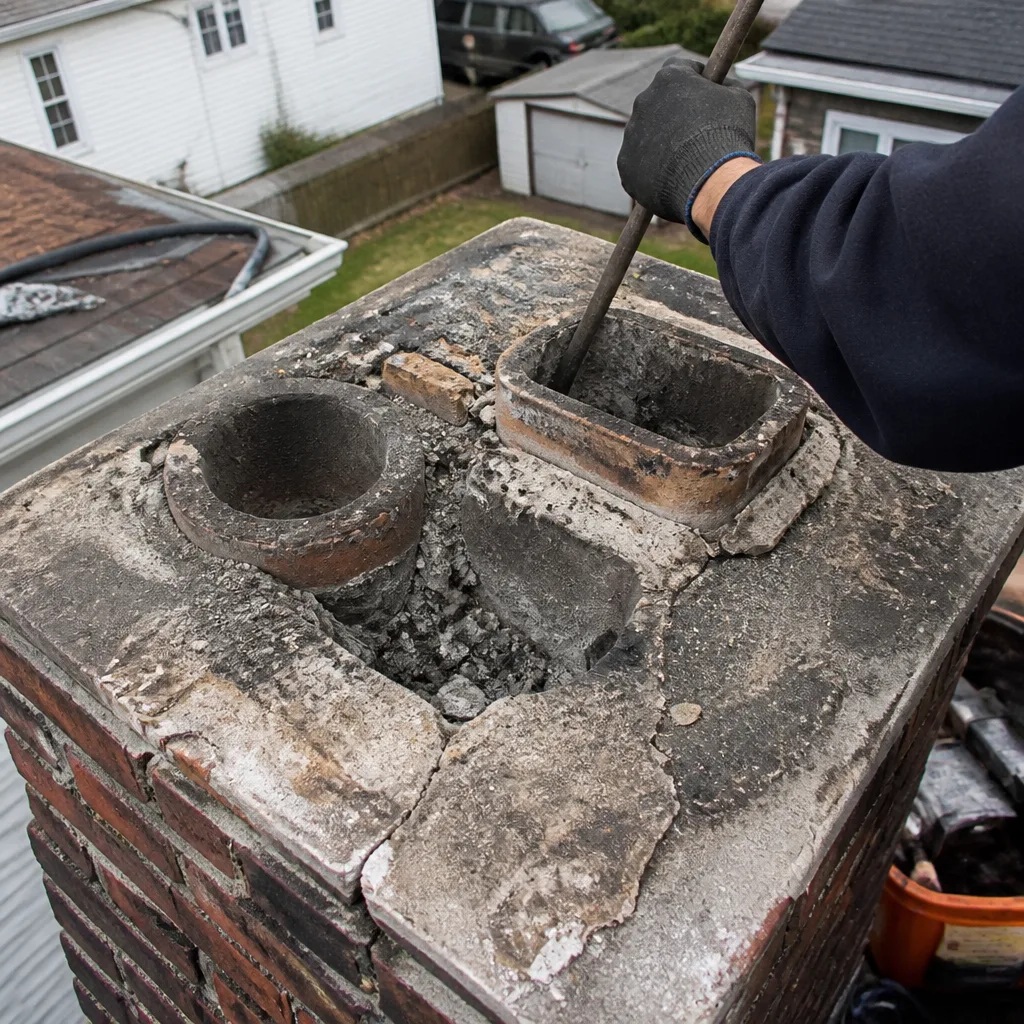 Before
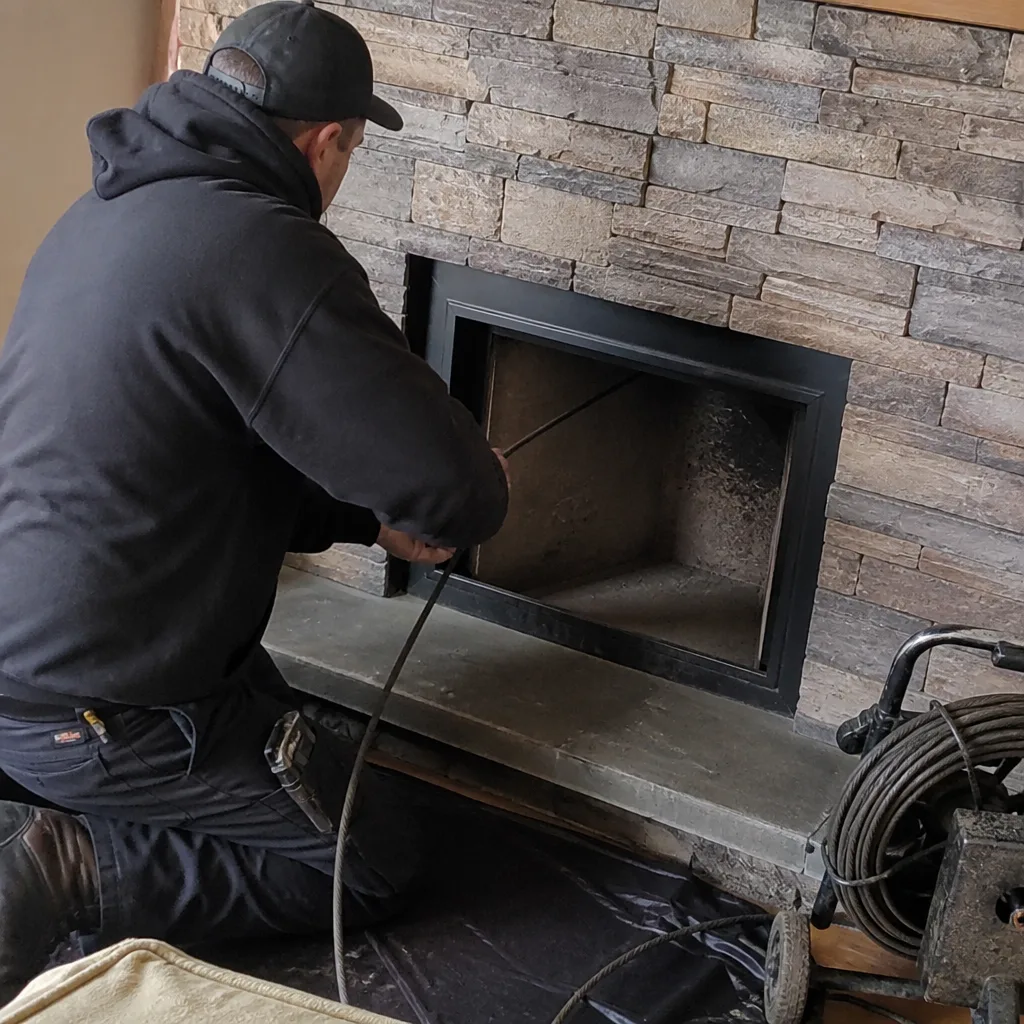 After
AfterCreosote Removal in Newark, NJ
Creosote removal in Newark, NJ typically runs $149 to $349 depending on how much has built up and which stage of creosote you’re dealing with – a standard sweep handles Class I deposits, while Class II and Class III require chemical treatments or rotary cleaning that take longer and cost more. Level Two Chimney Newark has cleared creosote from flues across Newark since 2009, and every job starts with a Level 2 Inspection camera-scan so you know exactly what’s in there before anyone picks up a brush.
If you use your fireplace or wood stove regularly, creosote isn’t a question of if – it’s when. The flue liners we see most often in Newark’s older row homes and two-families accumulate deposits faster than most homeowners expect, partly because of the shorter, tighter flues common in pre-war construction and partly because Newark winters push people to burn longer and harder. Our Chimney Cleaning & Sweep in Newark service covers routine maintenance, and creosote removal is the targeted step we take when deposits move beyond what a standard sweep can clear.
Written price before any work starts. Photo record when it’s done. That’s not a marketing promise – it’s Haven Standard Clause 1 and Clause 4, stamped on every job we complete. Call (862) 245-4309 and a live person will pick up, any hour of the day.
What Creosote Actually Is – and Why Newark Homes Are Prone to It
Creosote is the byproduct of incomplete combustion. Every time wood burns, gases, tar, and particles travel up the flue. When those gases hit a cooler surface – the liner wall – they condense and stick. Over time, that residue hardens into creosote, and it builds in stages.
Class I is the dusty, flaky deposit that a standard sweep removes. Class II is a harder, tar-like coating – still cleanable, but it takes a rotary power head and more time. Class III is the one that changes the conversation entirely: a thick, glazed, honeycombed layer that regular tools can’t touch. At that point, a chemical softener goes in first, sits overnight or longer, then the mechanical work follows. Some Class III cases are so severe that liner replacement is the only responsible answer, and we’ll tell you that plainly with camera footage to show you why.
Newark’s housing stock makes this worse. Brick flues in Ironbound row homes built before 1960 often have small interior dimensions – some as narrow as 8 by 8 inches. Restricted airflow means lower flue temperatures, which means more condensation, which means faster creosote accumulation. We see the same pattern in Forest Hill Victorians and the multi-family buildings off Clinton Hill. Add a cold exterior wall (common in Newark’s attached construction) and you have the conditions that produce Class II deposits in a single season of regular use.
When You Need Creosote Removal
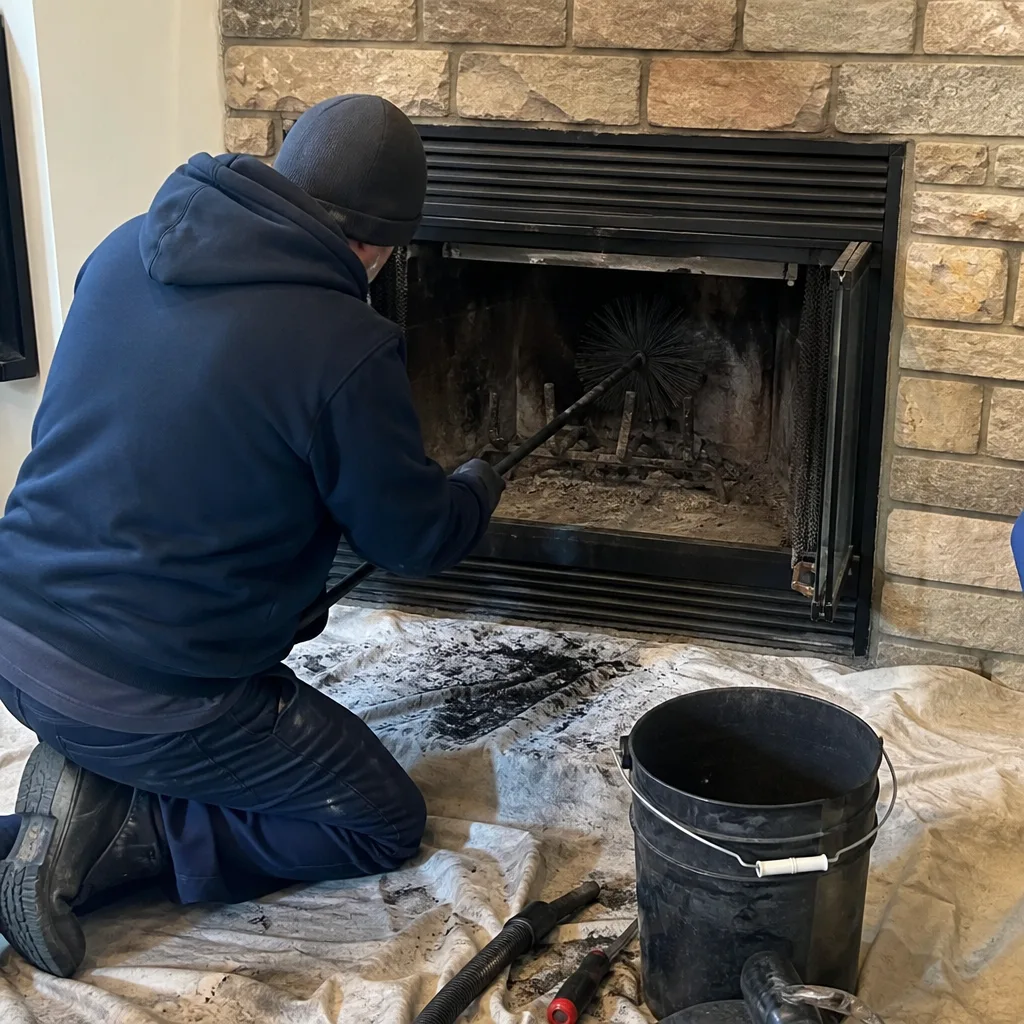
- You smell something acrid or smoky even when the fireplace is cold. That odor – especially in summer when humidity is high – is creosote off-gassing. It’s a reliable sign the buildup is past the flaky stage.
- Smoke is pulling back into the room instead of drafting up. Heavy deposits narrow the flue opening and disrupt airflow. In Newark’s taller Victorian chimneys, partial blockages cause erratic draft that pushes smoke into living spaces.
- Your last sweep was more than a year ago and you burned regularly this past winter. The NFPA 211 standard recommends annual inspection and cleaning for any chimney in active use – and most Newark homes we visit that skipped a season are already showing Class II deposits.
- You’ve had a chimney fire, even a small one. Small chimney fires – sometimes nothing more than a loud crack and a brief roar – can partially ignite creosote without you knowing it happened. That burned residue becomes a rougher surface that accumulates new deposits faster.
- You’re buying or selling a home in Newark. A Level 2 camera inspection is standard in real estate transactions, and an unphotographed, uncleaned flue is a common flag that delays closings. We document everything in writing, which satisfies most attorney and lender requirements.
- You burn green wood, pine, or fire-starters frequently. Resinous and wet wood are the fastest route to Class II and III deposits. If that’s been your fuel source in the Vailsburg or North Ironbound home you bought in the last few years, the flue almost certainly needs more than a standard sweep.
BeforeAfterOur Creosote Removal Process
-
Camera-Scan Inspection Before Anything Else
We run a camera down the full length of the flue – from the firebox up through the smoke chamber and liner to the crown – before we touch a tool. That footage shows us the creosote class, any liner damage, and whether there’s a blockage. You see exactly what we see. This is NFPA 211 Level 2 documentation and it’s the basis for every written price we quote.
-
Written Price, Written Scope, Written Warranty – Before Work Starts
Once the inspection is complete, we hand you a written quote that names the creosote class found, the method we’ll use to remove it, the materials involved, and the final price. No revisions once work begins unless you authorize them. Haven Standard Clause 1: have it in writing before anyone picks up a brush.
-
Class-Matched Cleaning Method
Class I deposits come out with standard brushes and a HEPA-filtered vacuum – typically a 45-to-60-minute process. Class II requires a rotary power cleaning system that can break up the harder tar layer without damaging the liner. For Class III, we apply a chemical softening agent first (Copperfield’s creosote treatment is our go-to for glazed deposits), allow adequate dwell time, then follow with mechanical cleaning. We don’t skip the chemistry to save time and call it done.
-
Smoke Chamber and Firebox Check
Creosote doesn’t stop at the flue liner. The smoke chamber – the funnel-shaped section just above the fireplace opening – collects deposits too, and most companies miss it. We inspect and clean that section as part of the same visit because a clean liner with a coated smoke chamber is an incomplete job.
-
Post-Cleaning Camera Pass and Photo Record
When the cleaning is done, the camera goes back in. We document the liner condition after cleaning with the same detail as before. You receive photos and a written record – Haven Standard Clause 4, the practice we’ve maintained on every job since 2009. That record is useful for your insurance carrier, your home sale, or simply knowing the job was actually finished.
-
365-Day Done Right Promise
If any part of the work isn’t right – missed deposits, a liner issue we didn’t flag, anything – we come back and make it right within 365 days, no argument. That’s the full Done Right Promise, and it applies to every creosote removal job we complete in Newark.
Creosote Removal Pricing in Newark
Creosote removal pricing in Newark ranges from $149 to $349 for Class I and Class II deposits. Class III removal, which requires chemical treatment and multiple cleaning passes, runs $299 to $599 depending on flue length, deposit thickness, and liner condition. If liner repair is needed after removal, that’s a separate quote – never bundled in without your authorization.
| Creosote Class | Description | Typical Newark Price Range |
|---|---|---|
| Class I | Dusty, flaky deposits – standard brush removal | $149 – $199 |
| Class II | Tar-like coating – rotary power cleaning required | $199 – $349 |
| Class III | Glazed, hardened deposits – chemical treatment plus mechanical cleaning | $299 – $599 |
| Camera Inspection (Level 2) | NFPA 211 Level 2 camera-scan – included on every visit | Included |
| Post-Cleaning Photo Record | Before-and-after documentation per Haven Standard Clause 4 | Included |
What moves the price in Newark specifically: flue height matters because Newark’s taller Italianate and Queen Anne chimneys in Forest Hill can run 30 to 40 feet, versus a 15-foot flue in a postwar ranch. Liner material matters too – terracotta flue tiles are more common in the older stock, and some have pre-existing cracks that need documenting before cleaning begins so there’s no dispute afterward. And if the last cleaning was more than two seasons ago, there’s almost always more deposit than the homeowner expects.
We offer a Free Second Opinion on any written estimate from another company. Bring us their quote and we’ll tell you whether what they found matches what we see on camera – without charging you for the comparison.
FAQs – Creosote Removal in Newark
Is creosote removal different from a regular chimney sweep?
Yes, they’re related but not the same thing. A standard chimney sweep removes Class I deposits – the loose, sooty material that accumulates during normal use. Creosote removal specifically addresses Class II and Class III deposits that have hardened into a tar-like or glazed coating that brushes alone can’t clear. Most Newark homeowners who burn wood regularly will need Chimney Cleaning & Sweep services annually, but they’ll need targeted creosote removal every few years or sooner if they burn resinous wood or have a cold-running flue. We determine the right service during the camera inspection – you’ll see the footage and the written price before we do anything. Call (862) 245-4309 for a free estimate.
How much does creosote removal cost in Newark?
Creosote removal in Newark runs $149 to $199 for Class I (standard sweep), $199 to $349 for Class II (rotary power cleaning), and $299 to $599 for Class III (chemical treatment plus mechanical cleaning). The camera inspection and the post-cleaning photo record are included in every visit under the Haven Standard – not added on as extras. We put the price in writing before work starts, every time. Call (862) 245-4309 and we’ll give you a free estimate after the camera tells us what class we’re dealing with.
Can a chimney fire happen in Newark’s older brick chimneys even with regular sweeping?
It can, and it’s more likely in Newark’s older construction than homeowners realize. Pre-war brick flues in neighborhoods like the Ironbound and Clinton Hill often have terracotta liners with hairline cracks that go undetected without a camera. Those cracks allow heat from burning creosote to reach the surrounding masonry and, in older homes, combustible framing. A small chimney fire may not be dramatic – sometimes it’s a popping sound and a brief increase in draft – but the deposit it leaves behind accelerates future accumulation. We flag crack patterns in the camera footage, describe exactly what we found, and document it in writing. That record matters if you ever need to make a claim. Call (862) 245-4309 for a Level 2 inspection.
Do you offer same-day creosote removal in Newark?
For Class I and many Class II jobs, yes – we can often inspect and clean in the same visit, same day, depending on our current schedule. Class III removal that requires chemical treatment typically needs a follow-up visit because the softening agent needs time to work before mechanical cleaning can finish the job. We’ll tell you which category you’re in during the inspection and give you a realistic timeline before you decide anything. Live scheduling is available 24 hours a day at (862) 245-4309.
Key Takeaways
- Creosote removal in Newark runs $149 to $599 depending on the deposit class – Class I through Class III require different methods and tools.
- Newark’s older row homes and tight flues in pre-war construction accelerate deposit buildup; annual inspection catches problems before they reach Class III.
- Every Level Two Chimney Newark visit includes a camera-scan inspection (NFPA 211 Level 2) and a documented photo record – both included, not add-ons.
- Written price before work starts, every job, no exceptions. Haven Standard Clause 1.
- The 365-Day Done Right Promise backs every creosote removal job we complete.
- Free Second Opinion available on any written estimate from another company.
Schedule Your Creosote Inspection in Newark
If your fireplace has been working hard this past season – or if you’ve never had the flue camera-scanned since you bought the house – this is the right time to find out what’s in there. Level Two Chimney Newark has documented more than 38,000 chimney inspections and cleanings since 2009, every one with a written price before work started and a photo record when it was done. Corrine Halstead and our team serve homeowners across Newark, from the Ironbound to Forest Hill to the North Ward, and we answer the phone around the clock.
Call (862) 245-4309 to schedule a free estimate. A live person will pick up – not a voicemail, not a form. You’ll have a written price and a camera record of what’s actually in your flue before we ask you to commit to anything.
This page is part of our broader home service information for Newark area homeowners researching chimney care.
Written by Corrine Halstead, Owner at Level Two Chimney Newark, serving Newark.