
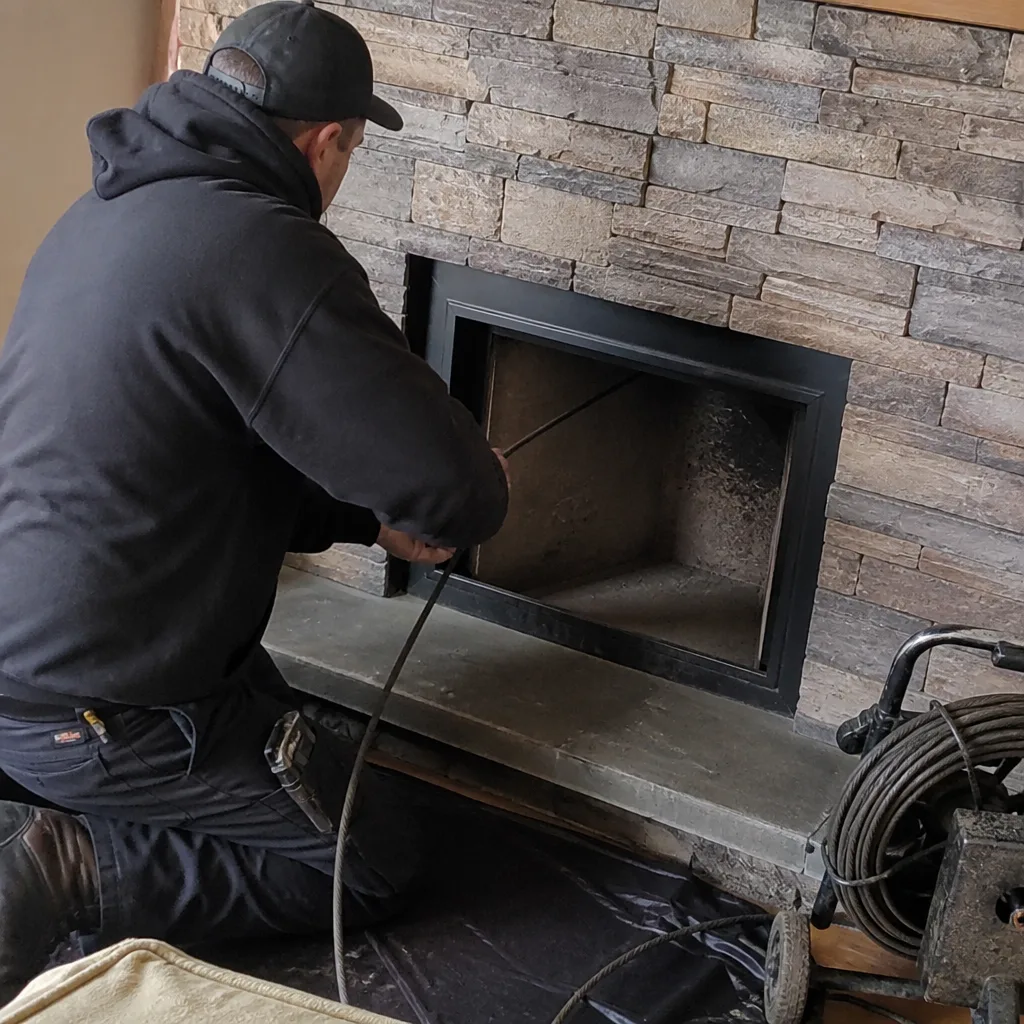
Level 1 sweep and inspection to the NFPA 211 annual standard - flue, crown, cap, and flashing checked and photographed
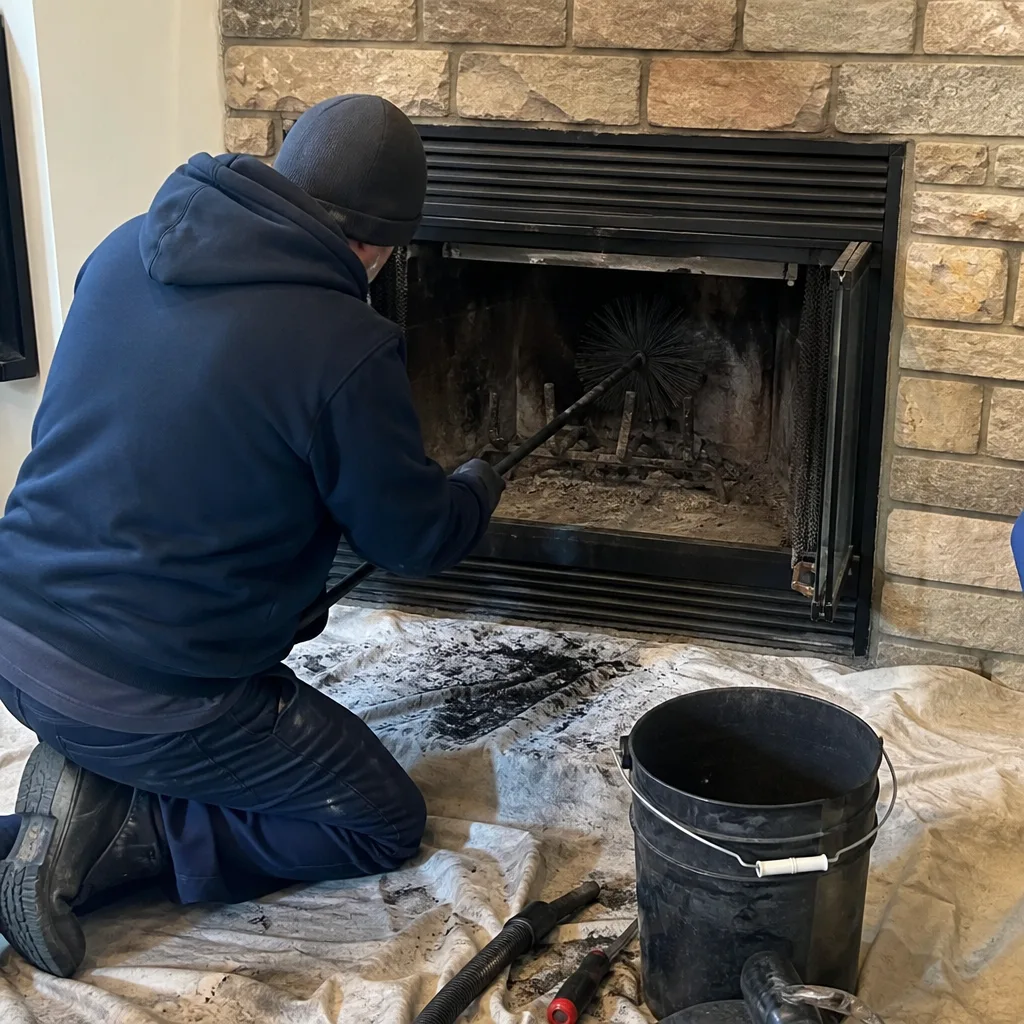
Chimney sweep logs do not sweep chimneys. They loosen some creosote - which then falls where a brush and vacuum still have to collect it.
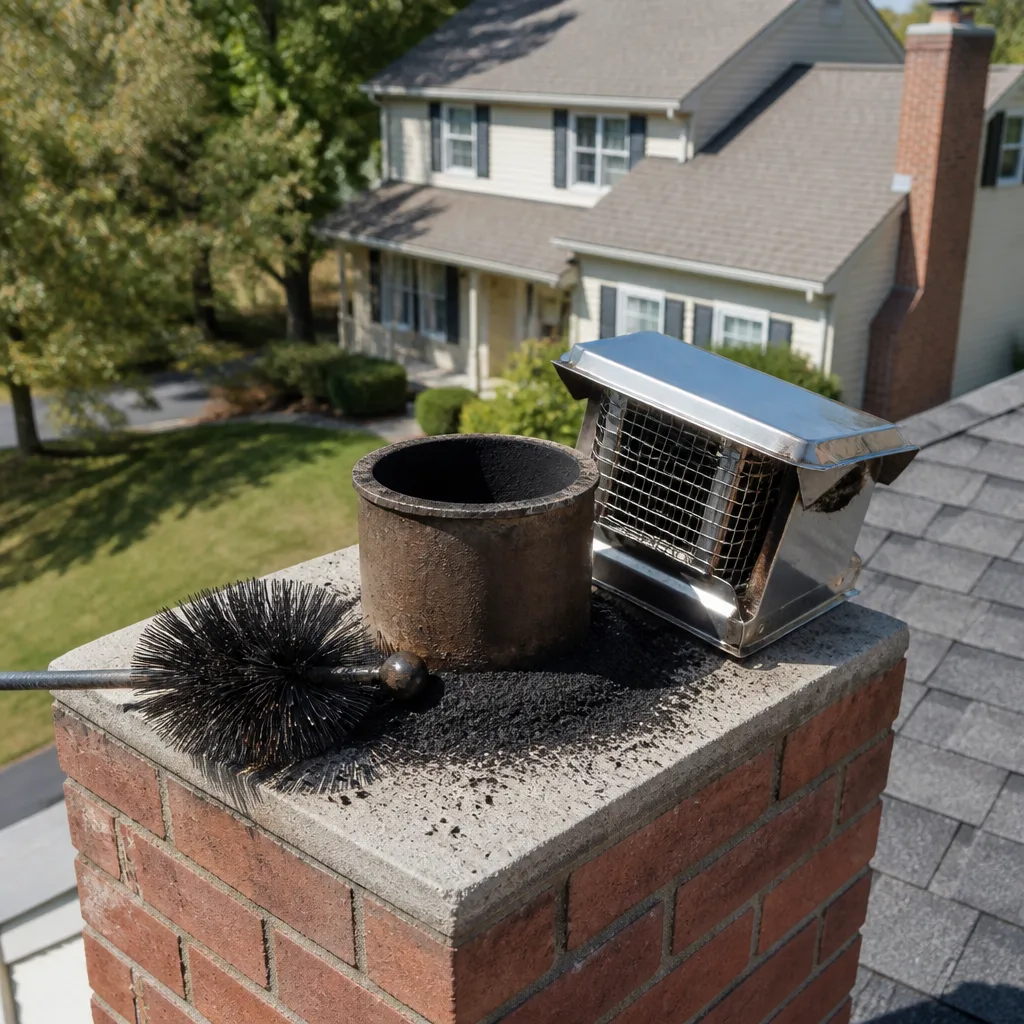
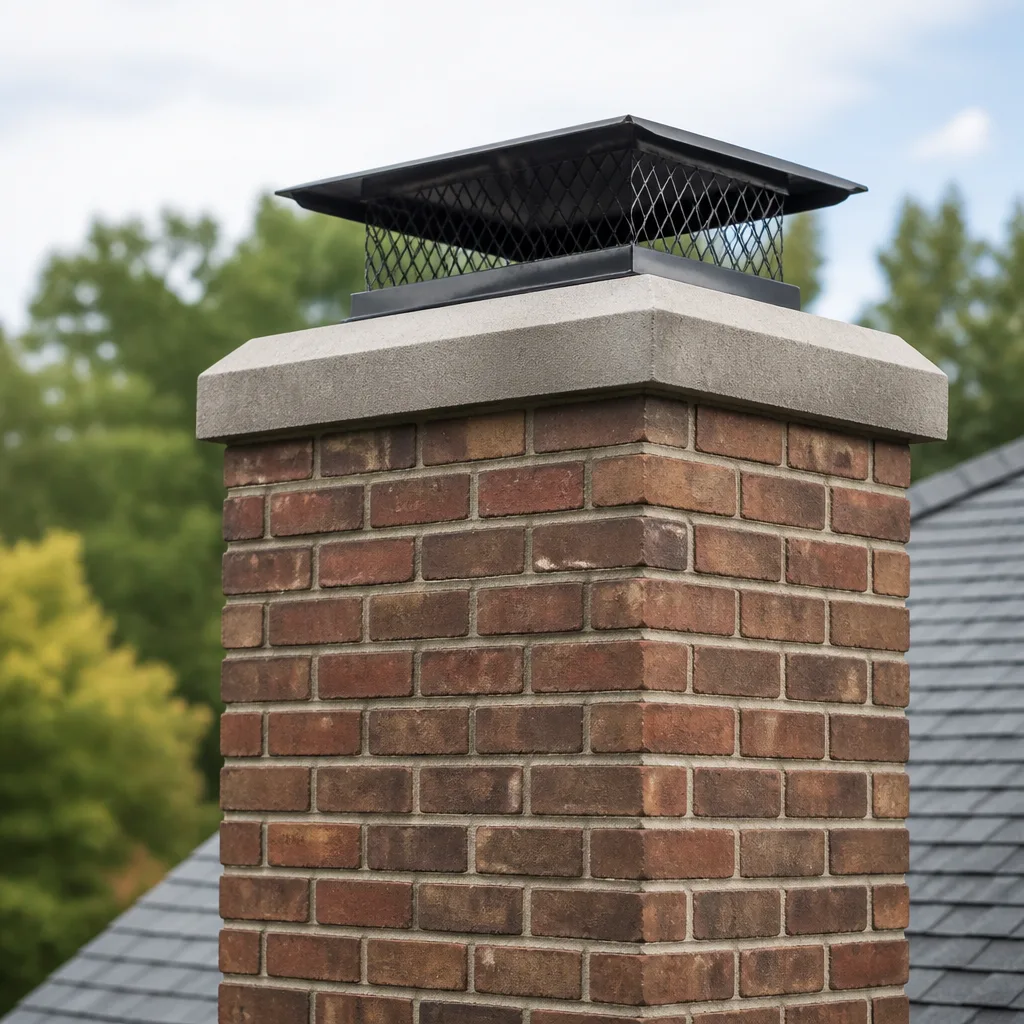
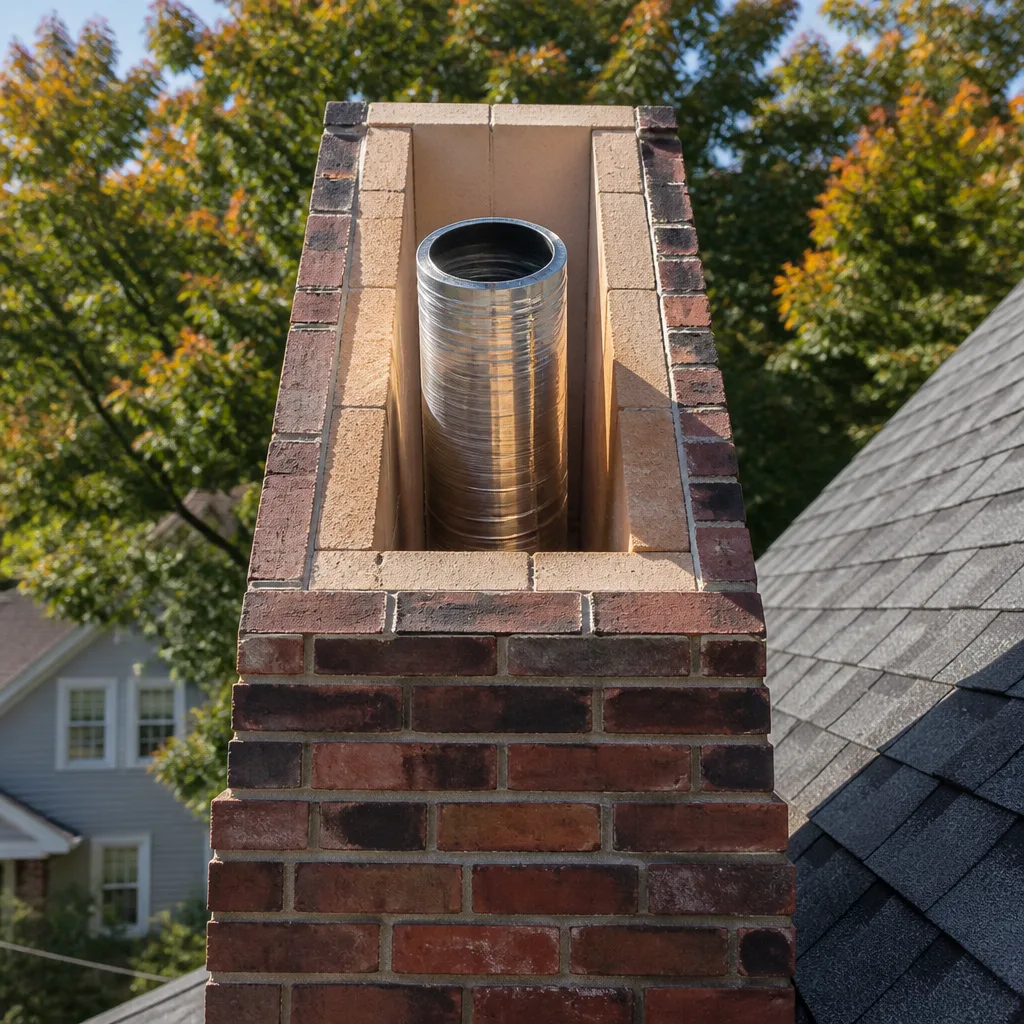
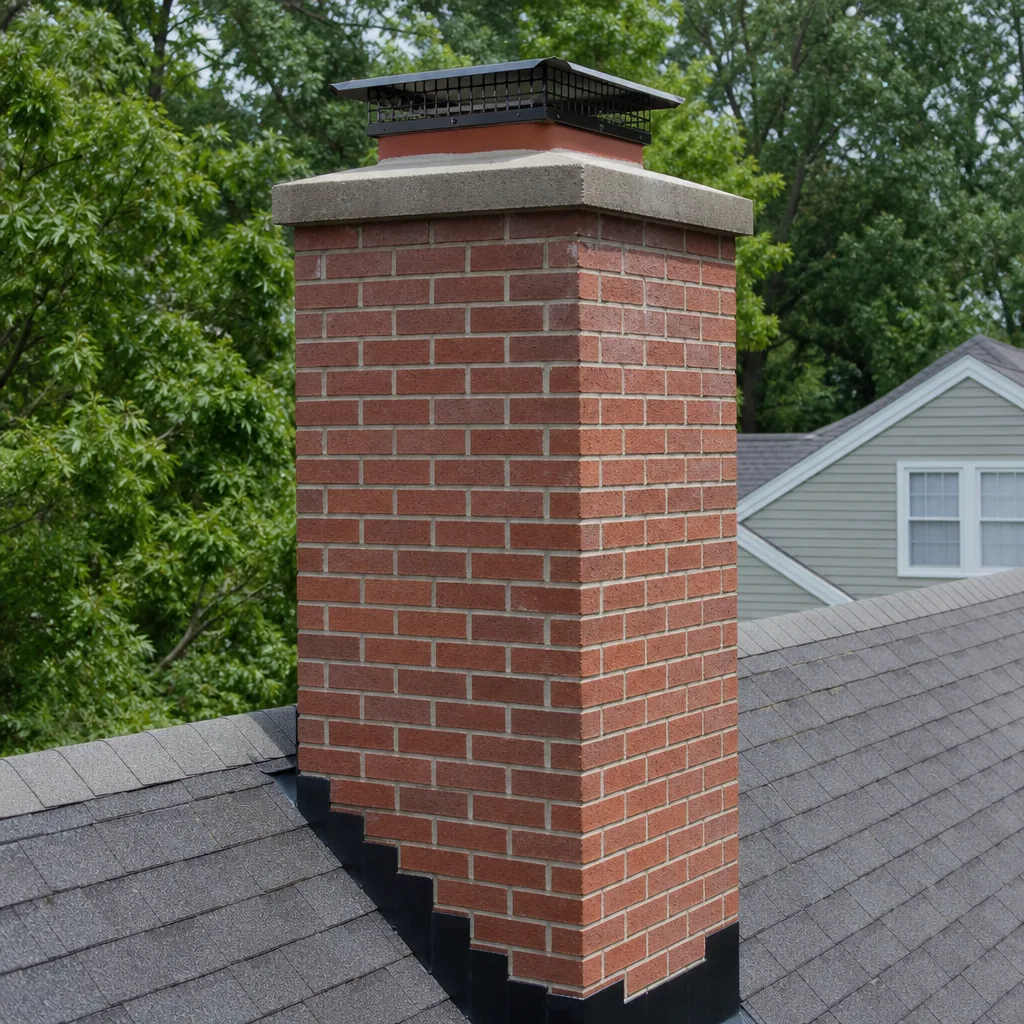
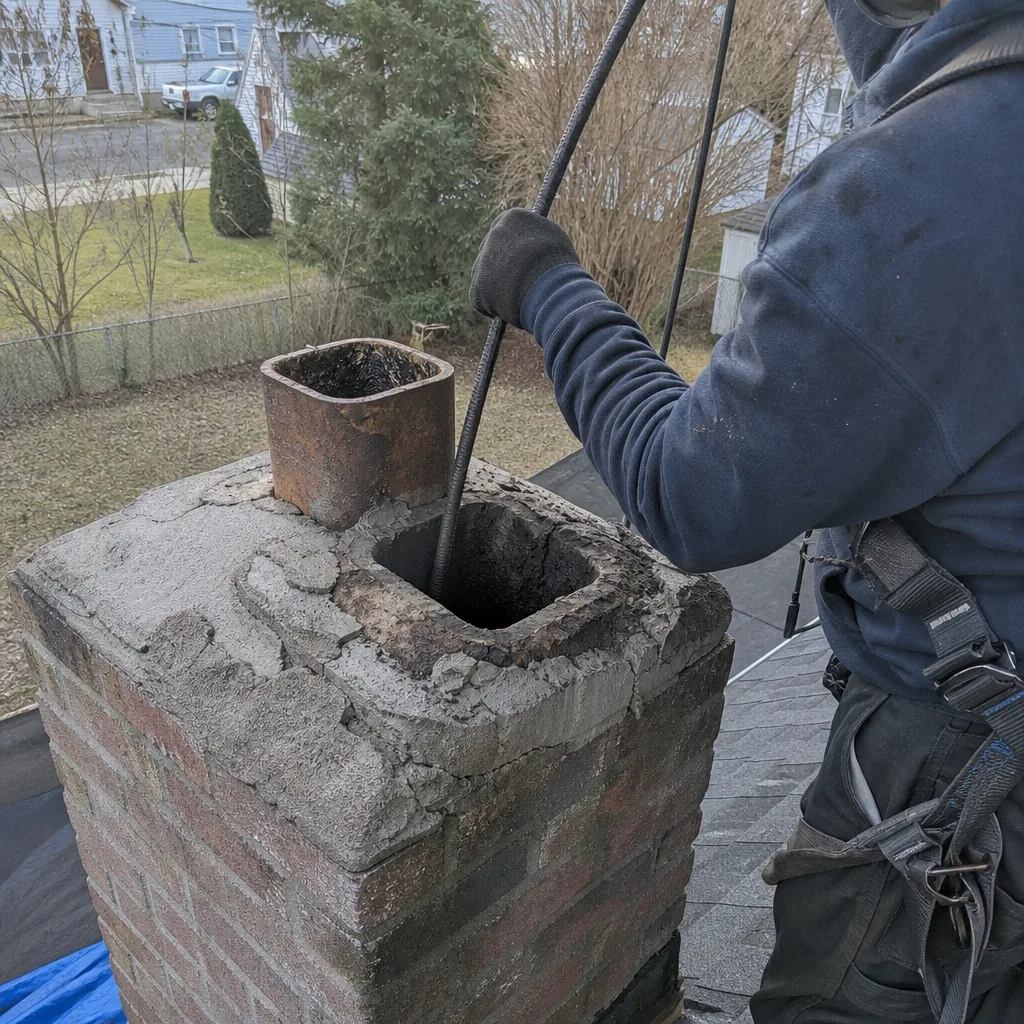 Before
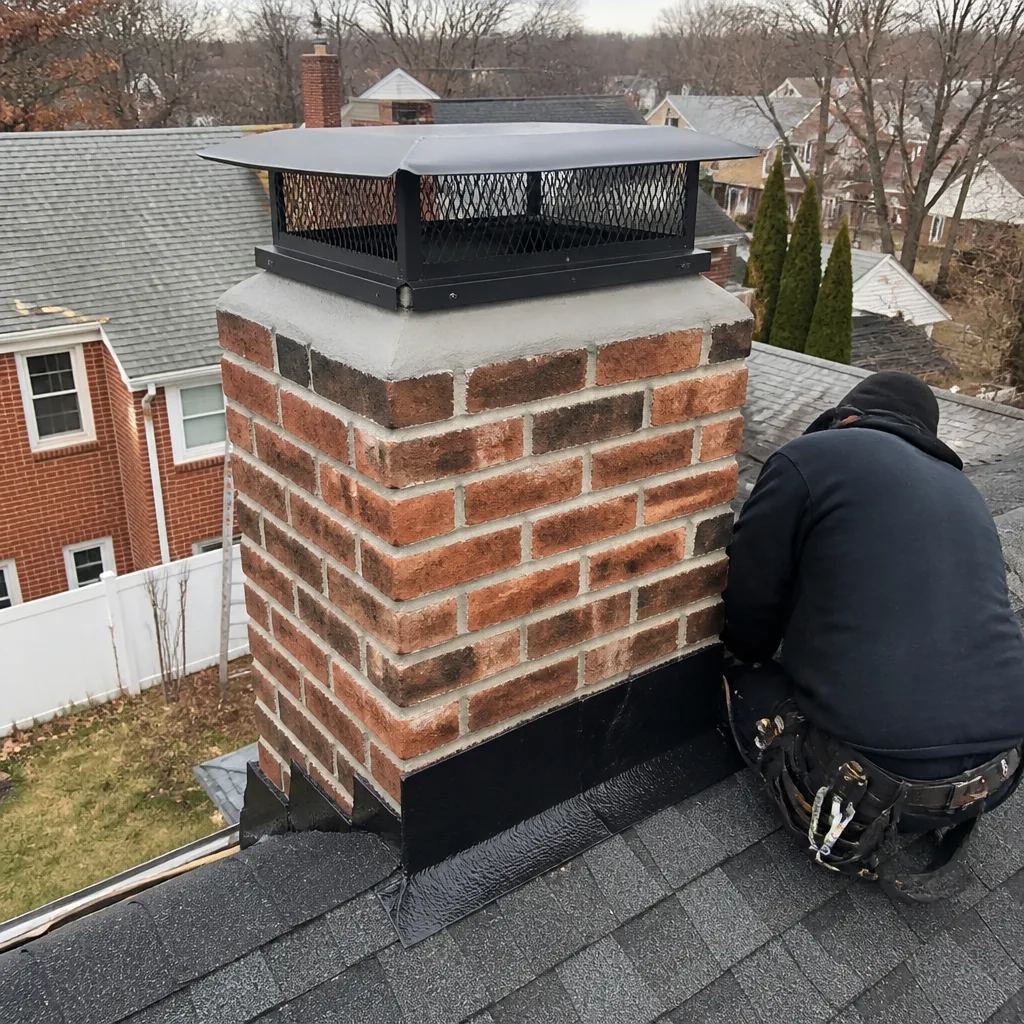 After
After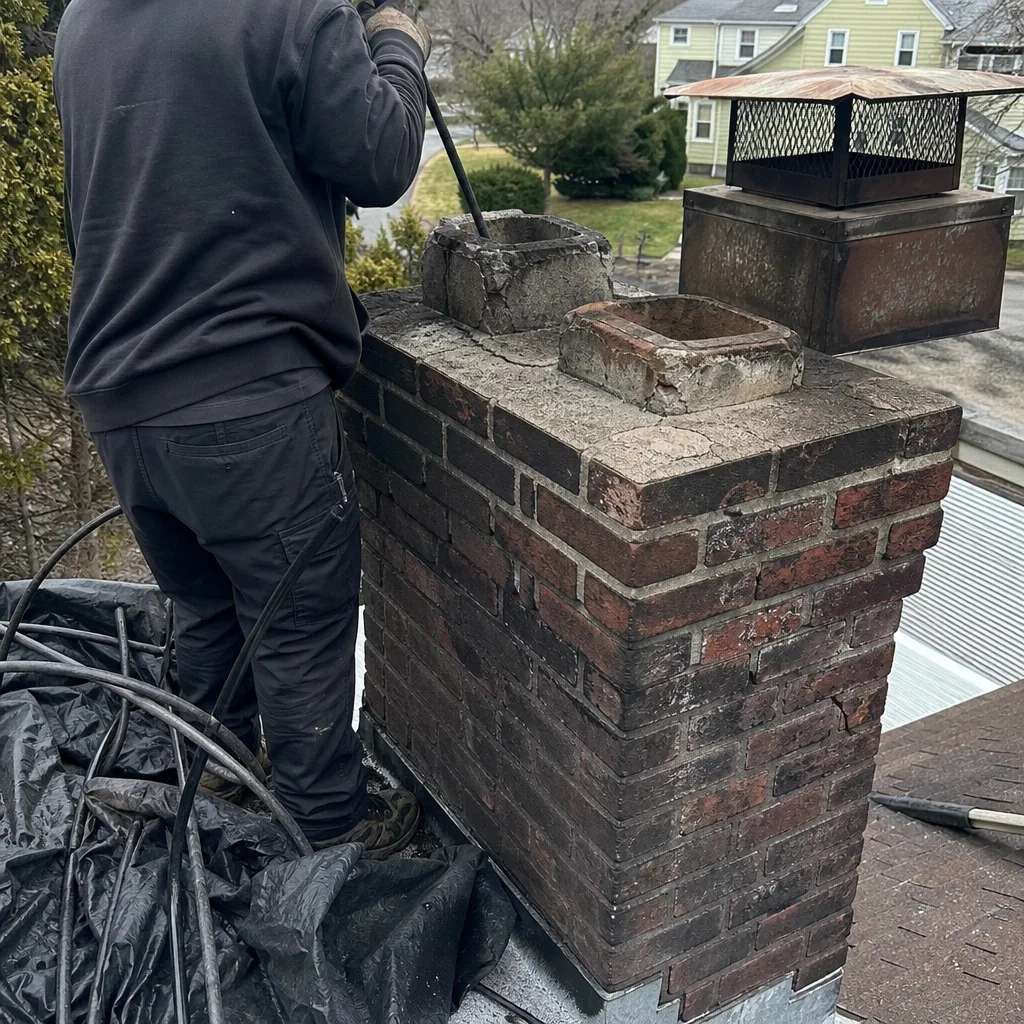 Before
 After
After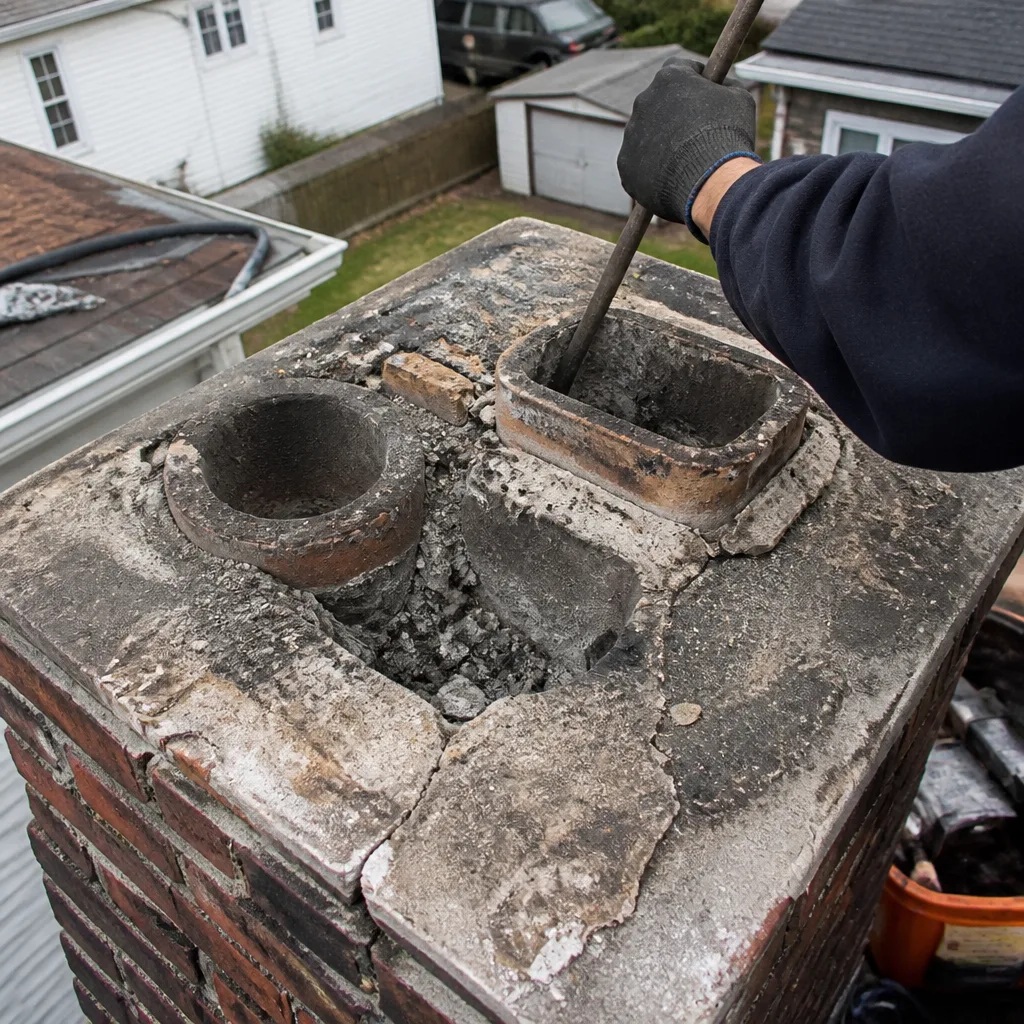 Before
 After
AfterSpalling Brick Repair in Newark, NJ
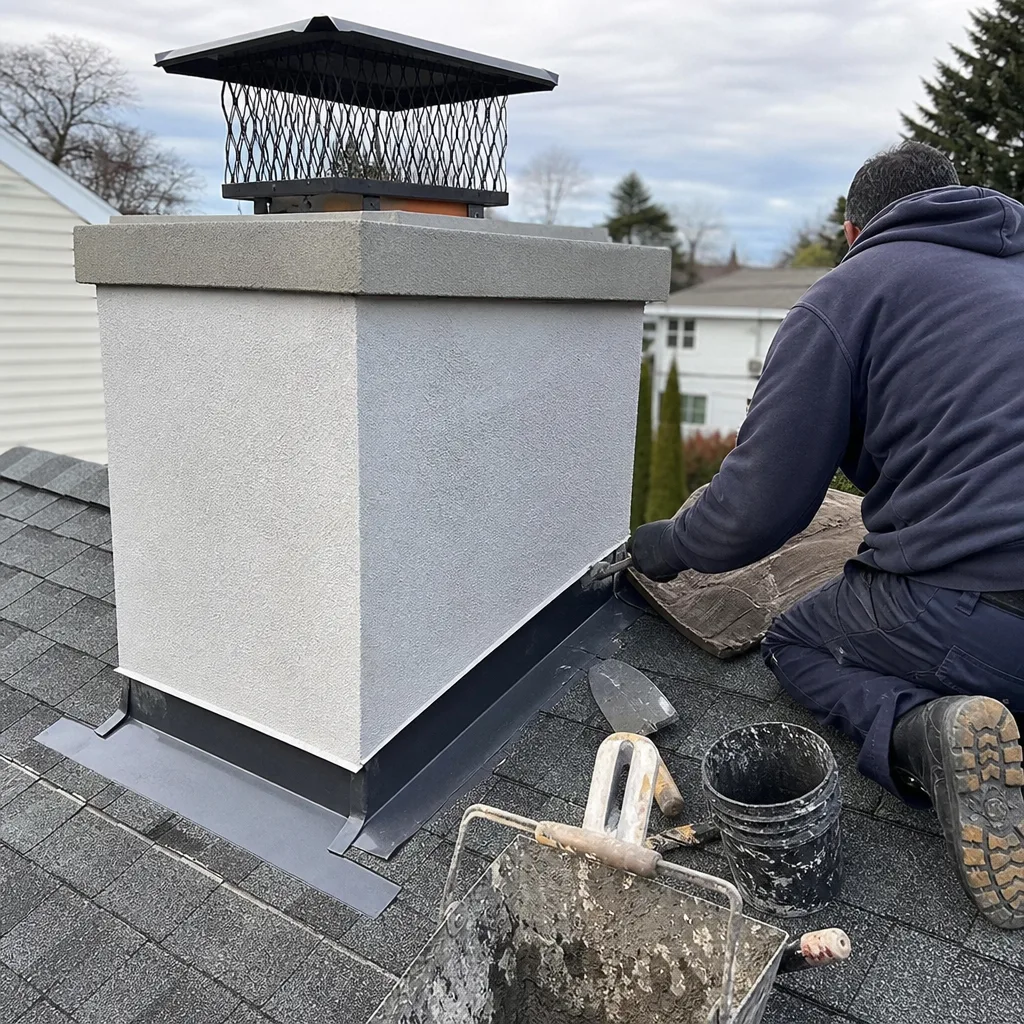
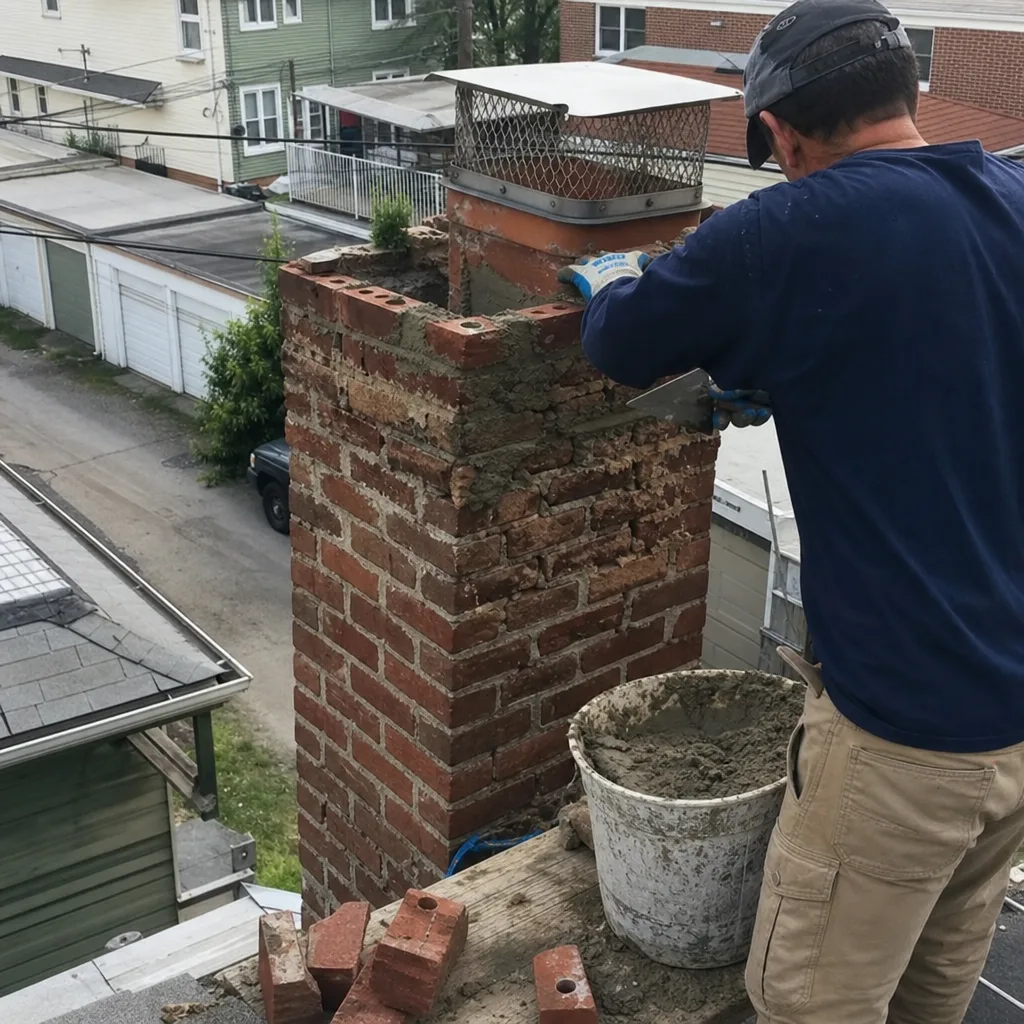
Spalling brick on a Newark chimney means the face of the brick is cracking, chipping, or flaking away – typically because freeze-thaw cycles have driven water deep into the masonry and the expanding ice has fractured the surface from the inside out. Left alone, it accelerates: one winter’s worth of spalling becomes structural compromise in three or four. The fix is targeted Mortar Repointing, surface consolidation, or – where brick units have failed past the point of salvage – selective replacement, and the right answer depends entirely on how far the damage has gone.
At Level Two Chimney Newark, we’ve been diagnosing spalling on chimneys throughout Newark since 2009, and our approach starts the same way every time: a camera-scan inspection to the NFPA 211 Level 2 standard, a written price before anyone picks up a tuck-point chisel, and a documented photo record when the job is done. That sequence isn’t optional – it’s Clause 1 and Clause 4 of the Haven Standard, built into every job we take on. If you’d rather talk through what you’re seeing right now, call us at (862) 245-4309 – a live person picks up, day or night.
Spalling brick repair falls under our broader Chimney Repair in Newark service, which covers everything from minor mortar joint failures to full crown reconstruction and liner replacement.
When You Need Spalling Brick Repair
- Brick faces are flaking or popping off in layers. This is classic freeze-thaw spalling. Newark averages around 30 freeze-thaw cycles per winter, and older clay brick – common in the Forest Hill and Ironbound neighborhoods – absorbs water readily when the mortar joints have softened or the crown has cracked.
- You’re finding brick chips or chunks around the base of your chimney after winter. Material at the base means material is no longer on the stack. Even a handful of fragments per season signals that the face of the chimney is actively deteriorating.
- Mortar joints have recessed, gone powdery, or disappeared in sections. When mortar fails first, water gets direct access to the brick faces behind it. Repointing the joint stops the moisture path before the brick itself starts to go – but only if it’s caught early enough.
- White staining (efflorescence) is streaking down the chimney exterior. Efflorescence – that chalky white residue – is dissolved mineral salt carried out of the masonry by water moving through it. It’s not structural damage by itself, but it’s a reliable sign that water is working through your brick and mortar, which is the same mechanism driving spalling.
- Visible cracks running through brick units, not just the mortar lines. Cracks through the body of the brick itself usually indicate either prolonged freeze-thaw stress or settlement movement. These units need replacement, not repointing, and the extent of cracking determines how many courses are involved.
- The chimney was built before 1970 and hasn’t been inspected since you bought the house. A large portion of Newark’s residential chimneys were constructed with older brick formulations and lime-based mortars that have long exceeded their design life. If you purchased your home between 2015 and 2025 and haven’t had a camera-scan inspection, there’s a reasonable chance spalling is already underway where you can’t see it from the ground.
Our Spalling Brick Repair Process
- Camera-scan inspection and written assessment. Before we quote anything, we put a camera down the flue and photograph the full exterior face of the chimney. This gives us a documented baseline – liner condition, crown integrity, mortar joint depth, and the extent of brick face loss – rather than an eyeball estimate from a ladder. You get the photos. We don’t write a price until we’ve seen what’s actually there.
- Written price, written scope, written warranty – delivered before work starts. Under Haven Standard Clause 1, the quote you receive names the exact work being done, the materials being used, the price in dollars, and the warranty terms. There are no add-ons discovered mid-job. You decide whether to proceed with full information in hand.
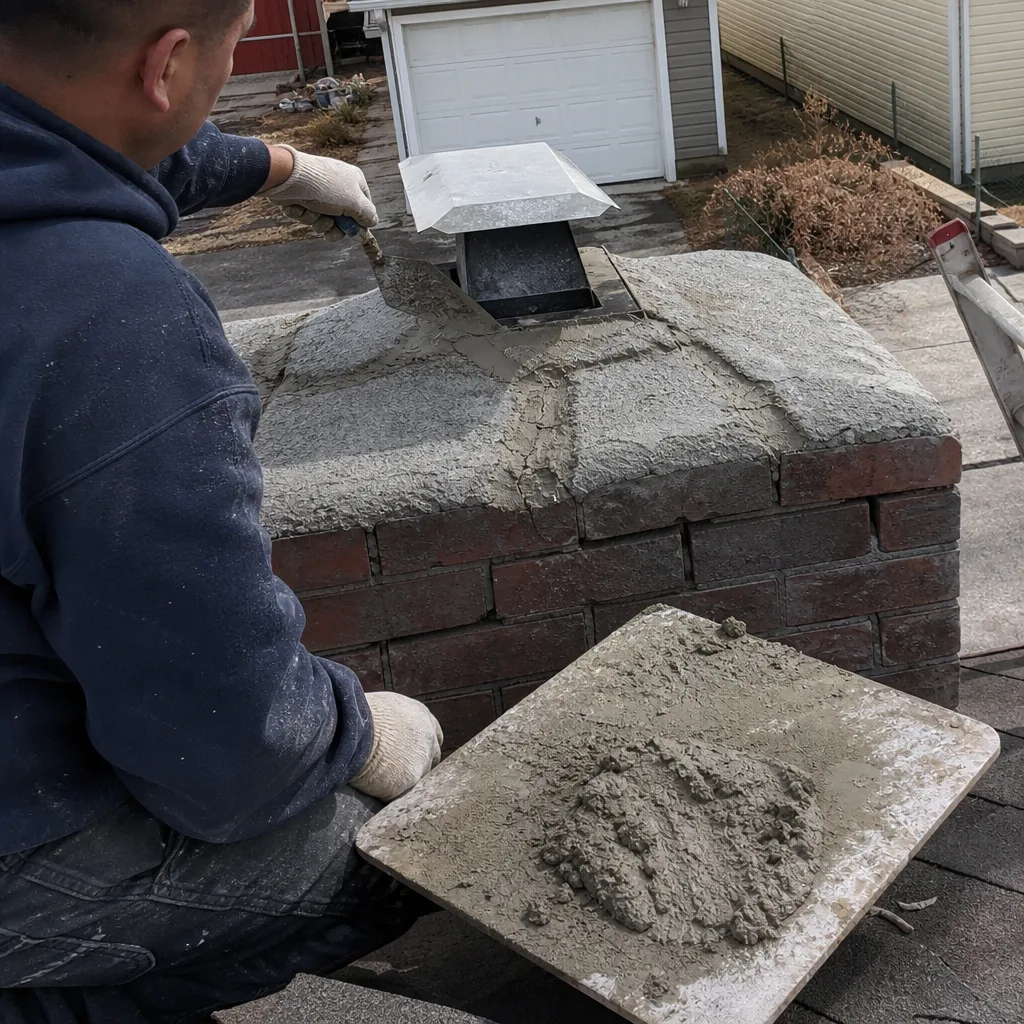
- Remove all unsound material. Loose, flaking, or cracked brick faces and failed mortar are removed by hand and with appropriate mechanical tools. We don’t skim over spalled surfaces or try to bond new mortar to compromised brick – that fails within a season. The substrate has to be clean and structurally sound before anything goes back on.
- Repointing or brick replacement, matched to what’s there. For mortar joint failure, we repoint with a mortar mix formulated to match the hardness and porosity of your existing brick – critical on older Newark masonry where a modern Portland-heavy mix would actually trap moisture and accelerate damage. Where brick units have fractured through the body, we replace them with units matched for size, texture, and color as closely as the supply chain allows. We source materials through Haven’s buying network, which includes suppliers like Copperfield and Famco, specifically to keep pricing consistent.
- Crown inspection and waterproof sealer application. Spalling rarely happens in isolation – it usually starts because the chimney crown or cap has failed and let water in from the top. We check the crown condition as part of every spalling repair and apply a breathable masonry waterproof sealer to the repaired surfaces. A sealer that traps vapor is worse than none at all on older brick; the product we use allows the masonry to breathe while blocking liquid water penetration.
- Documented photo record on completion. Clause 4 of the Haven Standard requires a photo record on every job – not as an optional add-on, but as the standard close of any visit. You walk away with before-and-after documentation of exactly what was found and what was done, which matters for insurance purposes and for any future buyer’s inspection.
BeforeAfterSpalling Brick Repair Pricing in Newark
Spalling brick repair in Newark typically runs between $350 and $2,800, depending on how many courses of brick are affected, whether the repair is repointing only or includes brick replacement, and how accessible the chimney face is from the roofline. See How Much Does Chimney Repair Cost? (2026 Price Guide) - Newark, NJ for full pricing details. Here’s how the work breaks down in practice:
| Repair Type | Typical Newark Range |
|---|---|
| Repointing (mortar joints only, limited area) | $350 – $650 |
| Repointing (full chimney face, 1-2 sides) | $650 – $1,200 |
| Selective brick replacement (up to 10 units) | $700 – $1,400 |
| Selective brick replacement (10-30 units) | $1,200 – $2,200 |
| Extensive spalling with crown repair included | $1,800 – $2,800+ |
| Camera-scan inspection (credited toward repair) | Included on every visit |
A few factors specific to Newark that affect where your job lands in these ranges:
- Chimney height and roofline pitch. Steeper roofs in older Newark neighborhoods – particularly in the North Ironbound and Vailsburg sections – mean more setup time and staging. This is reflected in the labor component of the quote, not added on afterward.
- Brick age and type. Pre-1950 soft brick absorbs mortar differently than modern units and requires a lime-heavy repointing mix rather than standard Portland mortar. The material cost is similar; the labor is more deliberate.
- Extent of secondary damage. If spalling has been active for several seasons without repair, the flue liner or chimney crown may also need attention. We’ll document both in the initial inspection and quote them as separate line items so you can see exactly what you’re approving.
The written price you receive before any work starts is the price you pay. No exceptions, no discovery charges. If you have a written estimate from another contractor, we’ll give you a free second opinion on it – no obligation, no pressure to book with us.
FAQs – Spalling Brick Repair
What causes brick spalling on Newark chimneys specifically?
Freeze-thaw cycling is the primary driver. Newark averages around 30 freeze-thaw cycles most winters, and clay brick – the predominant type in Newark’s older residential stock – is particularly susceptible when the mortar joints have aged past their useful life and water can reach the face of the brick directly. Once water gets in, it expands roughly 9% when it freezes, and that pressure fractures the brick face from the inside. Chimneys in lower-lying parts of Newark near the Passaic River also deal with higher ambient humidity, which keeps the masonry wetter for longer between freeze events, compounding the problem. Call us at (862) 245-4309 if you’re seeing early signs – a camera-scan inspection will tell you exactly how far it’s gone.
Can I paint or seal over spalling brick instead of repairing it?
No – and doing so typically makes the damage worse. Painting or applying a vapor-blocking sealer over actively spalling brick traps moisture inside the masonry, which accelerates freeze-thaw fracturing rather than stopping it. The only effective approach is to remove the failed material, address whatever moisture entry point started the problem (usually the crown, cap, or mortar joints), and apply a breathable masonry sealer to the repaired surface. A product that blocks liquid water from outside while still allowing vapor to exit from inside is the correct specification for Newark’s climate. We’ll document exactly what we apply and why in your written scope under Haven Standard Clause 1.
How long does spalling brick repair last?
A properly executed repointing or brick replacement on a Newark chimney, with a functioning crown and a breathable sealer applied, realistically gives you 15 to 25 years before the same area needs attention again – assuming the chimney cap is maintained and the crown isn’t allowed to crack open again. The work we do comes with the 365-Day Done Right Promise: if something we repaired fails within a year, we make it right. Beyond that, annual camera-scan inspections catch early mortar joint recessing before it reaches the brick face again, which is the most cost-effective way to protect the repair long-term.
Is spalling brick just a cosmetic problem, or does it affect the chimney’s function?
It starts cosmetic but becomes structural faster than most homeowners expect. Once brick faces begin flaking, the structural integrity of the chimney stack is actively reducing each season. On a Newark rowhome or two-family, that’s a stack that may be partially load-bearing or shared with an adjacent unit. Beyond structure, advanced spalling on the interior of the firebox or smoke chamber – which is common when exterior spalling has been present for several years and gone unaddressed – exposes combustible framing to heat and gases. That’s a fire safety issue, not an aesthetic one. If you’ve noticed spalling for more than one season, a Level 2 camera inspection is the right first step, not a patch-and-paint approach.
Key Takeaways
- Spalling on a Newark chimney is almost always a moisture-and-freeze problem; the visible damage understates how far water has traveled into the masonry.
- Repair costs run $350 to $2,800+ depending on extent, with every quote delivered in writing before work starts – no exceptions.
- Painting or vapor-sealing over active spalling accelerates the damage; only breathable masonry sealers are appropriate after proper repair.
- Every visit includes a camera-scan inspection and a documented photo record, so you know exactly what was found and what was done.
- The 365-Day Done Right Promise covers every job; if the repair isn’t right within the first year, we fix it.
- We offer a free second opinion on any written estimate from another contractor – bring it to us and we’ll tell you what we see.
Schedule Your Spalling Brick Inspection in Newark
If you’re seeing flaking brick, receding mortar joints, or white staining on your chimney exterior, the right call is a camera-scan inspection before another freeze season hits. Level Two Chimney Newark has worked through more than 38,000 chimneys since 2009, and every job – from a single repointing visit to a multi-course brick replacement – starts the same way: we show you what we found, we put the price in writing, and we don’t start until you’ve signed off on both. Explore our Chimney Repair services to learn more.
Corrine Halstead and the Level Two team serve Newark and the surrounding area. Call (862) 245-4309 any time – live answer, 24 hours a day, 7 days a week. Or visit our home page to learn more about how we work. Written price before any work starts. Documented photo record when it’s done. That’s the standard on every job.
Written by Corrine Halstead, Owner at Level Two Chimney Newark, serving Newark.