
Last updated September 20, 2026
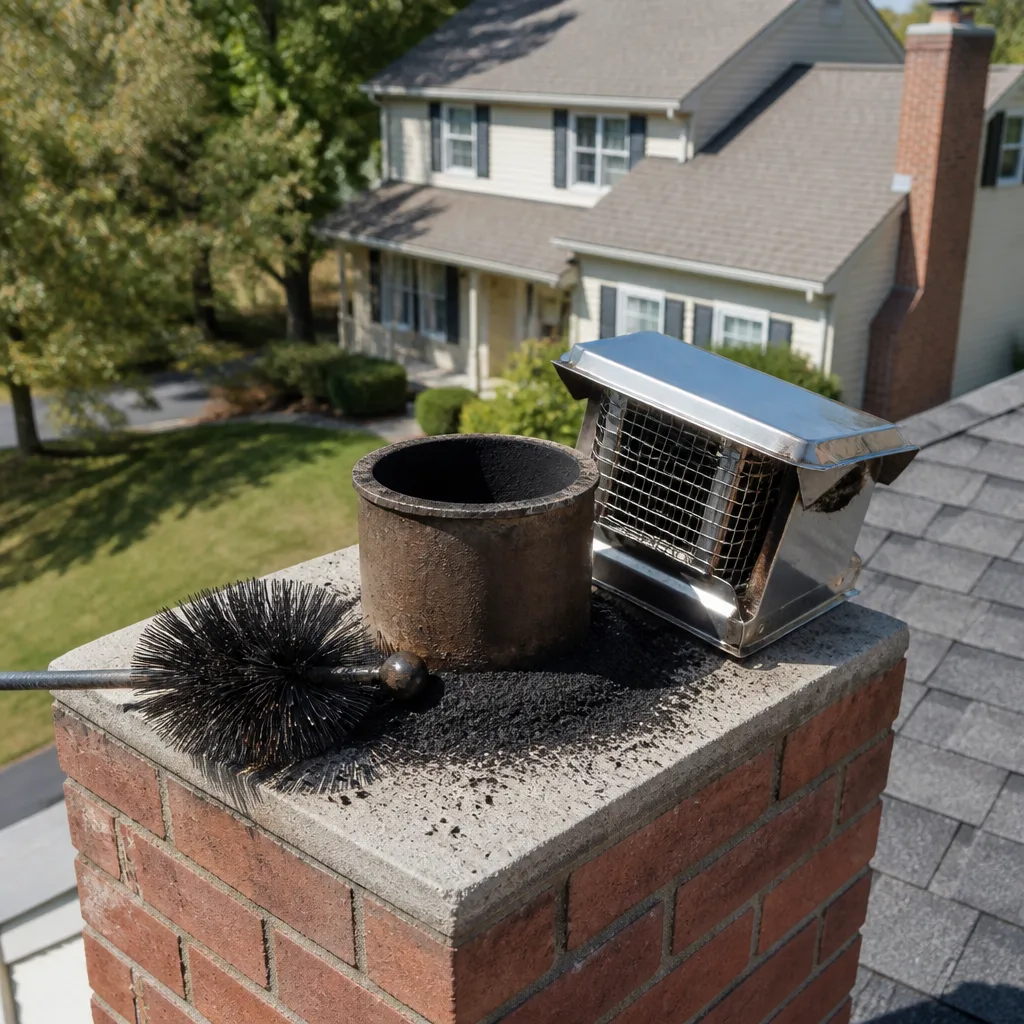
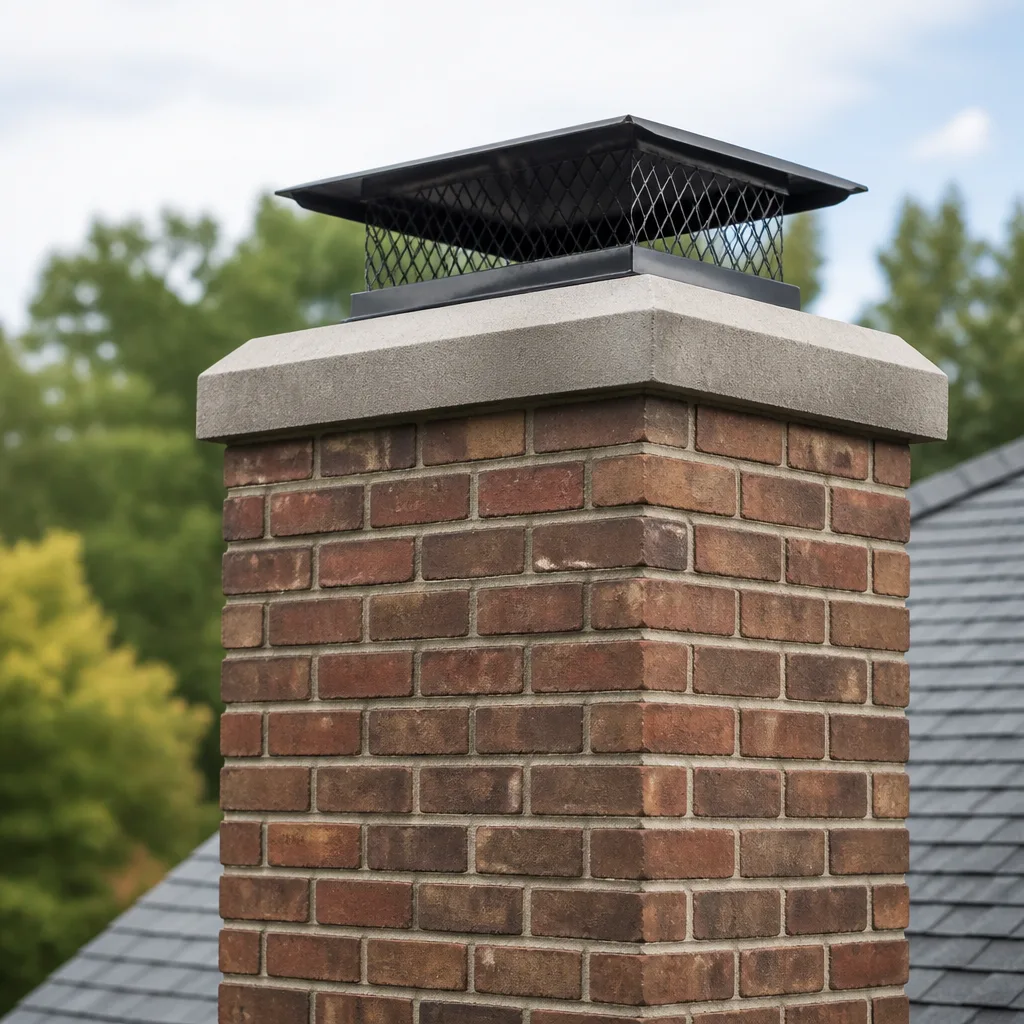
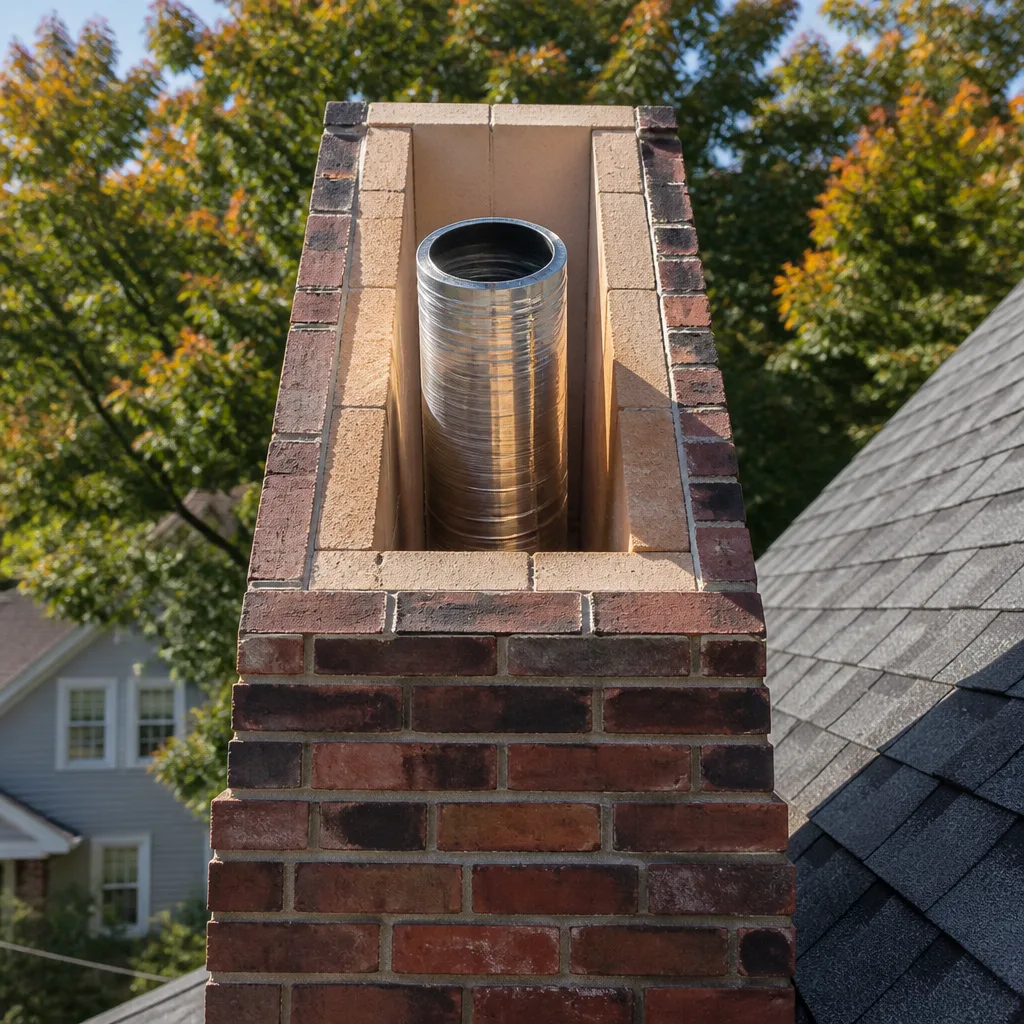
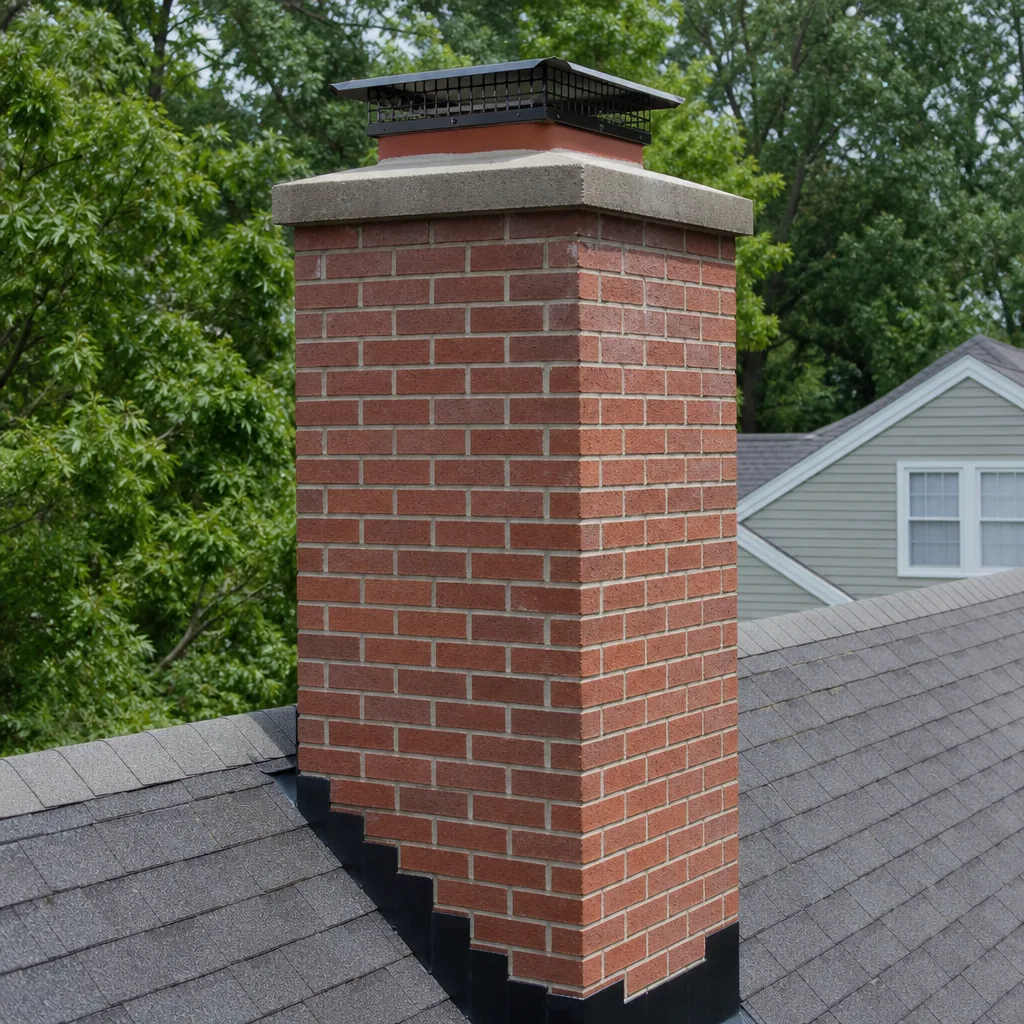
Level 1 sweep and inspection to the NFPA 211 annual standard - flue, crown, cap, and flashing checked and photographed
Chimney sweep logs do not sweep chimneys. They loosen some creosote - which then falls where a brush and vacuum still have to collect it.
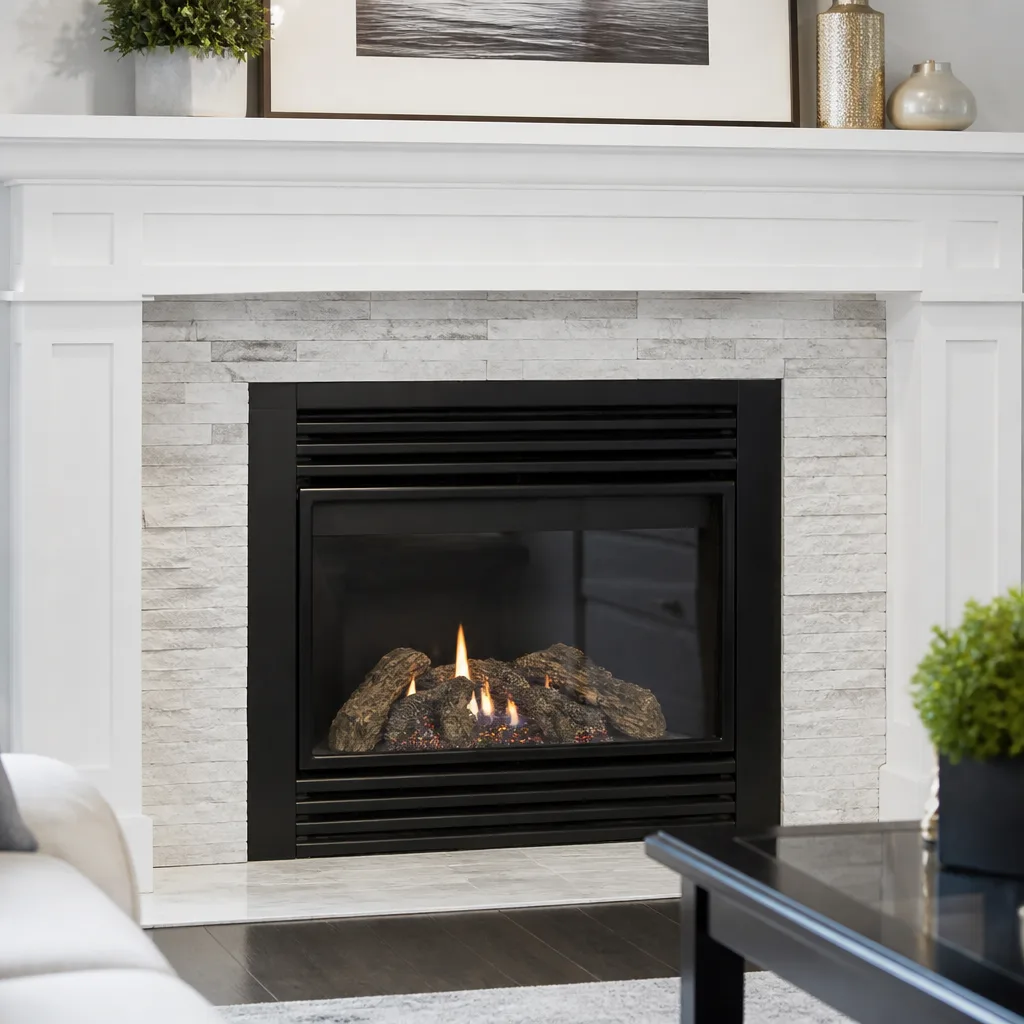
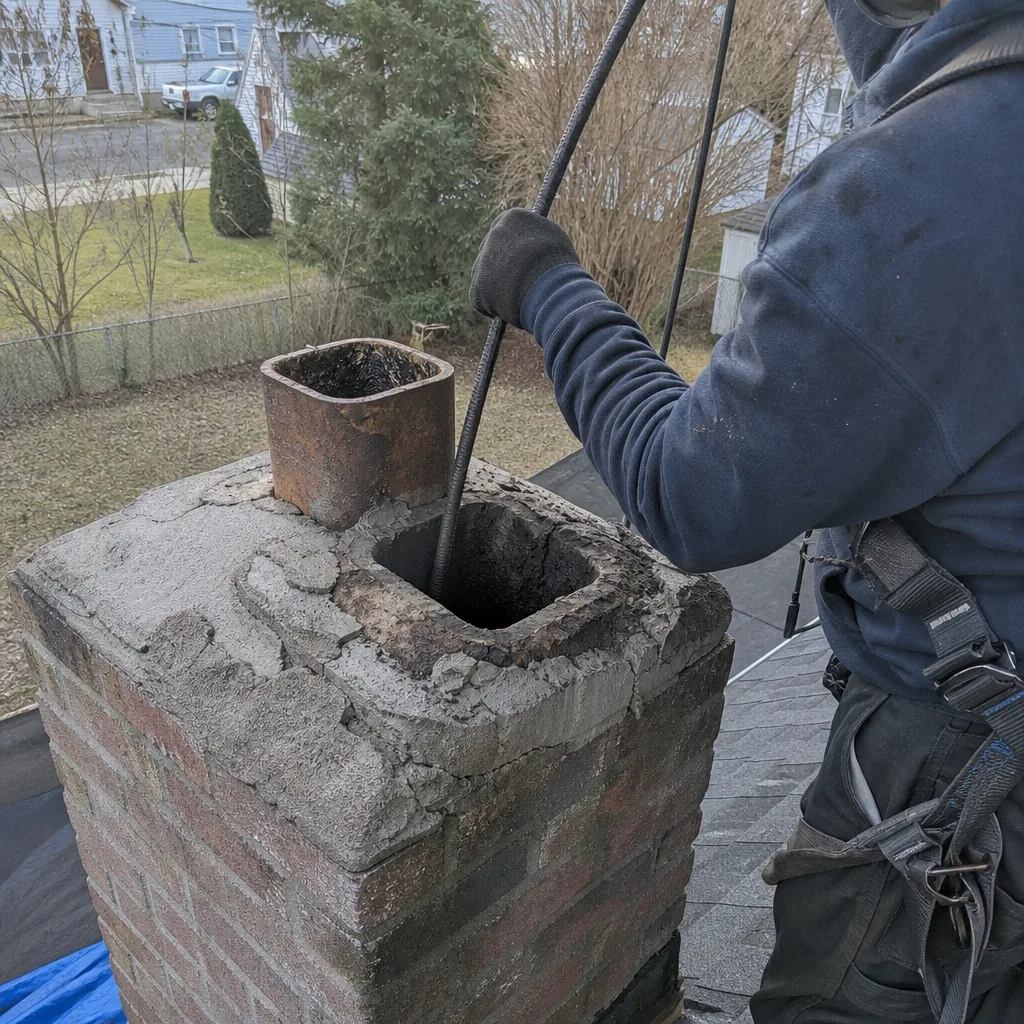 Before
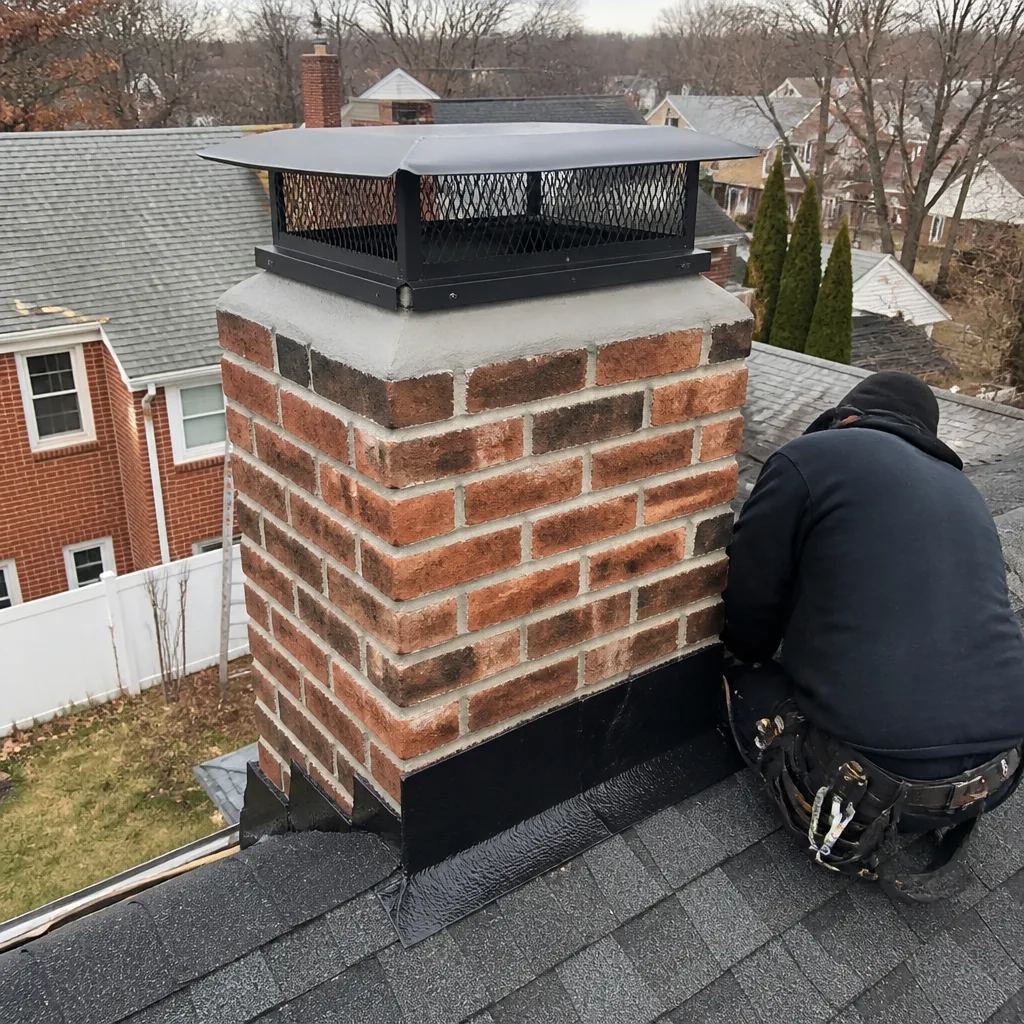 After
After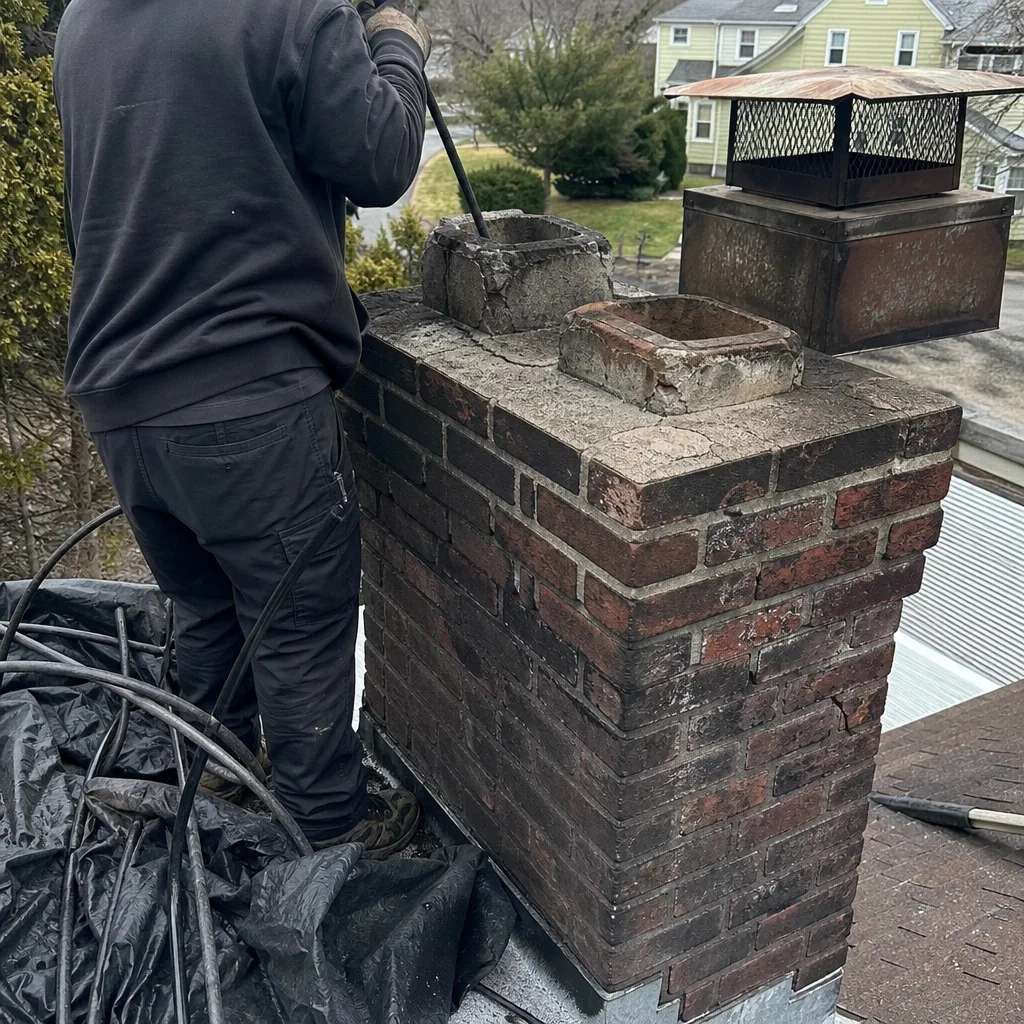 Before
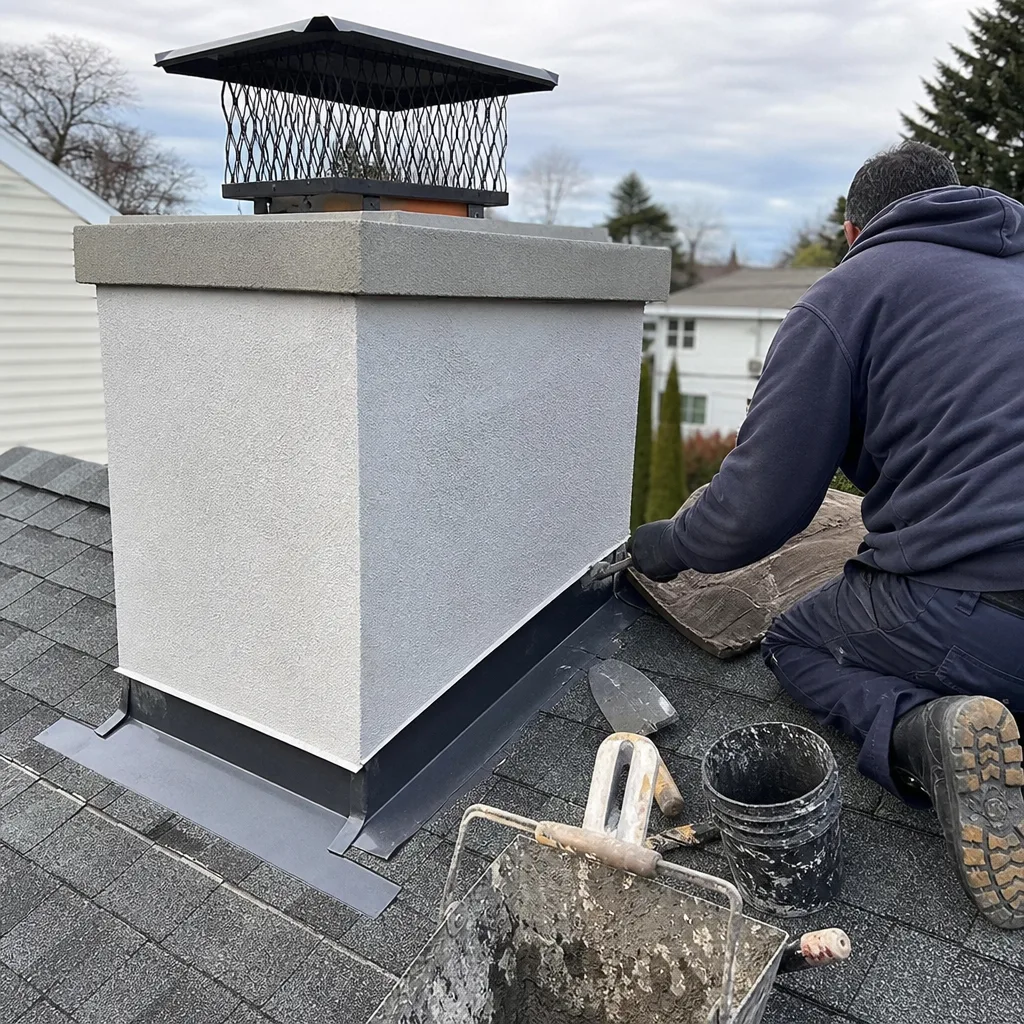 After
After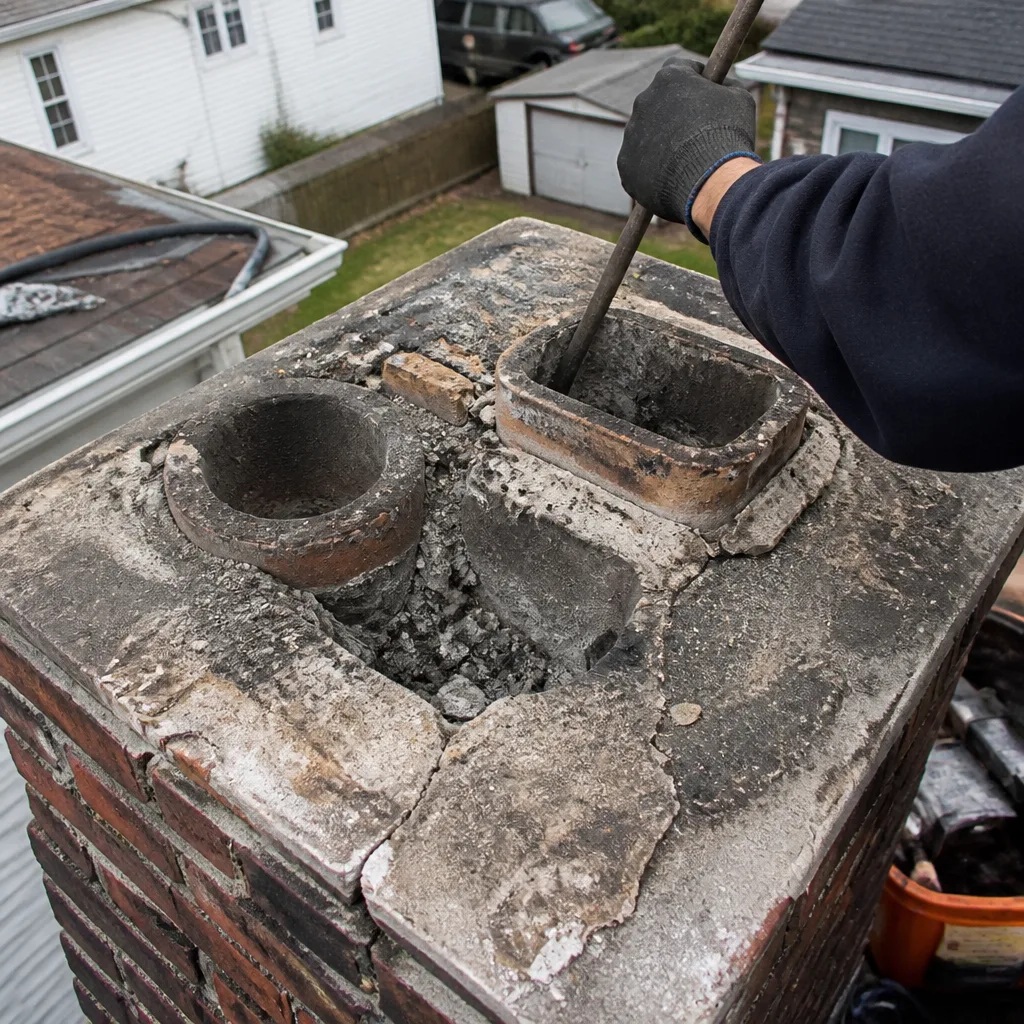 Before
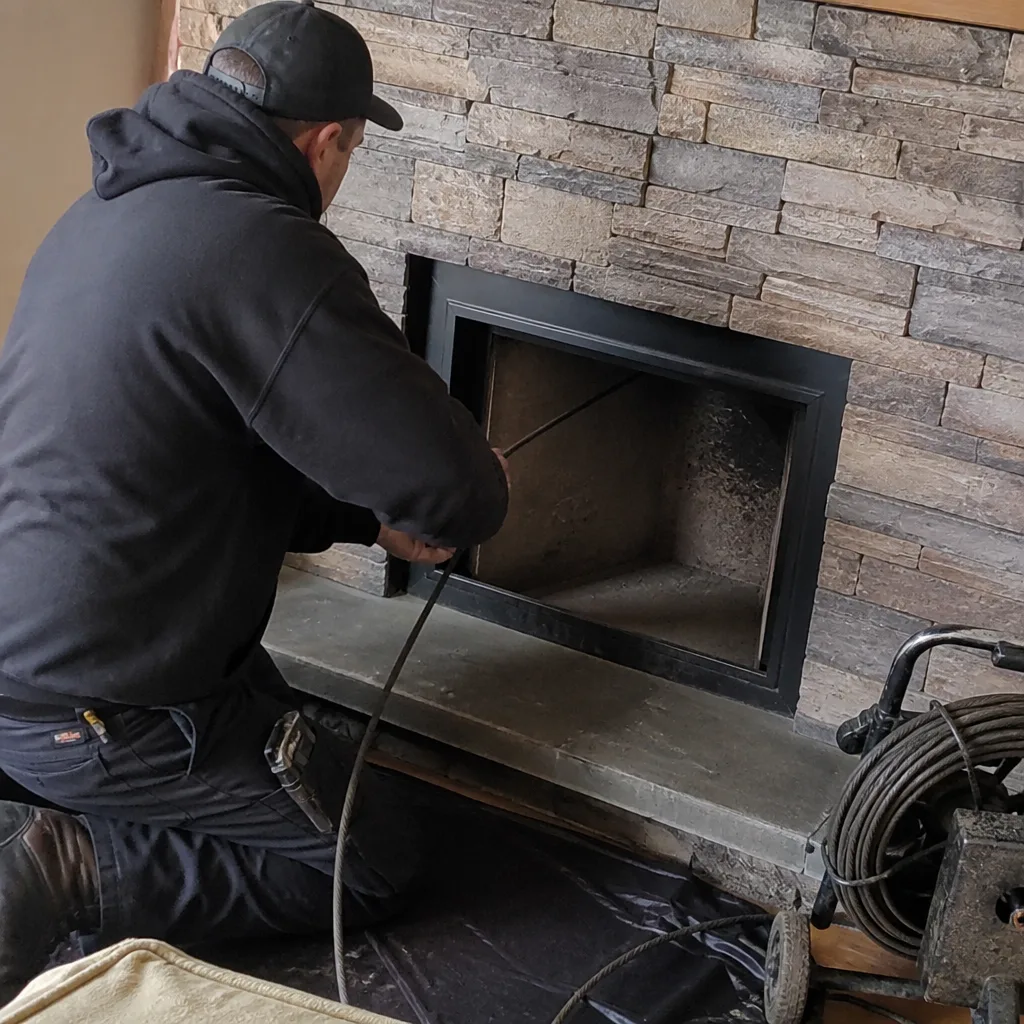 After
AfterChimney Cleaning & Sweep Maintenance Checklist for Newark Homeowners
Most printable chimney checklists circulating online were written to be shared, not used. They say “check for creosote” without telling you that creosote has three NFPA-classified stages, and that Stage 3 cannot be brushed out at all. They say “inspect the liner” without giving you a single measurement or threshold that tells you whether what you’re seeing is normal. As Newark homeowners ourselves, we’ve watched neighbors print those checklists, walk their own chimneys with a flashlight, and still miss the one condition that eventually costs thousands. This guide is different. It pairs every inspection point with a pass/fail threshold and a next action, so you’re never left guessing whether the soot you’re seeing is seasonal or structural.
Here’s what you’ll learn: how to walk your chimney from the firebox floor up, not the roof down; what three creosote stages actually look like and which ones you can handle yourself; the exact measurements that matter for draft and clearance; how to photograph findings so they become a usable record instead of a blur; and which Newark-specific conditions, like shared flues in duplexes and row homes, most online guides simply ignore.
Quick Answer
A chimney cleaning and maintenance checklist for Newark homeowners should start at the firebox floor and move upward, checking for Stage 2 or 3 creosote, visible liner damage, crown spalling, and cap screen blockage. The single most important pass/fail threshold: if creosote buildup is 1/8 inch thick or more, schedule a professional sweep before your next burn. If you see Stage 3 creosote, which looks like a hardened, shiny tar glaze, do not use the fireplace until a certified sweep has assessed it.
Table of Contents
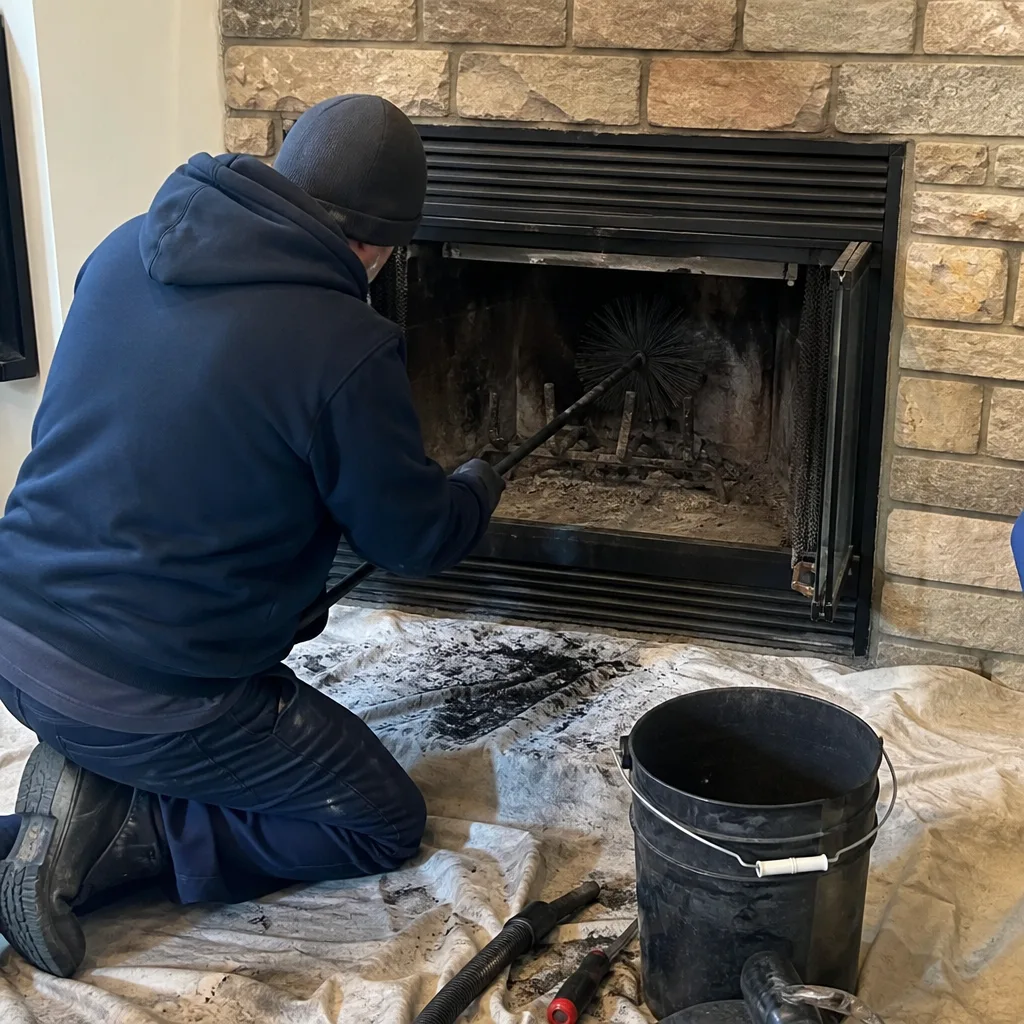
- The Room-by-Room Walkthrough: Why You Start at the Firebox, Not the Roof
- The Three Stages of Creosote: What Each Looks Like and What to Do
- The Numbers That Matter: Draft, Clearance, and Smoke Chamber Measurements
- How to Document Your Findings with Phone Photos (The Right Way)
- Newark Multi-Family Specifics: Shared Flues in Duplexes and Row Homes
- Threshold Language: Monitor vs. Schedule Service vs. Do Not Use
- When to Do This in Newark: Seasonal Timing and Weather Impact
- Common Mistakes to Avoid
- When to Call a Professional
- Frequently Asked Questions
BeforeAfterThe Room-by-Room Walkthrough: Why You Start at the Firebox, Not the Roof
The instinct most Newark homeowners have is to climb a ladder and look down the flue. That’s backwards. The sequence should start inside the house at the firebox floor, because that’s where the evidence accumulates first. Creosote drips down, liner fragments fall, and animal debris settles. If you start at the roof, you see only the top few feet of a system that may run 25 to 40 feet through your house. By the time you find a problem at the crown, it has already been visible inside for months.
Here’s the correct sequence, in order:
- Firebox floor and walls. Look for cracked firebrick, missing mortar joints, or white staining (efflorescence, which signals water intrusion). Any firebrick crack wider than 1/8 inch means it’s time to schedule a repair before heat can reach the framing behind it.
- Damper plate and throat. Open and close the damper. It should move without grinding or sticking. Check for rust on the plate’s edges and look up into the throat for creosote buildup. If the damper won’t fully close, you’re losing heated air up the flue all winter.
- Smoke chamber and shelf. This is the sloped area above the damper where smoke accelerates. Shine a bright flashlight upward. In our experience across Newark homes, this is where Stage 2 and Stage 3 creosote hide most often. Gaps between corbeled bricks or tiles here are code violations and a fire hazard.
- Flue liner (visible portion). Look for cracked clay tiles, missing sections, or a glazed, shiny black coating. Any of these means a Chimney Repair in Newark professional should assess the liner with a camera before the next burn.
- Fireplace surround and hearth clearance. Walk out from the fireplace. Measure the distance from the fireplace opening to the nearest combustible material: mantel, bookshelf, curtain, furniture. NFPA 211 requires a minimum 12-inch clearance from the opening for most combustibles, and 6 inches for materials that project less than 1.5 inches. Newark row homes often have tighter living rooms, and furniture creeps closer over time.
Only after all of that do you go up to the roof to check the crown, cap, and flue termination. By then, you’ll know what you’re looking for.
The Three Stages of Creosote: What Each Looks Like and What to Do
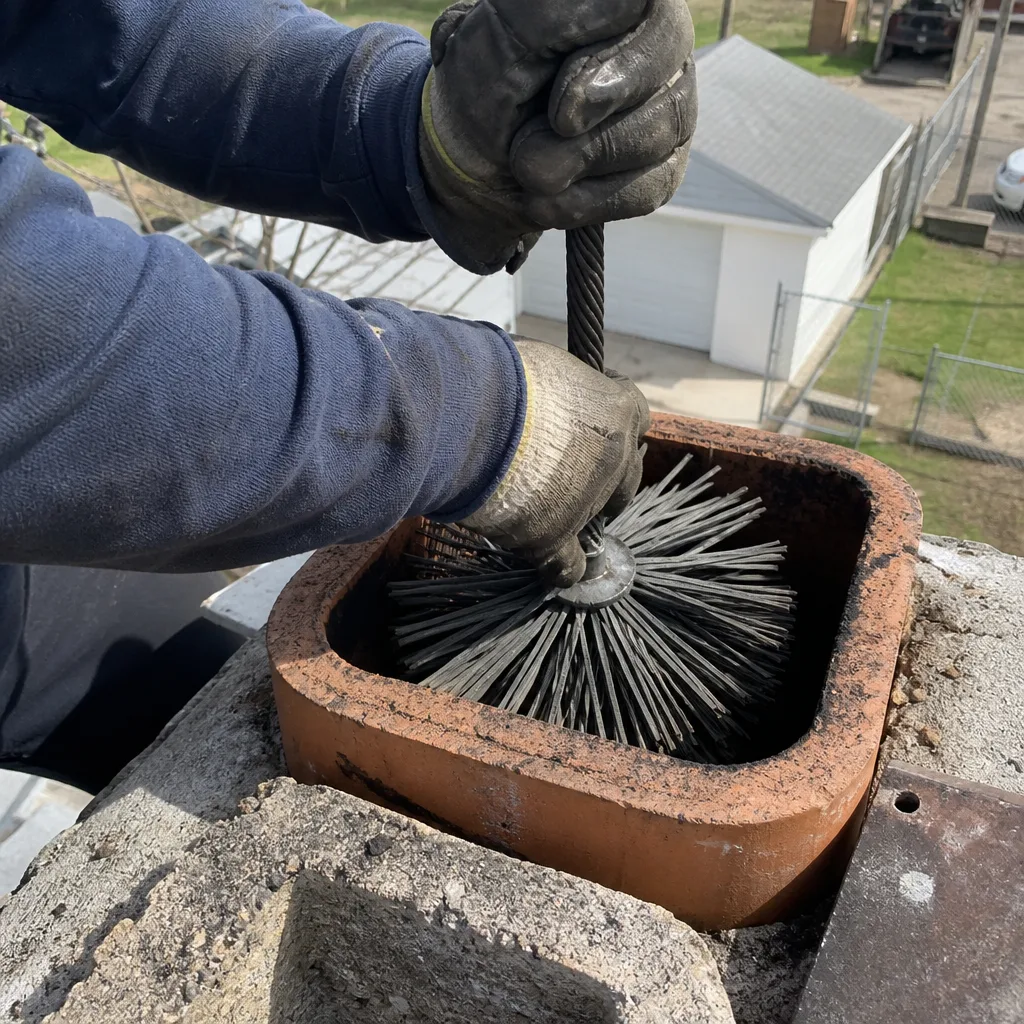
Creosote forms when wood smoke cools and condenses inside the flue. It’s not one substance; it’s a spectrum. The NFPA classifies it in three stages, and the distinction matters more than most homeowners realize. A Stage 1 glaze brushes out with standard sweeping. A Stage 3 glaze does not brush out at all; it has to be chemically treated or mechanically removed with a rotary chain system.
Here’s what each stage looks like up close and what to do when you find it:
- Stage 1: Flaky, dusty soot. This is a flat black or dark brown coating that looks like fine dust or loose flakes. You can wipe it off with a finger. This is normal after a season of burning and usually brushes out without issue. What to do: monitor it. If it’s under 1/8 inch thick, it’s a standard cleaning.
- Stage 2: Crunchy, bubbled tar. This looks like burnt sugar or coffee grounds that have hardened and formed a crust. It has a textured, crunchy appearance and may flake in brittle layers. This signals that smoke is condensing too quickly in your flue, often from burning unseasoned wood or closing the damper too far. What to do: schedule a Chimney Cleaning & Sweep in Newark before your next burn. Brushing alone may not fully remove it; a rotary sweep with poly rods is typically needed.
- Stage 3: Hard, shiny glaze. This is a tar that has baked into a hard, ceramic-like surface. It’s glossy, dark, and often looks like black glass or hardened caramel. It cannot be brushed out with standard chimney rods. Attempting to brush it only polishes the surface and risks cracking the liner. What to do: do not use the fireplace until a certified sweep has assessed it. Removal requires chemical treatment, often in combination with mechanical abrasion. This is also the stage where chimney fires most often start, because this glaze itself burns at very high temperatures.
One Newark-specific note: the density of older housing stock here means many flues are uninsulated and run through cold exterior walls. That cools the smoke faster inside the flue, which accelerates creosote formation. Homes in the Ironbound, Forest Hill, and Weequahic sections, where brick construction is common, see Stage 2 anywhere from one to two seasons sooner than newer builds with insulated flues.
The Numbers That Matter: Draft, Clearance, and Smoke Chamber Measurements
Most checklists skip this section entirely because it’s harder to write. But without specific numbers, “check the draft” is meaningless. Here are the actual measurements we use on inspections under the Haven Standard, and what each one should read.
Draft opening height-to-width ratio. The firebox opening should be no taller than roughly 1.4 times its width. Most Newark fireplaces are in the 24 to 36 inch width range, which means an opening height between 28 and 42 inches. If the opening is disproportionately tall, you’ll get smoke rollback into the room, which is the most common complaint we hear from homeowners in the North Ward and Vailsburg.
Clearance from combustibles. As stated above: 12 inches minimum from the fireplace opening to combustible mantels, shelves, and framing. Above the firebox, that extends to 6 inches for projections under 1.5 inches deep. If your mantel was added after construction and sits closer than that, the heat can slowly lower the ignition point of the wood over years. That’s a classic row-home retrofit problem in Newark, and it’s fixable with a heat shield or mantel adjustment.
Smoke chamber corbeling gaps. The smoke chamber is built of corbeled bricks that step inward as they rise toward the flue. Code requires those corbels to be smooth and parged, meaning no gap larger than 1/8 inch between them. In unparged chambers, gaps up to an inch are common, and those gaps collect creosote that cannot be seen from the firebox. This is one of the most common code violations we document with our camera during a Fireplace Services in Newark call, and it’s invisible without a Level 2 inspection.
Flue size relative to firebox opening. The flue cross-sectional area should be at least 1/10 the area of the firebox opening. A 30×30 inch firebox needs a flue area of at least 90 square inches, which most round clay liners with a 10 to 12 inch diameter satisfy. But in older Newark homes, we frequently find flues that were adequately sized when the house was built but are now partial with broken tile fragments blocking the path.
How to Document Your Findings with Phone Photos (The Right Way)
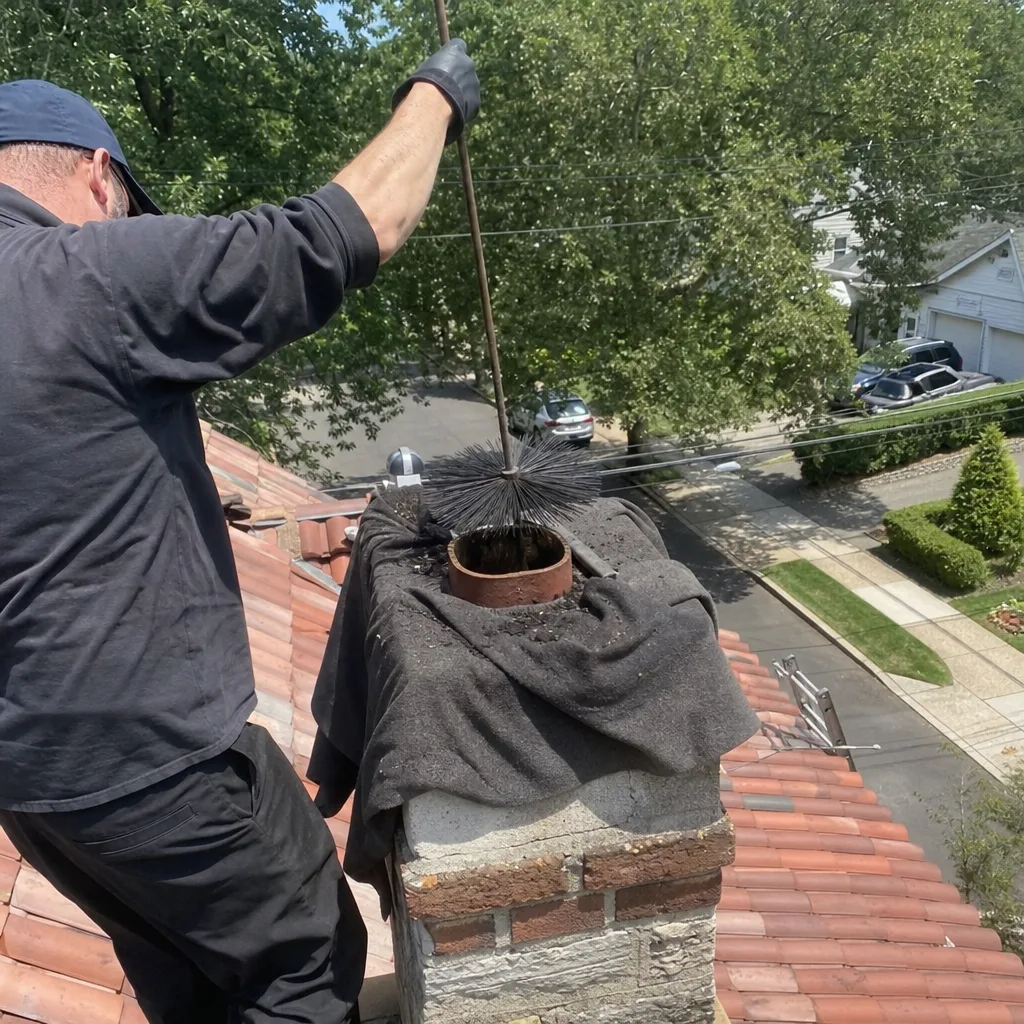
A photo is only useful if you can match it to a date, a location, and a condition six months later. Most homeowners take a photo, look at it once, and never reference it again. Here’s how to turn your phone into a legitimate maintenance record.
- Start every session with a date and address shot. Take a photo of a piece of paper with the date and the full address written on it, or a screenshot of your phone’s location metadata while the GPS is pinned to your home. This ties every subsequent photo to a time and place.
- Shoot the firebox from a consistent angle. Stand in the same spot, aim at the same point (the back wall of the firebox), and take the shot at the same zoom every time. If the angle changes, before-and-after comparisons are useless.
- Get close enough to see texture, not just color. A photo taken from five feet away shows that the firebox is black. A photo taken from eight inches shows whether that black is dusty, crusty, or glazed. The texture is the pass/fail clue.
- Photograph the dampers and smoke chamber with flash on. The flash reveals the color and gloss of creosote that you cannot see in ambient light. If the flash reflects off a shiny surface inside the flue, that’s Stage 3, and you now have a photo that proves it.
- Store photos in a folder named with the address and date. “Newark_JaneStreet_10282026” is a usable record. “Misc Photos” is not. This is also the archive practice that became Clause 4 of the Haven Standard, which requires a documented photo record on every Level Two Chimney Newark job, and which we’ve been doing continuously since 2009.
If you’re comparing before and after a sweep, the same angle rule applies. The only way to verify a cleaning was done properly is to compare the same spot in the same light. We provide that photo record on every visit under Clause 4, so you never have to take our word for what’s inside your flue.
Newark Multi-Family Specifics: Shared Flues in Duplexes and Row Homes
This is the section almost every online chimney checklist skips. In Newark, a large share of homes are two-family houses, row homes, or converted multi-family buildings, and many of them were built with shared flue systems. A shared flue means two fireplaces or a fireplace and a furnace venting into the same chimney structure, sometimes the same flue liner. That changes everything about maintenance.
If your home has a shared flue, add these items to your checklist:
- Confirm whether the flue is actually shared or just adjacent. Two flues may run side by side inside one brick chimney. Shared means one physical flue serving multiple appliances; adjacent means two separate liners in the same stack. The distinction matters for safety. If you don’t know, a Level 2 camera inspection will answer it in one visit.
- Check for cross-contamination at the smoke chamber level. In shared systems, the smoke chambers of two fireplaces may interconnect if the mid-feather wall has failed. That means smoke and carbon monoxide from one unit can backdraft into the other. This is a do-not-use condition until repaired.
- Ask the other unit what they’ve burned. A neighbor’s unseasoned wood or frequent paper burning becomes your creosote problem too. If the shared flue has Stage 2 buildup, and only one unit is actively cleaning it, both units are at risk.
- Schedule a camera inspection whenever ownership of either unit changes. In Newark duplexes and row homes, the chimney is often the one system that no single owner fully controls. A sale in the other unit is the trigger to verify the flue condition and your side of the shared structure.
- Confirm the cap and crown are protecting both flues in the stack. A shared chimney with a failing crown allows water into both liners. The freeze-thaw cycles in Newark winters, with temperatures oscillating around 32 degrees for weeks in January and February, expand that damage quickly once water gets in.
Shared flue systems are also one of the reasons we always include a documented photo record and camera scan on every visit as standard, not as an add-on. You cannot see a mid-feather wall failure from the firebox, and you cannot hold a contractor accountable without the images.
Threshold Language: Monitor vs. Schedule Service vs. Do Not Use
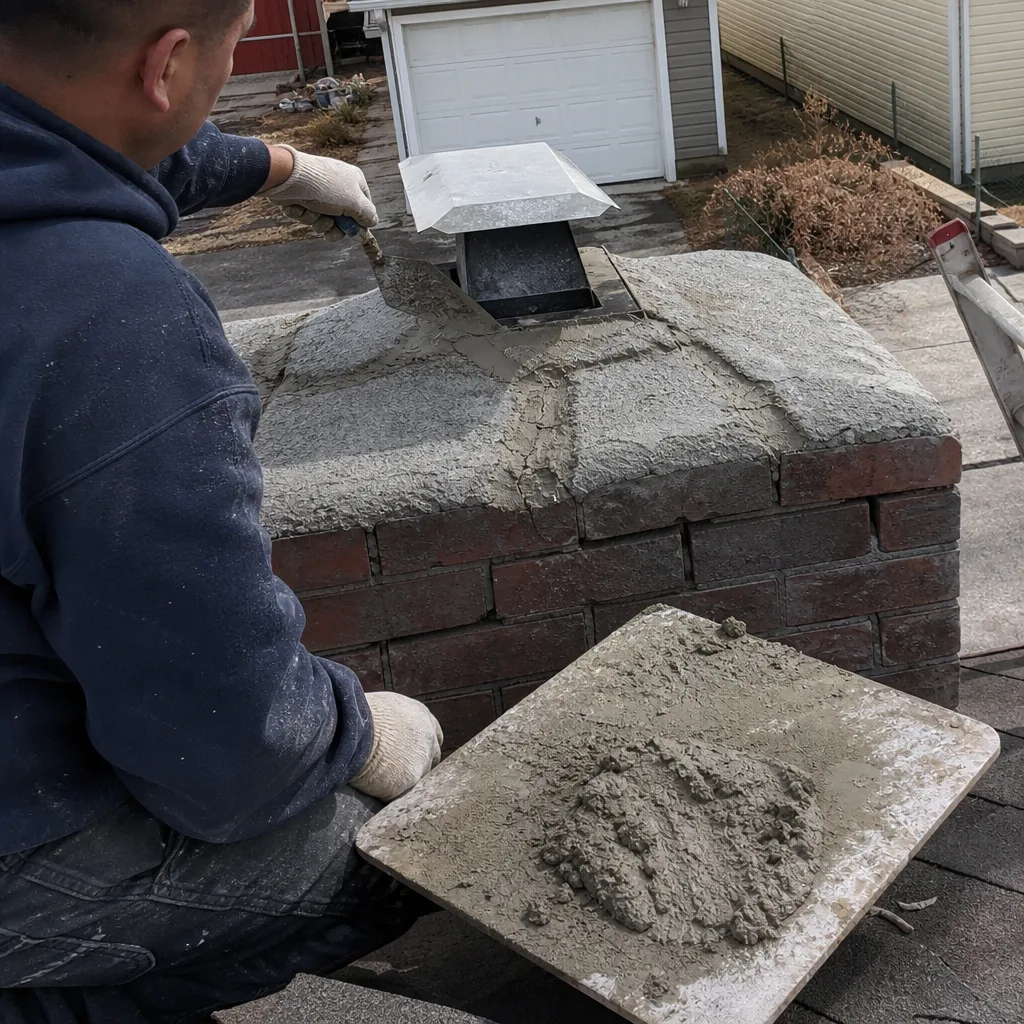
A checklist fails if it leaves you with a list of observations and no idea what to do with them. Here’s the exact language we recommend using for every finding, and what each threshold means.
Monitor. This means the condition is normal or minor and requires no action before the next burn. Examples: Stage 1 creosote under 1/8 inch thick, minor surface rust on the damper plate, hairline cracks in firebricks that haven’t expanded. Recheck at the next cleaning or in six months, whichever comes first.
Schedule service before next burn. This means the condition will worsen with use and should be addressed before you light another fire. Examples: Stage 2 creosote, damper that won’t fully close, cracked flue tiles visible from the roof, missing or damaged cap screen, water staining on the firebox floor. These aren’t emergencies, but burning with them present accelerates the damage.
Do not use until repaired. This means continuing to burn is dangerous. Examples: Stage 3 creosote, any visible gap or separation in the flue liner, smoke chamber corbeling gaps exceeding 1/8 inch with creosote accumulation, evidence of a prior chimney fire (honeycomb cracking on the liner, collapsed tiles, warped metal), or carbon monoxide readings from a detector while the fireplace is in use. In these cases, the fireplace stays cold until a professional assessment has been completed in writing.
One rule from our Newark service area that we apply consistently: if a condition falls anywhere between two thresholds, we recommend the tighter one. The cost difference between a sweep and a liner repair is thousands of dollars. The cost difference between a week of waiting and a season of waiting is a fireplace fire.
When to Do This in Newark: Seasonal Timing and Weather Impact
Newark’s climate gives you a natural maintenance calendar, and most homeowners have it backwards. The best time to perform this checklist and schedule a cleaning is spring, not fall. Here’s the logic.
Chimney sweeps in Newark are busiest from September through December, which means scheduling is harder, prices are the same (ours are written and fixed regardless of season, but wait times are not), and the pressure to rush an inspection before the first cold snap is real. In spring, you have more scheduling flexibility, and any Stage 2 or Stage 3 creosote has the whole summer to be addressed before burning season returns.
Newark’s winter freeze-thaw cycle is also a reason to check the crown and cap in early spring, after the damage has already happened. When water gets into small cracks in the crown or mortar joints and then freezes, it expands. That one winter of expansion can turn a hairline crack into a spalled crown, which is a $400 to $800 repair. If you check in the spring, you catch it before a second winter makes it worse.
The summer humidity here doesn’t directly harm the chimney, but it does affect the wood you’ll burn. Wood stored outside in Newark’s humid August absorbs moisture unless it’s covered and elevated. Burning wood with a moisture content above 20% produces more smoke, more creosote, and a faster path to Stage 2. If you buy firewood in the fall, you’re often buying wood that hasn’t been seasoned long enough. Buy it in spring, stack it off the ground, and cover the top only, and you’ll be burning at the right moisture level by November.
Common Mistakes to Avoid
- Cleaning from the roof down instead of the firebox up. Starting on the roof means you miss the evidence that’s been accumulating at the firebox floor for months. The sequence matters because the evidence flows down, not up.
- Treating a chimney sweep as an optional “if it looks dirty” service. Creosote buildup inside a flue is invisible from the living room. By the time it’s visible at the firebox, it’s already Stage 2 or worse. The NFPA recommends a sweep whenever 1/8 inch of buildup is present, regardless of how clean the firebox looks.
- Relying on the “burn a hot fire to clean it” myth. A hot fire can burn off some Stage 1 soot, but it can also crack clay liners and does nothing for Stage 2 or Stage 3. This is one of the most persistent DIY myths we hear from Newark homeowners, and it’s the one most likely to cause a visible crack that requires a liner repair.
- Closing the damper too far to “save heat.” A partially closed damper cools the smoke faster, which increases creosote condensation inside the flue. The savings are a few dollars a month; the cost is a faster path to Stage 2.
- Ignoring the smoke chamber because it’s hard to see. The smoke chamber is the most under-inspected part of any chimney system. Gaps there collect creosote out of sight, and in Newark row homes, those gaps are common. A Level Two Chimney Newark home inspection always includes a camera scan of the smoke chamber.
- Using the fireplace as a paper incinerator. Burning wrapping paper, newspaper, or cardboard creates large, light flakes of creosote that rise and stick to the flue walls in a single season. It’s convenient, but it’s the fastest way to go from Stage 1 to Stage 2.
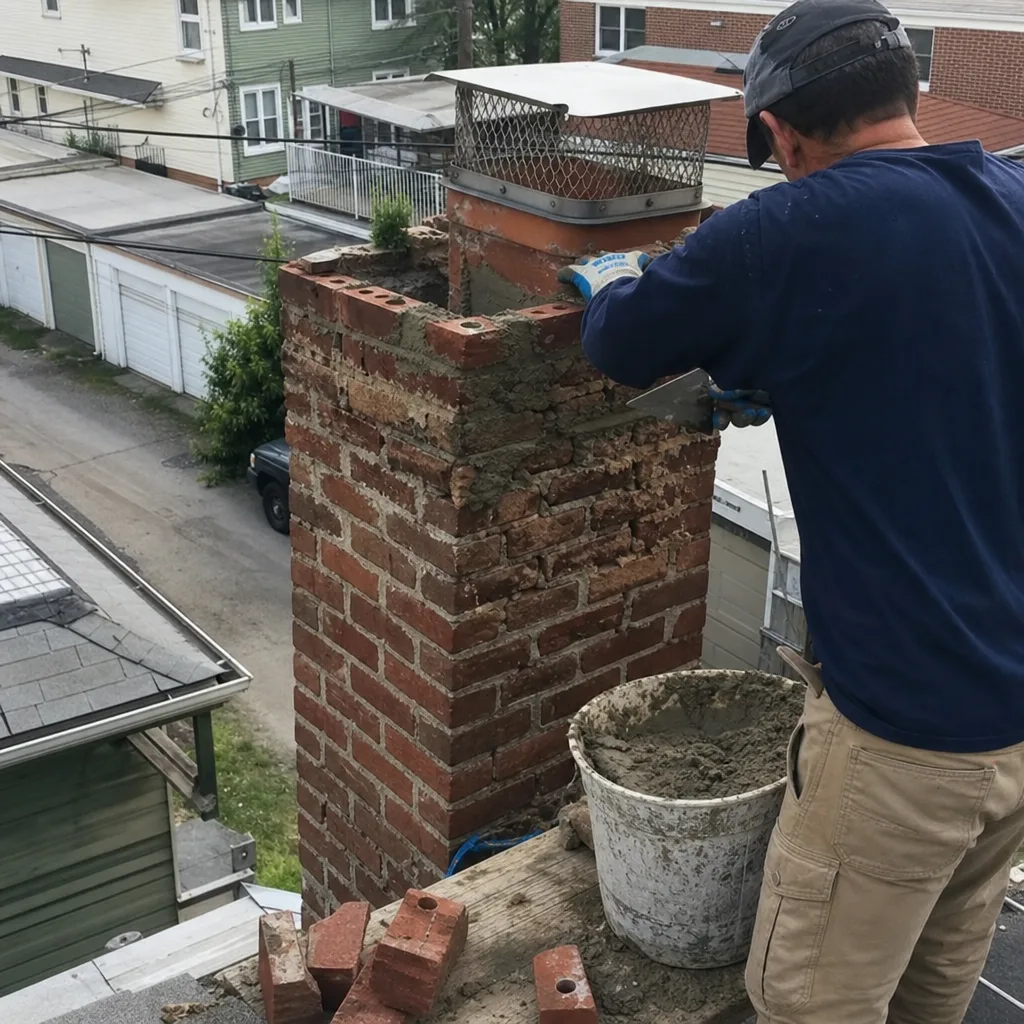
- Putting off a cap or crown repair because the leak is “small.” Water damage compounds. A small crack in the crown lets in a small amount of water, which freezes, expands, and widens the crack. Three winters later, you’re rebuilding the crown and relining the flue. The fix costs more every year you wait.
When to Call a Professional
You should schedule a professional camera inspection if you find Stage 2 creosote that’s crusty and textured, any visible crack in the flue liner, a damper that won’t close, water staining on the firebox floor, or if you live in a Newark duplex or row home with a shared flue that hasn’t been inspected in over five years. You should also call if you’ve recently bought the home and don’t have documentation of the last cleaning. The cost of a Chimney Cleaning & Sweep in Newark with a camera scan and photo record is a fraction of what a liner repair costs, and the written report gives you the documentation to make a decision. Level Two Chimney Newark offers free estimates in Newark. Call (862) 245-4309 and we’ll provide a written price before any work starts.
Frequently Asked Questions
A professional chimney sweep with a camera inspection in Newark typically costs between $180 and $340, depending on the flue type, accessibility, and amount of creosote buildup. At Level Two Chimney Newark, the price is written before work starts under Haven Standard Clause 1, so you know the exact number before we begin. Call (862) 245-4309 for a free estimate.
The NFPA standard is to sweep whenever creosote reaches 1/8 inch thick, and for most Newark homeowners who burn seasonal wood fires, that means once per year. If you burn more than twice a week through the winter, or if you burn unseasoned wood, twice per year is more realistic. The only way to know for sure is a visual or camera check each year.
You should not accept a liner replacement recommendation without camera evidence showing the specific damage. A cracked clay tile, a gap in the liner, or spalling that has exposed the flue interior to heat is a legitimate reason. But a liner that’s simply dirty or stained is not. We provide the photos on every visit under Clause 4 of the Haven Standard, and we’ll show you exactly what we saw. You can also get a Fireplace Services in Newark second opinion from us on any written estimate for free.
If you skip one year and the flue was clean, the risk increase is small. If you skip a year when Stage 2 was already present, the creosote thickens, hardens, and becomes more difficult and more expensive to remove. If you skip two years, Stage 3 becomes possible, and Stage 3 cannot be brushed out at all. A chimney fire is also possible at any point once the flue is heavily coated, and chimney fires often crack liners silently, creating a carbon monoxide risk you won’t see. Call (862) 245-4309 if you’re not sure what condition your flue is in.
You can do a visual inspection and Stage 1 soot removal from the firebox, but full flue cleaning requires proper brushes, rods, and a roof ladder, and the risk of injury from a Newark roofline is not worth the savings. If you find thick, crusty, or glazed deposits, that’s the point where a professional rotary sweep is needed. A DIY attempt at Stage 3 creosote often makes the problem worse by polishing the glaze.
Yes. If you share a flue with another unit, the usage of both units contributes to creosote accumulation, which means the threshold for cleaning arrives faster than in a single-family home. You also have the additional risk of cross-contamination if the mid-feather wall has failed. Shared-flue systems should be camera-inspected every year and whenever either unit changes ownership.
The Bottom Line
A chimney maintenance checklist is only worth the thresholds attached to it. Newark homeowners need to know what 1/8 inch of creosote looks and feels like, what a Stage 3 glaze looks like under flash, and what to do with each finding. Start at the firebox floor, document with date-stamped photos, apply the monitor/schedule/do-not-use language, and check shared flues in multi-family homes as their own category. If you do all of that, you’ll catch problems at the cleaning stage, not the repair stage. And if you’d rather have a trained eye on it, call (862) 245-4309 and we’ll bring the camera and the written price to your door.
Written by Corrine Halstead, Owner at Level Two Chimney Newark, serving Newark since 2009.