
Last updated September 20, 2026
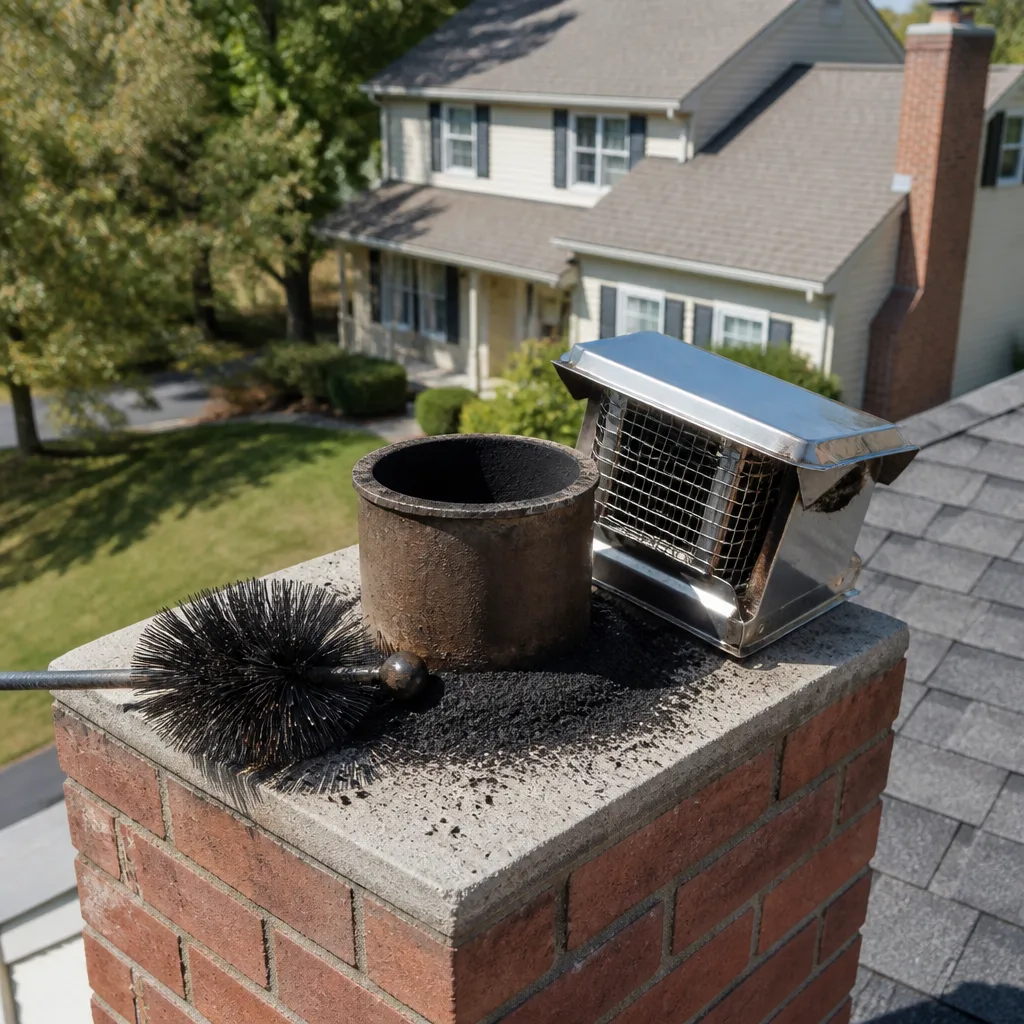
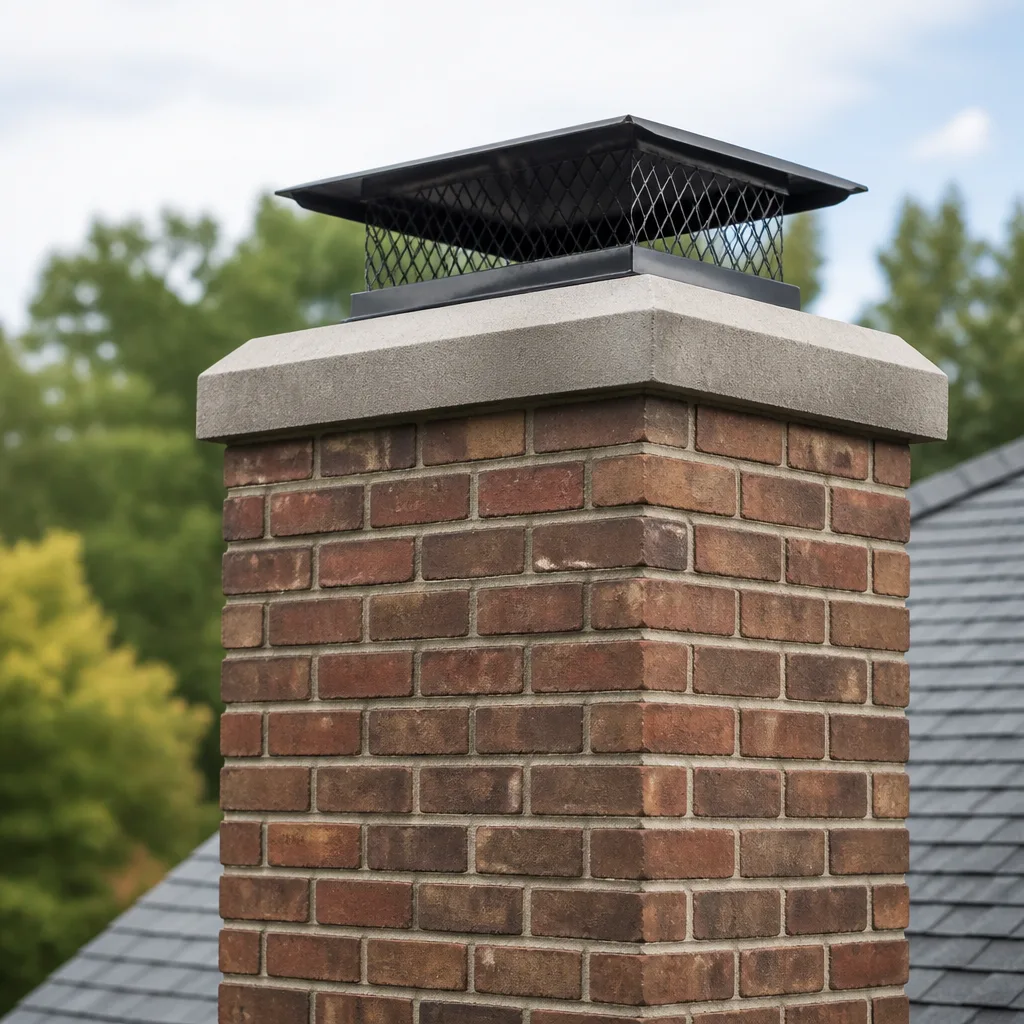
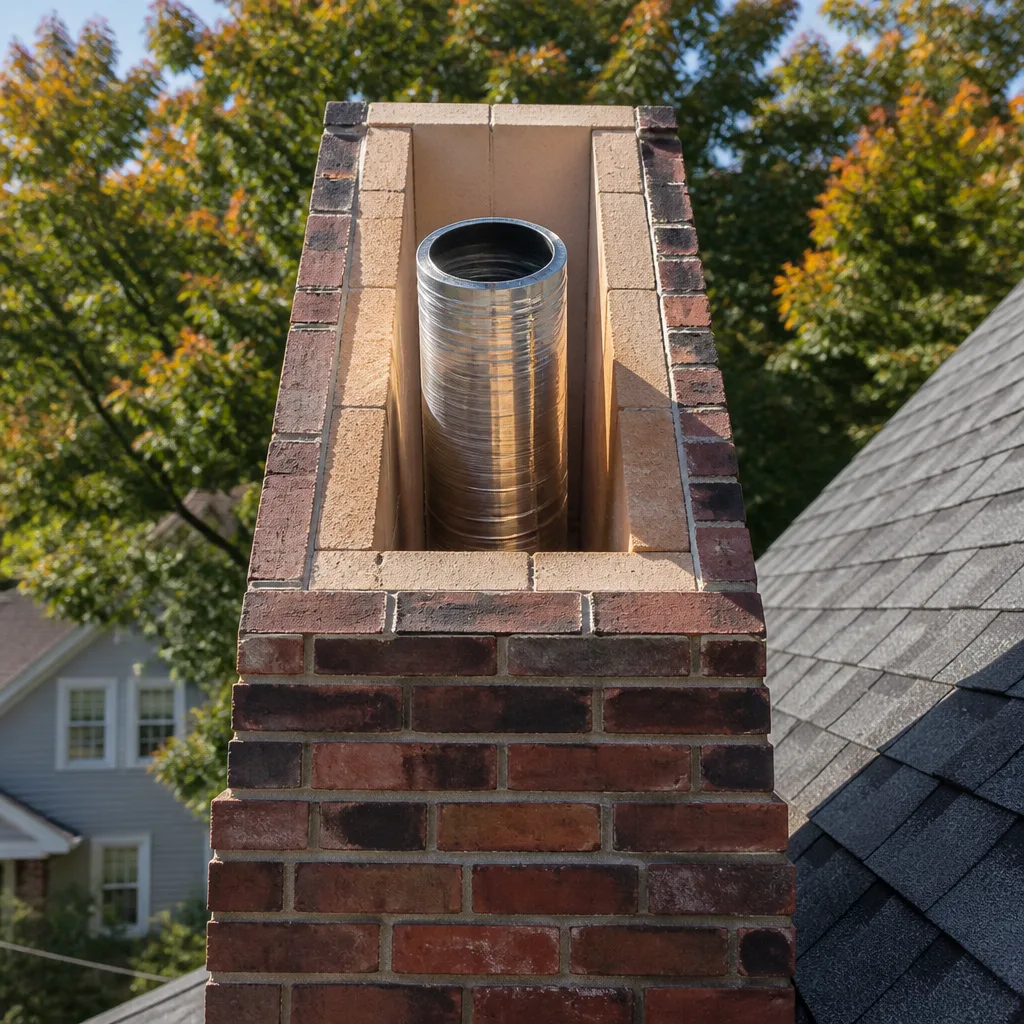
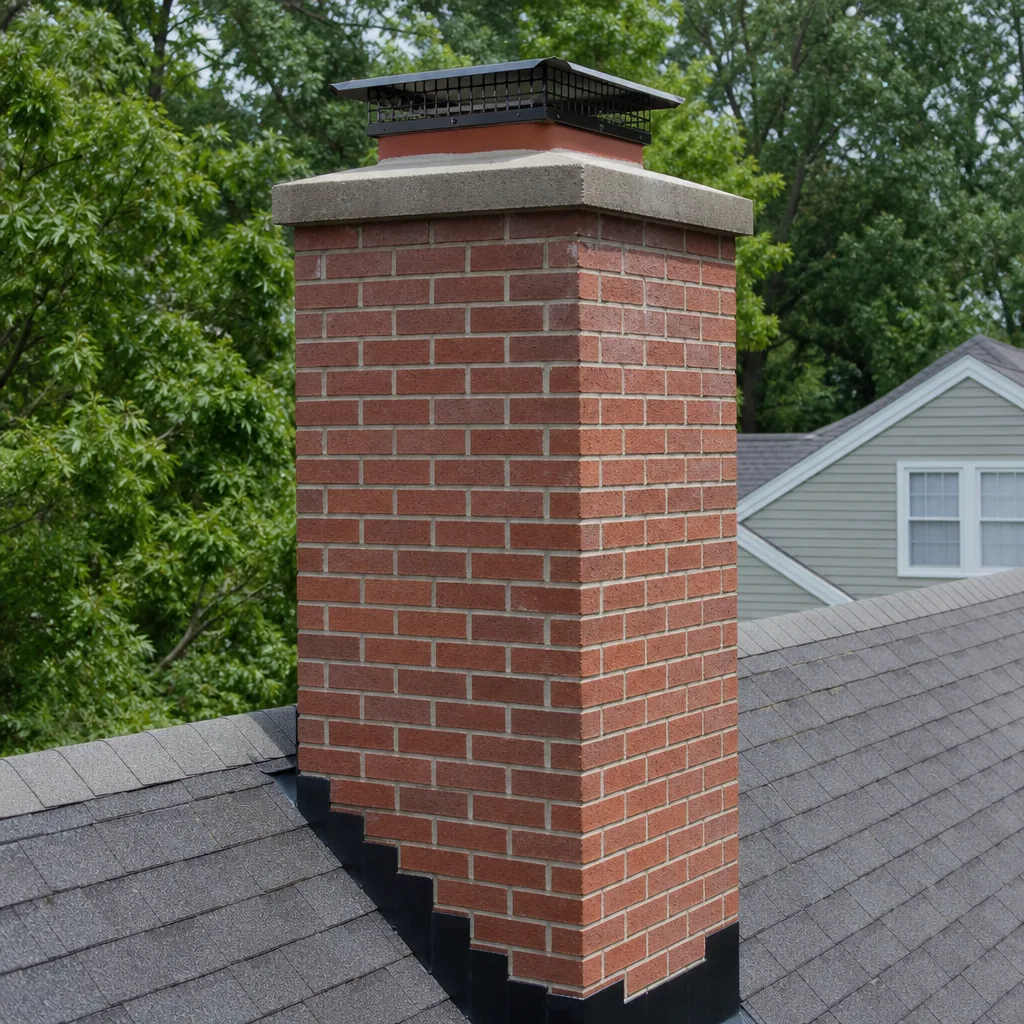
Level 1 sweep and inspection to the NFPA 211 annual standard - flue, crown, cap, and flashing checked and photographed
Chimney sweep logs do not sweep chimneys. They loosen some creosote - which then falls where a brush and vacuum still have to collect it.
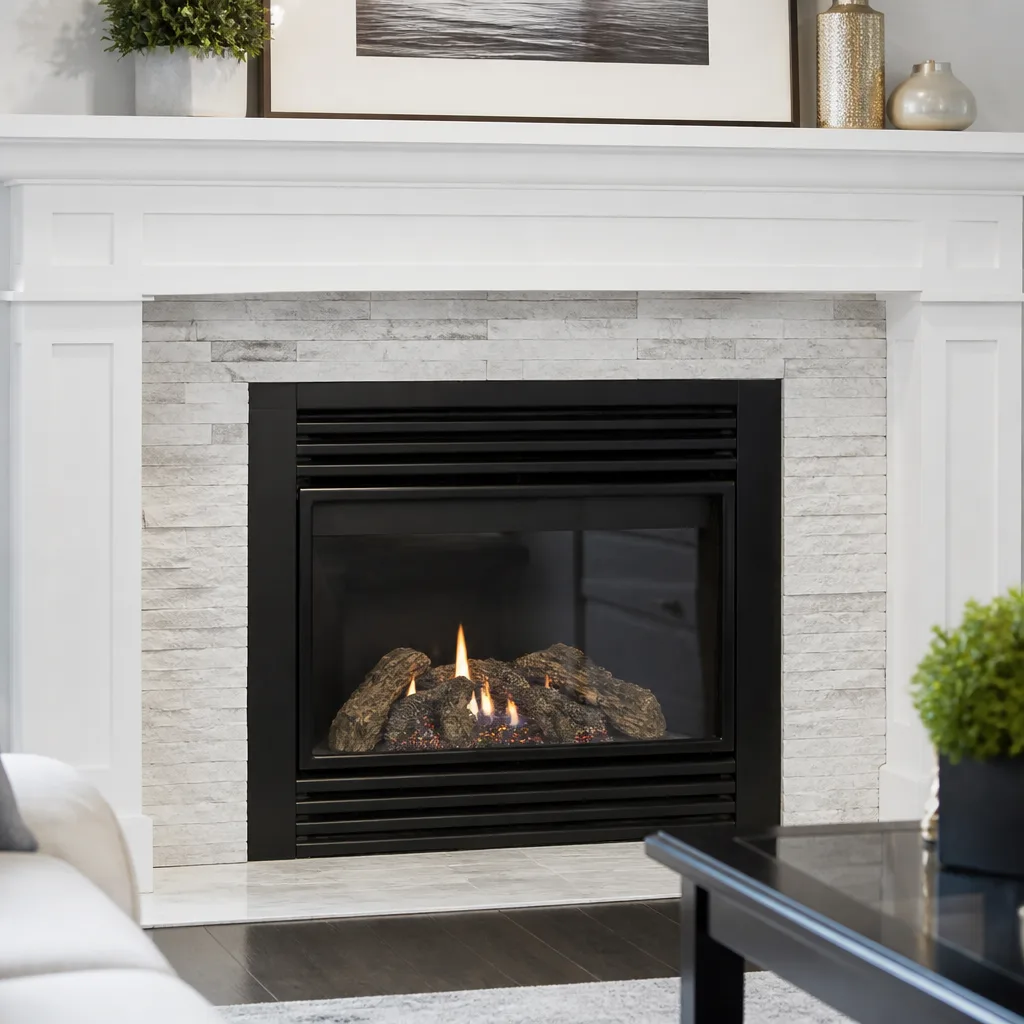
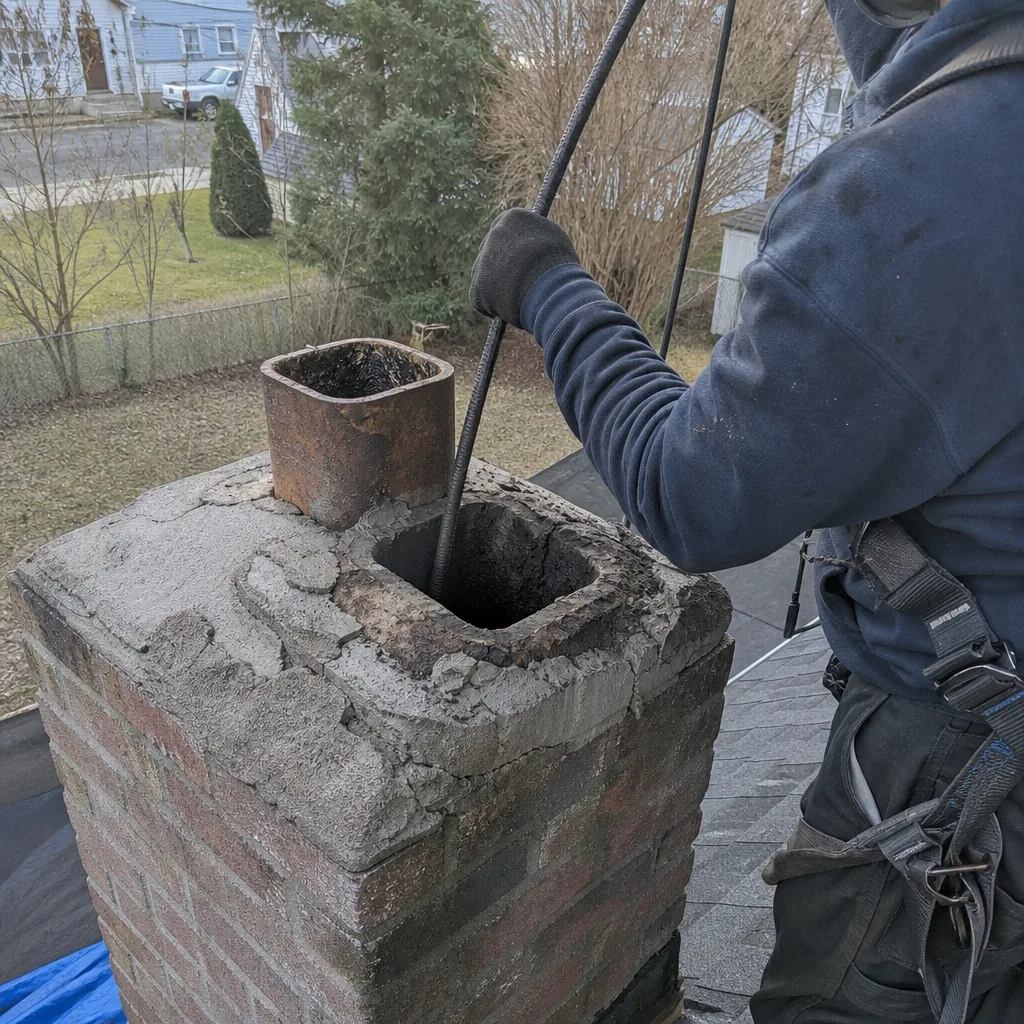 Before
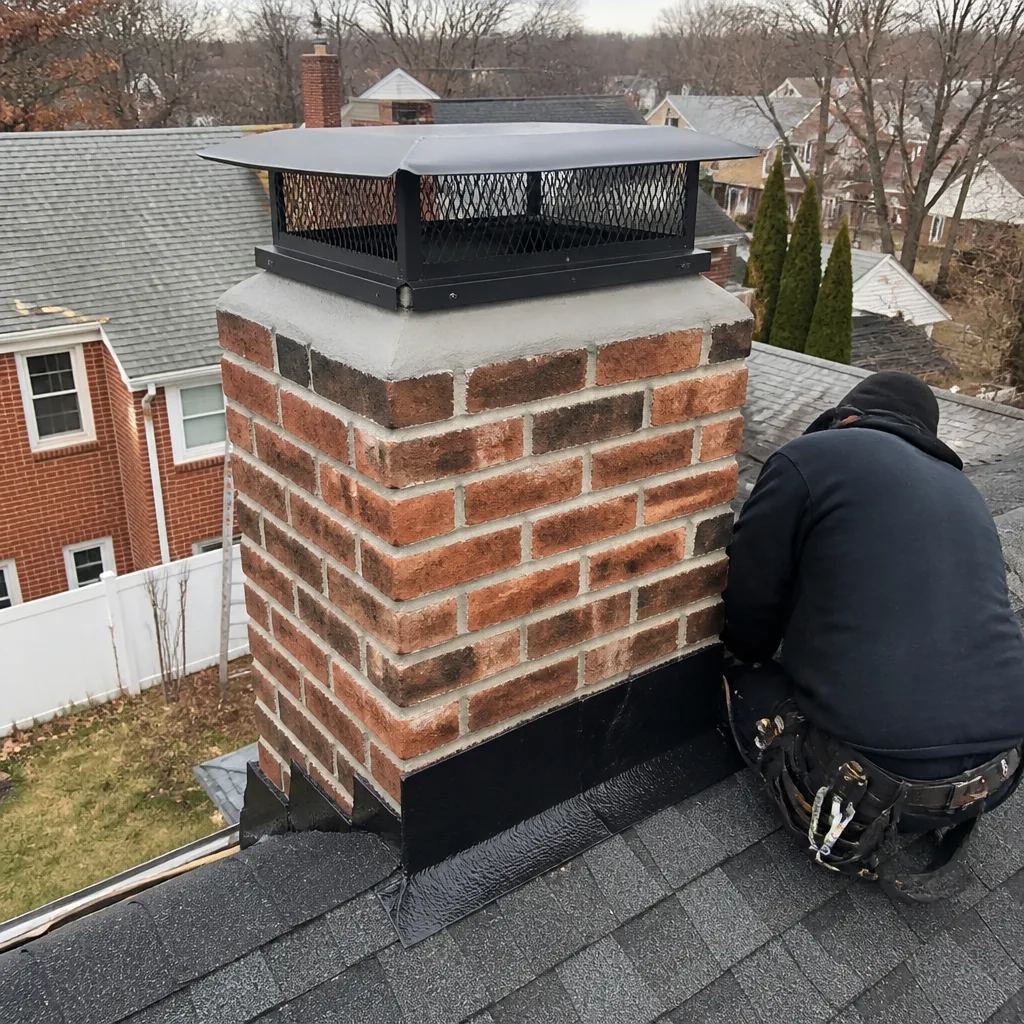 After
After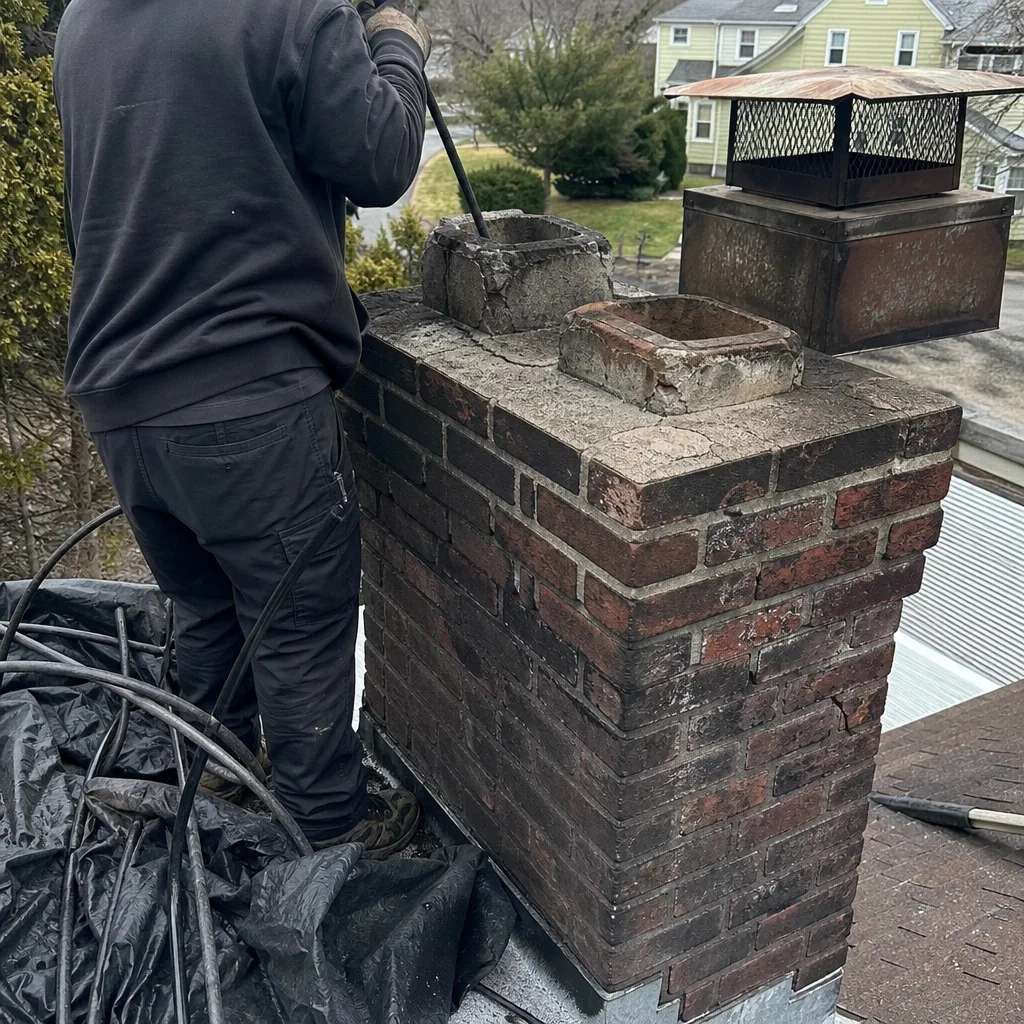 Before
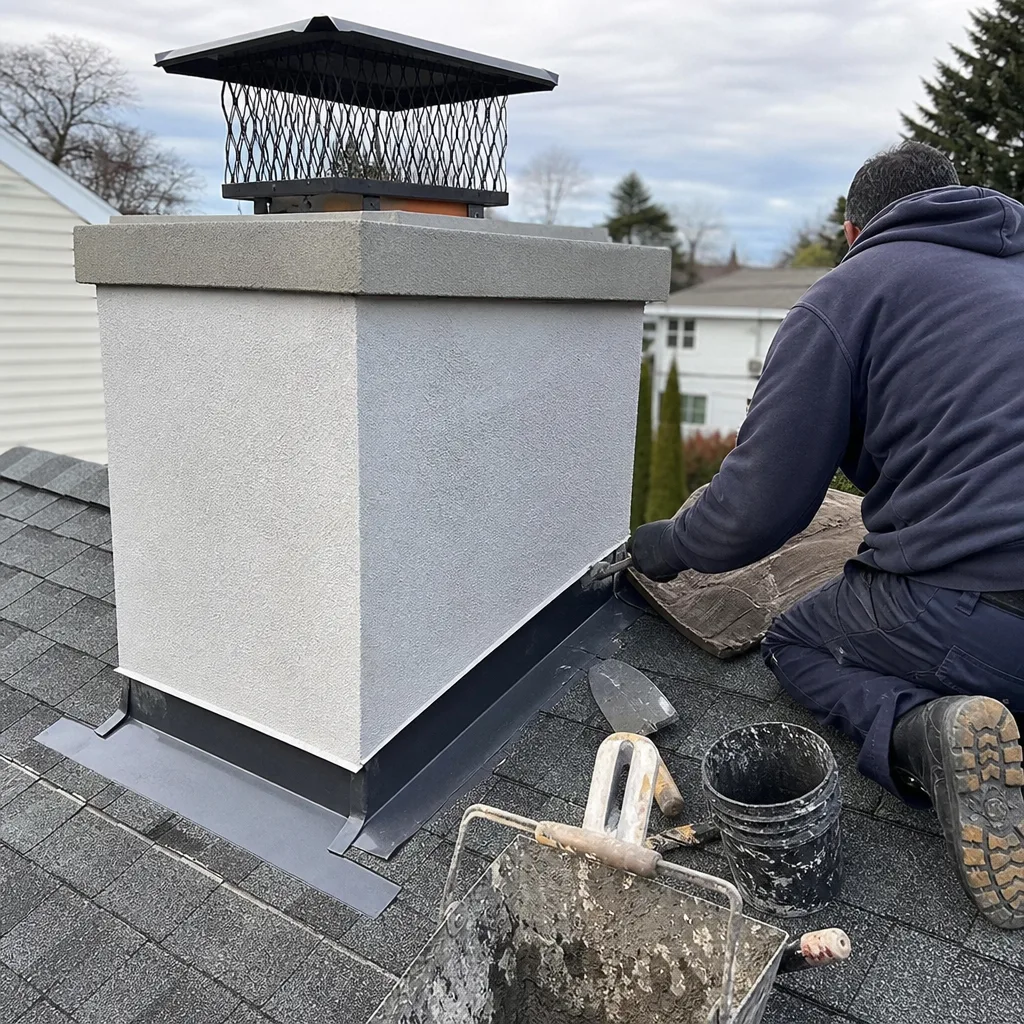 After
After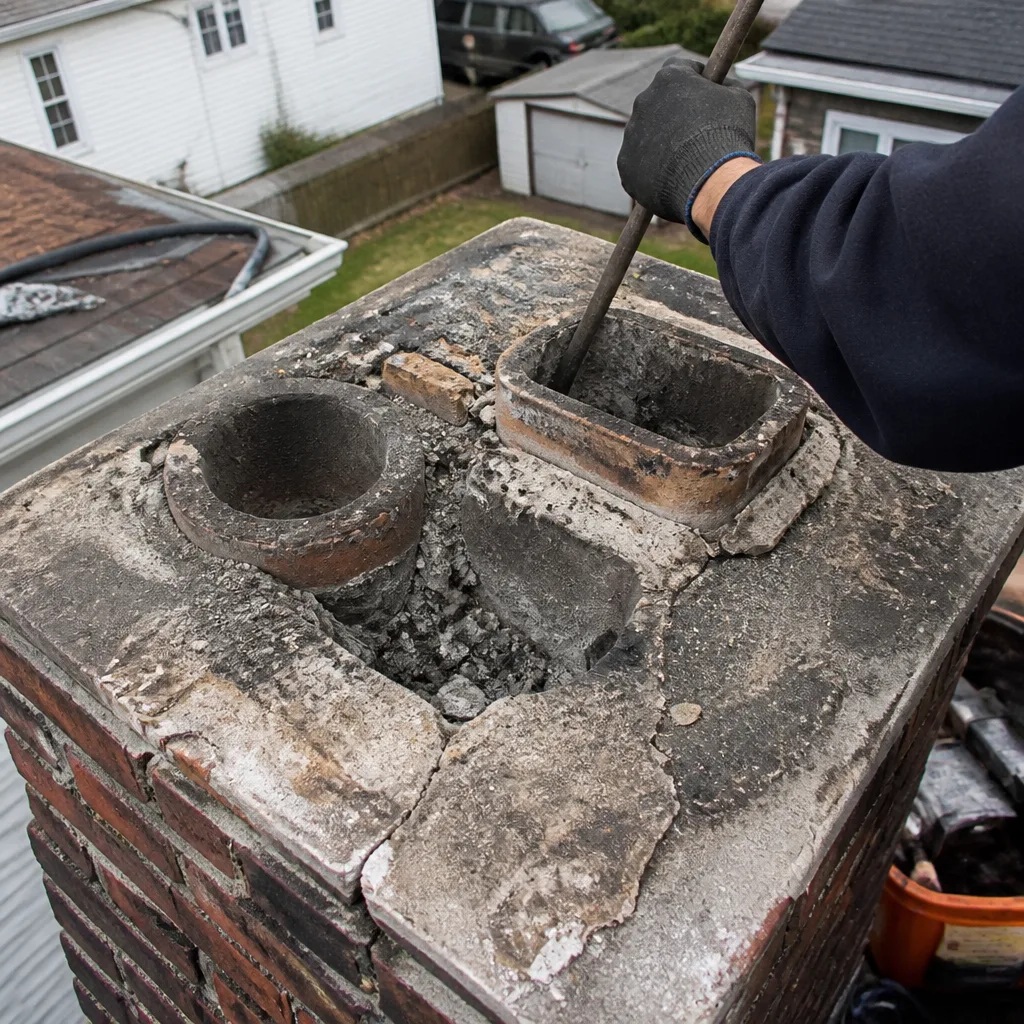 Before
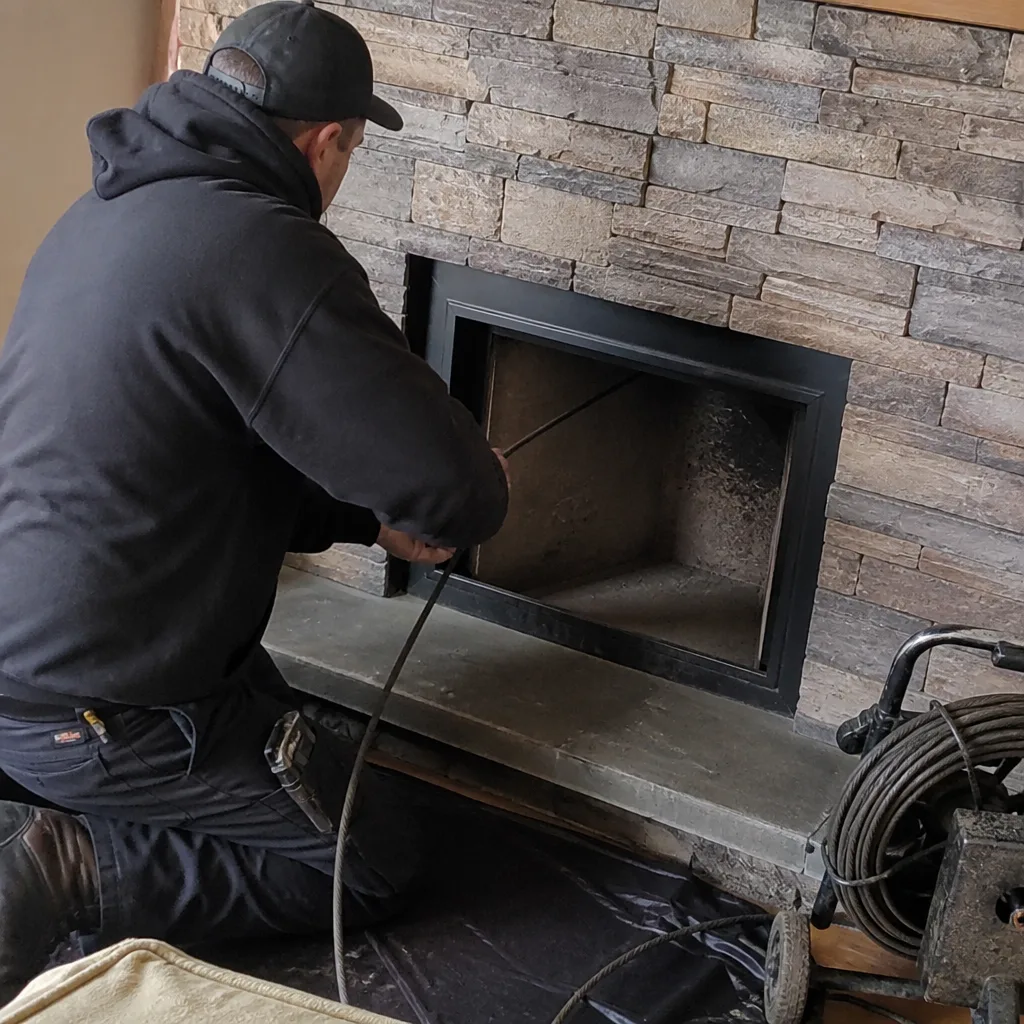 After
AfterSeasonal Chimney Cleaning Care for Newark: Year-Round Homeowner’s Guide
Most Newark homeowners schedule chimney work around one date: the first cold snap in October. That’s the single worst time to book a sweep, and it’s not because of the weather. In a dense urban market like Newark, where thousands of chimneys in the Ironbound, Forest Hill, and Weequahic were built before 1960 and converted to gas or pellet stoves decades later, the real seasonal calendar runs from August to April. It’s driven by fuel type, building age, and three specific failure modes that accumulate quietly between October and March. By the time you’re shopping for a chimney sweep in Newark in mid-October, the crews who do camera-scan inspections are already booked three weeks out, and the chimney problems that should have been caught in summer are now urgent. This guide maps the whole year for Newark homeowners so you can schedule before the rush, catch freeze-thaw damage while it’s still a $400 repair, and know exactly what your chimney needs in each season.
Quick Answer
A seasonal chimney cleaning schedule in Newark NJ runs on four anchor dates: an August pre-season camera scan, an October pre-burn confirmation, a February mid-season creosote check, and an April post-season cap and damper inspection. Gas appliance chimneys still need annual camera inspection, but their cleaning cadence is different from wood-burning systems. Budget $189 to $349 for a standard sweep and Level 2 camera inspection in Newark, with most homeowners completing the work in early fall before contractor demand peaks-see our Chimney Cleaning Cost Breakdown: The Newark Homeowner’s Reference for 2026 for full pricing details.
Table of Contents
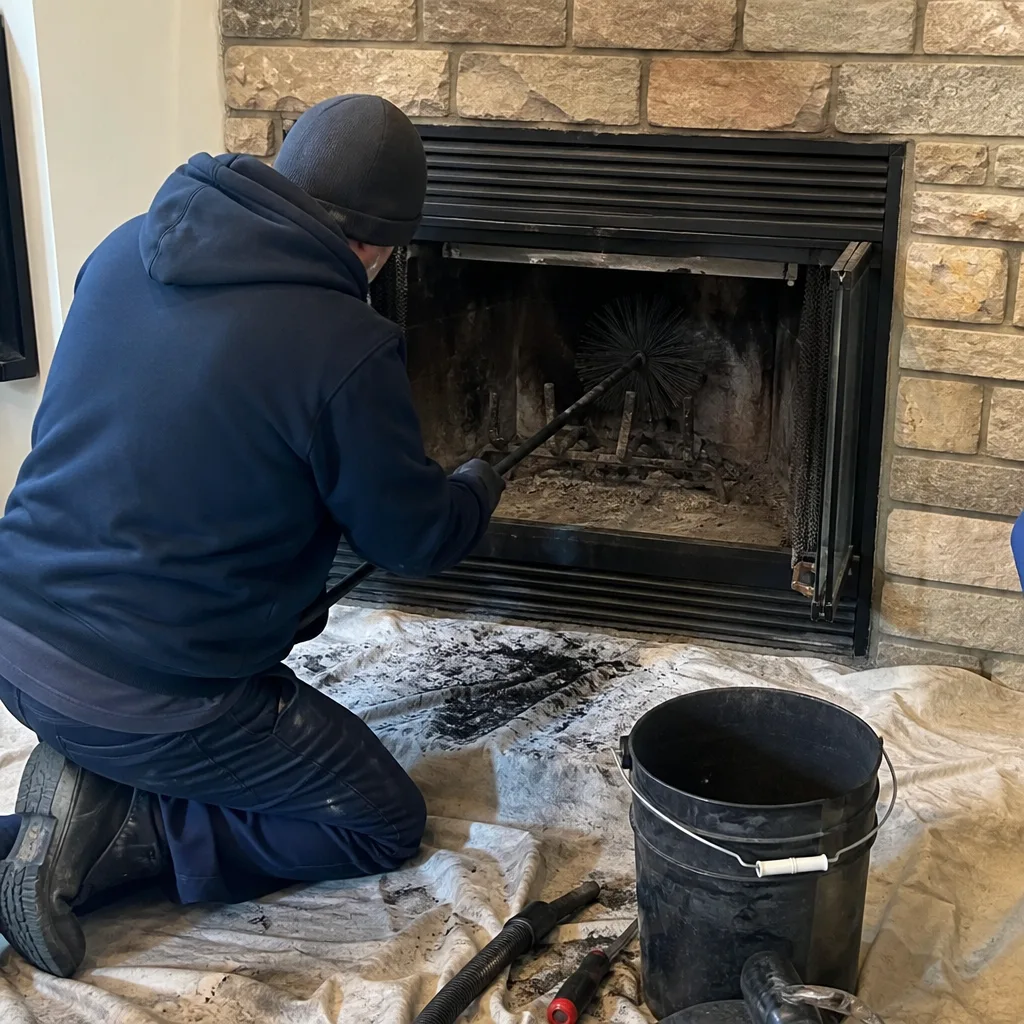
- Why Newark’s Seasonal Chimney Calendar Is Different
- Month-by-Month Breakdown: Your Newark Chimney Calendar
- Gas vs. Wood vs. Pellet: How Fuel Type Changes Your Seasonal Schedule
- Creosote Formation in Newark’s Urban Environment
- Spring Freeze-Thaw Damage: What Winter Does to Mortar Crowns and Flashing
- Scheduling Around Newark Contractor Demand Peaks
- What Seasonal Chimney Care Costs in Newark
- Common Mistakes to Avoid
- When to Call a Professional
- Frequently Asked Questions
- The Bottom Line
BeforeAfterWhy Newark’s Seasonal Chimney Calendar Is Different
The conventional advice is “get your chimney cleaned every fall.” It’s not wrong, but for Newark homeowners it’s incomplete. Newark’s housing stock is older and denser than almost anywhere else in New Jersey. According to city data, roughly 70% of Newark’s residential buildings predate 1950. In neighborhoods like the North Ward and Vailsburg, that means masonry chimneys built for coal and wood combustion, later converted for oil, then natural gas, then sometimes back to wood or pellet stoves. Each conversion changed the flue dynamics. The chimney you have now rarely matches the chimney that was installed in 1927.
That mismatch has a seasonal rhythm. Here’s what we see at Level Two Chimney Newark home every year:
- August through September: Homeowners realize the smell or draft problem they ignored all summer will matter when the heat comes on. Panic-scheduling begins.
- October through November: First burns happen in converted gas systems. Carbon monoxide detectors age out. Chimney caps that rusted through in summer rain start leaking into the flue.
- December through February: The highest creosote accumulation of the year in wood-burning systems. Mid-season failures of clay tile liners cracked by freeze-thaw cycles.
- March through April: The thaw. Spalling brick and fractured crowns reveal themselves. Water intrusion becomes the dominant issue.
Newark’s urban heat island also matters. The city runs 2 to 5 degrees warmer than surrounding Essex County suburbs, which extends the mild shoulder seasons. That changes when homeowners stop burning and when moisture has a chance to settle in flues. More on that below.
Month-by-Month Breakdown: Your Newark Chimney Calendar
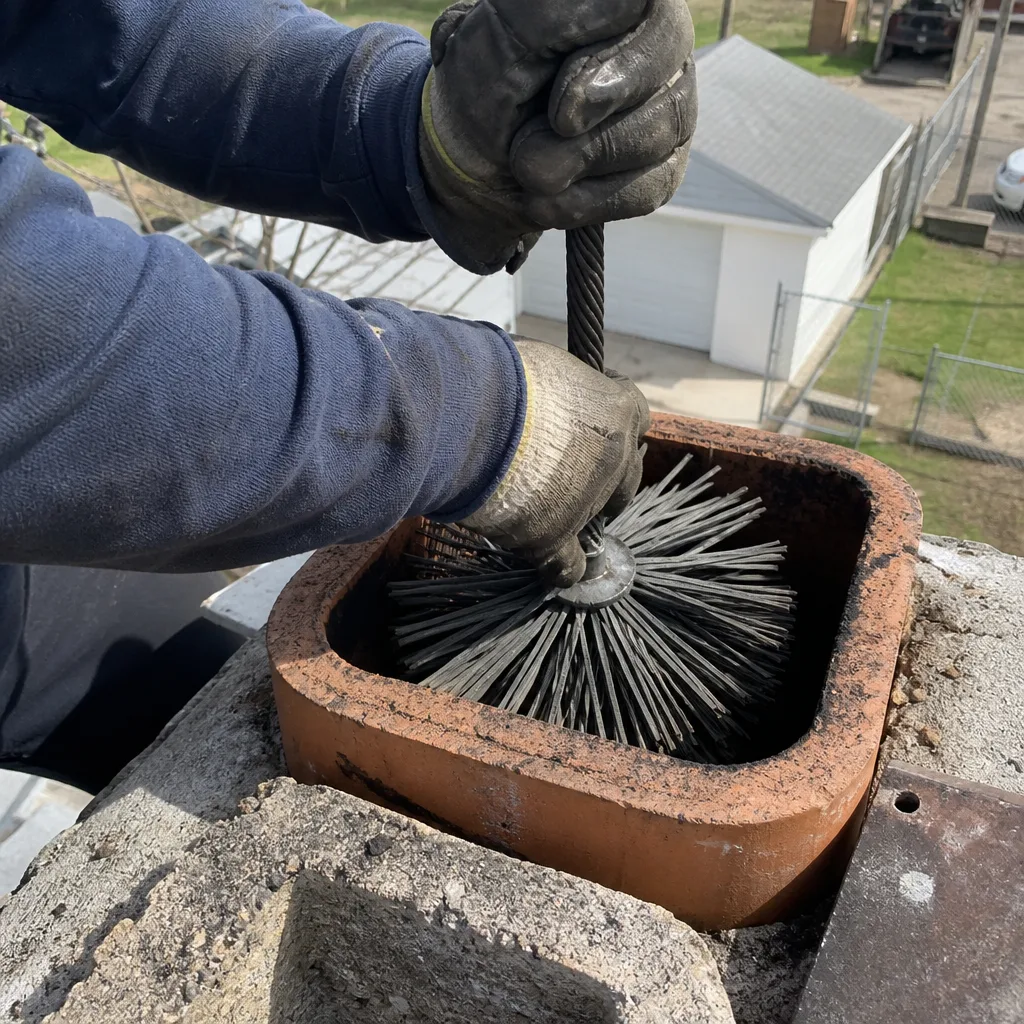
Here’s the schedule we recommend for Newark homeowners, built from 38,000+ inspections since 2009. This is what the season actually looks like when you’re not reacting to a problem.
August: Pre-Season Camera Scan
August is the single most underutilized month in chimney maintenance. The weather is stable, the flue is dry, and contractor calendars are open. What should happen in August:
- Schedule a Level 2 camera inspection. This is a full internal scan of the flue liner using a camera, not a flashlight. NFPA 211 defines the standard. It catches cracks, gaps, and creosote staging before the burn season starts.
- Check the chimney cap and spark arrestor. Newark’s summer storms and pigeon activity do real damage to caps. A rusted cap in August becomes a water leak by November.
- Test the damper. If it’s stuck, corroded, or won’t seal, you want to know in August, not on the first 40-degree night.
- Confirm your fuel type actually matches your system. A surprising number of Newark homes run gas logs in a flue that was sized for a wood fire, which changes draft performance and inspection requirements.
Booking in August typically means you can choose your appointment time, get a same-week visit, and enter the burn season with a documented record of what your chimney looked like before it went to work. Level Two Chimney Newark has included a documented photo record on every visit since 2009 under Clause 4 of the Haven Standard, so you walk away with images of the flue, not just a verbal summary.
October: Final Pre-Burn Confirmation
October is the last practical window before burn season. If you did your camera scan in August, October is a light-touch confirmation: a visual check, creosote measurement if you’re burning wood, and a damper test. If you skipped August, October is when you’ll discover every issue that summer hid.
The problem is that October in Newark is already contractor peak. Chimney cleaning and sweep appointments in Newark fill 3 to 4 weeks out by mid-September. Waiting until October to call means your first available slot may be in November, after you’ve already started burning, potentially with a flue that has an unseen crack or a creosote stage you didn’t know about.
February: Mid-Season Creosote Check
For wood-burning households, February is the critical mid-season checkpoint. If you burn regularly from November through January, you’ve likely moved from Class I creosote (light, brushable soot) to Class II (flaky, granular deposits) and potentially into Class III territory (glazed, tar-like creosote that’s a genuine fire hazard).
A mid-February inspection catches this escalation while it’s still manageable. The alternative is discovering Class III creosote in March, when a simple sweep has become a more involved removal process. For gas-burning homes, February is also worth a check, but the concern isn’t creosote. It’s moisture accumulation from winter condensation and any blockage that’s developed over the previous three months.
April: Post-Season Cap and Damper Inspection
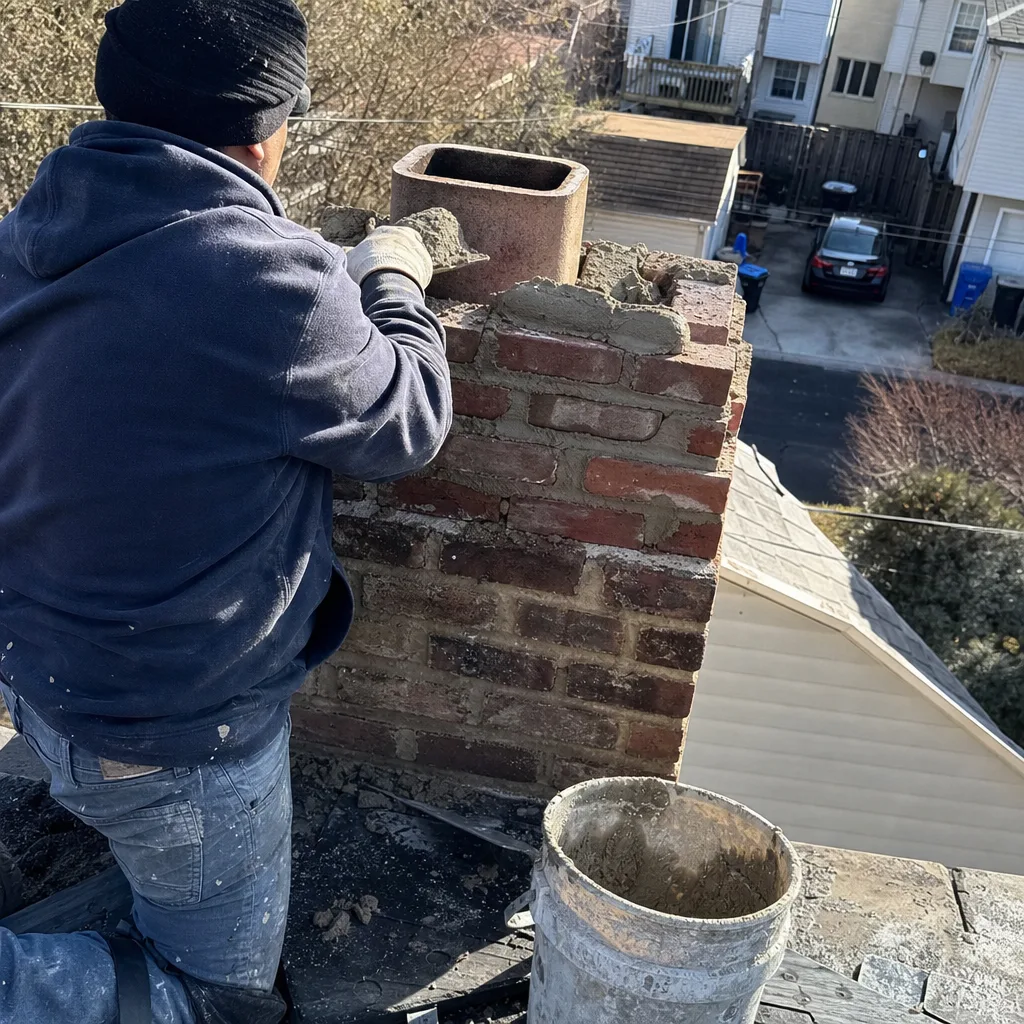
April is when Newark’s freeze-thaw cycle finishes its annual assault on masonry. Here’s what we look for in April:
- Spalling brick - brick faces flaking or popping off due to water freezing inside the masonry
- Crown cracks - the mortar cap at the top of the chimney fractures as absorbed water expands
- Flashing separation - the metal barrier where chimney meets roof pulls away after repeated expansion and contraction
- Damper corrosion - winter condensation accelerates rust in the damper assembly
- Cap damage - snow load and ice damming can warp or dislodge caps
An April inspection catches this damage while it’s early. Repairing a cracked crown in April costs a few hundred dollars. Letting it go until October means water has had six more months to seep into the flue, freeze, expand, and compound the damage. What starts as a $400 crown repair becomes a $3,000 liner and masonry rebuild.
Gas vs. Wood vs. Pellet: How Fuel Type Changes Your Seasonal Schedule
Newark has a specific fuel-type distribution that differs from the suburbs. A significant portion of Newark’s older housing stock runs on natural gas, often with vented gas logs sitting inside a firebox originally built for wood. There’s also a smaller but consistent wood-burning population in single-family homes, plus a growing number of pellet stove installations in converted basements and smaller homes.
Each fuel type changes the seasonal maintenance rhythm, the inspection priority, and the failure mode you’re most likely to encounter.
Gas Logs in a Converted Wood-Burning System
Gas is often treated as maintenance-free. That’s wrong in Newark. A gas appliance vented through an old clay tile flue is actually a more complex system than a wood burner, because gas combustion produces high-moisture exhaust at lower temperatures than wood smoke. That warm, moist exhaust condenses on the cooler clay tile walls of the flue, and the condensate is acidic. Over a decade or two, it eats through mortar joints and causes the tiles to crack and spall from the inside.
For gas systems in Newark, here’s the seasonal reality:
- Annual camera-scan inspection is non-negotiable. Gas is the fuel type most likely to hide internal liner failure, because there’s no visible smoke or creosote to signal a problem. A camera is the only way to see it. Clause 4 of the Haven Standard has required a documented photo record on every visit since 2009, specifically because gas systems hide damage so well.
- Cleaning intervals are longer. Gas doesn’t produce creosote, so a cleaning may only be needed every 2 to 5 years. But the inspection should be annual.
- The main seasonal concern is moisture. Gas flues run cooler than wood flues, which means the condensation window is longer in Newark’s shoulder seasons. April and October inspections should focus on moisture intrusion.
Wood-Burning Systems
Wood is the highest-maintenance fuel type and the one where seasonal scheduling matters most directly.
- Creosote accumulates with each burn. Burn frequency, wood moisture content, and flue temperature all affect creosote staging. Newark homeowners burning through the full winter can move from Class I to Class III creosote within a single season.
- Mid-season inspection matters. February is the right time. Don’t wait until April.
- Chimney fires are the failure mode to avoid. Class III creosote is the primary fuel for chimney fires. A chimney fire can crack the flue liner, which then requires a rebuild, not a sweep.
Pellet Stoves
Pellet stoves are a different animal. They vent through smaller, dedicated flues and produce a distinct type of ash that can accumulate quickly. The seasonal concern is ash buildup restricting draft and reducing burn efficiency, which happens over the course of a heating season. A January or February vent cleaning is often necessary for Newark pellet stove users, followed by a post-season cleaning in April before the stove sits dormant through summer.
Creosote Formation in Newark’s Urban Environment
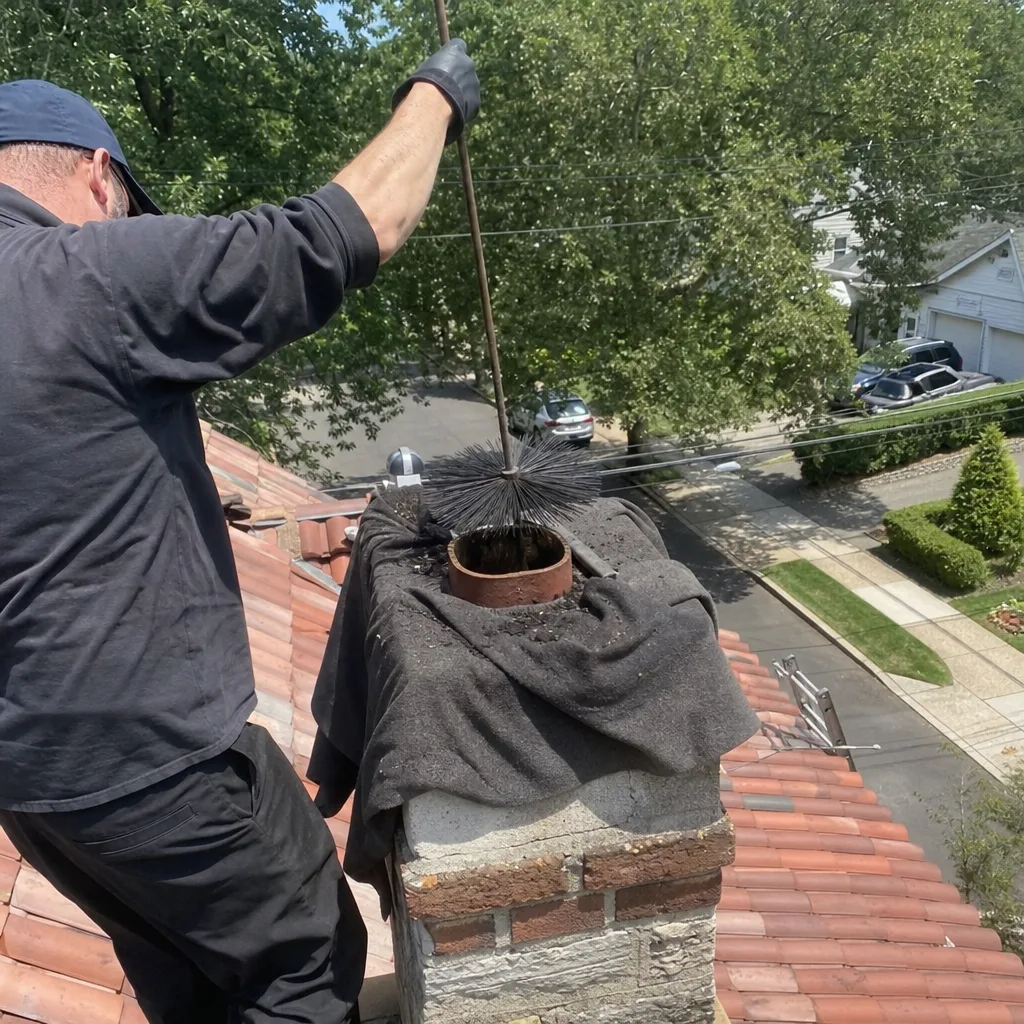
Creosote doesn’t form at the same rate everywhere. It’s a product of incomplete combustion, which is affected by flue temperature, wood moisture, and air supply. Newark’s built environment changes several of those variables.
The urban heat island effect means Newark’s shoulder seasons run warmer than surrounding towns like Maplewood or South Orange. That means flues warm up more slowly in October and stay warmer in March, which extends the window where water vapor from combustion has time to condense in the flue. Condensation is a prerequisite for creosote formation. The longer the condensation window, the faster creosote builds.
There’s also a particulate factor. Newark’s air carries more particulates than suburban Essex County, from traffic, industrial activity, and port operations. That doesn’t directly create creosote, but it affects the overall flue environment, which is why we see creosote formation rates in Newark that run ahead of the suburban baseline, even for identical burn patterns.
The practical takeaway: if you’re burning wood in a single-family Newark home, a standard “once a year” sweep cadence may not be enough. A February mid-season check is cheap insurance against moving into Class III territory. Level Two’s technicians use the trade’s staging vocabulary: Class I creosote is light and brushable, Class II is flaky granular buildup, and Class III is glazed, tar-like and actively dangerous. If a sweep finds Class III glazed creosote, it requires specialized removal, not a standard brushing.
Spring Freeze-Thaw Damage: What Winter Does to Mortar Crowns and Flashing
Newark’s worst chimney threat in spring isn’t creosote. It’s water. And the damage is already in motion before the first thaw.
Here’s the mechanism. Masonry absorbs water. In Newark’s climate, with freeze-thaw cycles running from November through March, water that soaks into brick and mortar during the day freezes at night. Frozen water expands by about 9%. That expansion force, repeated across dozens of freeze cycles, pushes apart brick faces and fractures mortar joints.
The crown, which is the concrete or mortar cap that seals the top of the chimney, is the first casualty. Most Newark chimneys built before 1970 have basic mortar crowns, which crack under freeze-thaw stress within 20 to 30 years. Once a crown cracks, water enters the chimney structure directly, and the problem compounds.
Here’s what this looks like in different Newark housing types:
- Rowhomes in the Ironbound: Chimneys are shared or immediately adjacent to neighboring properties, which accelerates heat loss from the flue and makes moisture accumulation worse. April inspections frequently find fractured crowns and separated flashing where the shared roofline meets the chimney.
- Single-family homes in Forest Hill and Weequahic: These homes typically have larger masonry chimneys built for wood, often still in service. Freeze-thaw damage to the crown and upper courses of brick is the dominant spring finding.
- Post-war construction in the South Ward: Many of these homes have thinner, more modern chimneys. The failure mode is usually flashing separation, because the roofline expands and contracts at a different rate than the masonry.
Catching this in April, not October, is the difference between a $400 crown repair and a $3,000 plus rebuild. If a camera scan reveals liner damage from water intrusion, brands like DuraFlex and HeatShield are what we use for resurfacing or relining. Chimney repair in Newark is always cheaper when the damage is in its first year.
Scheduling Around Newark Contractor Demand Peaks
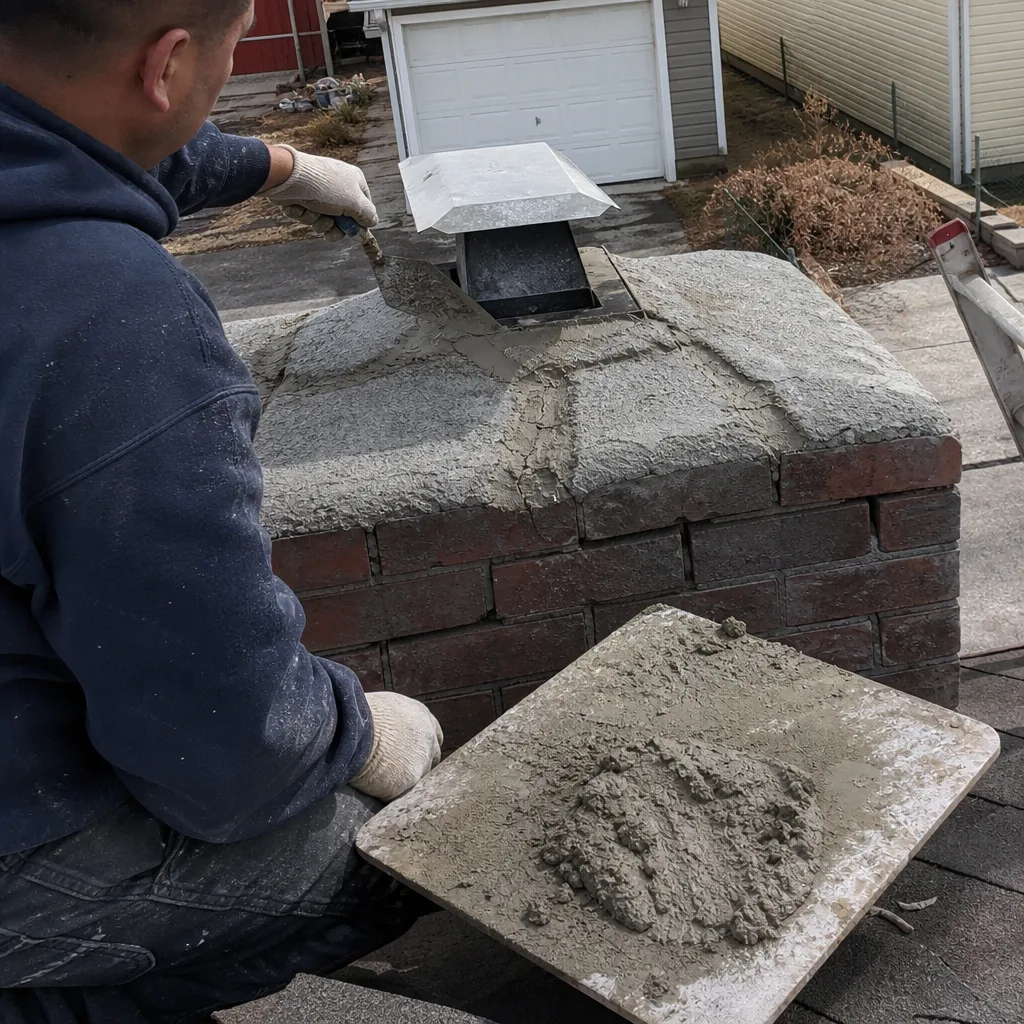
Here’s the scheduling reality that no one tells you: by mid-September, every credible chimney company in Newark is booked 3 to 4 weeks out. That’s not a marketing tactic. It’s the seasonal rhythm of a trade where thousands of homeowners all decide to schedule at the same time.
The first cold snap in October triggers the rush. The sequence looks like this:
- Late August: A small wave of proactive homeowners books. Wait times are under a week.
- Mid-September: The wave builds as the first cool nights arrive. Wait times stretch to 2 weeks.
- Early October: The first burn happens and the smell of soot, smoke, or gas gets noticed. Wait times hit 3 to 4 weeks.
- November: Urgent calls come in from homes with carbon monoxide alarms going off, damper failures, and chimney fires. Some Newark homeowners wait 6 weeks for non-emergency service.
The fix is simple: book in August. It’s the only month where you can get a same-week appointment, choose a time that works for you, and complete a pre-season inspection before demand peaks. If that ship has sailed, February and April are the other two windows where demand slackens and wait times drop back to a week or less.
And there’s a hidden advantage to August booking. Every job at Level Two Chimney Newark comes with a written price before work starts, under Haven Standard Clause 1. An August inspection gives you a written record of your chimney’s condition before the burn season, which makes any February or April follow-up faster and more accurate. The baseline already exists.
What Seasonal Chimney Care Costs in Newark
Newark pricing runs slightly above the national average due to the age of the housing stock and the resulting complexity of the work, but below Manhattan and Brooklyn rates. Here’s what homeowners should expect in 2026, based on the pattern we see across Newark’s five wards:
- Standard chimney sweep and camera inspection: $189 to $349, depending on chimney height, accessibility, and fuel type. Gas systems run at the lower end; wood systems with significant creosote run higher.
- Level 2 camera inspection only: $149 to $249 for a standalone scan with photo documentation. This is what you’d do in August before booking any repair.
- Chimney cap replacement: $300 to $700 installed, using caps from Famco or Copperfield.
- Crown repair: $400 to $900, depending on the extent of cracking and whether a full crown rebuild is required.
- Flue liner resurfacing or relining: $2,500 to $6,000, using HeatShield or DuraFlex systems, depending on flue height and access.
- Full chimney rebuild above the roofline: $4,000 to $12,000, which is the endgame for decades of deferred freeze-thaw damage.
These are Newark market ranges, not universal prices. A camera inspection gives you exact numbers, with a written scope and written warranty delivered before work starts. That’s the standard we’ve operated under since 2009. If you get a competitor’s written quote, bring it in. Level Two offers a Free Second Opinion on any written estimate. We’ll tell you honestly if the work is necessary, if it can wait, and what a fair price actually is.
Common Mistakes to Avoid
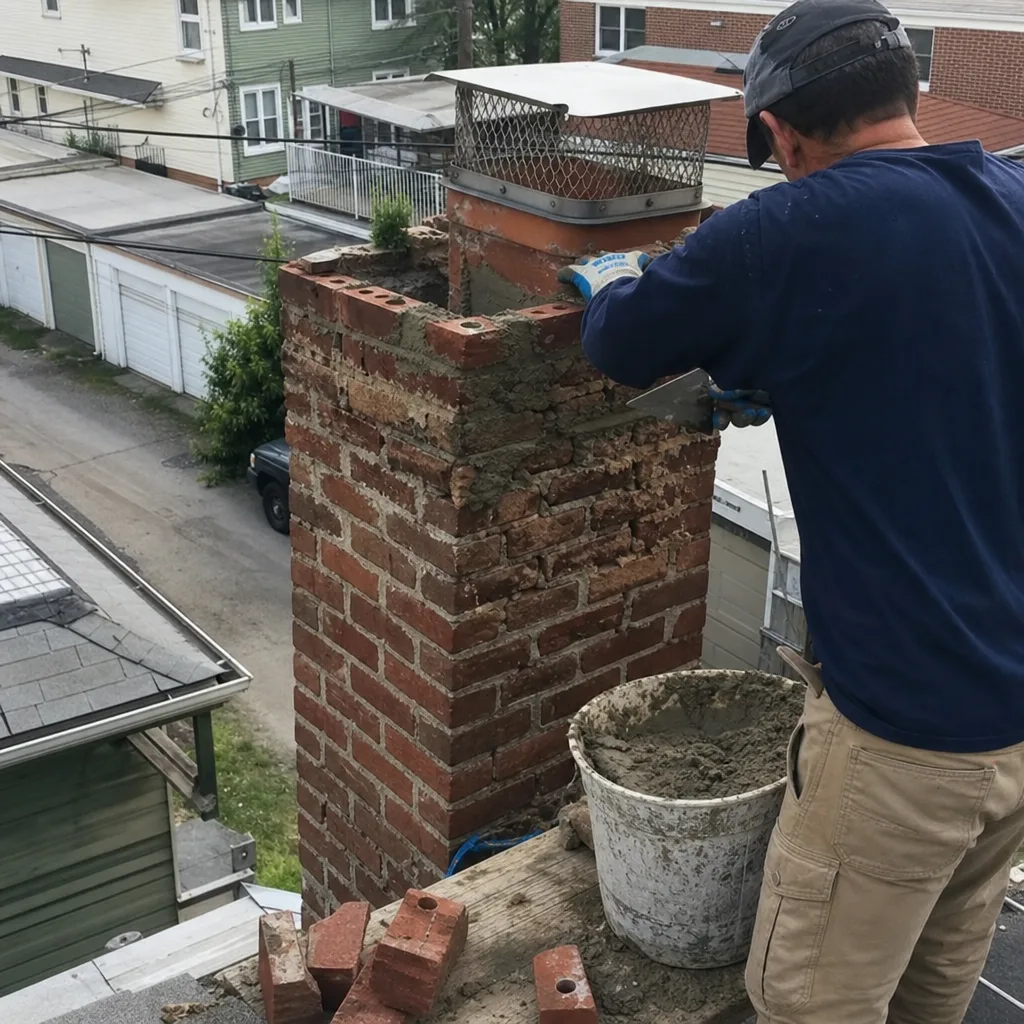
- Assuming gas means no maintenance. In Newark’s older housing stock, gas appliances vented through legacy clay tile flues are exactly the systems where hidden liner failure develops. An annual camera scan catches it; a visual check doesn’t.
- Booking your first sweep in October. By the time you call in October, Newark contractors are booked 3 to 4 weeks out. You’ll be burning with an uninspected flue through the first cold weeks. August is the month to book.
- Skipping the mid-season creosote check. Newark’s urban heat island extends the condensation window, which accelerates creosote staging. A February check is the difference between a simple sweep and a more involved creosote removal.
- Ignoring April freeze-thaw damage. A cracked crown in April costs $400 to repair. The same crown left through summer and fall channels water into the flue and becomes a $3,000 liner and masonry problem by the following year.
- Accepting a verbal inspection report. If a sweep company won’t show you camera footage or provide a documented photo record, you’re paying for an opinion, not an inspection. Clause 4 of the Haven Standard has required photo documentation on every job since 2009.
- Comparing prices without comparing scopes. A $99 sweep in Newark that doesn’t include a camera scan is not cheaper than a $249 sweep that does. You’re paying for different things.
- Waiting until the first burn to discover a damper failure. A damper that froze, corroded, or seized over summer will reveal itself the moment you light the first fire. Test it in August, not November.
When to Call a Professional
Chimney work is not a DIY category. Even the simplest visual inspection involves ladders, rooflines, and masonry that most homeowners can’t access safely. More importantly, the dangerous conditions in a chimney, high-tension repairs aside, are the ones you can’t see: internal liner cracks, disconnected flue sections, and Class III glazed creosote that’s one hot fire away from ignition. A trained professional with a camera can identify these conditions in minutes. A homeowner with a flashlight can’t.
Call a professional if any of these apply: you haven’t had a camera-scan inspection in over 12 months, you’re burning wood regularly and haven’t had a sweep this season, you smell smoke or gas in the house during or after a burn, you see cracks in the crown or spalling brick from ground level, or you’re buying a home in Newark and the chimney hasn’t been inspected. Fireplace services in Newark are available year-round, and Level Two Chimney Newark offers free estimates in Newark, with a written price before work starts on every job. Call (862) 245-4309.
Frequently Asked Questions
For wood-burning systems in Newark, a sweep should happen at least once per year, with a mid-season check in February if you burn regularly. Gas systems don’t produce creosote and may only need a sweep every 2 to 5 years, but the camera inspection should still be annual. Pellet systems typically need vent cleaning twice per season. Call (862) 245-4309 for a free estimate on your specific system.
A standard chimney sweep and camera inspection in Newark ranges from $189 to $349, depending on chimney height, fuel type, and creosote staging. Gas systems run at the lower end. Wood systems with Class II or Class III creosote run higher. A written price is always provided before work starts. Call (862) 245-4309 for an exact quote, which is free.
Yes, and gas is actually the fuel type where a camera matters most. Gas exhaust is moist and acidic, which slowly eats through clay tile liners from the inside while the outside looks fine. A visual or flashlight inspection can’t see internal liner failure. A camera can. That’s why camera-scan documentation has been standard on every Level Two job since 2009.
For wood burners, skipping a season typically means moving from Class I to Class II or Class III creosote, which increases chimney fire risk and makes the eventual cleaning more involved. For gas systems, skipping a season means hidden liner damage continues accumulating without detection. For all systems, skipping the April freeze-thaw inspection allows crown cracks to channel water into the flue for another year, compounding repair costs. Call (862) 245-4309 to get caught up before the next season starts.
August is the best month, because contractor calendars are open and you get a pre-season baseline before burn season. February and April are the next best windows, after demand has dropped from the October peak. The worst time to try to schedule is mid-September through October, when Newark contractors are booked 3 to 4 weeks out.
We don’t recommend it. Roof and chimney access carries a fall risk that isn’t worth the incomplete information you’ll gather. The dangerous conditions in a chimney are internal: liner cracks, disconnected flue sections, and glazed creosote you can’t see from the top. A professional with a camera can identify these in minutes and provide a documented photo record. Call (862) 245-4309 to schedule an inspection without climbing anything.
The Bottom Line
Newark’s seasonal chimney calendar runs on four dates: August for the pre-season camera scan, October for the final pre-burn confirmation, February for the mid-season creosote check, and April for the post-season cap and damper inspection. Gas systems need annual inspection but less frequent cleaning. Wood systems need both, and Newark’s urban environment accelerates creosote formation enough that a mid-season check is worth it. Every job should come with camera documentation, a written price before work starts, and a documented record when it’s done. That’s the standard Level Two Chimney Newark has operated under since 2009, through 38,000+ inspections, and it’s the only way to know what your chimney actually needs, season by season, in Newark. For more guides & resources, visit our blog.
Written by Corrine Halstead, Owner at Level Two Chimney Newark, serving Newark since 2009.