
Last updated September 20, 2026
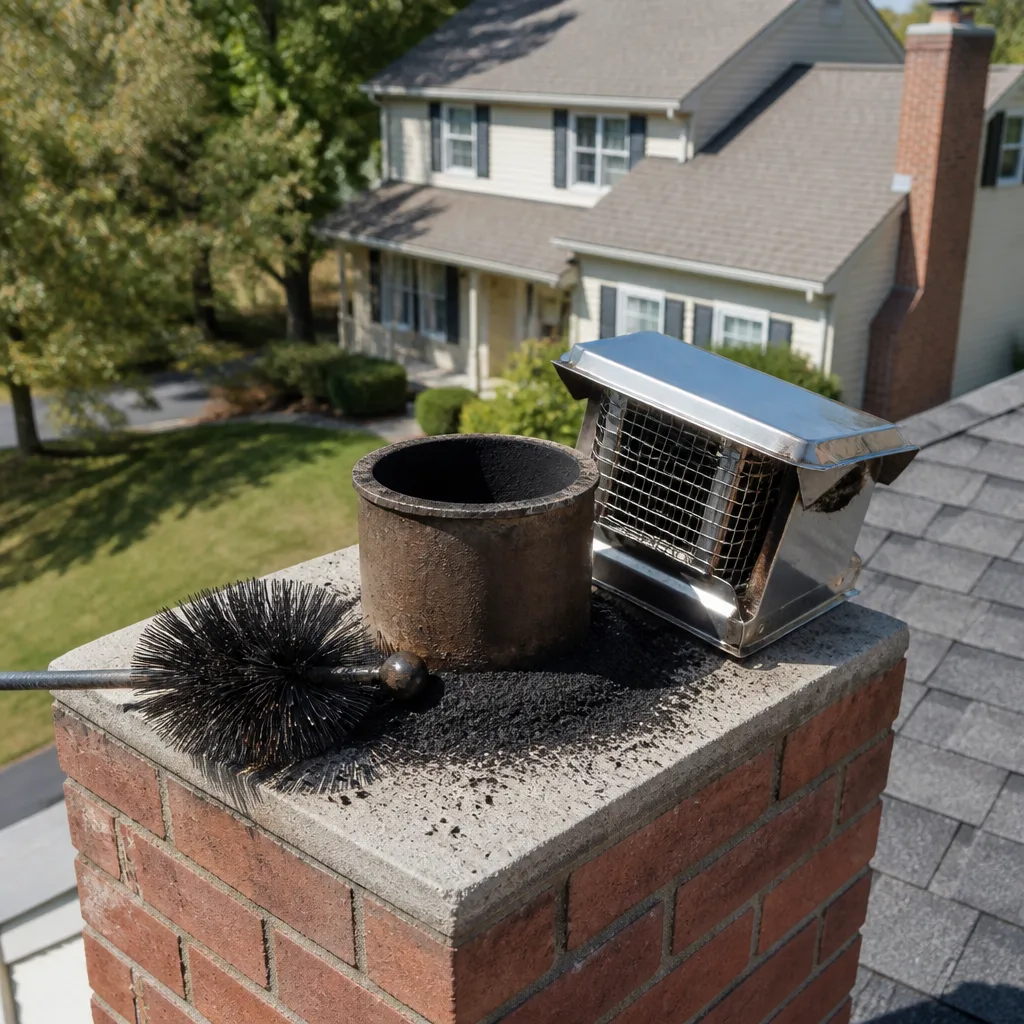
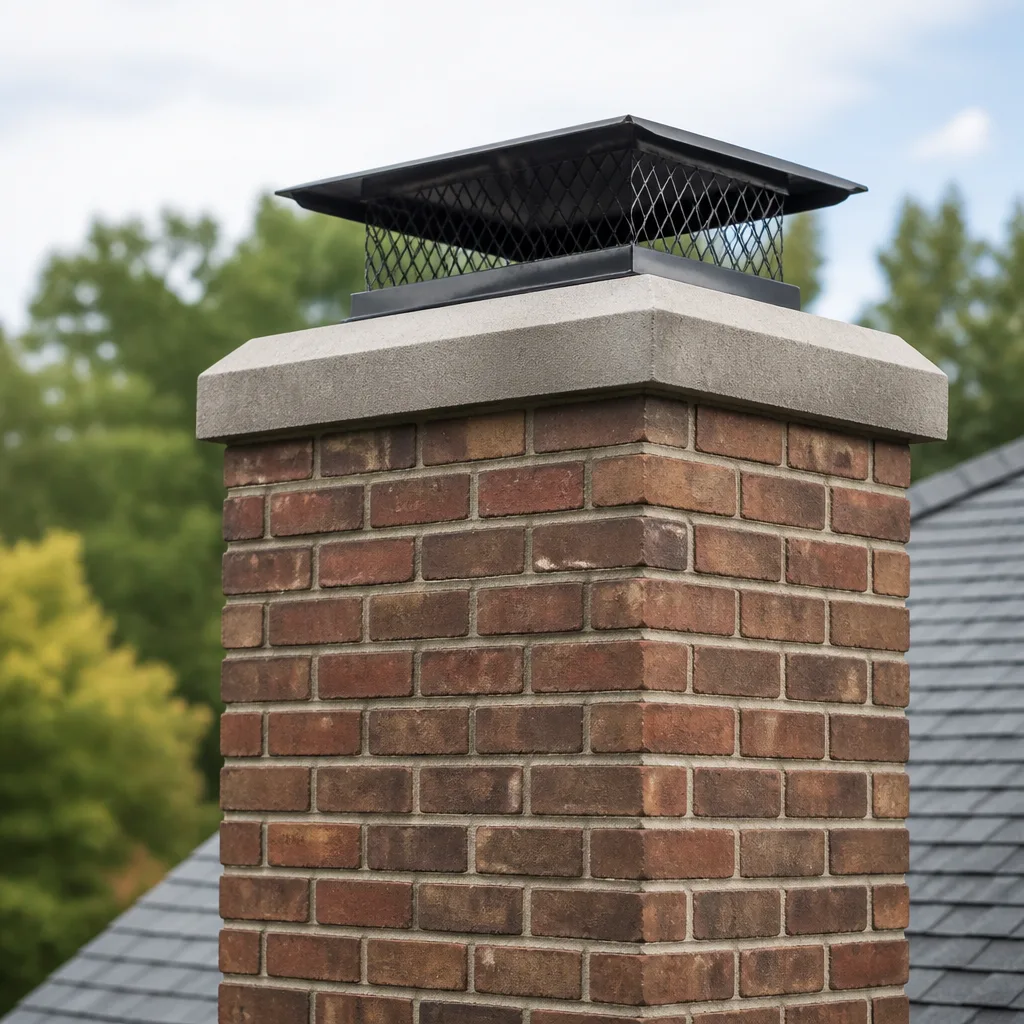
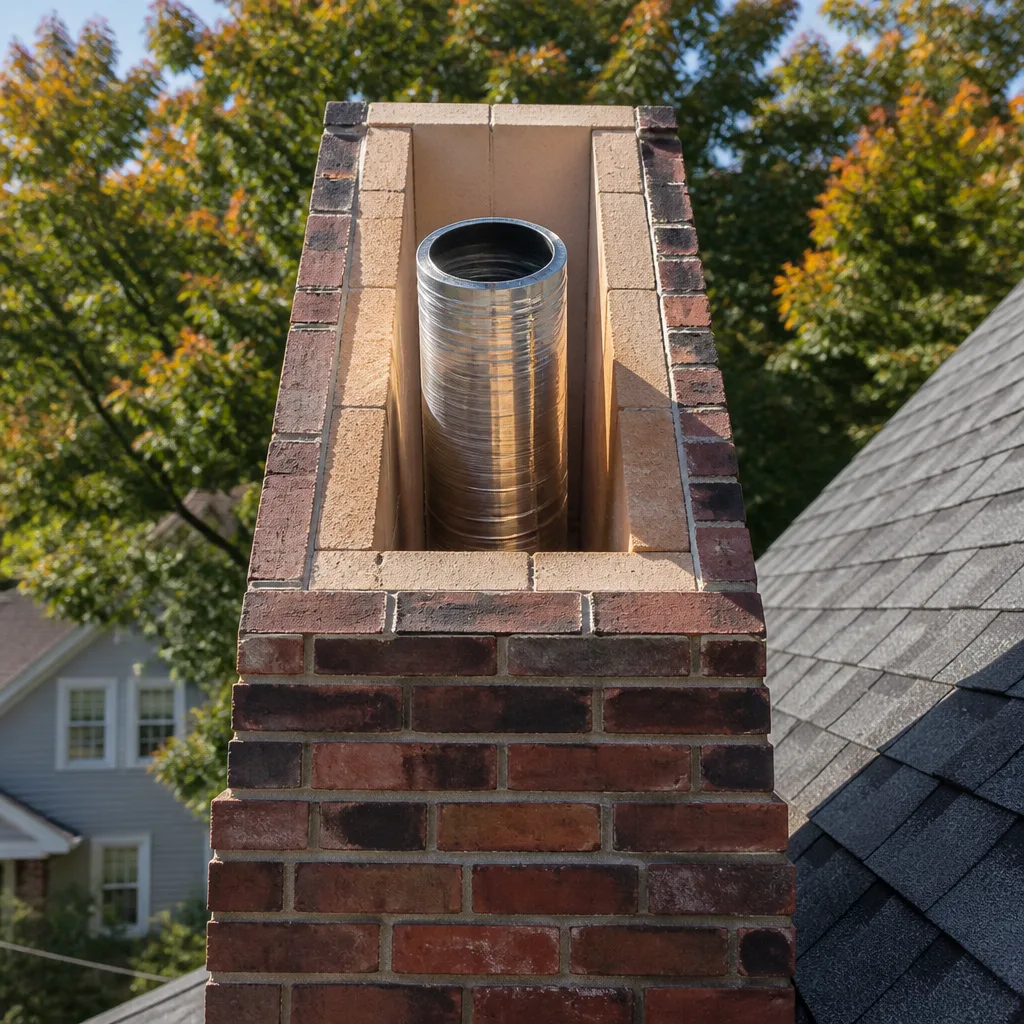
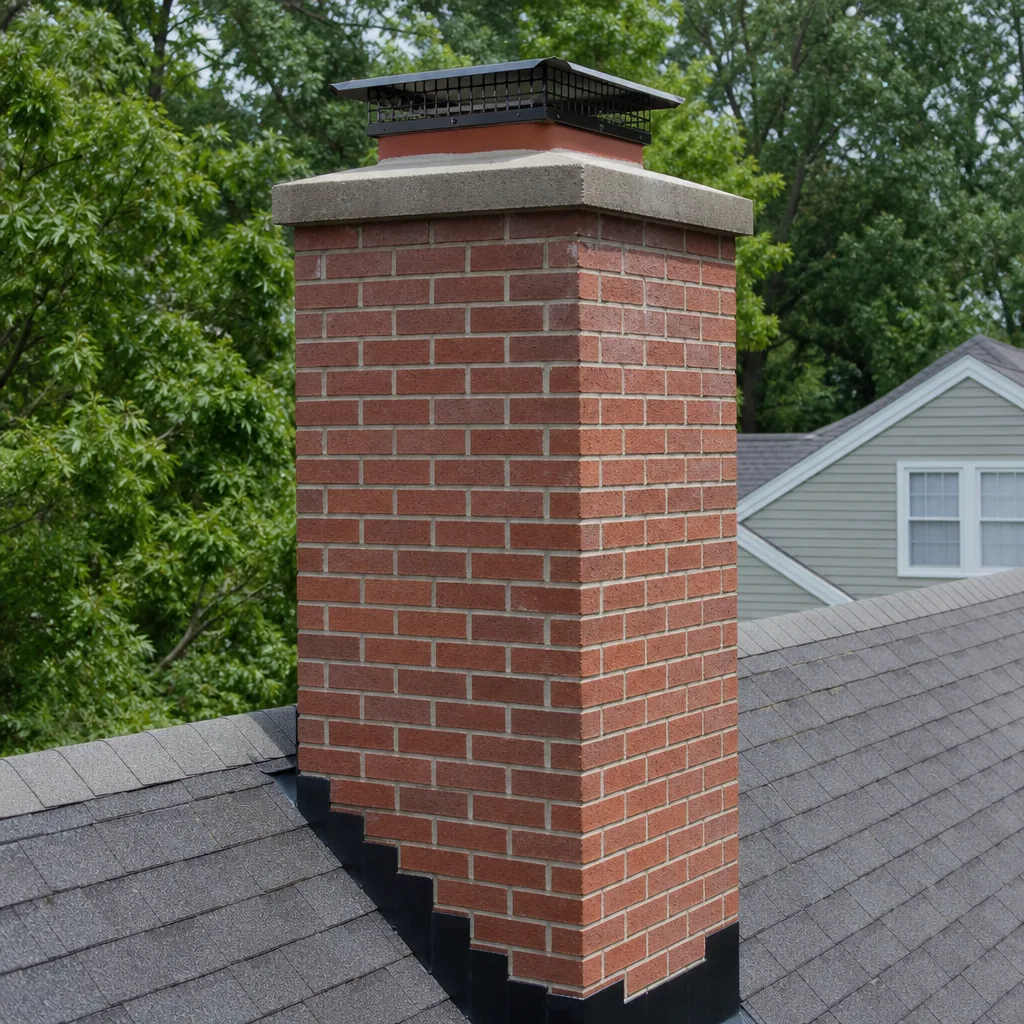
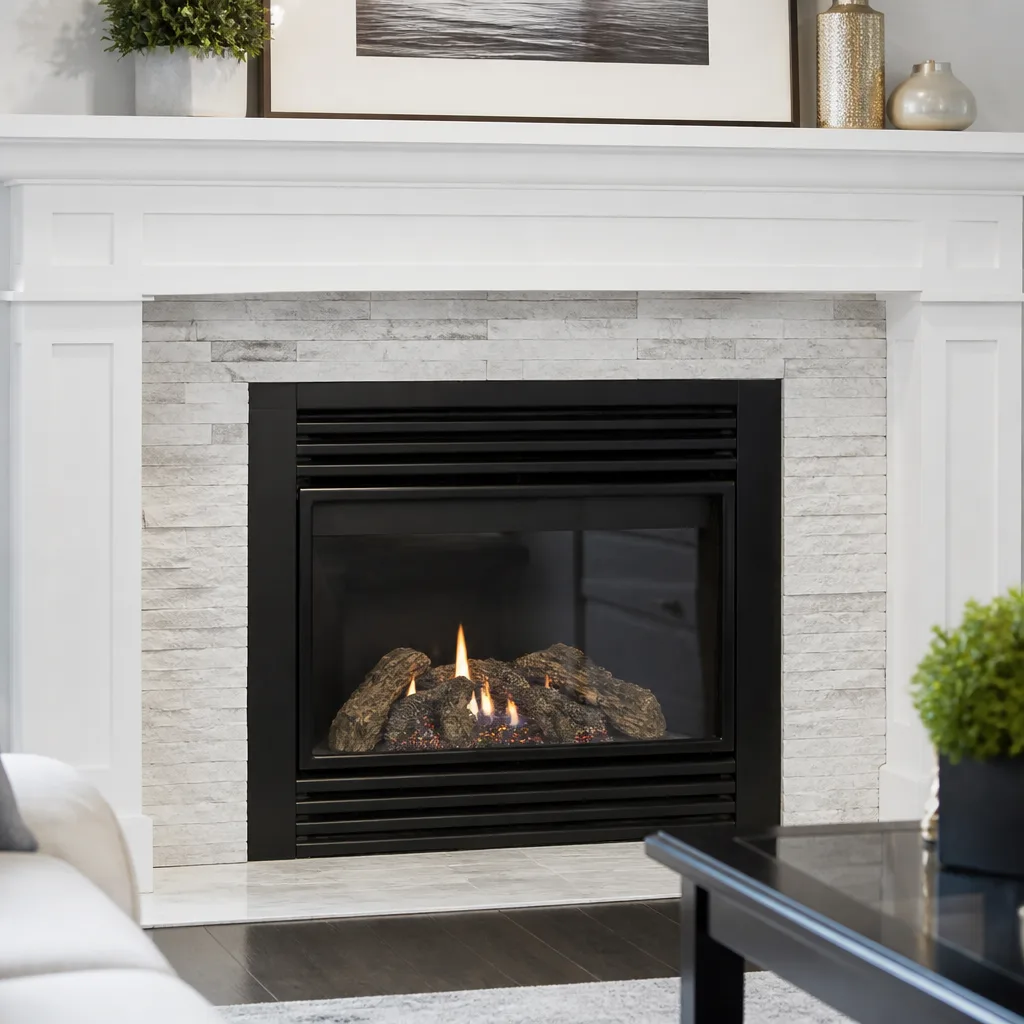
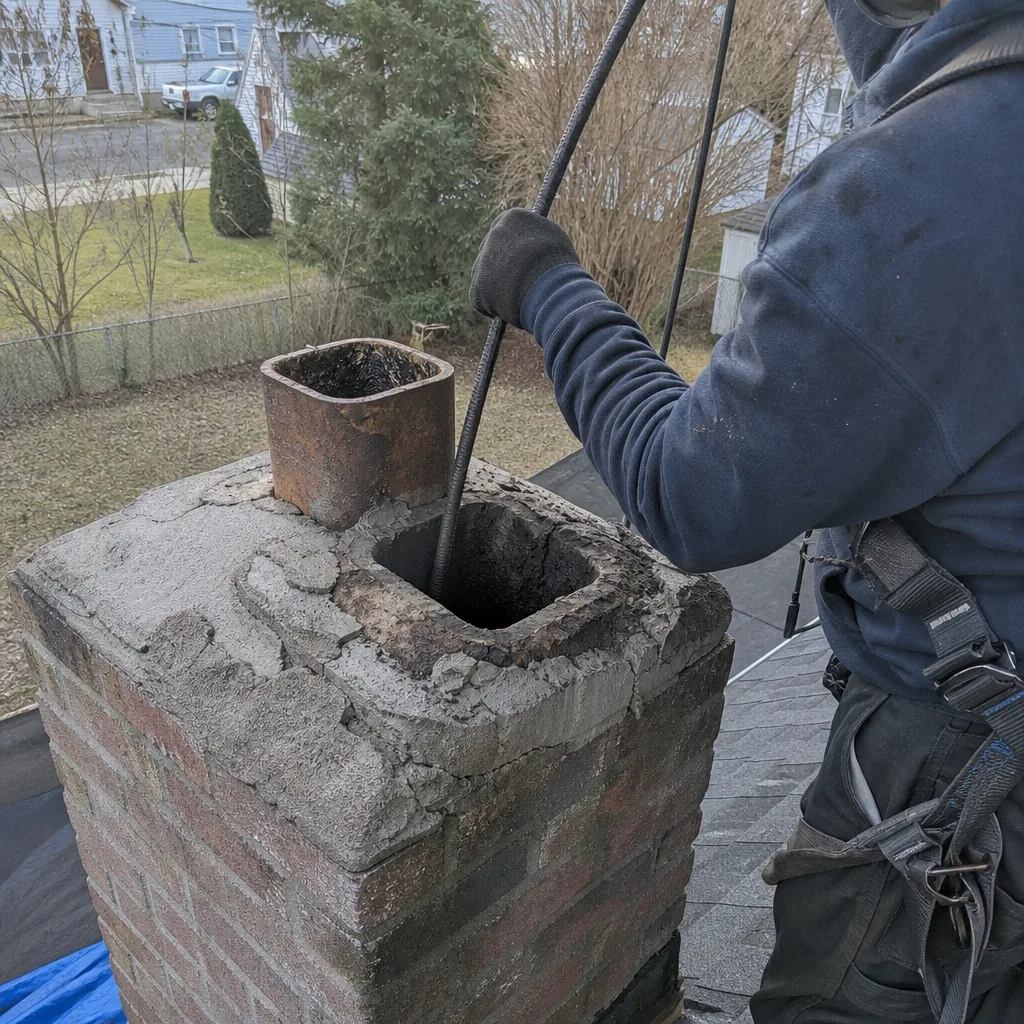
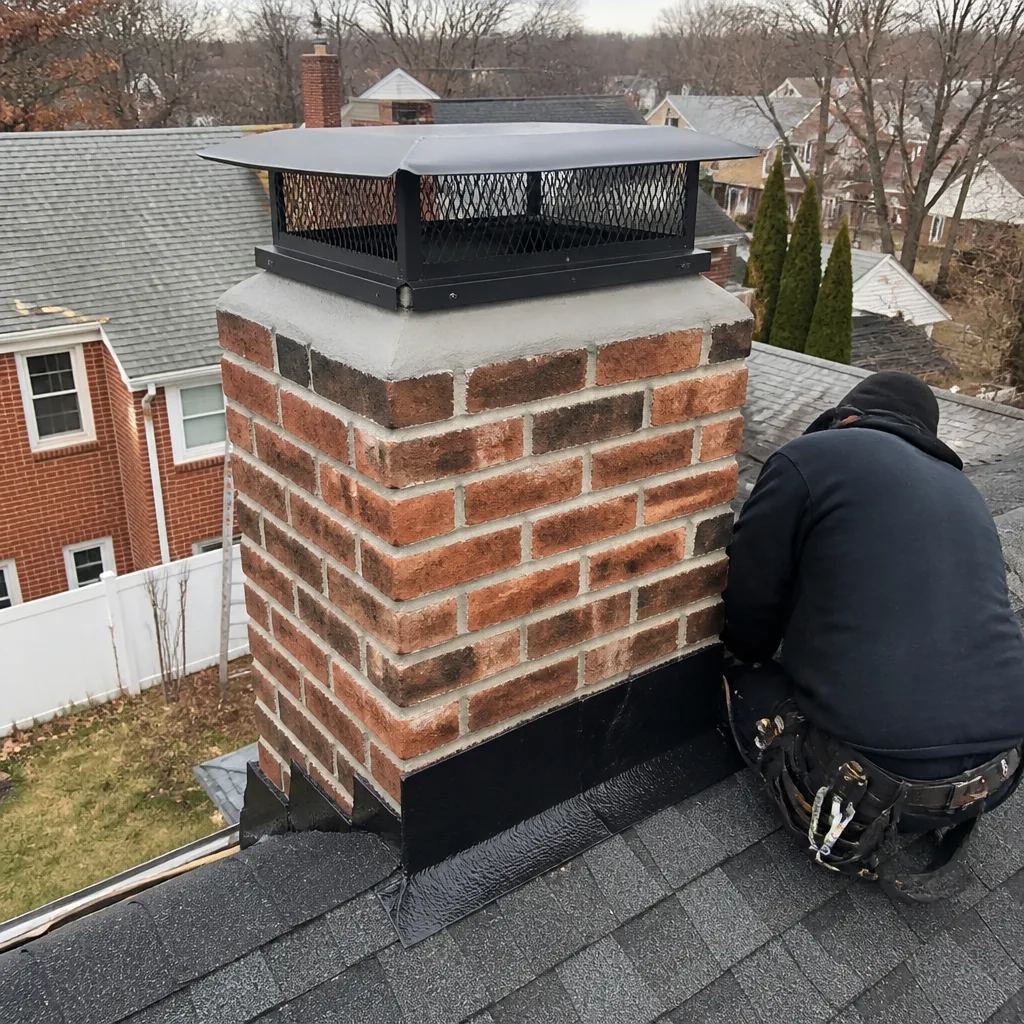
Level 1 sweep and inspection to the NFPA 211 annual standard - flue, crown, cap, and flashing checked and photographed
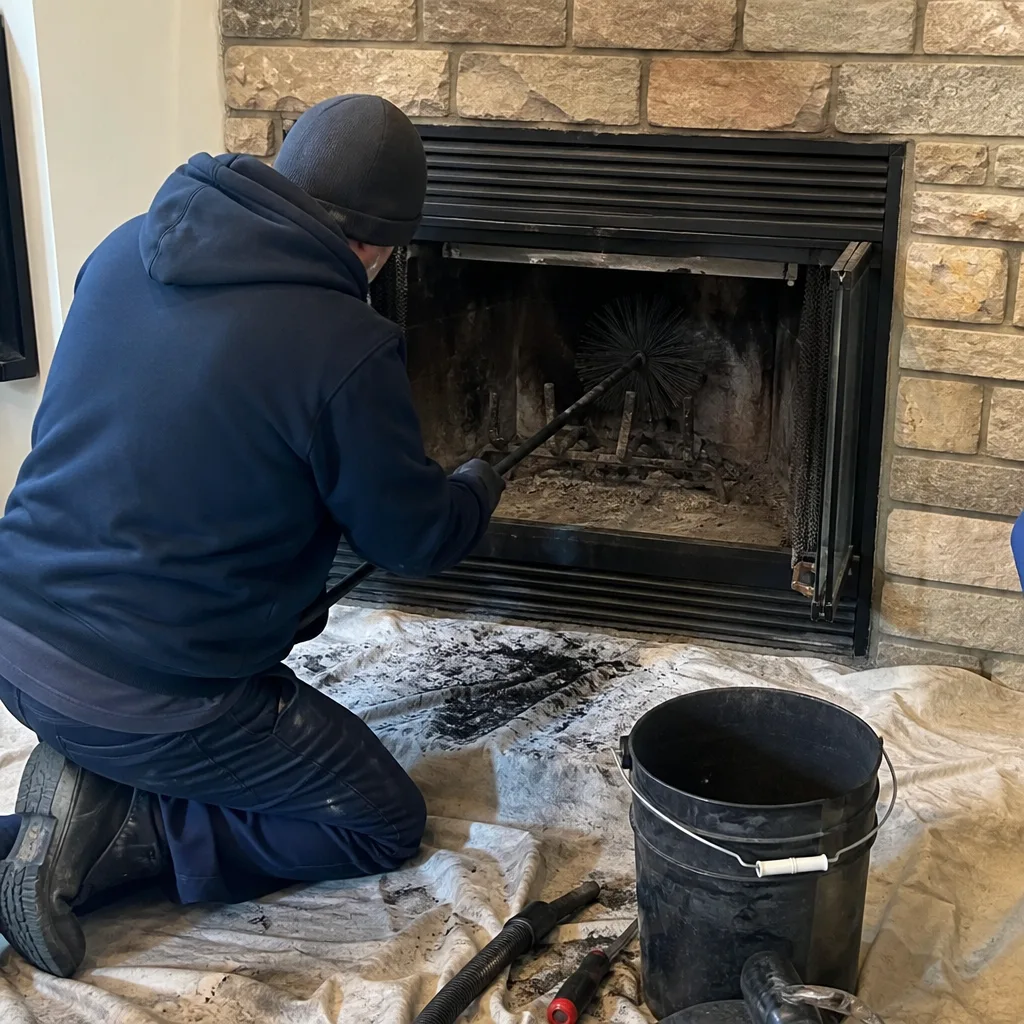
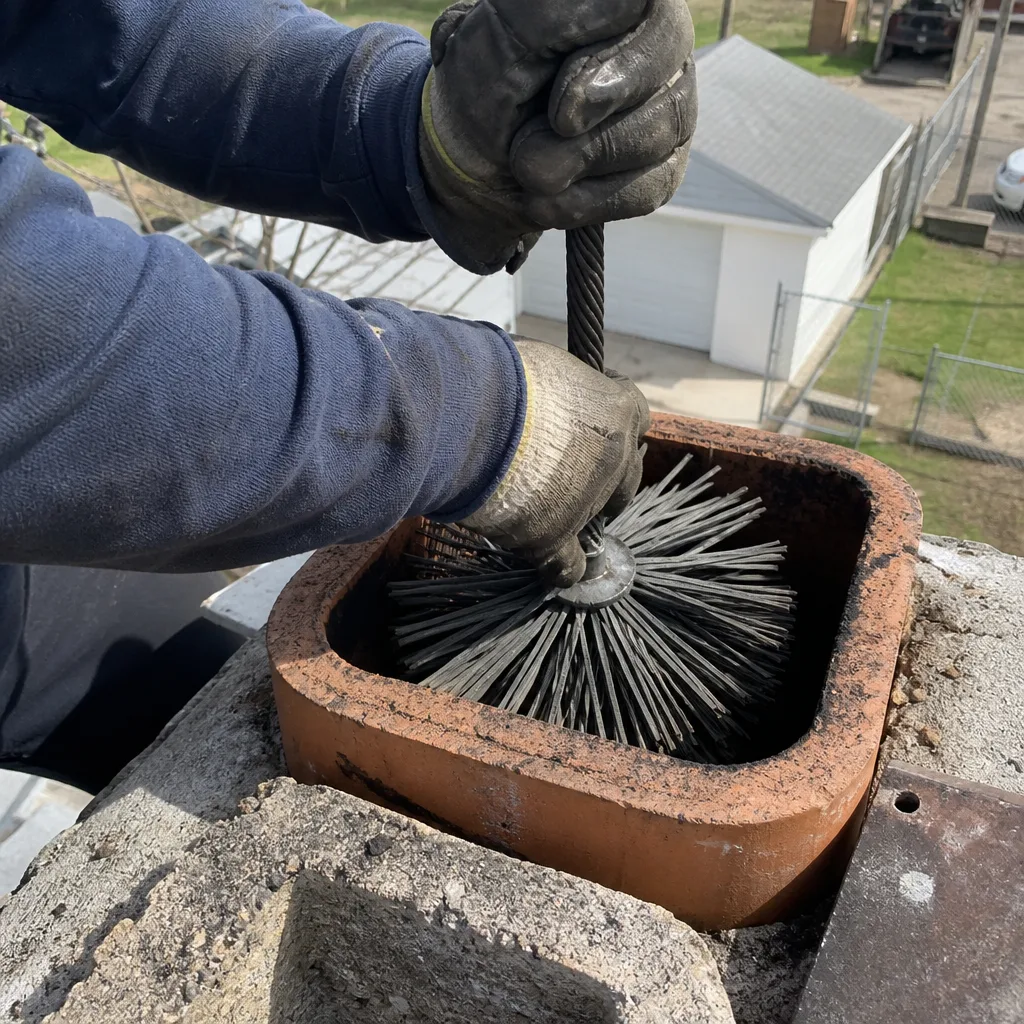
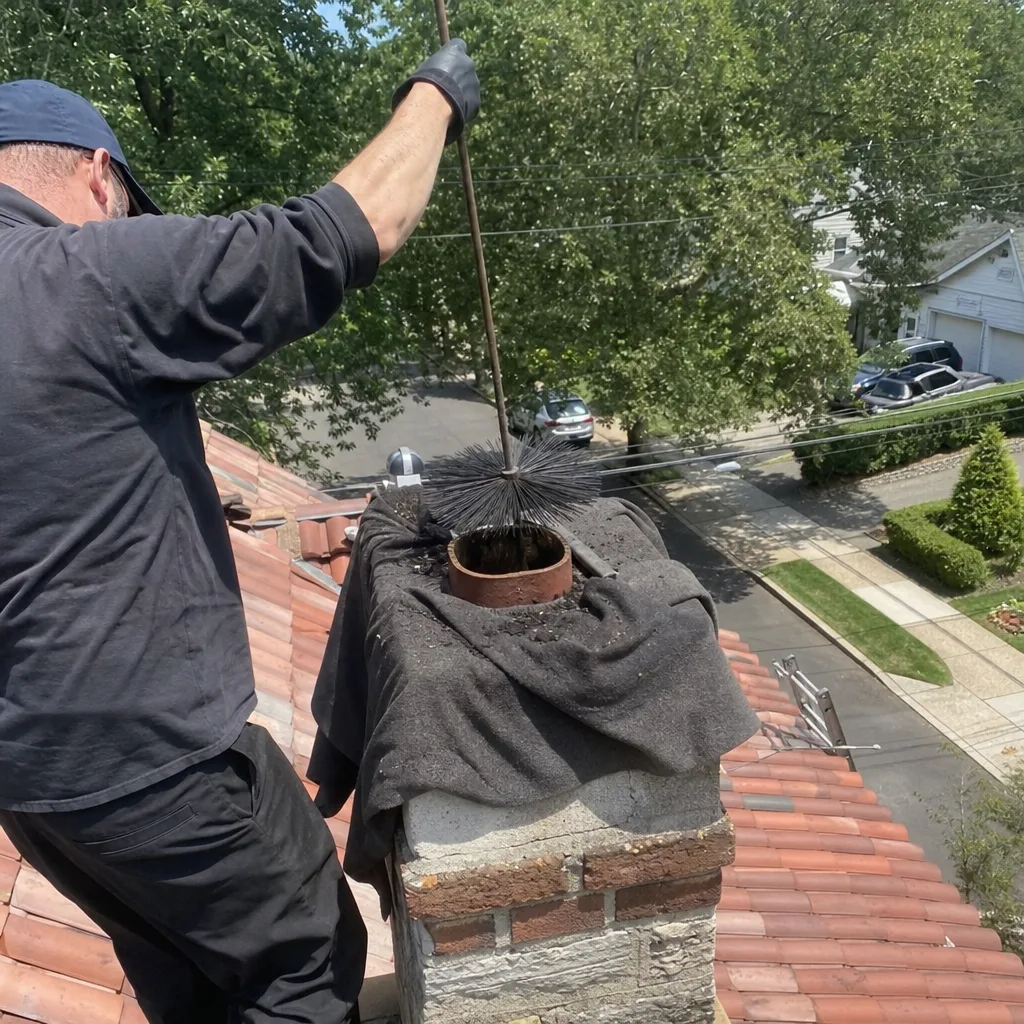
Chimney sweep logs do not sweep chimneys. They loosen some creosote - which then falls where a brush and vacuum still have to collect it.
 Before
 After
After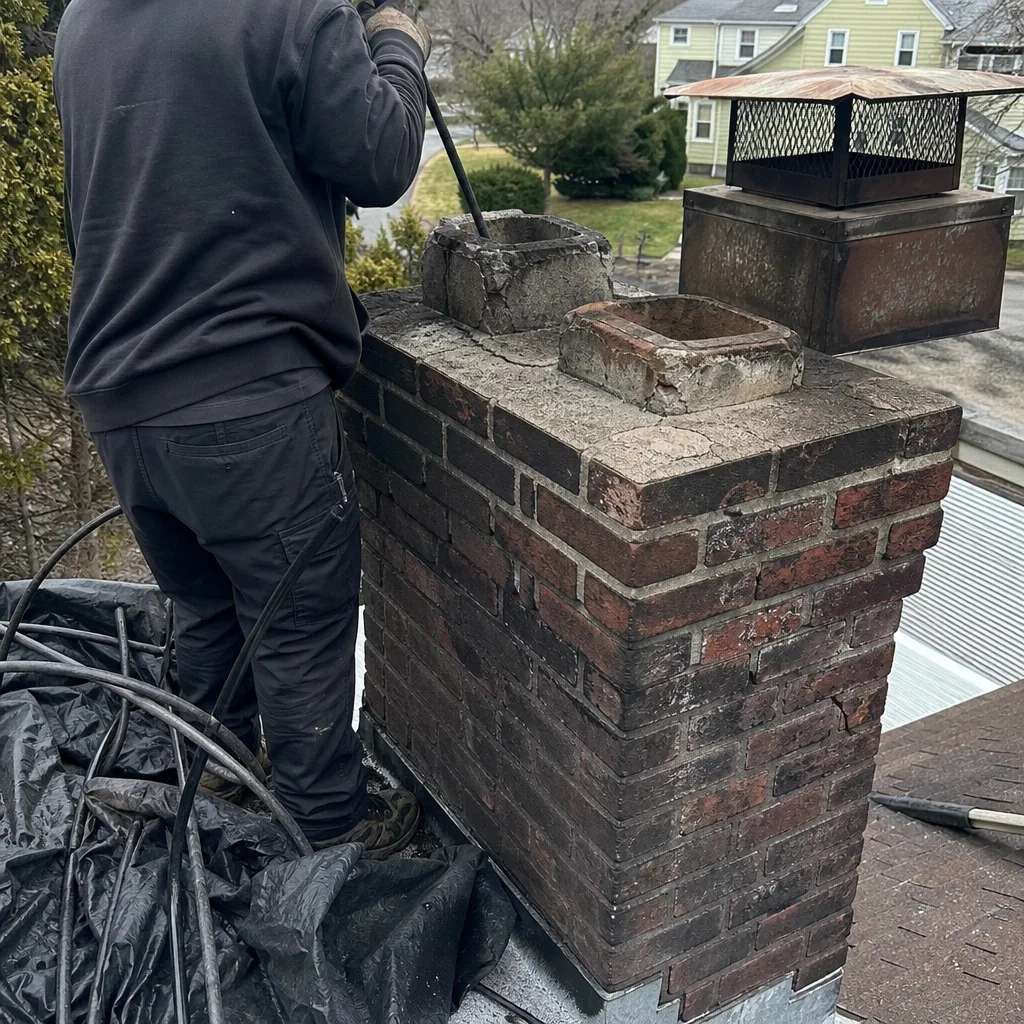 Before
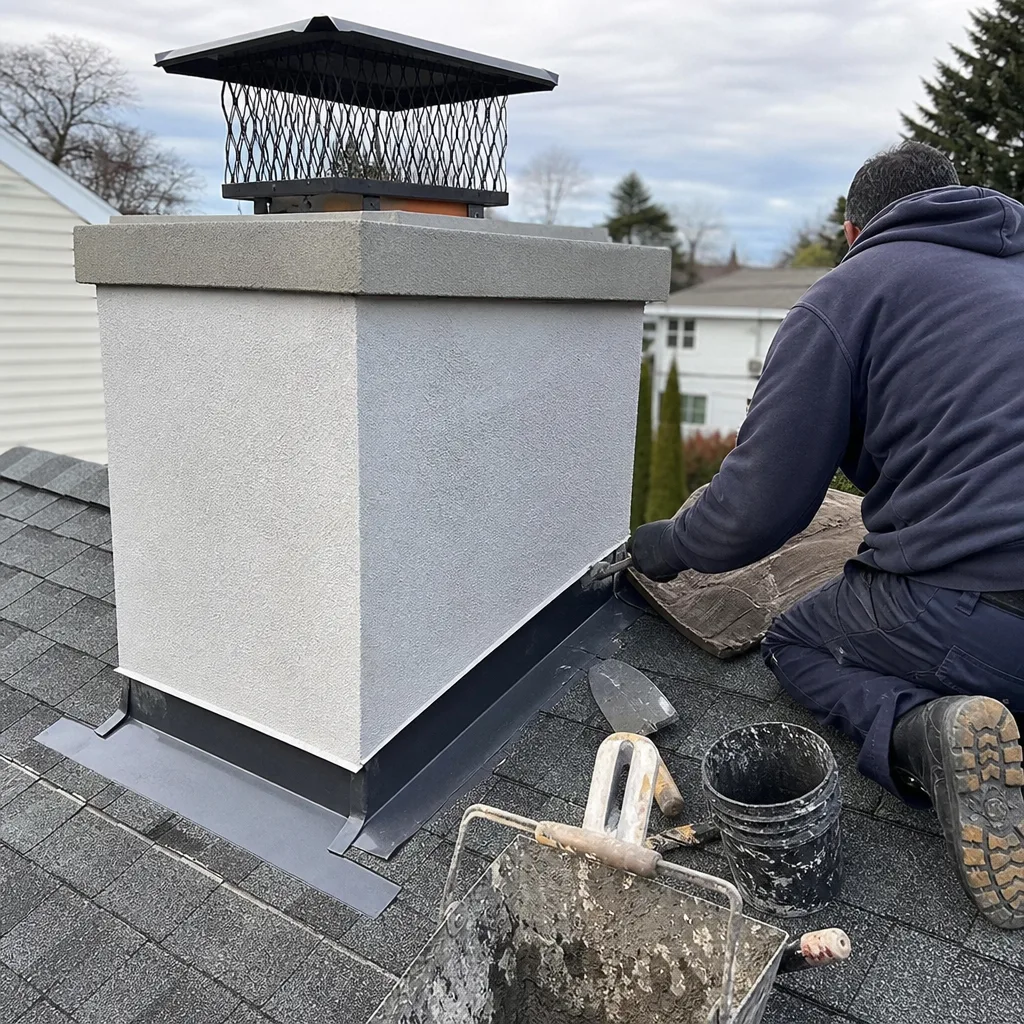 After
After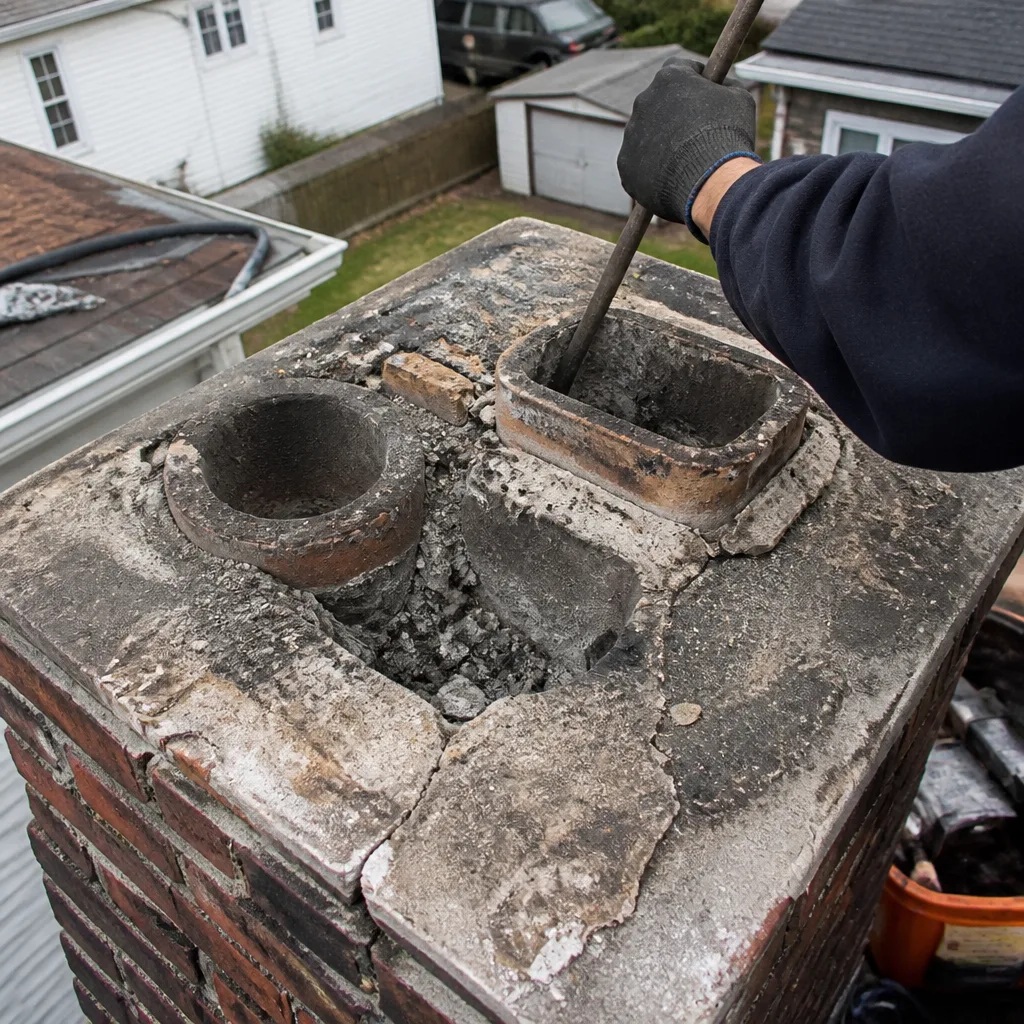 Before
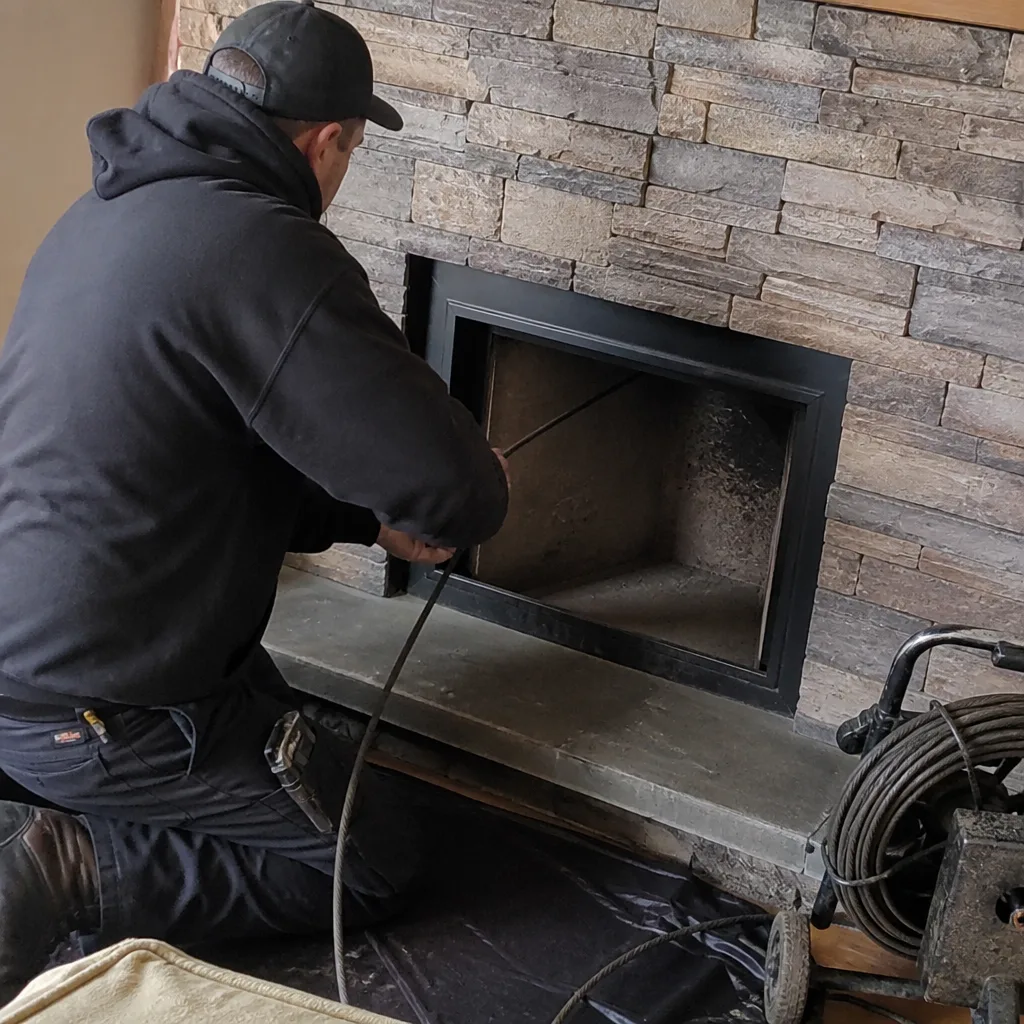 After
AfterChimney Cleaning Permits, Codes & Inspections in NJ: What You Need to Know
Here’s what surprises most Newark homeowners: the gap between New Jersey’s state-adopted building code, Newark’s municipal permit enforcement, and what your insurance policy actually requires is where chimney problems turn into five-figure liabilities. A sweep company can clean your chimney, hand you a receipt, and leave you with zero documentation that satisfies either the Newark Division of Buildings or your carrier after a fire. This guide explains exactly which chimney work triggers a permit in Newark, what a legally defensible inspection looks like under NFPA 211, and what paperwork you need to keep on file if you ever plan to sell your house or file a claim. For the complete guide to chimney cleaning in Newark, see our dedicated resource.
Quick Answer
Routine chimney cleaning in Newark does not require a permit under NJ UCC Title 5, Chapter 23, but any repair beyond basic maintenance (liner replacement, masonry rebuild, crown work) does. The inspection standard that matters most in New Jersey is NFPA 211 Level 2, which is triggered by a change in ownership, a chimney fire, or any modification to the system. Without a documented Level 2 camera inspection, you may have no defensible evidence for an insurance claim or a home sale disclosure.
Table of Contents
- What New Jersey Code Actually Says About Chimney Work
- Which Newark Chimney Work Triggers a Permit
- NFPA 211 Level 2: The Inspection Standard That Matters
- What the NJ Division of Fire Safety Requires That Most Sweeps Skip
- How Insurance Carriers Use Inspection Documentation Against You
- The Permit Paper Trail: What to Keep, Where, and How Long
- Why Newark’s Climate Makes Code Compliance Harder
- Common Mistakes to Avoid
- When to Call a Professional
- Frequently Asked Questions
BeforeAfterWhat New Jersey Code Actually Says About Chimney Work
New Jersey adopted the 2021 International Residential Code (IRC) with state-specific amendments, and it’s enforced locally through the Uniform Construction Code (UCC) under Title 5, Chapter 23 of the New Jersey Administrative Code. The IRC chapters that govern chimneys and fireplaces (R1001 through R1006) set the baseline for flue sizing, connector pipe clearances, masonry construction, and termination heights. But here’s the part most homeowners never hear: a municipal building department in New Jersey can adopt stricter local amendments, and Newark’s Division of Buildings has done exactly that for certain repair categories.
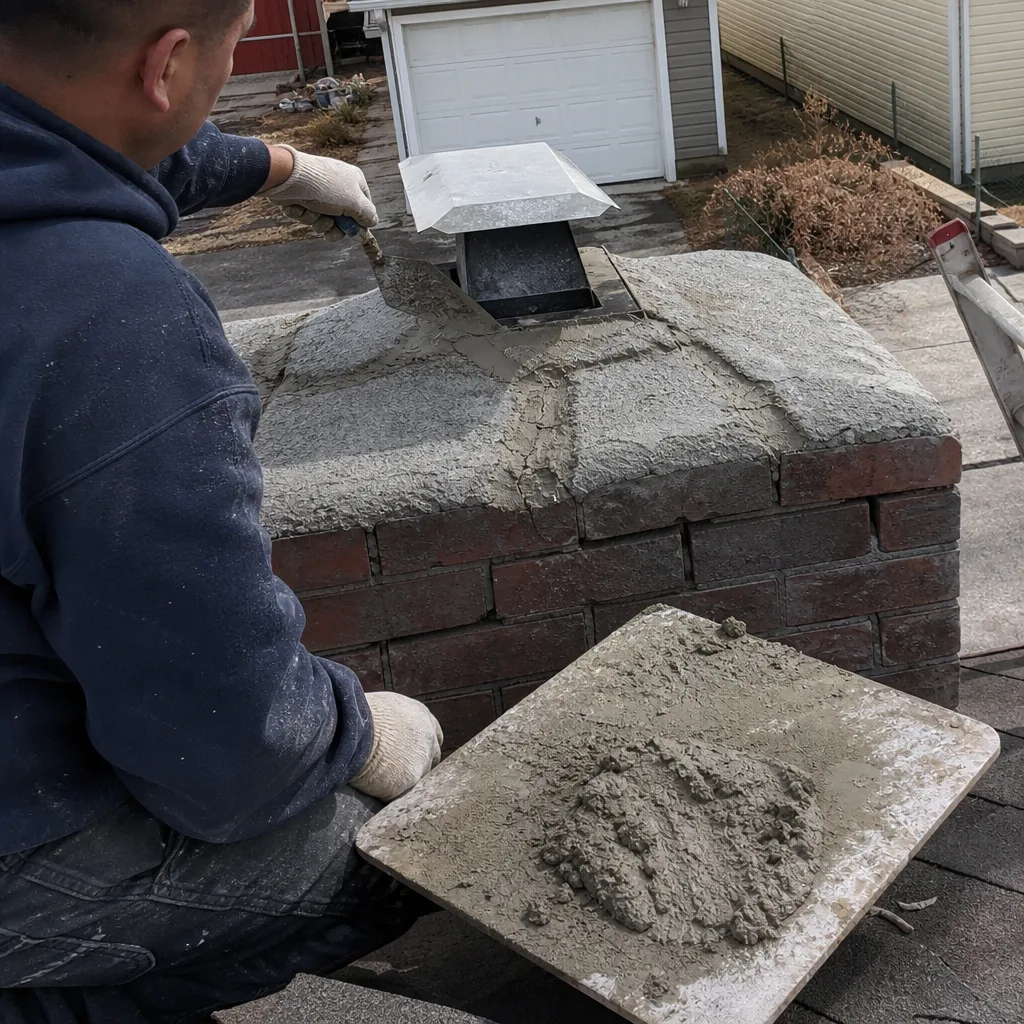
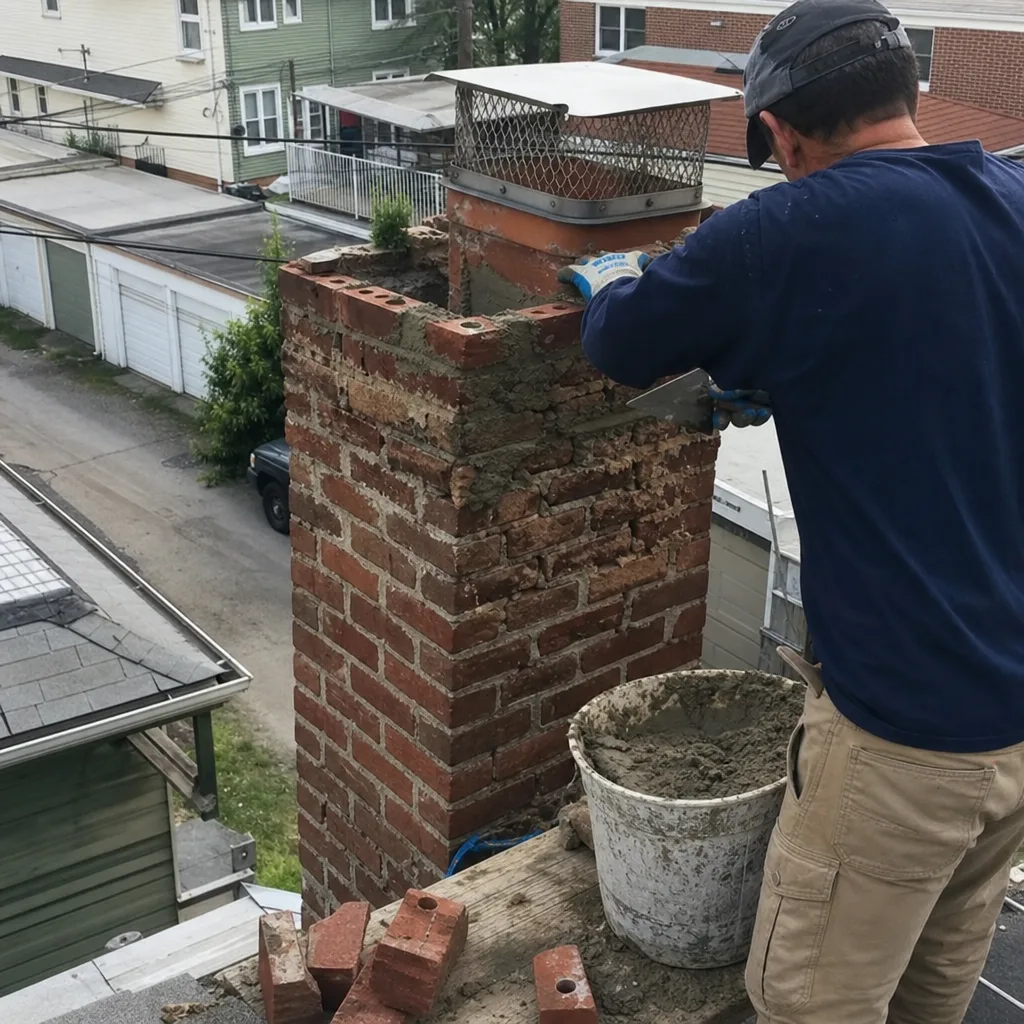
For cleaning, the code is silent. Sweeping a chimney, removing creosote, and inspecting the flue are classified as routine maintenance, not construction. No permit is required. The moment work crosses into repair or alteration (replacing a flue liner, parging a smoke chamber, rebuilding a crown, repointing more than a cosmetic patch), the UCC treats it as construction, and a permit is supposed to be pulled before the first brick is touched.
The practical issue we run into regularly in Newark: many chimney companies simply don’t pull permits for repair work that requires one. They quote the job, do the work, and leave. If an inspector later flags the unpermitted work during a home sale or after an incident, the liability falls on the homeowner who approved it, not the contractor who skipped the paperwork. This isn’t a technicality; it’s the specific mechanism by which homeowners in Newark get caught without recourse.
What this means for you: before booking any repair beyond a basic sweep, ask the contractor whether the work requires a Newark permit and who pulls it. A company that hesitates or says “we don’t need one for this” without being able to cite the exemption is a risk you don’t have to take.
If you’re looking for a company that documents its recommendation in writing and tells you plainly when work can safely wait, start with our Chimney Cleaning & Sweep in Newark page. The short version: we quote the permit question before we quote the job.
Which Newark Chimney Work Triggers a Permit
Newark’s Division of Buildings enforces permit requirements through the New Jersey UCC, and the line between “maintenance” and “construction” is not always intuitive. Here’s the breakdown, based on the work categories we see requested most often in Newark’s Forest Hill, Ironbound, and Weequahic neighborhoods.
Work that does NOT require a permit in Newark:
- Chimney sweeping and creosote removal (routine maintenance)
- Level 1 or Level 2 inspections, including camera scans (no physical alteration)
- Chimney cap installation when no structural repair is involved
- Minor mortar repointing (cosmetic, non-structural, typically under 10 square feet)
- Fireplace damper replacement or adjustment
Work that DOES require a permit in Newark:
- Flue liner installation or replacement (stainless steel, aluminum, or cast-in-place)
- Smoke chamber parging or rebuilding
- Crown replacement (structural, not a cosmetic topcoat)
- Partial or full masonry rebuild of the chimney above the roofline
- Fireplace insert installation that modifies the existing firebox or flue connection
- Any structural repair to a chimney listed in a home inspection report as compromised
One nuance that matters: the UCC allows certain “ordinary repairs” to be exempt from permits, but the definition is narrow. Ordinary repair means replacing a component with a like-kind component that does not affect the structural integrity or the fire safety of the system. Swapping a rusted cap for a new one of the same size qualifies. Replacing a cracked clay tile liner with a stainless steel liner does not, because it changes the flue’s dimensions and material, which is an alteration under the code.
If you’re unsure whether your job needs a permit, call Newark’s Division of Buildings and ask directly. But before you do, get a written scope from your contractor, because the department will want to know the exact work description. A camera inspection photo report makes that conversation much simpler.
NFPA 211 Level 2: The Inspection Standard That Matters
NFPA 211 is the National Fire Protection Association’s standard for chimneys, fireplaces, and vents, and Level 2 is the inspection level that applies in three specific situations: when a property is sold or transferred, when the system is altered, or after a chimney fire or external event (like a lightning strike or earthquake) that may have damaged the flue. Section 15.1 of the standard is explicit about when Level 2 applies, and New Jersey real estate transactions routinely trigger it.
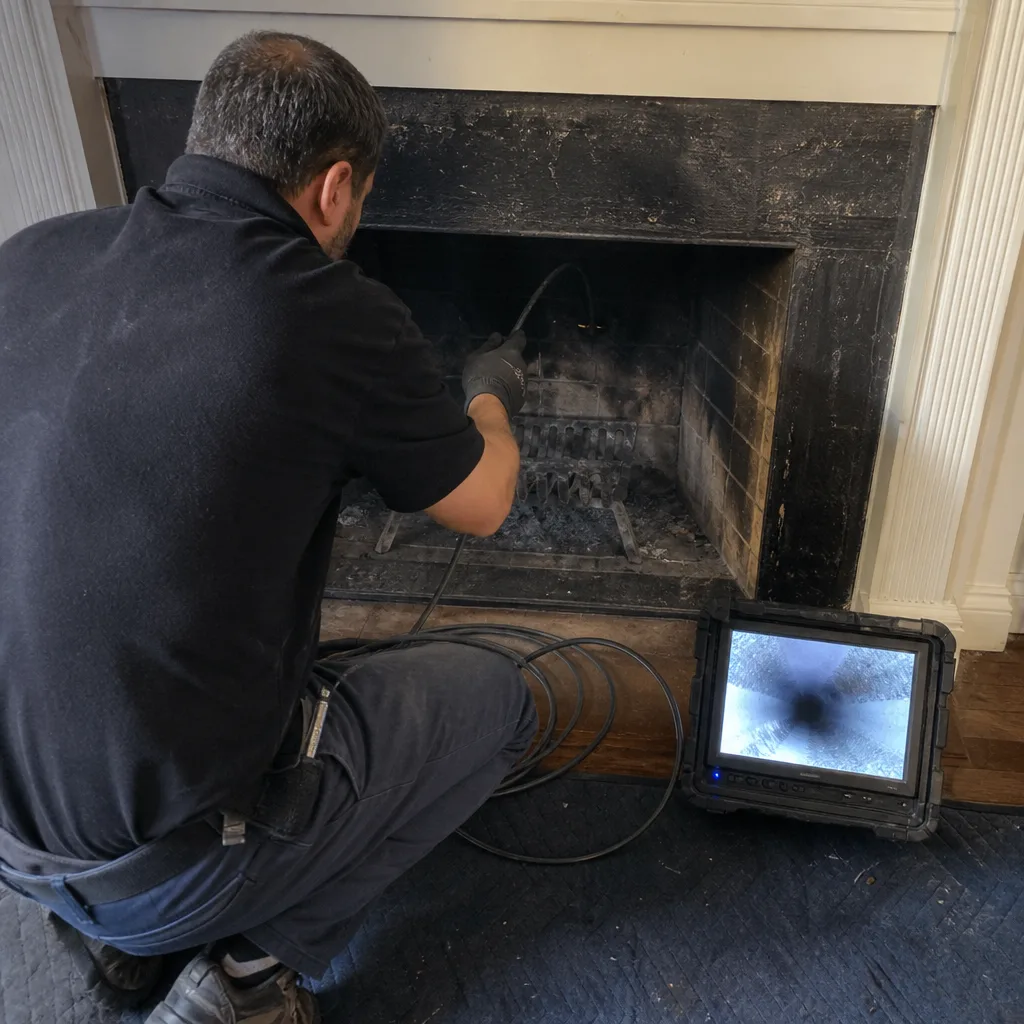
Here’s what “change in ownership” means in practical New Jersey terms: when you buy a home in Newark, the attorney review process typically includes a home inspection, but a home inspector does not do a Level 2 chimney inspection. They do a visual check from the ground or the roof and may note “staining” or “possible flue damage.” That’s not Level 2. A true Level 2 inspection uses a camera to scan the entire interior of the flue, looking for cracks, gaps, spalling (flaking masonry surfaces), creosote buildup classification, and connector pipe integrity.
What a Level 2 inspection specifically includes:
- A visual assessment of the exterior chimney, crown, and flashing
- A camera scan of the full interior flue from top to bottom
- Inspection of the smoke chamber and firebox (where accessible)
- Attic, crawlspace, and basement inspection where the chimney passes through
- Documentation of creosote class (Class I, II, or III) per NFPA definitions
- A written report with photos, measurements, and specific findings
The documentation piece is the point. An inspection that doesn’t produce a photo record you can keep isn’t much use to you when you’re trying to prove the condition of your chimney six months later to an insurance adjuster or a buyer’s attorney. Since 2009, Level Two Chimney Newark home has operated under a standard that requires a documented photo record on every single visit, not just Level 2 inspections. That practice predates most local competitors’ adoption of camera scanning entirely.
When a home seller in Newark cannot produce a Level 2 report, the buyer’s attorney often demands one as a condition of closing. That request comes two weeks before the close date, it’s non-negotiable, and you’ll pay a premium for the rush. Getting it done ahead of listing costs less and removes the last-minute leverage.
What the NJ Division of Fire Safety Requires That Most Sweeps Skip
The New Jersey Division of Fire Safety adopts the International Fire Code with amendments, and its Solid Fuel chapter covers connector pipe clearances, hearth dimensions, and clearance-to-combustibles requirements. In our experience across thousands of Newark inspections, this is the single most commonly missed area on standard sweep visits.
A connector pipe is the metal pipe that connects a wood stove or insert to the chimney. The NJ code requires specific clearance from that pipe to any combustible surface (like a wall, ceiling, or floor joist), typically 18 inches for single-wall connector pipe unless a heat shield reduces the clearance. What most sweep companies check: the flue interior and creosote buildup. What they skip: measuring actual connector clearances in the room where the pipe exists. That measurement is a fire code item, not a convenience item.
Here’s what we check that others frequently miss:
- Connector pipe clearance to combustibles (measured, not eyeballed)
- Hearth extension depth and width per the appliance listing
- Flue termination height above the roofline (10-foot rule and 2-foot rule)
- Air supply adequacy in enclosed fire rooms or tight homes
- Creosote classification (Class III = a fire hazard requiring immediate action)
- Evidence of prior chimney fire (warped liner, honeycomb creosote, cracked tiles)
When we find a connector clearance violation in a Newark row home or a converted Victorian in Forest Hill, it’s usually not because the original installation was wrong; it’s because a previous owner modified the room, added a wall, or replaced the stove without updating the pipe. The violation is no less dangerous for being old.
Our Fireplace Services in Newark work begins with the same camera-scan baseline whether the project is a cleaning or a repair, because the code issues don’t announce themselves at the front door. You find them with a camera and a tape measure.
How Insurance Carriers Use Inspection Documentation Against You
Here’s the conversation we hear from Newark homeowners after every chimney fire: the carrier asks for maintenance records, the homeowner produces a stack of sweep receipts showing the chimney was “cleaned” every other year, and the claim is denied because “cleaned” is not the same as “inspected and documented.” Learn to spot trouble early with our Chimney Cleaning Warning Signs: A Newark Homeowner’s Reference Guide. The receipts prove a service happened. They do not prove the system was assessed for fire safety compliance.
After a chimney fire, an NJ insurance adjuster will typically request three things in the first two weeks:
- Records of all cleanings and inspections for the prior five years
- A written inspection report that specifically identifies the condition of the flue liner, the smoke chamber, and the connector arrangement before the fire
- Photographic or video documentation of the known condition of the system
If you have receipts but no photo records, you’re at the carrier’s discretion. If you have a documented camera scan showing a cracked liner that was flagged and not repaired, the claim outcomes get complicated. If you have a clean photo report showing the system was assessed and in working order, your position is dramatically stronger.
The same logic applies to home sales. The NJ Seller’s Disclosure asks whether you’re aware of any “conditions requiring repair” related to the heating and chimney system. If you’ve had sweeping receipts but no inspection, you can honestly say you cleaned it, but you may not be able to say anything about its actual condition. That gap becomes an inspection contingency opportunity for the buyer and a closing delay for you.
We recommend keeping a dedicated chimney file, even if it’s digital. The Chimney Repair in Newark work we do always produces a written scope, a written price, and a photo report, precisely so you have something to hand the adjuster that isn’t a receipt from ten years ago for “swept and inspected.”
The Permit Paper Trail: What to Keep, Where, and How Long
If you’ve had permitted chimney work done in Newark, the permit record lives with the Newark Division of Buildings, but you should keep your own set because city records are not always digitized or quick to retrieve. When a buyer’s attorney asks for the permit history on a chimney, you want to produce it in a day, not wait three weeks for a municipal records request.
What to keep in your chimney file:
- The permit application and approval from Newark Division of Buildings (if work was permitted)
- The final inspection sign-off or certificate of approval (not just the permit, but proof it was closed out)
- Written scope of work from the contractor, in detail
- Written price and warranty
- Photo report from the camera scan, with dates
- Any liner or component manufacturer documentation (e.g., HeatShield or Gelco product specs)
- Copy of the contractor’s NJ Home Improvement Contractor (HIC) registration
How long to keep it: New Jersey has no specific statute requiring you to keep chimney records for a set number of years, but practically, you want the file for the entire ownership period plus the statute of limitations for construction defects, which in New Jersey is six years from substantial completion. That means holding records for at least six years after any repair work. For a home you plan to sell, keep everything from your purchase date forward, because the next buyer’s attorney may ask for it.
One more detail: when you buy a home in Newark, request the seller’s chimney file at closing. If they don’t have one, schedule a Level 2 inspection within the first thirty days and start your own file from that baseline. You can’t backfill documentation for a chimney you never inspected, but you can establish a clean starting point before another heating season begins.
Why Newark’s Climate Makes Code Compliance Harder
Newark’s freeze-thaw cycle is the quiet killer of chimney crowns and masonry. We’re in a climate where winter temperatures bounce above and below freezing dozens of times per season. Water seeps into hairline cracks in the crown, freezes, expands, and widens those cracks. By the time spring arrives, a crown that looked passable in October has a network of fissures, and the flue liner behind it has taken on water. That’s not dramatic; that’s the physics of Newark winters on porous masonry.
This climate fact raises the stakes for inspection timing. An inspection done in September tells you the condition of the system before the harshest weather. An inspection done in March tells you what the weather did. We recommend an annual sweep and a Level 2 camera scan every fall, timed with the boiler start-up that most Newark homeowners do in October. It’s the same logic as a furnace tune-up before the heating season, applied to the system that carries fire out of your house.
The neighborhood variable in Newark: older housing stock in Forest Hill, Weequahic, and the Ironbound was built with clay tile liners and masonry crowns without expansion joints. Those systems are now 80 to 100 years old. The code-compliant fix (a stainless steel liner from Olympia Chimney or a HeatShield resurfacing, for example) is well understood, but the longer water intrusion goes unaddressed, the more expensive the repair becomes. What starts as a crown repair becomes a liner replacement. What starts as a liner replacement becomes a smoke chamber rebuild. Newark’s weather accelerates that progression.
A note on products: when we specify a liner in Newark, we work with materials from HeatShield, Gelco, and Olympia Chimney, among others, because these are the products that hold up to repeated thermal cycling without warping or separating at the seams. The manufacturer matters less than the installation quality, but both have to be right.
Common Mistakes to Avoid
- Assuming a sweep receipt equals an inspection. Cleaning is not inspection. A sweep removes creosote; an inspection assesses the structural and fire safety of the system. In Newark, we’ve seen flue liners with vertical cracks the full length of the chimney that had been “cleaned” twice a year for a decade without anyone noticing.
- Skpping the permit on liner work. A contractor who tells you a stainless liner doesn’t need a Newark permit is wrong, and the liability for unpermitted work lands on you. Always confirm in writing who pulls the permit before work begins.
- Treating a home inspector’s visual check as a Level 2. Home inspectors are generalists. They do not run a camera through the flue, and they are not required to classify creosote or assess connector clearances. A home inspection note saying “chimney appears functional” tells you nothing about the flue interior.
- Losing the photo documentation. We’ve had customers come back two years after a repair asking if we still have their file. We keep an archive (every visit is photographed and documented), but not every company does. You should keep your own copy.
- Waiting for the buyer’s attorney to demand a Level 2. By then, you’re negotiating on someone else’s timeline. Get the inspection before listing, and the report becomes a selling point rather than a contingency.
- Ignoring connector pipe clearances. In Newark’s older homes, improper connector clearance is depressingly common. It’s a fire code violation that a standard cleaning won’t catch and an insurance adjuster will absolutely note after a claim.
When to Call a Professional
Call a professional chimney company when your home sale is approaching and you don’t have a Level 2 report in hand. Review our Chimney Cleaning & Sweep Maintenance Checklist for Newark Homeowners to prepare. Call when a home inspector flags the chimney but can’t tell you what’s actually wrong. Call when you’ve had a chimney fire, even a small one, because the flue liner may be compromised in ways that won’t show up without a camera. Call when you’re buying a home in Newark and the seller produces sweep receipts but no inspection records. And call before each burning season if you burn wood more than a few times a year, because Newark’s freeze-thaw cycle does real damage to crowns and liners that you won’t notice until it’s expensive.
Level Two Chimney Newark offers free estimates throughout Newark, including Forest Hill, the Ironbound, and Weequahic. Call (862) 245-4309 and we’ll send a background-checked, uniformed technician with a written price before any work starts.
Frequently Asked Questions
No. Routine chimney sweeping and creosote removal are considered maintenance under NJ UCC Title 5, Chapter 23, not construction. No Newark permit is required for cleaning alone. However, if the cleaning reveals damage that requires repair (liner replacement, crown rebuild, masonry work), the repair itself may trigger a permit. Call (862) 245-4309 if you’re unsure which side of the line your job falls on.
A Level 1 inspection is a visual check of the accessible portions of the chimney and is appropriate when the system has not changed and no problems are suspected. A Level 2 inspection adds a camera scan of the interior flue, is required by NFPA 211 Section 15.1 when a property changes hands or an event has occurred (fire, lightning, modification), and produces a documented photo record. Level 2 is the standard for real estate transactions in New Jersey.
In the Newark market, a standard sweep and Level 1 visual check typically runs $180 to $300. Adding a Level 2 camera scan brings the total to $350 to $550 depending on the height and accessibility of the flue. Repair work is quoted separately, always in writing, after the camera scan identifies what’s actually needed. For an exact written quote in Newark, call (862) 245-4309.
The NFPA recommends cleaning when creosote reaches 1/8 inch of accumulation, which translates to roughly once per year for a wood-burning fireplace used regularly through the heating season. In Newark, where the burning season runs October through March, an annual fall sweep is the practical minimum. Gas fireplaces need less frequent cleaning but still warrant an annual safety check.
You risk a closing delay when the buyer’s attorney demands a Level 2 inspection during attorney review, and you may face a negotiated price concession if the inspection finds damage you didn’t know about. A seller who produces a clean documented Level 2 report removes the contingency entirely. Without one, you’re gambling that the buyer’s inspector doesn’t flag the chimney, which is a bet you lose roughly half the time in our Newark experience.
You can buy brushes and rods at any hardware store, but chimney sweeping involves working at height, on ladders, with equipment that can damage a flue liner if used incorrectly. More importantly, a DIY sweep tells you nothing about the condition of the system, because you don’t have a camera in the flue. If you’ve already climbed up once, hire someone with a camera and a written report for the next visit, and compare what you’ve been missing.
The Bottom Line
New Jersey’s chimney rules are not a mystery once you know the three layers: the state-adopted IRC sets the construction standard, Newark’s Division of Buildings enforces the permit requirements, and your insurance policy demands documented proof of the system’s condition. Routine cleaning needs no permit, but repairs often do, and a documented Level 2 inspection is the single piece of evidence that protects you in a sale or a claim. Keep a chimney file with permits, written scopes, and photo reports. Schedule a camera-based inspection before each burning season and before you list your home. For more guides & resources on protecting your home, explore our blog. The cost is measured in hundreds, and the alternative is measured in denied claims and closing-table leverage against you.
Written by Corrine Halstead, Owner at Level Two Chimney Newark, serving Newark since 2009.