
Last updated September 20, 2026
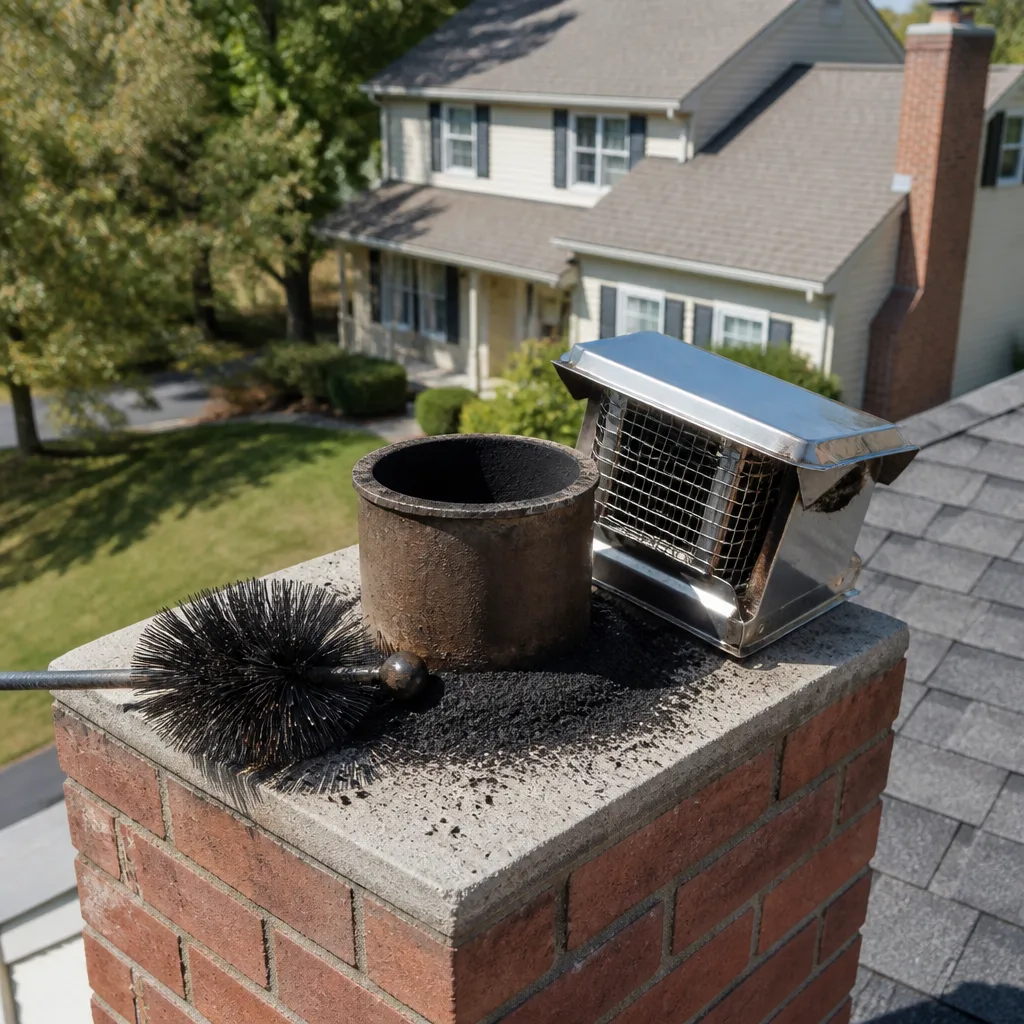
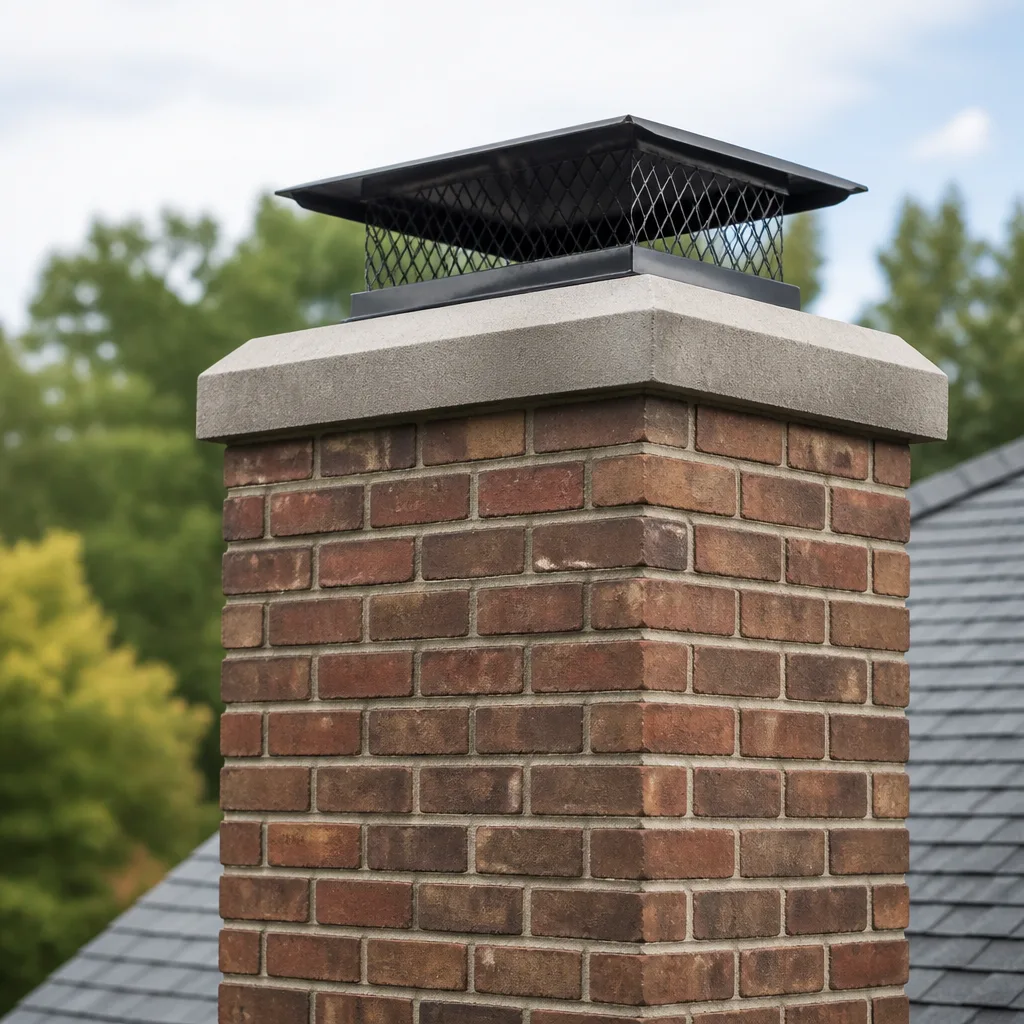
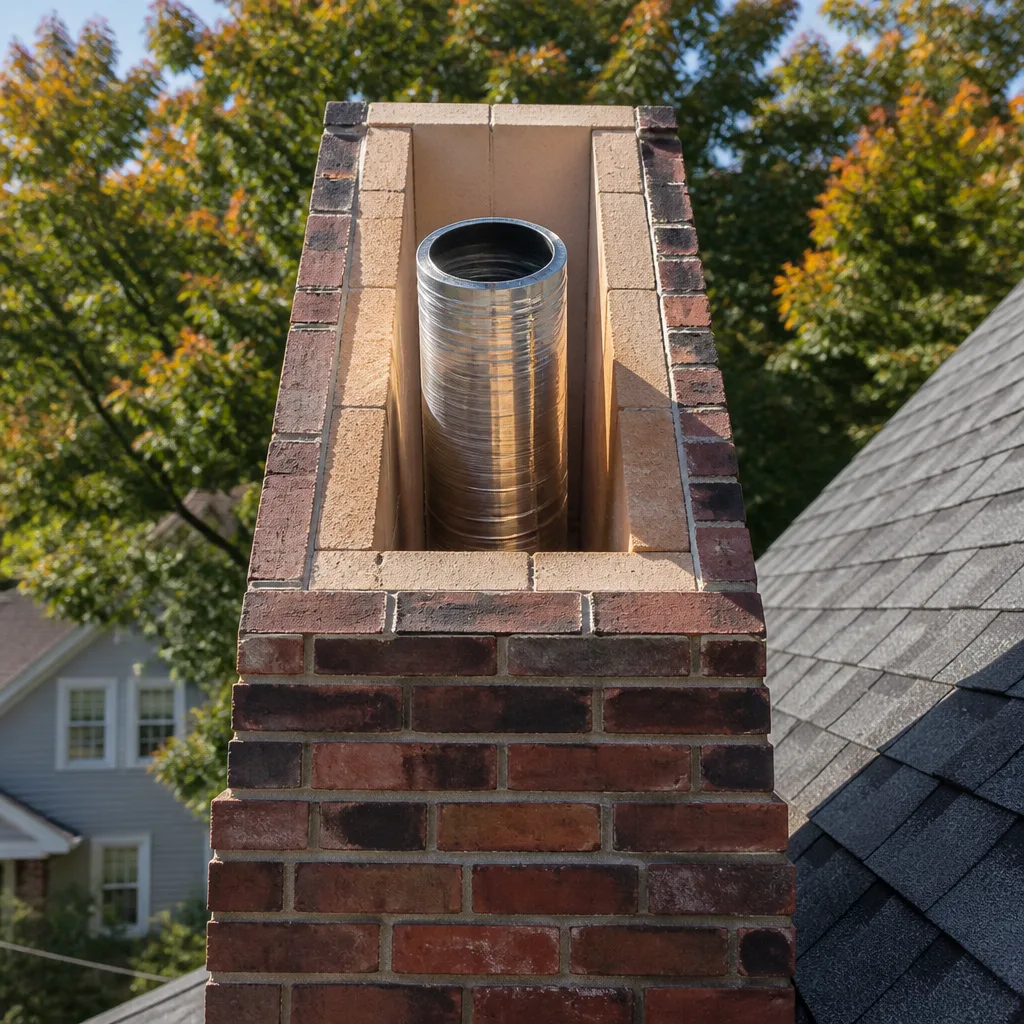
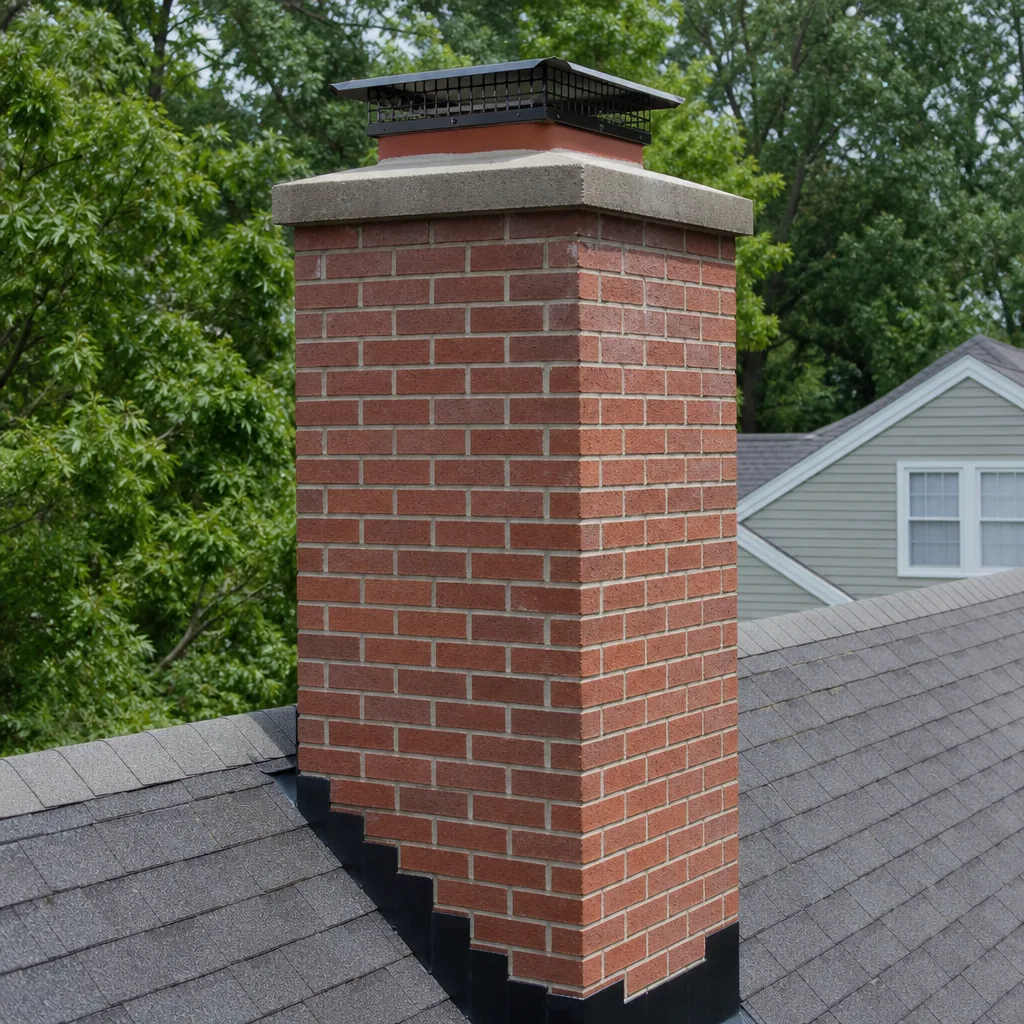
Level 1 sweep and inspection to the NFPA 211 annual standard - flue, crown, cap, and flashing checked and photographed
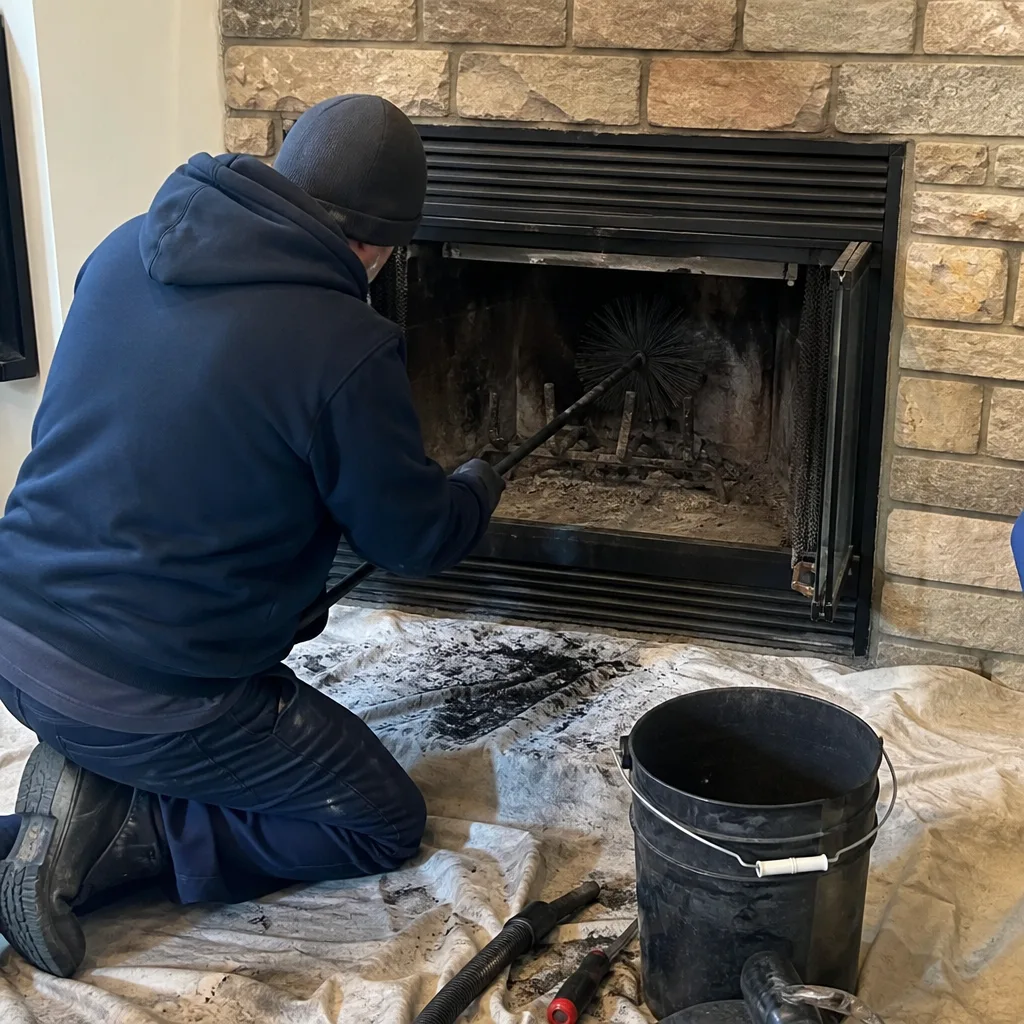
Chimney sweep logs do not sweep chimneys. They loosen some creosote - which then falls where a brush and vacuum still have to collect it.
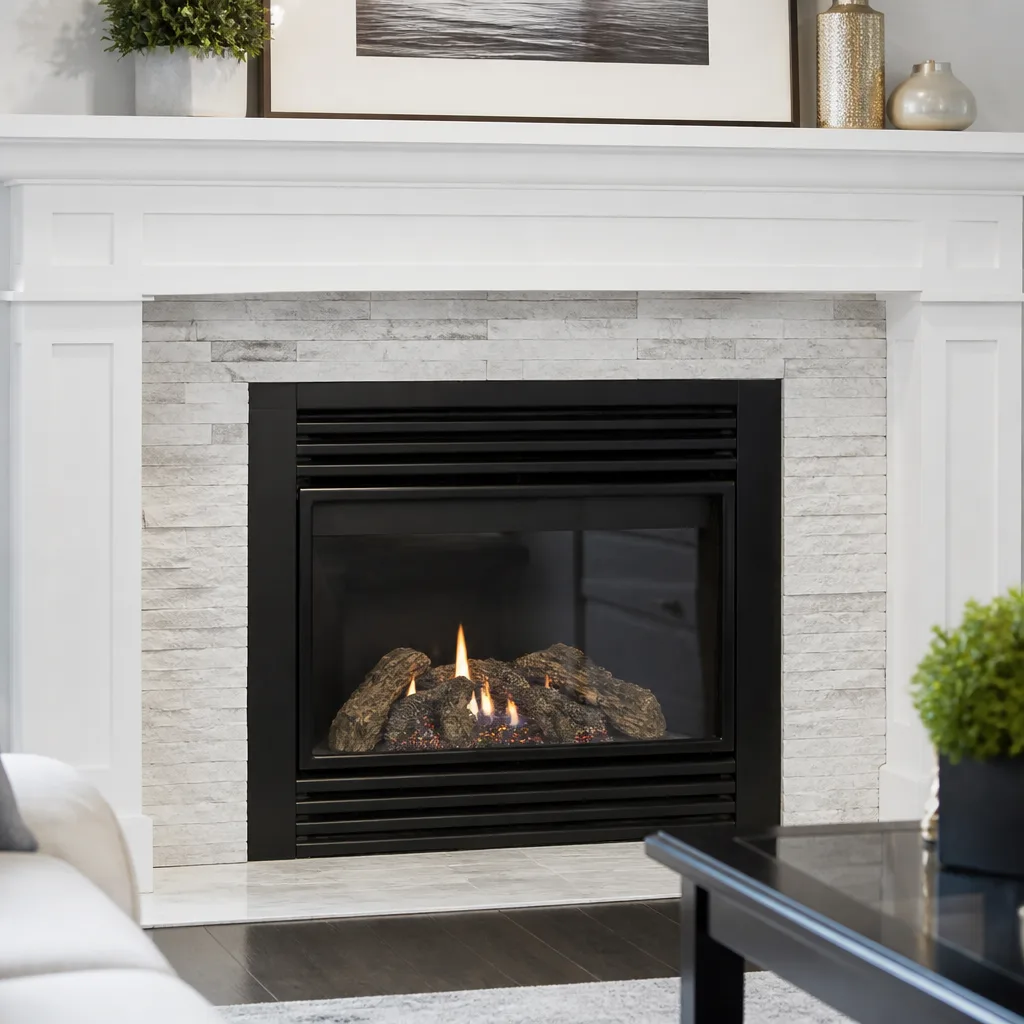
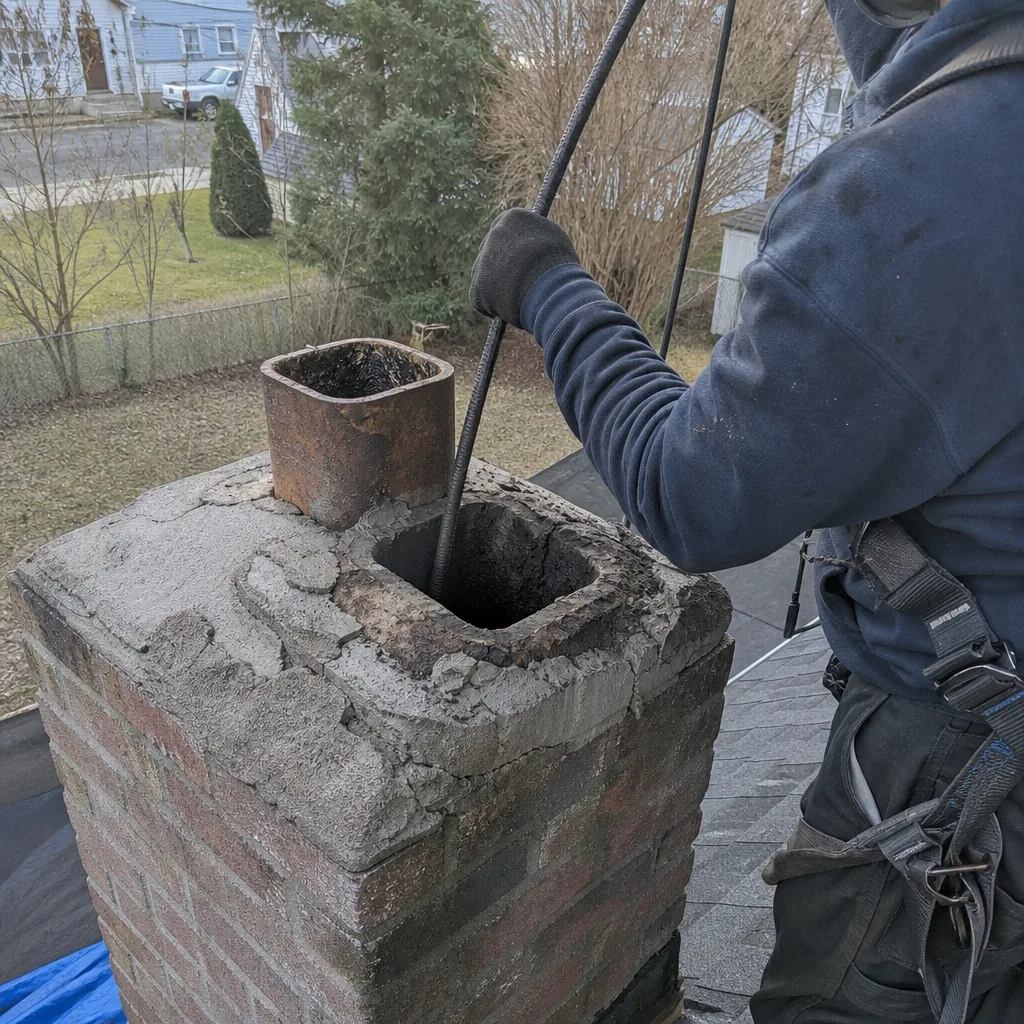 Before
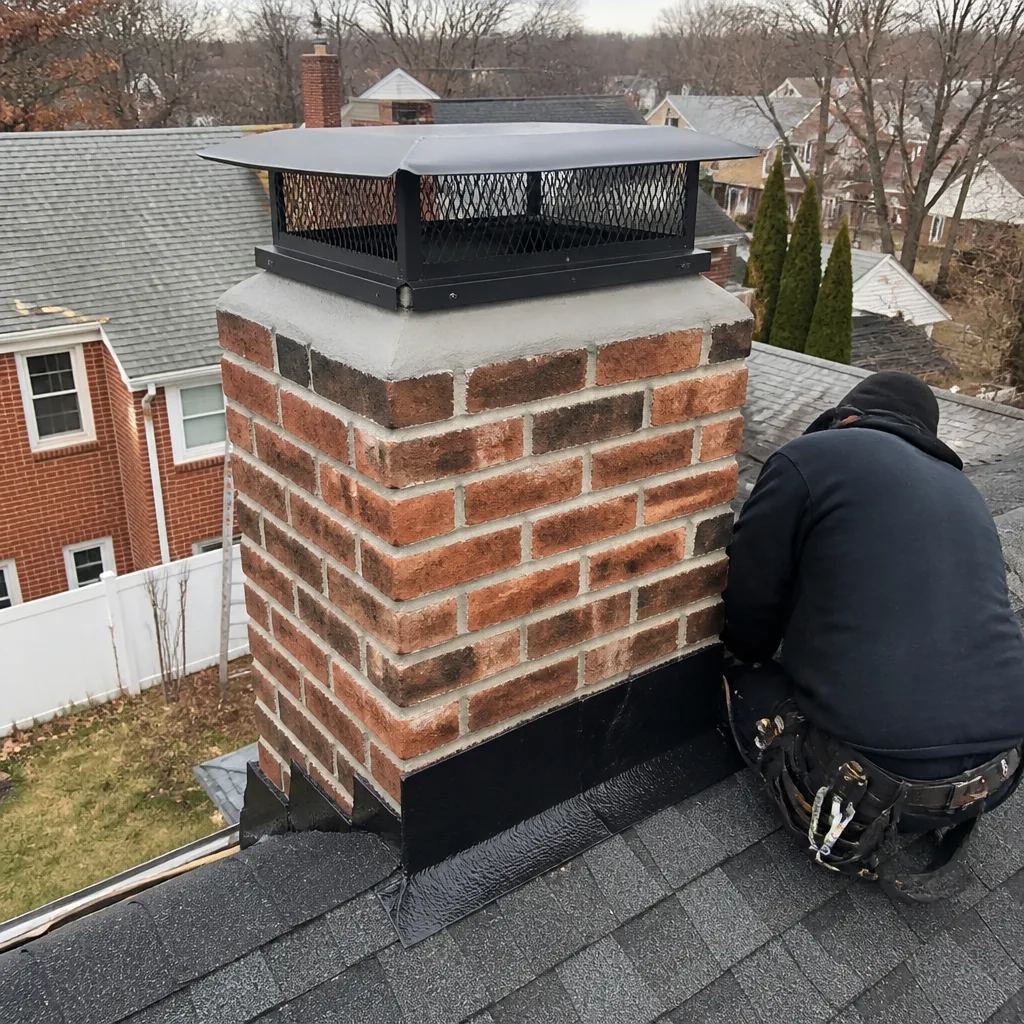 After
After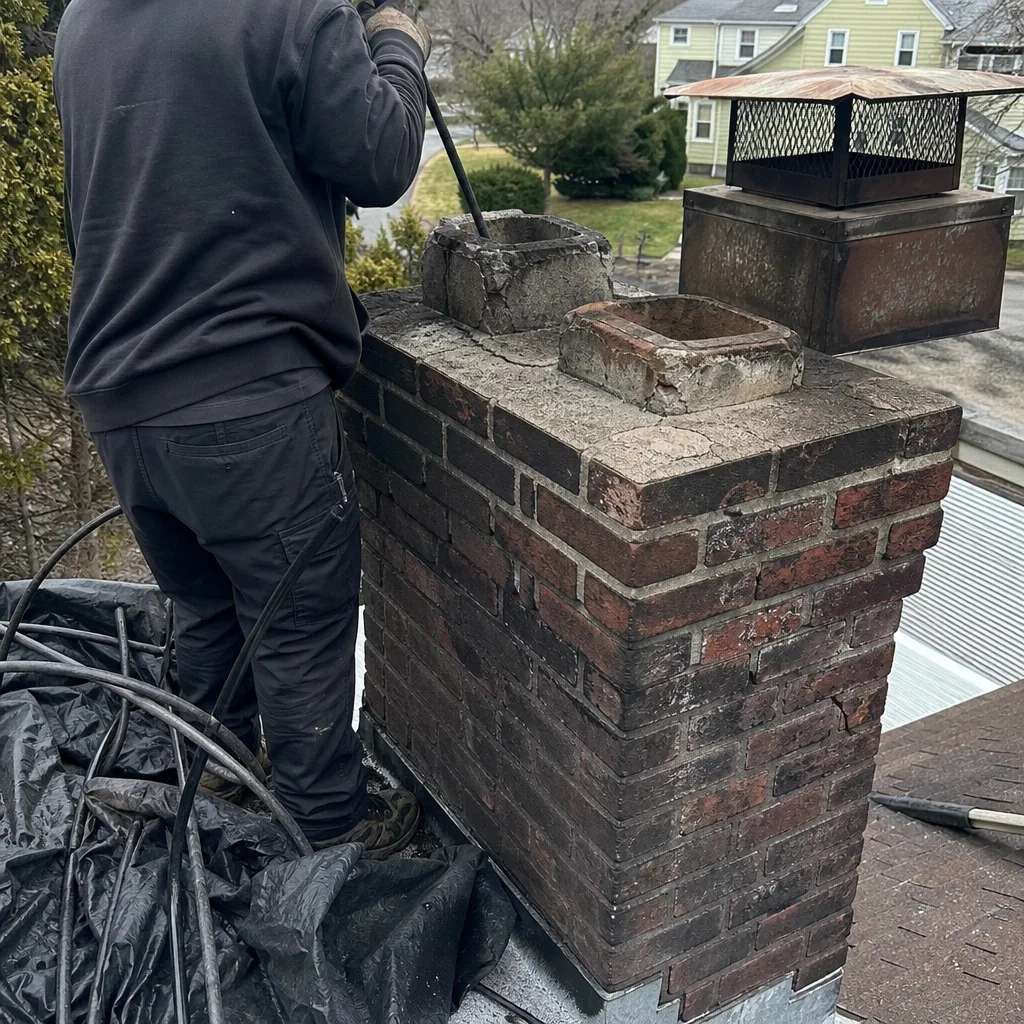 Before
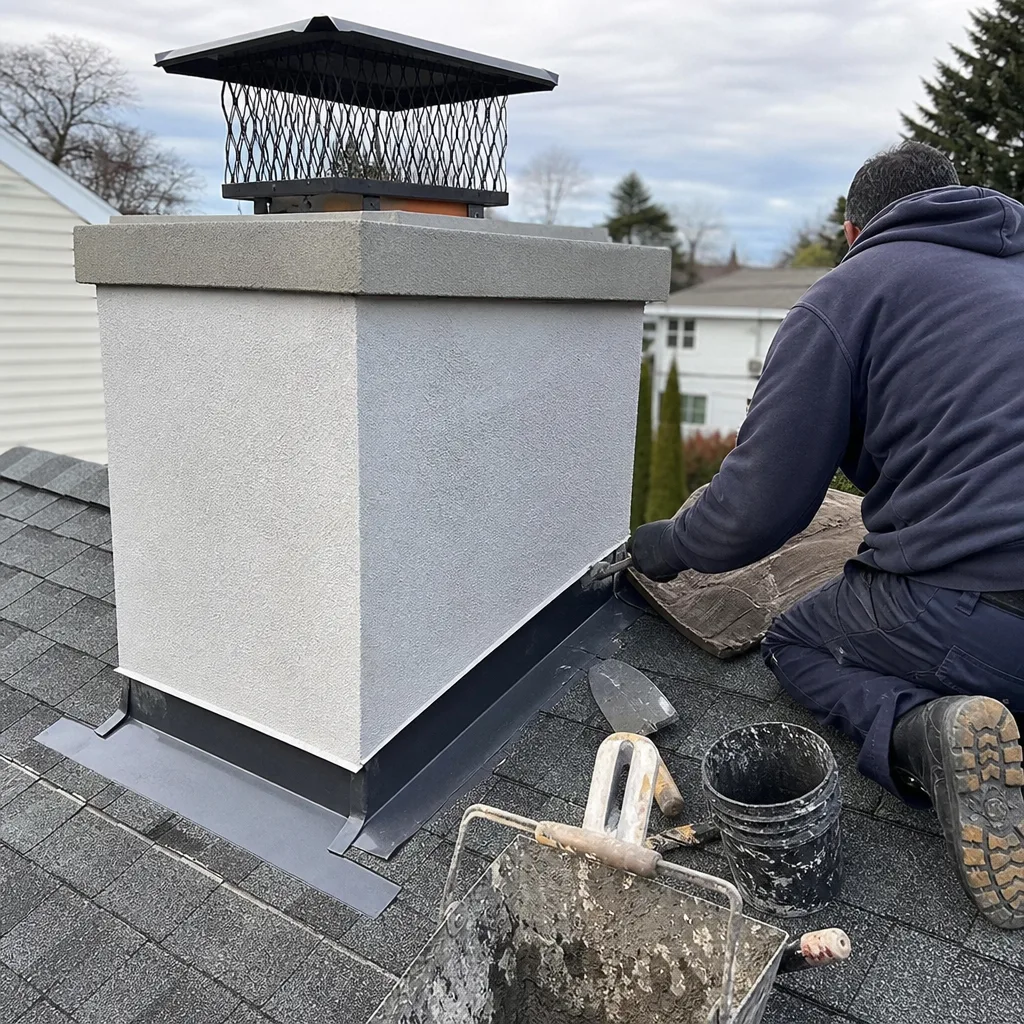 After
After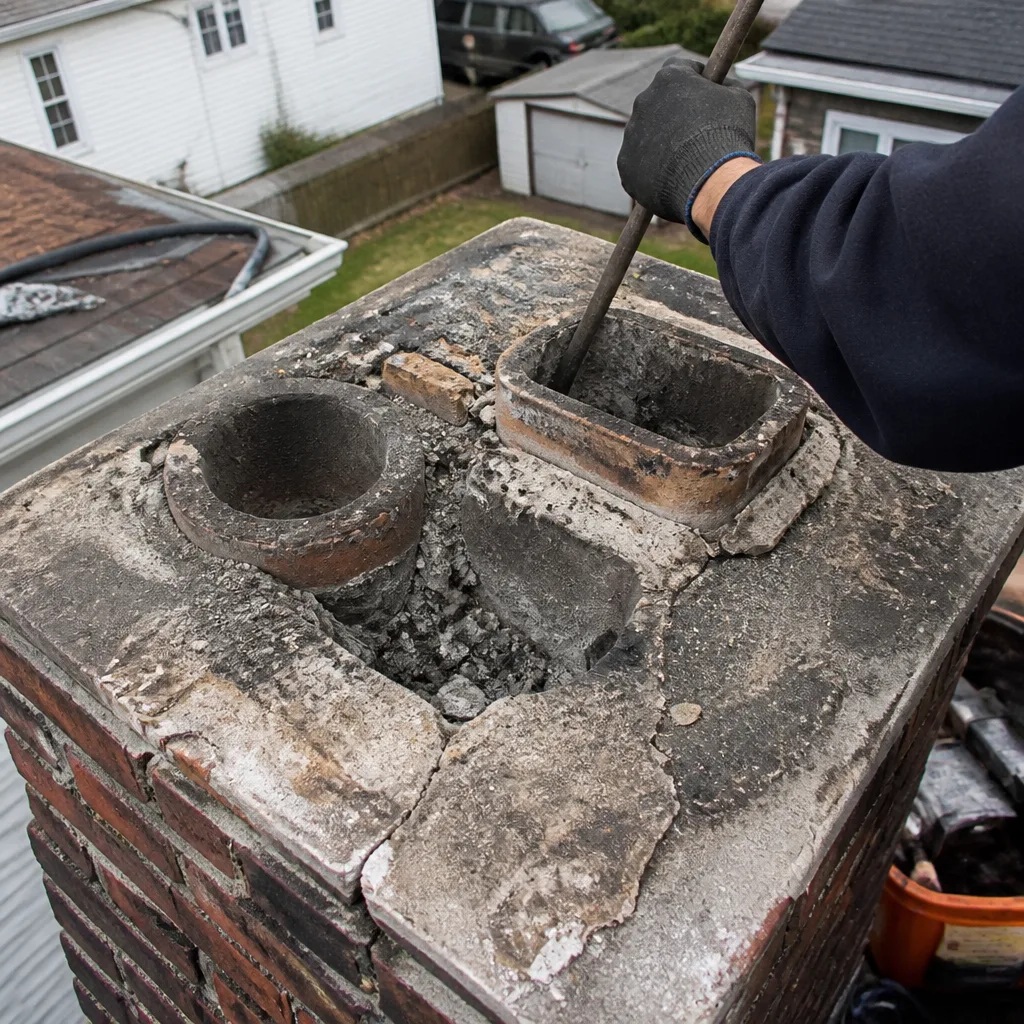 Before
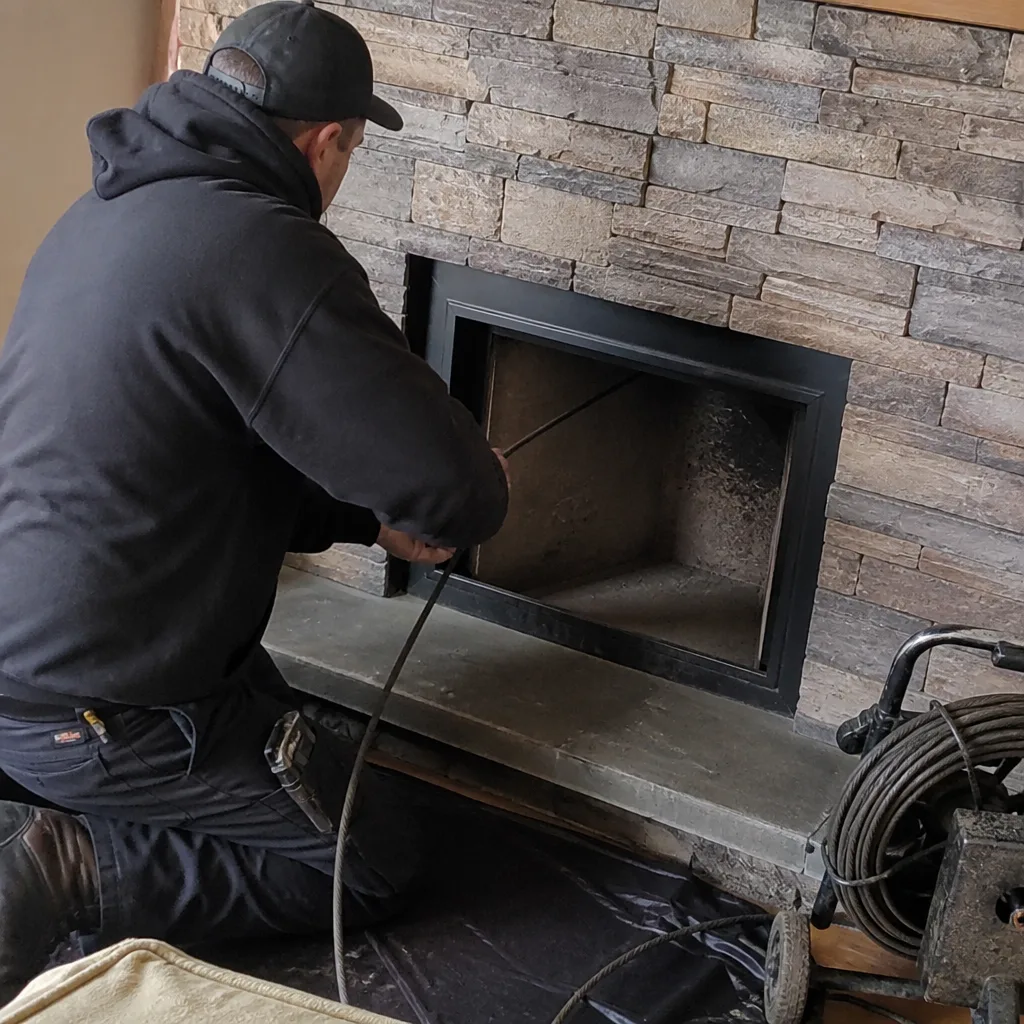 After
AfterChimney Cleaning Cost Breakdown: The Newark Homeowner’s Reference for 2026
Here’s the number most Newark homeowners don’t expect: the difference between the cheapest chimney cleaning ad you’ll see this month and a properly documented sweep and inspection can be $700 or more, and both invoices will use nearly identical language. A $99 “sweep special” and a $429 documented Level 2 inspection both get filed under “chimney cleaning” in your brain, but only one generates a written record an insurance adjuster will accept after a chimney fire. This guide breaks down exactly what drives Newark chimney cleaning prices in 2026, what you’re actually buying at each price point, and how to read an estimate so the line items don’t surprise you. For related reading, see our Chimney Cleaning Warning Signs: A Newark Homeowner’s Reference Guide.
Quick Answer
Chimney cleaning in Newark, NJ in 2026 typically runs $189 to $429 for a standard sweep with a basic inspection, while a full NFPA 211 Level 2 camera-scan inspection with cleaning runs $329 to $529. Prices below $150 almost always exclude camera documentation and a written condition report, which means you’re paying for access, not accountability. The spread reflects real differences in method, documentation, and who absorbs liability when something goes wrong.
Table of Contents
- Newark Chimney Cleaning Price Ranges for 2026
- What Actually Drives Price Variation in Newark
- How to Read a Chimney Estimate Without Getting Burned
- Creosote Stages and What They Cost to Address
- The Cost of Skipping Documentation
- How to Compare Bids Correctly: Scope-Per-Dollar
- Liner, Crown, and Cap Repair: Newark Price Ranges
- When DIY Chimney Work Crosses Into Dangerous Territory
BeforeAfterNewark Chimney Cleaning Price Ranges for 2026
The $99 chimney cleaning special isn’t a discount. It’s a scoping mechanism. The price buys access to your house, and the real invoice gets written after a technician has already found something inside your flue. That’s not cynicism; it’s how the economics of an unprofitable service call work. A truck, a technician, insurance, background checks, and two hours of time cost more than $99 in Newark’s labor market. So when you see that number, understand what you’re purchasing: a door-knock.
Here are the actual line-item ranges we see across Newark in 2026, from the Ironbound to Forest Hill to Weequahic:
| Service | Low | Mid | High | What’s Actually Included |
|---|---|---|---|---|
| Basic sweep, no inspection | $89 | $149 | $199 | Brushes up the flue. No camera. No condition report. No warranty. |
| Sweep + visual inspection (ash-level look) | $149 | $229 | $299 | A flashlight look from the firebox and maybe the roof. Photo of the damper if you’re lucky. |
| Sweep + Level 2 camera inspection | $279 | $379 | $529 | Camera down the flue, documented photo record, written condition report, written price on any repairs before work starts. |
| Creosote removal, Stage III (glazed) | $350 | $500 | $800+ | Mechanical or chemical treatment of hardened creosote. Price depends on flue height and severity. |
| Chimney cap replacement | $175 | $325 | $550 | Material cost varies by stainless vs. copper, access difficulty on Newark rooflines. |
| Flue liner repair (minor) | $250 | $500 | $900 | Spot repair or HeatShield resurfacing. Full liner replacement is a different scope entirely. |
| Full stainless liner installation | $2,800 | $4,500 | $7,500+ | Materials from DuraFlex, Olympia Chimney, or similar. 15-25 year warranty typical. |
These aren’t abstract figures pulled from a national database. They reflect the Newark market specifically: attached rows in the East Ward where access means ladder work between party walls, detached Colonials in the Weequahic section with three-story flues, and mid-century construction in the Vailsburg neighborhood where original terra cotta liners are now 60 to 80 years old. Each one changes the labor math.
What Actually Drives Price Variation in Newark
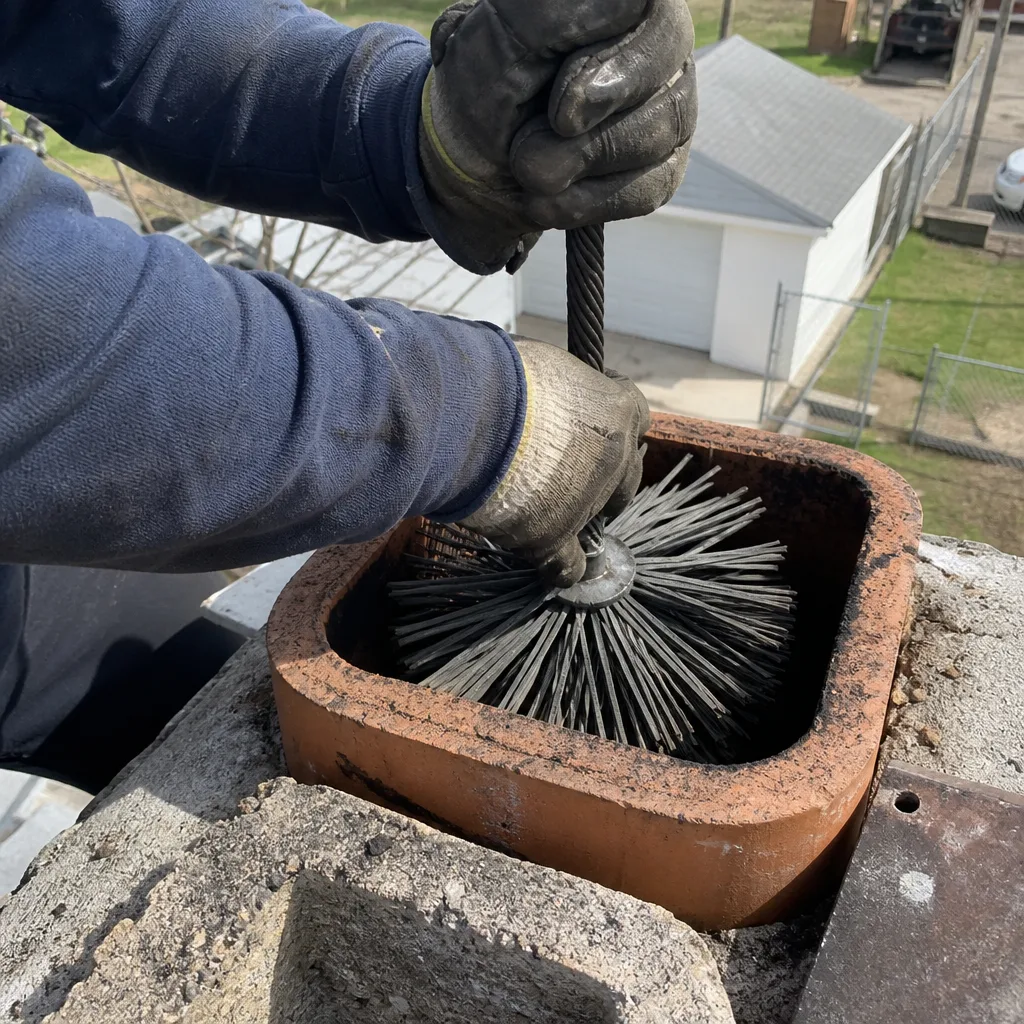
The spread between a $129 sweep and a $529 sweep-and-inspection isn’t random, and it isn’t a scam. It’s a function of five real variables. Understanding them is how you stop overpaying without buying an inspection that doesn’t protect you.
Flue height matters more than you’d think. A two-story single-family in Forest Hill might have a 22-foot flue. A three-story row in the Ironbound could be 35 feet. That’s 60% more surface area to brush, 60% more ladder work, and in Newark’s older attached housing, sometimes roof access only through a neighbor’s property or a shared parapet. Taller flues cost more because they take longer, plain and simple.
Liner material changes the tools needed. Newark’s housing stock spans 150 years of construction practices. Older homes in the North Ward often have unlined or terra cotta tile flues. Homes built after the 1950s may have clay tile. Newer installations use stainless steel. A brush that’s safe for stainless can chip terra cotta. A technician who doesn’t know the difference is a liability. A technician who does costs more per hour.
Creosote stage on arrival changes the job entirely. If the previous owner burned unseasoned wood or never swept for a decade, you aren’t getting a basic sweep. You’re getting Stage III glazed creosote removal, which requires chemical treatments or mechanical rotary removal. That’s a different service with a different price, and the honest company will tell you that on the phone before booking. Most $99 specials won’t, because they want the tech in your living room when that conversation happens.
Access difficulty in Newark’s attached housing. A chimney in the middle of a row of three-story attached homes in the East Ward might have zero ground-level access. The roof is reached from the front of the building, sometimes over a mansard, sometimes through a skylight. That’s not a normal sweep. A company that quotes you $149 sight-unseen for that job either doesn’t know Newark’s housing stock or plans to upsell you once they see it.
Documentation costs money to produce correctly. A camera that can record flue conditions in high resolution costs $4,000 to $8,000. The training to interpret what it shows is another cost layer. The time to write a condition report, archive the photo record, and deliver it to the homeowner is real labor. Companies that include documentation standard have priced that into the service. Companies that charge $99 for a sweep see documentation as an upsell line item, which tells you exactly how voluntary they consider your insurance evidence.
This is where the Chimney Cleaning & Sweep in Newark service model diverges from the discount model. Since 2009, a camera-scan inspection has been included on every visit, not as a $149 add-on you find out about after the swag is already on your porch.
How to Read a Chimney Estimate Without Getting Burned
Most Newark homeowners don’t get scammed by the total. They get scammed by the omissions. An estimate that lists “chimney sweep: $99” with no mention of camera documentation, no warranty line, and no post-service report is not cheaper. It’s incomplete. Here’s the five-part framework we tell homeowners to apply to any chimney estimate:
- Find the documentation line. Does the estimate include a camera scan, a written condition report, and a photo record? If not, that’s not an inspection; it’s a brushing. You’re paying for labor, not evidence. Ask what you walk away with. If the answer is “clean clothes and a clean chimney,” keep shopping.
- Find the warranty line. What happens if the sweep misses something or the repair fails in 60 days? A written warranty is a line item on a real estimate. If it’s verbal, it doesn’t exist.
- Find the repair-pricing line. A written estimate should state the price of any repair before work starts. If the estimate says “repairs as needed” without a dollar figure, you’re signing an open-ended contract. Clause 1 of the Haven Standard requires a written price, written scope, and written warranty before anyone starts, not after the tech is already in your home.
- Read the exclusions paragraph. What’s specifically not included? Roof repairs? Chase covers? Chimney crown work? A company that itemizes exclusions is telling you the boundaries of the job. A company that doesn’t list exclusions is betting you won’t ask.
- Compare total-cost-of-visit, not the headline number. A $99 sweep that becomes a $99 sweep plus a $199 camera inspection plus a $149 creosote treatment plus a $89 cap “recommendation” is not $99. It’s $536, and you found out in real time with a technician in your home. A $429 documented sweep and Level 2 inspection is cheaper than that math.
One of the things we do at Level Two Chimney Newark that sounds small but matters is a Free Second Opinion on any written estimate. If another company quoted you a repair, bring us their written quote. We’ll inspect the same area, with the same camera documentation, and tell you whether the repair is necessary, whether it’s priced honestly, or whether it can safely wait. That’s the kind of accountability that only works because we document everything.
Creosote Stages and What They Cost to Address
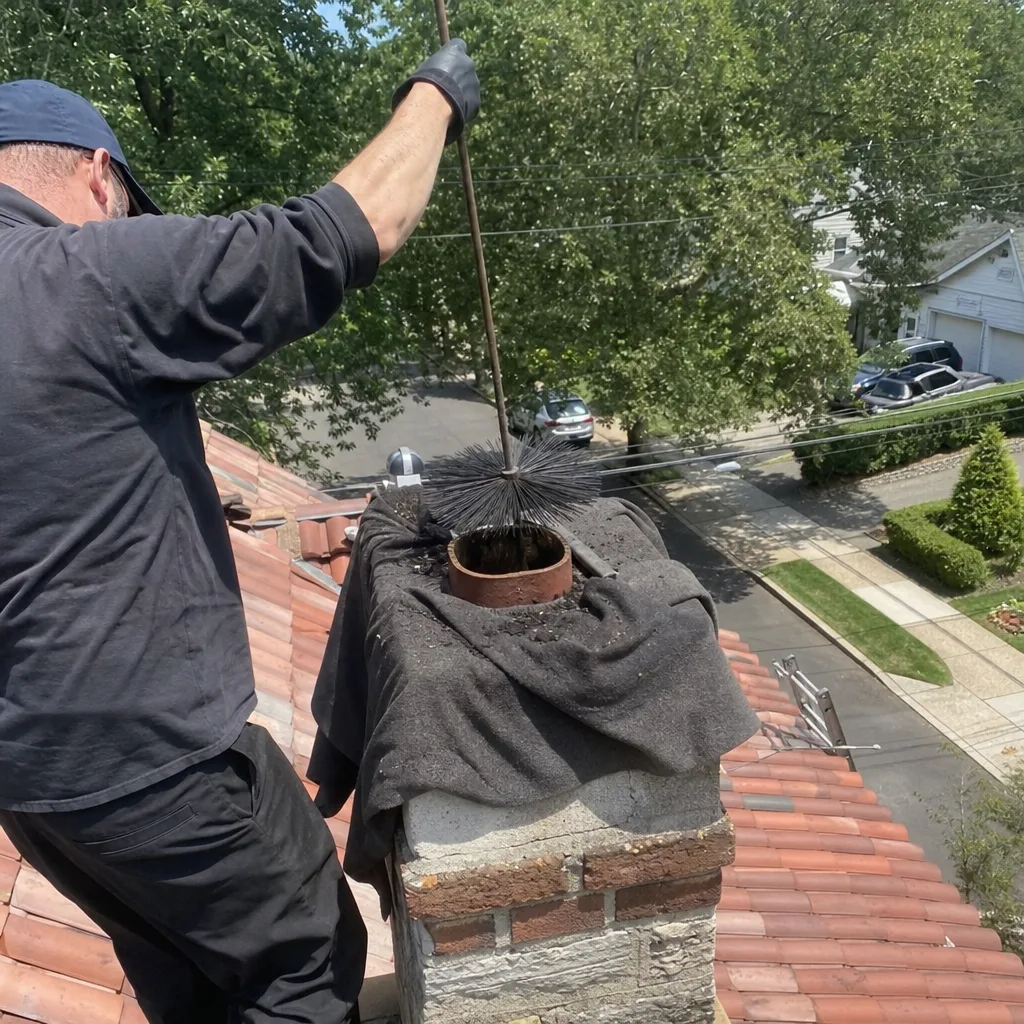
Creosote isn’t one substance. It’s a family of residues that build up in flue liners at different rates depending on burn temperature, wood moisture, and ventilation. Knowing the stage tells you what your cleaning will actually cost and whether your chimney is currently a fire hazard.
Stage I (flaky, sooty dust). This is the normal result of hot fires and seasoned wood. It brushes off easily with standard sweeping rods. If this is what the camera shows, your sweep is straightforward. Expect to pay the low-to-mid range of the service tier.
Stage II (crusty, tar-like granules). This is what happens when fires burn cooler or wood has higher moisture content. It’s harder to remove and may require multiple passes or rotary sweeping heads. The job takes longer, so the price goes up. Camera footage of Stage II creosote is also your warning sign: this is the point where the chimney is becoming a liability, not just dirty.
Stage III (glazed, shiny, hardened tar). This is the dangerous one. Stage III creosote looks like a layer of black glass fused to the flue wall. It doesn’t brush off. It requires chemical treatment – often a creosote softening agent left for 24 to 48 hours – followed by mechanical removal with a rotary chain system or a specialist tool. In extreme cases, it requires multiple visits. Newark properties that sat empty for a season or two, or foreclosed homes bought at auction, are the common culprits here. A flue coated in Stage III creosote doesn’t need a sweep; it needs remediation, and that’s an $800 job some companies quote at a “sweep” price just to get in the door.
The difference matters because Stage III creosote ignites at about 451°F, and a chimney fire inside a flue lined with it can reach 2,000°F in under a minute. That’s not a scare statistic; it’s why the NFPA wrote the standards it wrote. If your last inspection is older than your mortgage, you don’t know what stage you’re at, and neither does your insurance company.
The Cost of Skipping Documentation
Here’s the calculation almost no Newark homeowner makes until it’s too late. A chimney fire in an attached home doesn’t just damage one unit. It moves through shared walls, party chimneys, and common rooflines. When the insurance adjuster arrives, they’re going to ask one question: when was the chimney last inspected, and can you show me the record?
If the answer is “I had a $99 sweep two years ago,” you’re about to learn what an uninsurable loss looks like.
Most homeowner policies in New Jersey contain language requiring “reasonable maintenance” of heating systems, including fireplaces and chimneys. After a chimney fire, the adjuster’s job is to determine whether the fire resulted from a sudden event or from long-term neglect. Without a documented inspection showing the flue was in serviceable condition, the insurance company has grounds to classify the loss as maintenance failure. The claim gets denied. In Newark, where a row house fire means not just your unit but your neighbor’s wall, your deductibles and their legal exposure get complicated fast.
The math is grim. A documented Level 2 camera inspection at $379 is a line item you can show an adjuster. A denied claim on a $60,000 interior rebuild – plus whatever your neighbor’s insurer comes after you for – is a different line item entirely. The inspection isn’t an added cost. It’s an insurance premium. This is why Clause 4 of the Haven Standard has required a documented photo record on every job since 2009: the record isn’t a nice-to-have. It’s the asset.
Camera footage doesn’t just protect you against fires. It protects you against bad actors. A roofer, a home inspector, or even a neighbor with an opinion can tell you your flue liner is “shot” without ever looking at it. A camera scan gives you something to look at. You should never be in a position where you’re writing a $4,000 check based on someone’s verbal description of a space they didn’t see. Level Two Chimney Newark has completed over 38,000 inspections and cleanings since 2009, every one with a camera-scan record. A $99 sweep can’t offer that because producing it costs more than $99.
How to Compare Bids Correctly: Scope-Per-Dollar
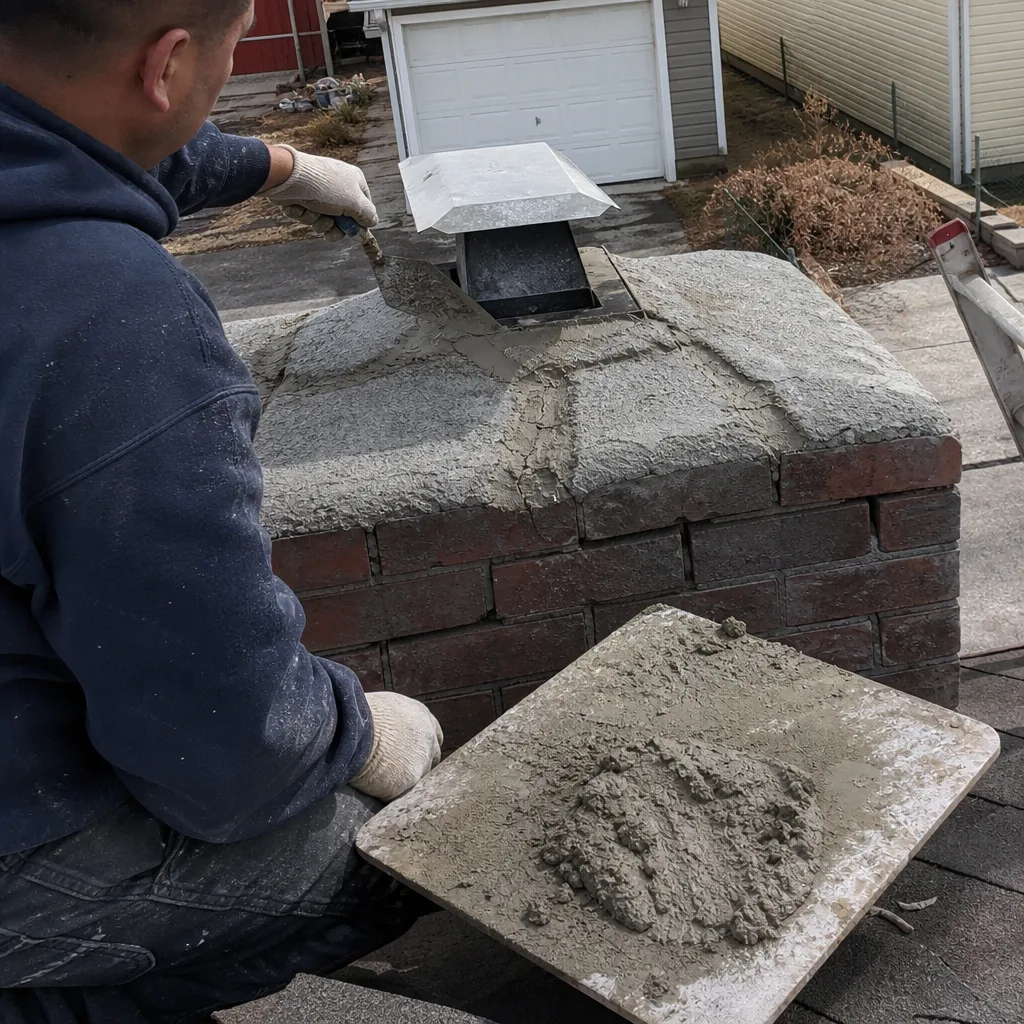
Most homeowners compare chimney bids the wrong way. They line up three totals and pick the middle one, assuming the cheapest is a hustle and the most expensive is padding. But total price is the least useful number on an estimate. You need to calculate scope-per-dollar.
Here’s the comparison framework. For each bid, list what’s included as a line item. Then ask four questions:
- What does the inspection actually see? A visual look from the firebox sees maybe 18 inches of the flue. A Level 2 camera scan sees the entire length, the smoke chamber, and the crown condition from above. If a bid doesn’t specify camera documentation, assume it’s absent.
- What does the customer walk away with? Some companies leave you a receipt. Others leave you a photo record, a written condition report, material condition of the liner, measurement of the flue, and a written quote on any repair needed. The difference is $200 in real-world value, and it’s the difference between evidence and a memory.
- Is the repair quote written before or after the work starts? A company that says “we’ll let you know what needs fixing once we’re in there” is selling an open tab. A company that gives you a written price before work starts is selling a contract. Only one of those is enforceable.
- Does the warranty have teeth? A 365-Day Done Right Promise means something specific: if the work isn’t done correctly, it gets corrected, on the company’s dime, within a year. A verbal “we stand behind our work” means nothing at all. Ask for the warranty in writing.
Apply this framework to two real quotes. Company A: $199 sweep and inspection, no documentation, no warranty line, repairs priced “on discovery.” Company B: $429 documented sweep and Level 2 inspection with written report, written warranty, and written price on any repair before work starts. Most people see a $230 difference. The scope-per-dollar calculation sees Company A as the more expensive option, because you’re buying a brushing and a sales pitch while Company B is selling a service and a record. When the materials on a repair come from manufacturers like Copperfield or Famco through a buying network designed to keep prices honest, the math gets even clearer.
For Newark homeowners researching before they call anyone, this framework matters more than any brand review. Chimney Repair in Newark work gets quoted wildly across the market because access, liner age, and proximity to the Passaic River’s moisture patterns all shift the labor math. Two bids $3,000 apart can both be legitimate. The question isn’t which total is lower. It’s which bid tells you exactly what you’re paying for, in writing, before you pay anything.
Liner, Crown, and Cap Repair: Newark Price Ranges
Your sweep will sometimes reveal conditions that need more than a brush. The most common findings in Newark’s housing stock are flue liner damage, cracked crowns, and missing or failed caps. Each has its own price logic.
Flue liner repair. Newark homes built before World War II often have either no liner at all or a terra cotta tile liner that’s now cracked from decades of thermal cycling. A cracked liner lets heat and combustion gases into the chimney chase, which is how a small chimney fire becomes a structure fire. Minor liner repair – spot masonry or joint patching – runs $250 to $900. HeatShield resurfacing, which uses a ceramic coating to rebuild the flue from the inside, typically runs $2,500 to $5,000 depending on flue height. A full stainless liner installation, using materials from DuraFlex or Olympia Chimney, runs $2,800 to $7,500. That’s a wide range, and the honest answer for most three-story Newark flues is that full liner replacement lands in the $4,000 to $6,000 range once access and permits are factored in.
Cracked or spalling crowns. The crown is the concrete slab at the top of the chimney that sheds water away from the flue. Newark’s freeze-thaw cycles are brutal on crowns. Water gets into micro-cracks, freezes, expands, and spalls the concrete. A cracked crown lets water into the chimney system, which shortens liner life and damages the smoke chamber. Crown repair ranges from $400 for minor crack sealing to $1,800 for full crown rebuilding with proper overhang and a waterproof sealant like Gelco’s product line.
Chimney caps. A missing or rusted cap is the single cheapest fix in chimney repair, and the most common one we see in Newark. Birds nest in open flues. Rain gets in and accelerates creosote formation. Squirrels degrade mortar. A stainless steel cap replacement typically runs $175 to $350 installed. A copper cap runs $400 to $550. Both are cheap relative to what they prevent.
One thing to understand about all of these repairs: the price variance reflects material sourcing and documentation as much as labor. Components sourced through a buying network like Haven’s – which includes Famco, Copperfield, Gelco, and Olympia Chimney – are priced for the customer, not marked up through three distributor layers. When a company tells you a copper cap costs $900 installed, ask whether the cap material is $150 retail or whether they’re treating a commodity part as a luxury item. We pass material pricing through visibly because the written estimate is supposed to tell the truth.
When DIY Chimney Work Crosses Into Dangerous Territory
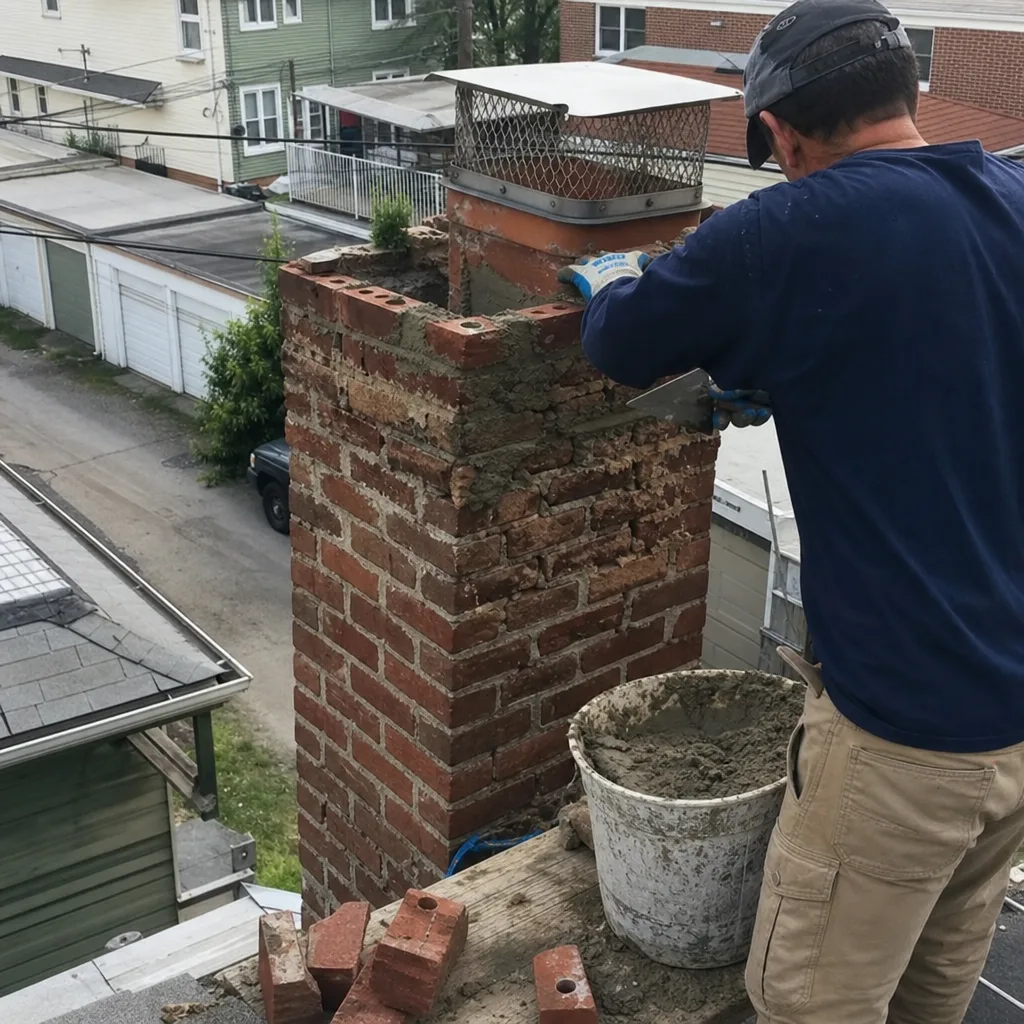
Unless you own the property, chimney work is a landlord’s responsibility in Newark’s rented units, and it’s a maintenance obligation under most insurance policies in owner-occupied homes. But there’s a practical line between what a homeowner can safely do and what requires a trained professional, and it matters more than most people assume.
What you can do yourself, safely: install a carbon monoxide detector on every floor. Check the damper opens and closes smoothly. Visually inspect the firebox brickwork for spalling or cracks. Keep the flue cap visible from the ground and note whether it’s intact. That’s it. All of that takes ten minutes and zero training.
What you should never do yourself: remove glazed creosote from inside a flue. Attempt any liner repair from the roof. Rebuild a crown on a three-story Newark roofline. Use a ladder on a mansard roof to reach a cap. None of that is worth the risk. A 35-foot extension ladder set against a wet roofline in a Newark alleyway is a hospital trip waiting to happen, and the flue liner you can’t see from that ladder is the reason professionals use cameras. Chimney fires, carbon monoxide poisoning from blocked flues, and ladder falls make up the bulk of preventable chimney-related injuries. The fix for all three is the same: a documented inspection before you burn, and a trained professional for everything above the roofline.
If you’re in Newark and the camera hasn’t been down your flue in the last two years, Fireplace Services in Newark can start with the inspection first. You’ll see the condition of your liner, your crown, and your cap in writing before you’re asked to make any repair decision.
Common Mistakes to Avoid
- Booking the cheapest sweep before reading the exclusions. A $99 sweep that doesn’t include camera documentation, a written report, or a warranty costs more than $99 once the upsells start. Read the exclusions paragraph before you book anything.
- Comparing three totals instead of three scopes. A $429 documented inspection and a $199 undocumented sweep are not the same service. Compare what’s included line-by-line, or you’re comparing a bus pass to a taxi.
- Assuming “sweep and inspect” means a camera inspection. In most cases it means a flashlight look and a billing code. Ask specifically whether the flue interior will be camera-scanned and whether you’ll receive the photo record.
- Deferring a documented inspection because “we don’t use the fireplace much.” A chimney that doesn’t get used still gets water, birds, freeze-thaw damage, and mortar deterioration. The inspection isn’t for heavy users; it’s for homeowners who want to know the condition of a structural system.
- Trusting a verbal cleanup without a written warranty. If the sweep says the liner “looks fine” but won’t put it in writing, you have no record and no recourse. A 365-Day Done Right Promise is a written commitment, not a conversation.
- Skipping the cap because it “looks okay from the ground.” You can’t see a rusted cap seam or a cracked crown from street level. The camera sees it in ten seconds. The $300 cap you skipped becomes a $900 crown repair in two winters.
When to Call a Professional
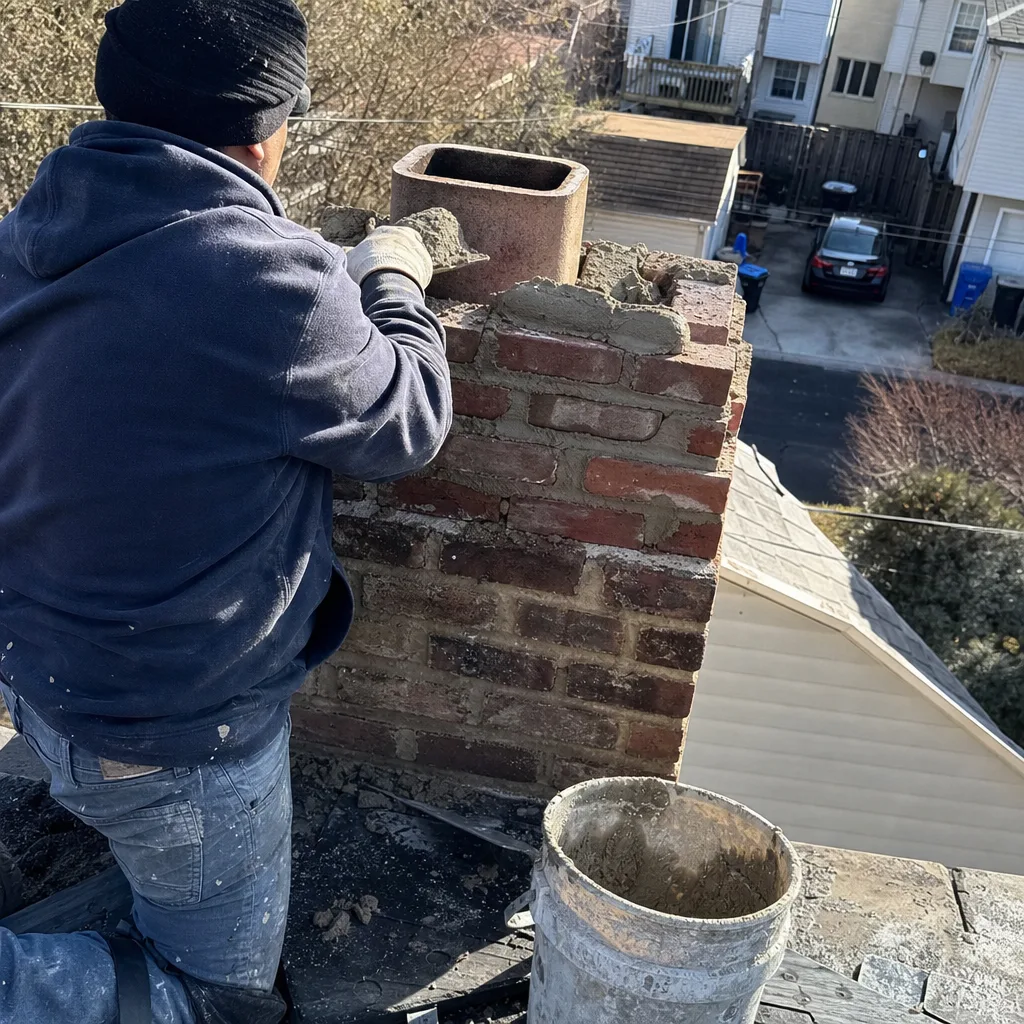
Call a professional when you can’t remember the last documented inspection, when your carbon monoxide detector has triggered near the fireplace, when you see visible cracks in the firebox or the crown, when the damper won’t open or close, or when you’ve bought a Newark home built before 1980 and you’re inheriting a chimney you’ve never seen inside. All of these are situations where guessing is more expensive than knowing. Level Two Chimney Newark offers free estimates in Newark – call (862) 245-4309 and we’ll send a background-checked technician with a camera, a written quote, and a documented record of whatever we find.
Frequently Asked Questions
A basic chimney sweep in Newark runs $149 to $299, while a documented sweep with a Level 2 camera inspection runs $329 to $529. Anything under $150 should be treated as a partial service, not a complete sweep and inspection. Call (862) 245-4309 for a written quote with the camera documentation included standard.
The inside of a flue is not visible from the firebox, the roof, or anywhere else without a camera. A visual look sees about 18 inches of a 25-foot flue. If no one has camera-scanned your chimney since you bought the house, you’re making an insurance claim decision with zero evidence. The inspection is the cost of evidence, not a luxury add-on.
The NFPA standard is once per year for wood-burning fireplaces, or every cord of wood burned. If you burn two or three cords per winter – common in Newark’s older single-family homes with working fireplaces – you should sweep before the burning season starts, not after. Gas fireplaces still need an annual check for ventilation and carbon monoxide safety, but they don’t produce creosote.
The creosote you can’t see builds up in stages. Stage II and Stage III creosote are combustible, and a chimney fire inside a flue lined with them reaches 2,000°F in under a minute. Beyond the fire risk, you’re also allowing water intrusion through a cracked crown or missing cap to silently destroy the liner. By the time you “see” a problem, the repair is thousands of dollars more expensive than the documented inspection would have been.
The $99 price buys labor only, no camera documentation, no written condition report, no warranty. The $400+ price includes camera-scan documentation, a written report, a written quote on any repairs, and a warranty. You’re comparing a brushing to a documented inspection. The cheaper price costs more once the upsells and the unverifiable recommendations start. Call (862) 245-4309 for a written estimate with everything itemized before work starts, or browse more guides & resources.
Insurance covers sudden events like chimney fires or lightning strikes to the chimney structure. It does not cover deterioration from lack of maintenance, including cracked liners, spalled crowns, or water damage from a missing cap. That’s why the documentation matters: a denied claim from an undocumented chimney fire is the most expensive “cheap sweep” you’ll ever buy. We recommend a documented camera inspection before the burning season starts.
The Bottom Line
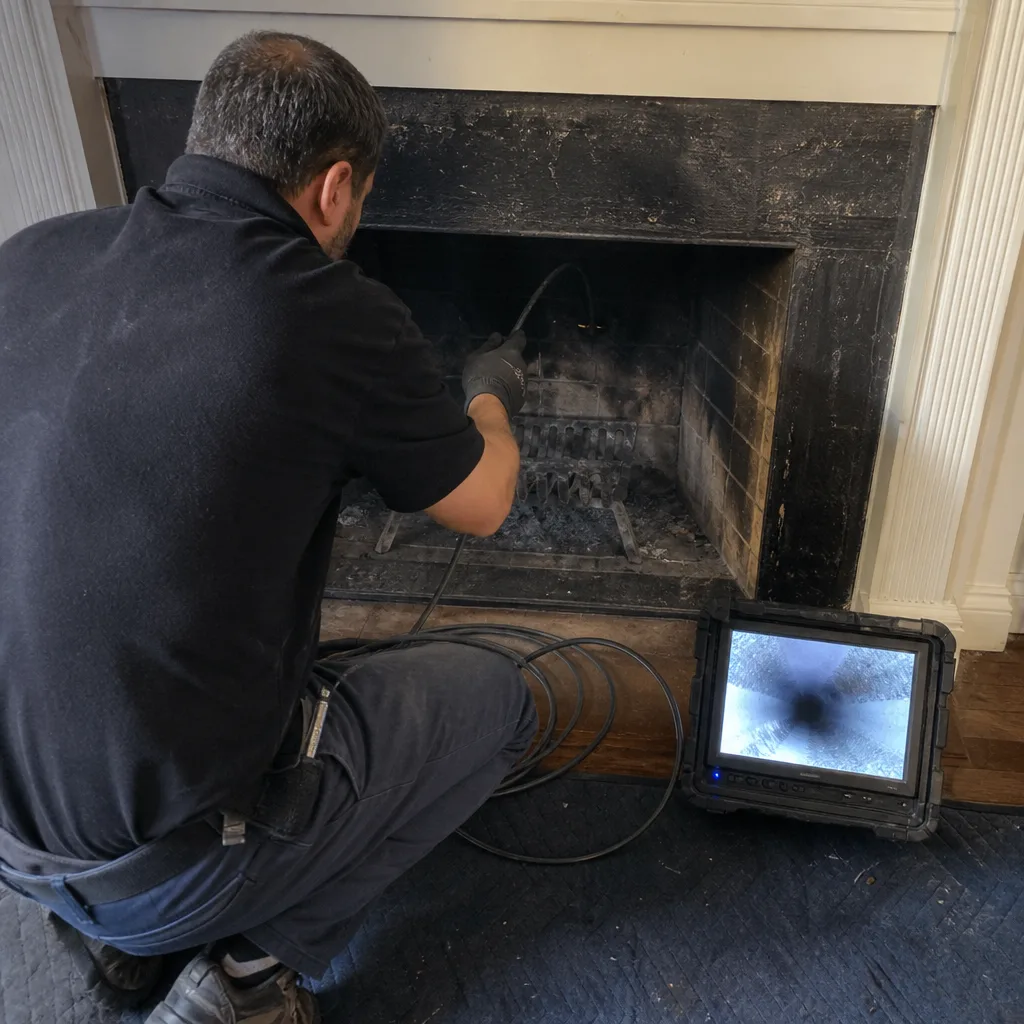
Newark chimney cleaning prices in 2026 land between $89 and $800+ for what looks like the same service on paper. The difference is what you can prove. A documented camera inspection produces a photo record, a written condition report, and a written warranty. An undocumented sweep produces a receipt and a recommendation you can’t verify. The homeowner’s choice is straightforward: pay for evidence or pay for access. The Level Two Chimney Newark home standard is the documented one, and it’s been that way since 2009. If you’re in Newark, we’ll come out, camera down the flue, written price before any work, and a record when it’s done. Free estimates: (862) 245-4309.
Written by Corrine Halstead, Owner at Level Two Chimney Newark, serving Newark since 2009.